
Choosing the right wood for your wooden spoons can make a big difference in your cooking experience. You want spoons that feel good in your hand, last a long time, and don’t affect the taste of your food.
But with so many types of wood out there, which one is truly the best? This guide will help you discover the perfect wood for your wooden spoons, making sure your kitchen tools are safe, durable, and comfortable to use every day.
Keep reading to find out what wood will work best for you.
Credit: www.surlatable.com
Choosing The Right Wood
Choosing the right wood for your wooden spoons impacts not only their look but also their performance and safety in the kitchen. The type of wood you select affects how long your spoon lasts, how it feels in your hand, and how it interacts with food. Understanding key differences and factors can help you make a smart choice that fits your cooking style and needs.
Hardwood Vs Softwood
Hardwoods like maple, cherry, and walnut come from deciduous trees and tend to be denser and more durable. They resist dents, scratches, and moisture better than softwoods.
Softwoods such as pine or cedar are lighter and easier to carve but wear down faster and may absorb liquids more easily. This makes hardwoods generally the better option for spoons that last and handle daily use.
Think about how you use your spoons—do you need something sturdy for stirring thick sauces or a gentle touch for delicate dishes? Hardwoods usually provide that balance, while softwoods might suit decorative spoons or light tasks.
Durability Factors
Durability depends on the wood’s density, grain tightness, and natural oils. Woods with tight grains prevent cracks and warping after repeated washing and exposure to heat.
Look for woods that have natural resistance to moisture and bacteria. Maple, for example, is a popular choice because its dense grain helps it last longer without absorbing food odors or stains.
Have you noticed your spoons cracking or staining quickly? That’s often a sign of soft or porous wood. Investing in durable wood saves you time and money over months and years.
Safety And Food Compatibility
Not all woods are safe to use with food. Some woods can release toxins or have strong odors that affect taste. Always choose wood labeled as food-safe or traditionally used for kitchen tools.
Woods like beech, cherry, and olive are known for their food compatibility and are less likely to harbor bacteria when properly cared for. Avoid woods treated with chemicals or finishes that aren’t food-grade.
Consider your spoon’s finish too—natural oils like mineral oil help protect the wood without compromising safety. Would you trust a spoon that might change your dish’s flavor or introduce harmful substances?
Credit: treecarezone.com
Popular Wood Types For Spoons
Choosing the right wood for your wooden spoons can change how they feel in your hand and how long they last. Different woods offer unique qualities like hardness, grain patterns, and even color that affect your cooking experience. Let’s look at some popular wood types that are favorites among spoon makers and cooks alike.
Maple
Maple is a top choice for wooden spoons because it is hard and durable. It resists scratches and doesn’t absorb too much moisture, making it ideal for everyday kitchen use. You’ll notice its light color and fine grain give your spoons a clean, simple look that fits any kitchen style.
If you want a spoon that can handle stirring thick sauces or scraping pans without wearing down quickly, maple is a reliable pick.
Cherry
Cherry wood offers a warm, reddish hue that deepens beautifully with age. It’s slightly softer than maple but still holds up well against regular use. The smooth texture of cherry spoons feels comfortable in your hand, and their rich color adds a touch of elegance to your kitchen tools.
Have you ever considered how the color of your spoon might influence your cooking mood? Cherry wood spoons might just brighten your culinary routine.
Beech
Beech wood is another excellent option known for its fine, tight grain and pale color. It’s hard enough to resist dents but still lightweight, making it easy to handle for extended cooking sessions. Beech spoons are also less likely to crack or warp, which means they can last for years with proper care.
If you’re looking for a balance between durability and comfort, beech spoons could be your go-to choice.
Walnut
Walnut stands out with its dark, rich brown color and striking grain patterns. It’s moderately hard, so it offers good durability while feeling smooth and luxurious in your hand. Walnut spoons add a unique, sophisticated look to your kitchen and can be a conversation starter during dinner prep.
Would you like a spoon that combines style with function? Walnut might be the wood that matches your taste.
Olive Wood
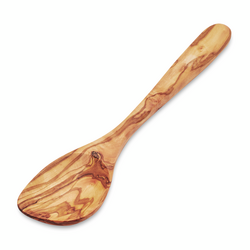
Olive wood is prized for its beautiful, swirling grain and natural oils that help resist water and stains. It’s a bit heavier and denser than other woods, but this adds to its strength and longevity. Olive wood spoons often have a unique character, making each one a little work of art.
Have you ever held a wooden spoon that feels like it has a story to tell? Olive wood spoons often give that impression, connecting you to nature with every stir.
Wood Characteristics To Consider
Choosing the right type of wood for wooden spoons is crucial for both functionality and aesthetics. Different woods bring unique characteristics that can affect the spoon’s durability, comfort, and overall performance in your kitchen. Let’s dive into some essential wood characteristics you should consider when selecting the ideal material for your wooden spoons.
Grain And Texture
The grain and texture of the wood significantly influence the spoon’s appearance and feel. Fine-grained woods like maple and cherry often produce smooth surfaces, making them pleasant to handle and visually appealing. If you’re aiming for a rustic look, consider woods with pronounced grain patterns such as oak. What texture do you prefer in your kitchen tools? A smooth finish may offer a more comfortable grip, while a textured one can add character.
Moisture Resistance
Wooden spoons often face exposure to moisture, whether through cooking or cleaning. Woods like teak and walnut are naturally moisture-resistant, making them less prone to warping or cracking. Ever noticed your wooden spoon losing its shape after a few washes? Choosing a wood with high moisture resistance can help maintain its integrity over time. Consider how often you’ll use the spoon and the conditions it will endure.
Weight And Comfort
The weight of the wood affects the spoon’s usability and comfort. Lighter woods like birch or pine are easier to maneuver, especially during prolonged cooking sessions. Heavier woods, such as oak, may provide a sense of sturdiness but can be tiring to use for extended periods. How important is comfort in your cooking routine? Reflect on your cooking habits to determine the best balance between weight and usability.
Sustainability And Sourcing
Sustainability and sourcing play a crucial role when choosing the best wood for wooden spoons. Your choice impacts not only the durability and safety of the spoon but also the environment. Understanding where the wood comes from and how it was harvested can help you make responsible decisions that align with your values.
Eco-friendly Woods
Some woods naturally stand out for their eco-friendly qualities. Maple, beech, and cherry are popular because they grow relatively fast and can be harvested without harming the ecosystem.
These woods are dense and durable, reducing the need to replace your wooden spoons often. Would you prefer a spoon that lasts longer and comes from a tree that grows back quickly?
Certified Wood Sources
Look for wood certified by organizations like the Forest Stewardship Council (FSC). Certification ensures the wood comes from forests managed responsibly with respect for wildlife and local communities.
Buying certified wood means you’re supporting sustainable forestry practices. Next time you shop, check labels or ask your supplier about certifications to ensure you’re choosing responsibly.
Local Vs Imported Wood
Using locally sourced wood reduces transportation emissions and supports local economies. However, imported woods might offer unique qualities or aesthetics you can’t find nearby.
Weigh the environmental cost of shipping against the benefits of the wood’s characteristics. Would you rather pick a local wood that’s slightly less durable or an imported wood with a bigger carbon footprint but longer lifespan?
Caring For Wooden Spoons
Caring for wooden spoons is essential to keep them looking great and lasting longer. These utensils can absorb flavors and moisture if not cleaned and maintained properly. Taking a little extra time to care for your wooden spoons ensures they remain safe to use and retain their natural beauty.
Cleaning Tips
Always wash your wooden spoons by hand. Use warm water and mild dish soap, scrubbing gently with a soft sponge or cloth.
Avoid soaking them in water for long periods, as this can cause the wood to swell and crack. Rinse quickly and dry immediately with a towel.
Have you noticed that wooden spoons sometimes hold onto odors? Rubbing them with lemon juice or baking soda can help eliminate smells and keep your spoons fresh.
Maintenance And Oiling
Oiling your wooden spoons regularly prevents drying and cracking. Food-safe mineral oil or beeswax works best to nourish the wood.
Apply a thin layer of oil and let it soak in overnight, then wipe off any excess. This simple habit extends the life of your spoons and keeps the wood smooth.
How often you oil depends on use, but a good rule is once a month or whenever the wood looks dry. This small effort can save you from replacing spoons too soon.
Avoiding Damage
Wooden spoons can crack or warp if exposed to extreme heat or left in the dishwasher. Heat causes the wood fibers to expand and contract quickly, leading to damage.
Never put wooden spoons in the dishwasher or microwave, and avoid using them on very hot surfaces for too long.
Inspect your spoons regularly for any cracks or rough spots. Sanding lightly with fine-grit sandpaper can smooth out imperfections and prevent splinters.

Credit: www.anzhucraft.com
Frequently Asked Questions
What Wood Is Safest For Making Wooden Spoons?
Hardwoods like maple, cherry, and beech are safest for wooden spoons. These woods are non-toxic, durable, and resist cracking or splintering. They don’t impart flavors and handle heat well, making them ideal for cooking and stirring.
Which Wood Lasts Longest For Wooden Spoon Use?
Maple and beech are known for their durability and longevity. These hardwoods resist wear and moisture, making spoons last longer. Proper care, like hand washing and oiling, also extends their lifespan significantly.
Can Softwoods Be Used For Wooden Spoons?
Softwoods like pine are not recommended for spoons. They are porous, prone to splintering, and may absorb odors or flavors. Hardwood spoons provide better hygiene and durability for kitchen use.
Why Is Hardwood Preferred For Wooden Spoons?
Hardwoods are dense, strong, and less porous than softwoods. This quality prevents cracks and reduces bacterial growth. Hardwoods also resist heat and won’t easily stain, making them ideal for safe and long-lasting spoons.
Conclusion
Choosing the right wood makes a big difference in wooden spoons. Hardwoods like maple, cherry, and beech last longer and resist stains. They also feel smooth in your hand and won’t crack easily. Softwoods dry out and wear down faster.
Remember, good wood keeps your spoons safe and strong for cooking. Pick wood that suits your needs and budget. A well-made wooden spoon can serve you for years. Simple care keeps it looking nice and working well. Quality wood means better spoons, every time.