
Are you wondering if microfiber cleaning cloths are safe and effective for your cutting boards? You’re not alone.
Keeping your cutting boards clean is key to food safety, but choosing the right cleaning tools can be confusing. Microfiber cloths promise to be quick, easy, and gentle—but do they really work on cutting boards without causing damage or leaving behind germs?
You’ll discover everything you need to know to keep your cutting boards spotless and safe using microfiber cloths. Stick around to find out the surprising truth that could change how you clean in the kitchen.
Benefits Of Microfiber Cloths
Microfiber cloths offer several benefits that make them an excellent choice for cleaning cutting boards. Their unique structure helps tackle messes efficiently while being gentle on surfaces. You might find that switching to microfiber changes how you clean for the better.
Superior Absorption
Microfiber cloths hold much more liquid than traditional cloths. This means they can soak up spills and moisture quickly, which is crucial for keeping cutting boards dry and safe from bacteria growth.
Have you noticed how some towels just spread water around instead of picking it up? Microfiber’s high absorption prevents that, making your cleaning faster and more effective.
Effective Dirt Removal
The fine fibers in microfiber cloths grab onto tiny particles of dirt and food residue better than regular cloths. This helps you remove even stubborn bits stuck on your cutting board without scrubbing hard.
Imagine wiping a board with a cloth that traps every crumb and grease spot in one go. That’s the kind of clean microfiber provides, reducing the chance of leftover germs.
Durability And Longevity
Microfiber cloths last longer than many other cleaning rags. They don’t tear easily and can handle repeated washing without losing their cleaning power.
Investing in microfiber means fewer replacements and less waste. Have you ever thought about how often you toss out worn cloths? With microfiber, you get more use from each one, saving money and effort.

Credit: www.facebook.com
Types Of Cutting Boards
Cutting boards come in various materials, each with unique qualities. Choosing the right board affects food safety and cleaning methods. Understanding the types helps decide if microfiber cloths suit cleaning them.
Wooden Cutting Boards
Wooden boards are classic and durable. They absorb moisture and knife marks well. Wood can trap bacteria if not cleaned properly. Microfiber cloths work gently on wood without scratching. Drying wooden boards thoroughly is important after cleaning.
Plastic Cutting Boards
Plastic boards are lightweight and dishwasher safe. They resist stains and odors better than wood. Microfiber cloths easily wipe away food particles on plastic. Plastic boards can show knife cuts that need extra cleaning care. Regular sanitizing keeps them safe to use.
Bamboo And Composite Boards
Bamboo boards are eco-friendly and hard. They resist water but can crack if dried wrongly. Composite boards mix wood fibers and resin for strength. Microfiber cloths clean these boards without damage. Avoid soaking bamboo and composite boards in water.
Cleaning Microfiber Cloths
Microfiber cloths work well on cutting boards, removing dirt and bacteria effectively. They clean without scratching surfaces, making them safe for daily use. Regular washing keeps these cloths hygienic and ready for the next cleanup.
Cleaning microfiber cloths is crucial for maintaining their efficiency in your kitchen tasks, including wiping down cutting boards. These cloths are known for their ability to trap dirt and bacteria, but over time, they can become less effective if not cleaned properly. Understanding how to wash them without damaging the fibers will extend their lifespan and ensure they continue to work effectively. Let’s dive into the best practices for cleaning your microfiber cloths.
Proper Washing Techniques
Microfiber cloths should be washed in warm water using a mild detergent. Avoid fabric softeners, as they can clog the fibers and reduce their effectiveness. It’s best to wash them separately from other laundry items to prevent lint transfer. You might be surprised to learn that some people find it helpful to use a mesh laundry bag to protect the cloths during the wash cycle. Consider using a gentle cycle to minimize wear and tear on the fibers. Have you ever noticed how your cloths seem less effective after a harsh wash? It’s because the fibers can become damaged, reducing their ability to trap dirt and bacteria.
Avoiding Damage To Fibers
Avoid high heat when drying microfiber cloths. Instead, opt for air drying or using a low heat setting on your dryer. High temperatures can cause the fibers to melt or become distorted. Have you ever pulled a freshly dried microfiber cloth from the dryer only to find it less fluffy or effective? That’s the heat damage at work. It’s also wise to steer clear of bleach and harsh chemicals. These can break down the fibers, leading to reduced performance and a shorter lifespan.
When To Replace Cloths
Microfiber cloths have a long life, but they aren’t indestructible. Over time, you may notice they don’t clean as well or have an unpleasant odor that doesn’t go away with washing. If your cloths are no longer effective or have visible wear and tear, it’s time to replace them. Consider how often you use them; frequent use means more frequent replacement. Ask yourself: are your cloths still doing their job, or are they leaving streaks and residue? If you find yourself going over the same spot multiple times, it might be a sign that new cloths are needed.
Credit: www.thekitchn.com
Using Microfiber Cloths On Cutting Boards
Microfiber cleaning cloths offer a gentle yet effective way to clean cutting boards. Their soft fibers pick up food particles and bacteria without scratching the surface. These cloths absorb moisture well, helping to keep cutting boards dry and hygienic. Using microfiber cloths can maintain your cutting boards’ condition and extend their lifespan.
Daily Cleaning Routine
Use a damp microfiber cloth to wipe the cutting board after every use. This removes crumbs and surface debris quickly. Rinse the cloth often to avoid spreading dirt around. Dry the board with a clean, dry microfiber cloth to prevent moisture buildup. Regular cleaning stops stains and bacteria from forming.
Sanitizing After Use
After washing with soap and water, use a microfiber cloth soaked in a mild disinfectant. Wipe the entire surface thoroughly. Let the board air dry completely before storing. This step kills harmful germs that might remain. Avoid harsh chemicals that can damage the board or cloth.
Handling Stains And Odors
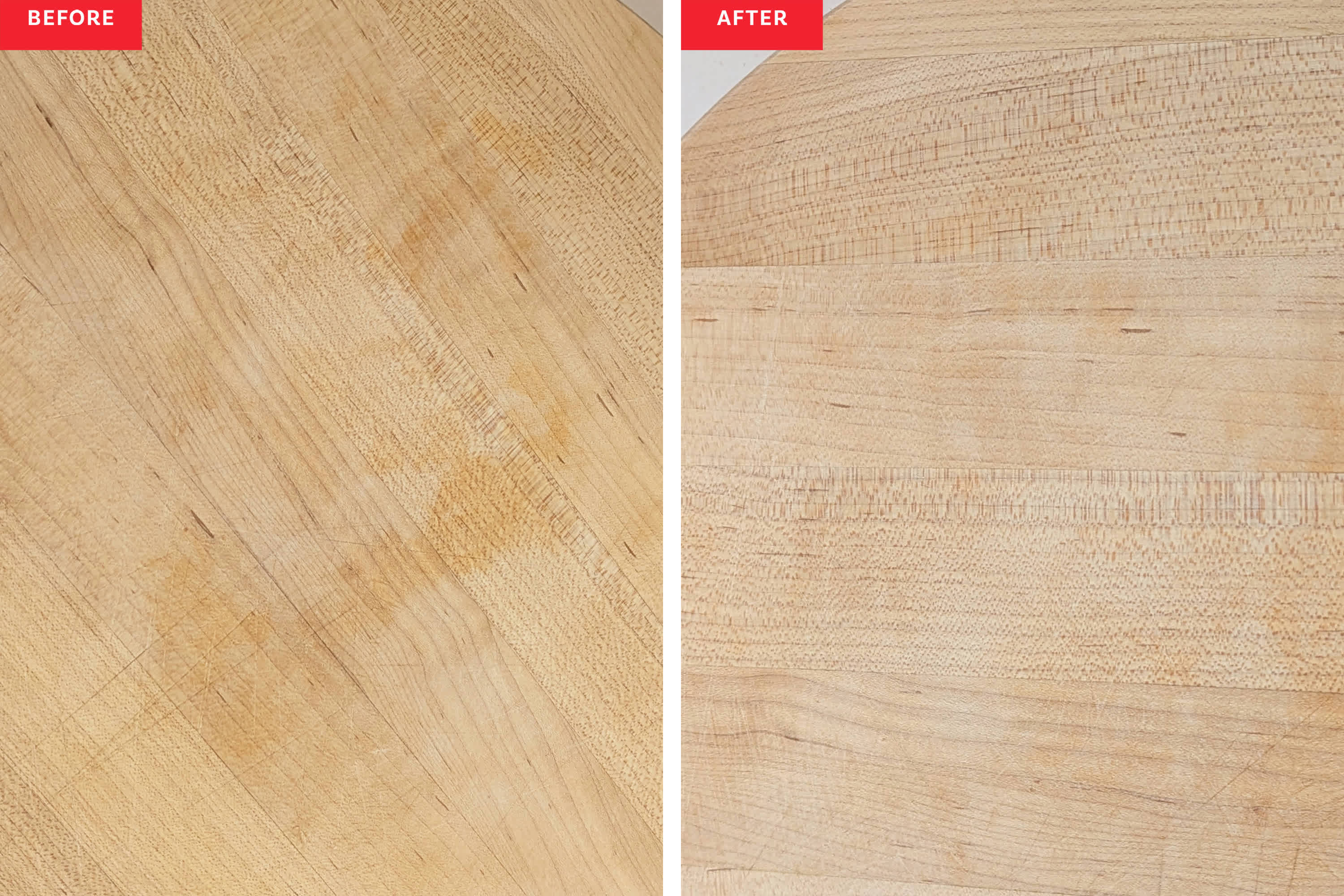
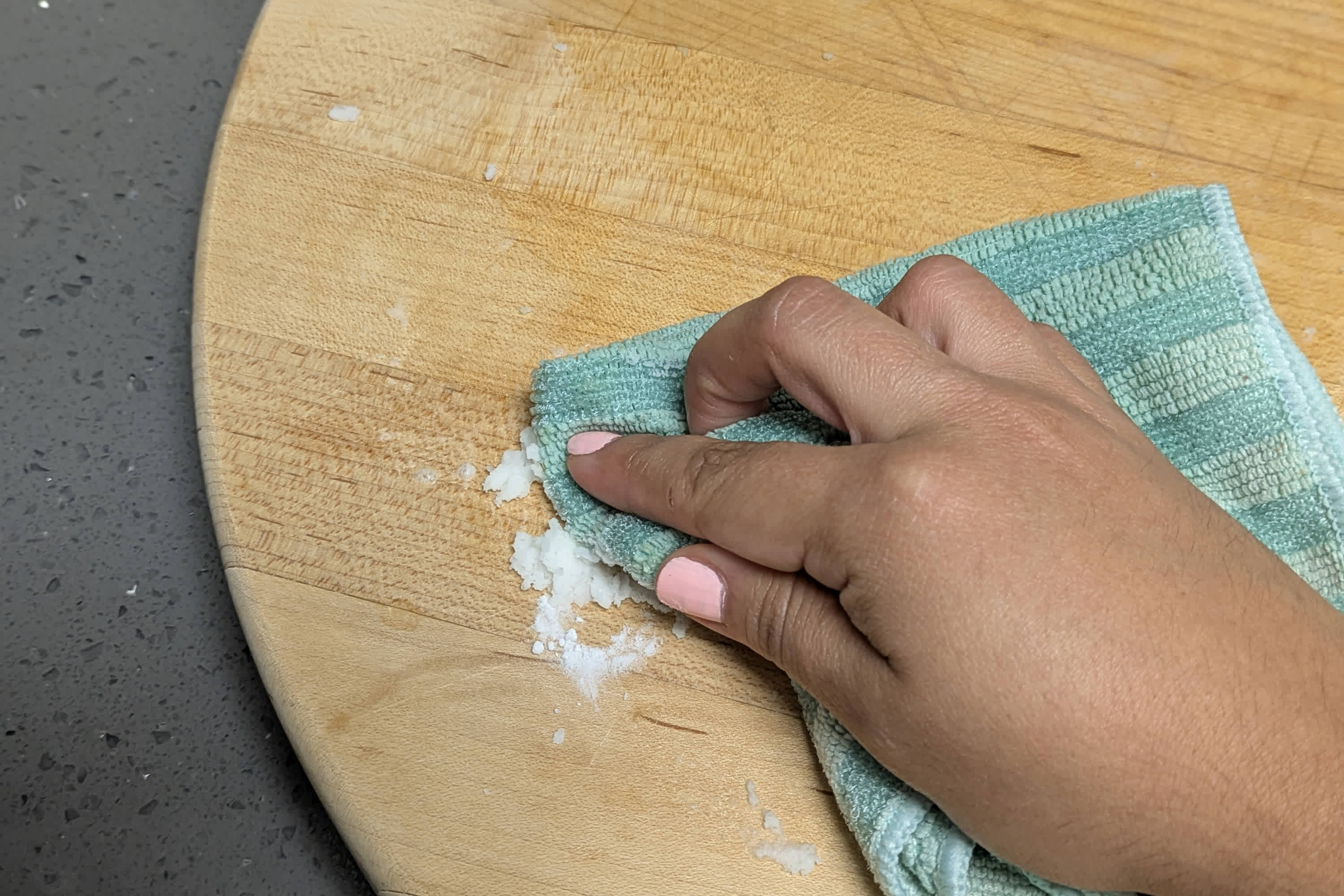
For tough stains, dampen the microfiber cloth with a mixture of baking soda and water. Gently scrub the stained areas without pressing too hard. To remove odors, wipe the board with a cloth soaked in white vinegar. Let it sit for a few minutes, then rinse and dry well. These methods keep cutting boards fresh and clean.
Safety And Hygiene Tips
Keeping your cutting boards clean and safe is very important for kitchen hygiene. Microfiber cloths can be helpful for cleaning, but using them properly is key. Follow these safety and hygiene tips to avoid germs and keep your cutting boards in good condition.
Preventing Cross-contamination
Cross-contamination spreads harmful bacteria from one surface to another. Avoid using the same cloth on raw meat and vegetables. Always clean cutting boards right after use. Rinse the microfiber cloth in hot water after each use. This reduces the risk of bacteria transfer.
Using Separate Cloths For Different Surfaces
Assign different microfiber cloths to specific kitchen tasks. For example:
- One cloth for cutting boards
- Another for countertops
- One more for appliances
Label or color-code cloths to keep track. This practice stops germs from moving between areas.
Drying And Storage Practices
Wet cloths can grow bacteria quickly. Always wash microfiber cloths after use. Use hot water and a mild detergent. Let cloths dry completely before storing. Store them in a clean, dry place away from moisture. Proper drying and storage keep cloths fresh and safe for future use.
Alternatives To Microfiber Cloths
If you’re wondering about other options besides microfiber cloths for cleaning your cutting boards, there are several practical alternatives. Each has its own strengths and can be suited to different types of cleaning tasks and board materials. Let’s look at some options that might work better for your kitchen routine.
Sponges And Scrubbers
Sponges and scrubbers offer a versatile way to clean cutting boards, especially when dealing with stuck-on food particles. You can choose softer sponges for delicate wooden boards or tougher scrubbers for plastic ones.
One tip I found helpful is using a scrubber with a rough side to tackle stains without damaging the surface. Have you noticed how sponges can trap bacteria if not cleaned properly? Make sure to sanitize them regularly to keep your cutting board hygienic.
Paper Towels
Paper towels are a quick and disposable option for wiping down cutting boards after washing. They are great for absorbing moisture and can reduce the risk of cross-contamination since you use a fresh towel each time.
However, they are less effective for scrubbing or removing tough residue. Do you prefer convenience over heavy-duty cleaning? If so, paper towels might be your go-to for light maintenance.
Dish Brushes
Dish brushes with stiff bristles can clean cutting boards thoroughly without excessive wear. They allow you to reach grooves and cuts where food particles often hide.
Using a dish brush also reduces direct hand contact with dirty surfaces, which can be more hygienic. Have you tried a brush with a handle that lets you apply good pressure? It can make a big difference in how clean your board gets.
Credit: www.thekitchn.com
Frequently Asked Questions
Can Microfiber Cloths Safely Clean Cutting Boards?
Yes, microfiber cloths are safe for cleaning cutting boards. They effectively remove bacteria and food particles without scratching the surface. Use warm water and mild soap for best results. Always wash the cloth after use to maintain hygiene.
Are Microfiber Cloths Better Than Sponges For Cutting Boards?
Microfiber cloths are more hygienic than sponges because they dry faster and trap dirt better. They reduce bacterial growth and are easier to clean. However, both can be effective if cleaned regularly.
How Often Should Microfiber Cloths Be Cleaned After Cutting Board Use?
Microfiber cloths should be washed after every use on cutting boards. Frequent washing prevents bacterial buildup and odor. Machine wash with hot water or sanitize by boiling for best results.
Can Microfiber Cloths Absorb Cutting Board Odors?
Microfiber cloths can trap odors if not cleaned properly. Regular washing and drying prevent odor retention. Use vinegar or baking soda to deodorize cloths if needed.
Conclusion
Microfiber cloths clean cutting boards gently and well. They remove dirt and bacteria without scratching surfaces. Always wash the cloth often to keep it clean. Dry cutting boards properly after cleaning to stop germs. Using microfiber cloths helps keep your kitchen safe and tidy.
Choose cloths that are soft and made for cleaning. Small steps like these make a big difference in kitchen hygiene. Keep your cutting boards fresh and ready for food prep. Simple care leads to better health in your home.