
Are you tired of streaky windows, dusty screens, or smudged surfaces that never seem truly clean? The secret to sparkling results might be right in your hand—a microfiber cleaning cloth.
But with so many options out there, how do you know which one is the best for your needs? Choosing the right microfiber cloth can save you time, effort, and money while protecting your delicate surfaces. Keep reading to discover exactly what makes a microfiber cloth the best and how you can pick the perfect one for your cleaning routine.
Your home—and your peace of mind—deserve nothing less.

Credit: www.amazon.com
Microfiber Cloth Basics
Understanding the basics of microfiber cloths is essential before choosing the best one for your cleaning needs. These cloths have changed the way we clean by offering a simple yet highly effective tool. Let’s break down what makes microfiber stand out, the types available, and how exactly it works to make your surfaces spotless.
What Makes Microfiber Special
Microfiber is made from extremely fine synthetic fibers, usually a blend of polyester and polyamide. These fibers are much thinner than a human hair, which gives microfiber cloths their unique ability to trap dirt and dust.
This fine texture lets the cloth pick up particles that traditional cloths miss, without needing harsh chemicals. Have you noticed how some cloths leave streaks or lint behind? Microfiber avoids that, making your cleaning more efficient.
Types Of Microfiber Cloths
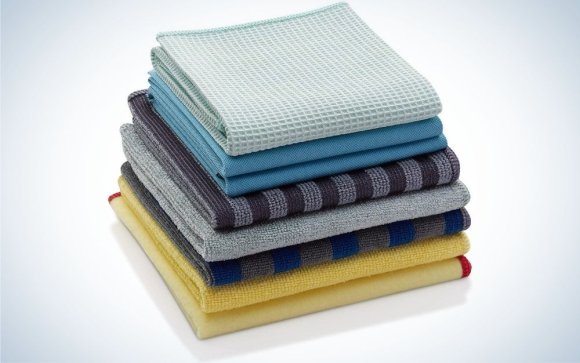
Not all microfiber cloths are the same. They come in different weaves and thicknesses tailored for specific tasks.
- Waffle Weave:Great for drying and absorbing spills quickly.
- Terry Cloth:Features loops that are excellent for scrubbing surfaces.
- Flat Weave:Smooth and ideal for polishing glass and electronics.
Choosing the right type depends on what you want to clean. Do you need heavy-duty scrubbing or gentle dusting? Knowing this can save you time and effort.
How Microfiber Works
Microfiber cloths clean by using static electricity and their dense fibers to attract and hold onto dirt, dust, and oils. The tiny fibers create millions of contact points that trap particles instead of pushing them around.
Think about wiping a greasy pan with a regular cloth versus microfiber. The microfiber cloth grabs the grease and holds it, so you don’t spread it back onto the surface.
Have you ever tried cleaning a screen or mirror only to find streaks? Microfiber’s ability to lift away oils and dirt without smearing makes it perfect for those delicate tasks.
Credit: www.popsci.com
Key Features To Look For
Choosing the best microfiber cleaning cloth isn’t just about picking a pretty color or a low price. You need to focus on features that directly affect cleaning power and longevity. Understanding what makes one cloth better than another can save you time, money, and frustration.
Fabric Quality And Weave
The fabric quality determines how well the cloth performs and how long it lasts. Look for microfiber made from a blend of polyester and polyamide; this combination provides softness and strength.
Weave type also matters. A tighter weave traps more dirt and dust, making it ideal for delicate surfaces like screens and lenses. Meanwhile, a looser weave might be better for heavy-duty scrubbing. Have you noticed how some cloths leave streaks while others make surfaces shine? That’s the weave at work.
Absorbency And Durability
High absorbency is crucial for cleaning spills or polishing surfaces without leaving watermarks. A microfiber cloth with dense fibers soaks up liquids quickly, reducing the need to keep going back for more.
Durability means the cloth can withstand repeated washing without falling apart or losing its effectiveness. You want a cloth that stays soft and strong even after multiple uses. Think about your last cloth that became rough and useless after a few washes—wouldn’t it be better to invest in one that lasts?
Size And Texture Options
Size affects usability. Smaller cloths are perfect for tight spots and electronics, while larger ones cover more area and speed up cleaning tasks.
Texture plays a big role too. Smooth textures work well on glass and mirrors, preventing scratches. Rougher textures help remove tough grime from kitchen counters or car interiors.
Choosing the right size and texture tailored to your specific cleaning needs will make your chores easier and more efficient. What cleaning challenges do you face that might require a particular cloth texture or size?
Top Microfiber Cloth Brands
Microfiber cleaning cloths have become essential tools in maintaining cleanliness and order in our homes and workplaces. They are efficient, versatile, and can tackle a variety of surfaces without leaving scratches. But with so many brands available, which ones stand out as the best? Whether you’re looking for everyday solutions for your home, professional-grade options, or budget-friendly picks, this guide will help you identify the top microfiber cloth brands that best suit your needs.
Popular Choices For Home Use
When it comes to home cleaning, you want microfiber cloths that are soft yet effective. Brands like MagicFiberand Zwipesoffer high-quality cloths perfect for dusting, wiping kitchen counters, and cleaning windows.
MagicFiber is known for its soft touch and high absorbency, making it ideal for delicate surfaces like TVs and computer screens. Zwipes, on the other hand, offers robust cloths that can handle tougher grime on countertops and appliances.
Have you ever tried using a microfiber cloth to clean your car’s dashboard? Zwipes is particularly praised for its ability to pick up dust without leaving behind lint, making it a favorite among car enthusiasts.
Professional Grade Options
If you require something more durable for heavy-duty cleaning, brands like Viledaand Rubbermaidprovide professional-grade microfiber cloths that are built to last.
Vileda’s cloths are often used by janitorial services due to their exceptional durability and effectiveness on large surfaces. Rubbermaid offers microfiber cloths that can withstand frequent washing without losing their cleaning power.
Consider this: if your business or workplace demands consistent cleanliness, investing in professional-grade cloths could save you time and money in the long run.
Budget-friendly Picks
For those on a budget, brands like AmazonBasicsand Kirkland Signatureprovide affordable options without compromising quality.
AmazonBasics microfiber cloths offer a reliable cleaning solution at a fraction of the cost of premium brands. Kirkland Signature, available at Costco, is another budget-friendly brand known for its surprisingly good performance.
Who says you have to break the bank for quality cleaning? With these budget-friendly options, you can keep your space clean and tidy without overspending.

Credit: www.amazon.com
Choosing Cloths For Different Tasks
Choosing the right microfiber cloth depends on the cleaning task. Different cloths have unique textures and thicknesses. Each type works best for specific surfaces and dirt types. Using the correct cloth makes cleaning easier and protects surfaces from damage. Below are tips to select cloths for common cleaning jobs.
Cleaning Glass And Screens
Soft, fine-weave microfiber cloths suit glass and screens. They remove smudges without scratching delicate surfaces. Choose lint-free cloths that do not leave fibers behind. Look for cloths labeled for electronics or eyeglasses. Use gentle pressure to avoid damage. These cloths also reduce glare and streaks.
Dusting And Polishing
Light, fluffy microfiber cloths catch dust well. Their thicker fibers trap particles instead of spreading them. Use dry cloths for dusting wood, furniture, and décor. Slightly damp cloths help polish surfaces and remove fingerprints. Avoid harsh scrubbing to preserve finishes. These cloths restore shine without harsh chemicals.
Automotive And Heavy-duty Cleaning
Thick, durable microfiber cloths handle tough dirt and grease. They absorb liquids and hold grit away from paint. Choose cloths with a high GSM (grams per square meter) for strength. Use them for washing cars, cleaning engines, or scrubbing floors. Rinse often to avoid scratching surfaces with trapped debris.
Care And Maintenance Tips
Taking good care of your microfiber cleaning cloth is key to keeping it effective and lasting longer. Proper maintenance not only preserves its texture but also ensures it continues to trap dust and dirt efficiently. Let’s dive into some practical tips that help you maintain your cloth in top shape.
Washing And Drying Best Practices
Wash your microfiber cloths separately from other laundry to avoid lint transfer. Use warm water with a mild detergent, and skip fabric softeners or bleach as they can clog the fibers and reduce absorbency.
Air drying is ideal, but if you use a dryer, choose a low heat setting. High heat can melt the fibers and damage the cloth’s cleaning ability. Have you noticed your cloth getting stiff after drying? That’s often heat damage at work.
Avoiding Damage And Contamination
Keep microfiber cloths away from harsh chemicals like ammonia or bleach, as these can break down the fibers quickly. Also, avoid using them on greasy or oily surfaces without a proper pre-clean, since grime can embed deeply and transfer during cleaning.
Store your cloths in a clean, dry place to prevent contamination. Have you ever grabbed a cloth only to find it smelling musty or covered in dust? Proper storage can save you from that unpleasant surprise.
Extending Cloth Lifespan
Use different cloths for different tasks—one for glass, another for dusting, and another for kitchen surfaces. This reduces cross-contamination and wear. Regularly inspect your cloths for signs of wear like thinning or fraying and retire them before they lose effectiveness.
Think of your microfiber cloth as an investment. Treat it well, and it will pay off with countless streak-free cleans and spotless surfaces.
Buying Guide For 2025
Choosing the best microfiber cleaning cloth in 2025 requires attention to new features and materials. This buying guide highlights key points to help you pick the right cloth for your needs. Understanding the latest trends and eco-friendly options ensures a smart purchase. Knowing where to buy and what to avoid saves time and money.
Latest Innovations In Microfiber
Microfiber cloths now offer better cleaning power with finer fibers. Some cloths include antimicrobial treatments to reduce bacteria growth. Enhanced absorbency features help dry surfaces faster. Many brands use split fiber technology for improved dust and dirt trapping. New designs focus on durability to last through many washes.
Eco-friendly And Sustainable Options
Many microfiber cloths now use recycled materials to reduce waste. Biodegradable fibers are becoming more common in cleaning products. Some brands avoid harmful chemicals during manufacturing. Choosing cloths with longer lifespans helps reduce plastic waste. Look for certifications that verify environmental claims.
Where To Buy And What To Avoid
Buy from trusted retailers or official brand websites. Avoid very cheap cloths, as they may shed fibers or wear out quickly. Check product reviews for real user experiences. Avoid cloths with added fragrances or harsh chemicals. Read labels carefully to ensure the cloth meets your cleaning needs.
Frequently Asked Questions
What Makes A Microfiber Cloth The Best For Cleaning?
The best microfiber cloth has dense, fine fibers that trap dust and dirt efficiently. It is soft, durable, and lint-free, providing streak-free cleaning on various surfaces without scratches.
How Often Should Microfiber Cleaning Cloths Be Washed?
Microfiber cloths should be washed after every few uses to maintain effectiveness. Use mild detergent and avoid fabric softeners to preserve fiber quality and absorbency.
Can Microfiber Cloths Be Used On All Surfaces?
Yes, microfiber cloths are safe for most surfaces, including glass, wood, and electronics. Their gentle fibers clean without damage, making them versatile for home and office cleaning.
What Size Microfiber Cloth Is Best For Cleaning Tasks?
A 12×12 inch cloth is ideal for general cleaning, offering good coverage and easy handling. Larger sizes work well for bigger surfaces, while smaller cloths target tight spots.
Conclusion
Choosing the best microfiber cleaning cloth depends on your needs. Think about softness, absorbency, and durability. A good cloth cleans well without scratching surfaces. It saves time and effort during cleaning. Keep your cloth clean for better results every time.
Small details matter for a cleaner, brighter home. Trust your own experience to find the right one. Clean smarter, not harder, with the right microfiber cloth.