
Are you craving a delicious, healthy meal that’s quick and easy to prepare? Grilled salmon might be just what you need.
Imagine juicy, perfectly cooked salmon with a smoky char that melts in your mouth. Whether you’re a beginner or just looking to improve your grilling skills, this guide will show you exactly how to make grilled salmon that tastes like it’s from a restaurant.
Keep reading, and you’ll discover simple steps and insider tips to make your next meal unforgettable.
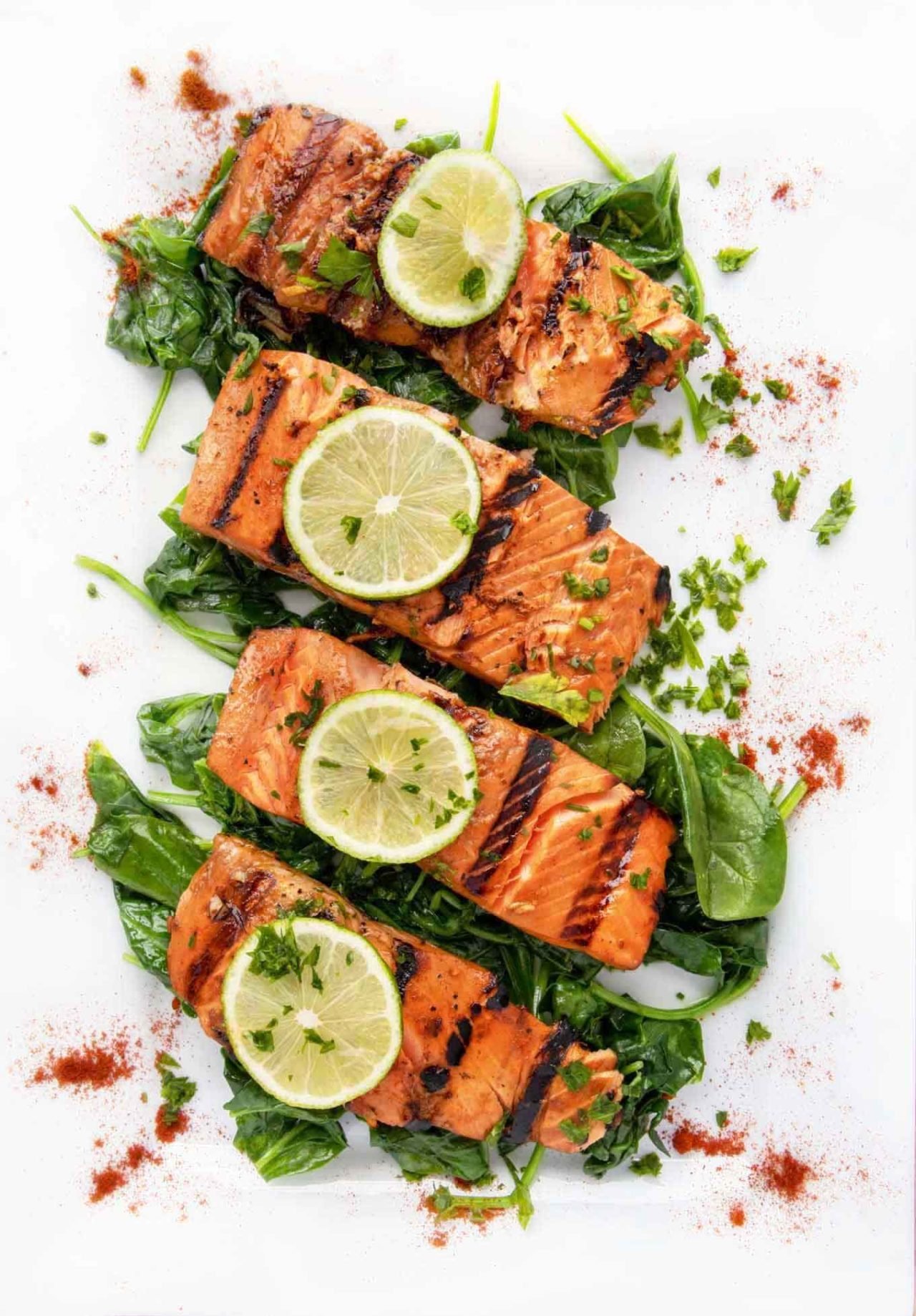
Credit: www.askchefdennis.com
Choosing The Right Salmon
Fresh, firm salmon with bright color works best for grilling. Choose fillets with minimal bones and smooth texture for an easy cook. Proper selection ensures a tasty, juicy grilled salmon every time.
Choosing the right salmon is key for a delicious grilled dish. Freshness and quality can make all the difference. Here’s a guide to help you pick the best salmon for grilling.
Types Of Salmon
There are several types of salmon available. Each has its unique flavor and texture. Common varieties include Atlantic, Chinook, and Coho. Atlantic salmon is widely available and has a mild taste. Chinook, or King salmon, is rich and buttery. Coho is leaner and has a delicate taste. Choose based on your flavor preference and availability.
Fresh Vs. Frozen
Both fresh and frozen salmon can be great choices. Fresh salmon often has a better texture and taste. It is ideal if available locally and in season. Frozen salmon can be just as good if handled properly. Look for vacuum-sealed packages to ensure quality. Thaw it slowly in the refrigerator before grilling.
Selecting Quality Fillets
Quality matters when selecting salmon fillets. Look for firm flesh and vibrant color. The fillet should smell fresh, not fishy. Check for any signs of discoloration or dryness. Avoid fillets with brown spots or dull edges. These may indicate poor handling or age. Always choose fillets that are evenly cut for even cooking.
Essential Tools And Ingredients
Grilling salmon requires a few key tools and ingredients to ensure a delicious result. Having the right equipment makes cooking easier and safer. The right ingredients bring out the natural flavors of the fish. Both tools and ingredients work together to create a perfect grilled salmon dish.
Grill Options
Choose a grill that fits your space and style. Charcoal grills add smoky flavor. Gas grills heat quickly and offer easy control. Electric grills work well indoors or small patios. A clean grill grate helps prevent sticking. Use a fish basket or grill mat for delicate fillets.
Must-have Seasonings
- Salt: Enhances the salmon’s natural taste.
- Black pepper: Adds a mild spicy kick.
- Lemon zest: Brightens flavor with citrus notes.
- Garlic powder: Offers a subtle, savory depth.
- Dill or parsley: Fresh herbs for aroma and color.
Recommended Marinades
| Marinade | Main Ingredients | Flavor Profile |
|---|---|---|
| Simple Lemon Herb | Lemon juice, olive oil, garlic, dill | Fresh, light, and zesty |
| Maple Soy | Maple syrup, soy sauce, ginger, garlic | Sweet and savory |
| Spicy Cajun | Cajun seasoning, olive oil, paprika, cayenne | Bold and smoky with heat |
Preparing The Salmon
Preparing salmon for grilling sets the foundation for a tasty meal. It ensures the fish cooks evenly and absorbs flavors well. Each step helps enhance the texture and taste of the salmon. Follow these simple techniques to get the best results.
Cleaning And Patting Dry
Start by rinsing the salmon under cold water. Remove any scales or bones you feel. Use paper towels to pat the fish dry. Drying the surface helps the marinade stick better. It also prevents the salmon from steaming on the grill.
Applying Marinade Or Rub
Choose a marinade or dry rub that suits your taste. Use a brush or your hands to spread it evenly. Cover both sides of the salmon well. A good marinade adds moisture and flavor. Dry rubs create a nice crust when grilled.
Letting It Rest
Allow the salmon to sit with the marinade or rub for at least 15 minutes. Resting lets the flavors soak into the fish. Keep it covered in the fridge during this time. This step makes the salmon more flavorful and tender when grilled.
Grilling Techniques
Grilling salmon requires specific techniques to enhance flavor and texture. Proper grilling methods prevent the fish from sticking or drying out. Following simple steps ensures juicy, tender salmon with a smoky char.
Preheating The Grill
Start by heating the grill to medium-high heat. A hot grill sears the salmon, locking in moisture. Preheat for at least 10 minutes before placing the fish. Clean the grates well to avoid sticking.
Direct Vs. Indirect Heat
Direct heat cooks salmon quickly over flames or hot coals. It creates a crispy outside and tender inside. Use indirect heat for thicker fillets to cook evenly without burning. Place fish away from direct flames and close the lid.
Using Grill Baskets Or Foil
Grill baskets keep delicate salmon intact and make flipping easier. Foil packets trap steam, keeping salmon moist and flavorful. Both methods reduce the risk of fish falling apart. Add herbs or lemon slices inside foil for extra taste.
Cooking Times And Temperatures
Mastering cooking times and temperatures is key to grilling salmon that’s juicy and flavorful. Grill it too hot or too long, and it dries out; too cool or short, and it can be undercooked. Understanding the right balance helps you nail the perfect texture and taste every time.
Ideal Grill Temperature
Set your grill between 375°F and 400°F (190°C to 205°C). This range gives the salmon a nice sear without burning the outside. If your grill is too hot, the fish may char quickly but stay raw inside.
I once grilled salmon at a very high temperature, hoping for a quick cook. The outside was burnt, but the center was still raw—definitely not the result I wanted. Keeping the heat moderate gives you control and even cooking.
How Long To Grill
Salmon fillets usually take about 4 to 6 minutes per sideon a medium-high grill. Thicker cuts may need a minute or two longer.
Use this simple rule: grill salmon 8-10 minutes per inch of thickness. Remember, the time can vary depending on your grill and the size of your fillet.
Checking For Doneness
How do you know when your salmon is perfectly grilled? Look for these signs:
- The flesh turns opaque and light pink all the way through.
- It flakes easily with a fork but still feels moist.
- Internal temperature reaches 125°F to 130°F (52°C to 54°C)for medium doneness.
A quick poke with a fork can reveal if the layers separate easily. If you’re unsure, a digital meat thermometer is the most reliable tool to avoid overcooking. Do you rely more on sight and touch, or do you trust your thermometer?
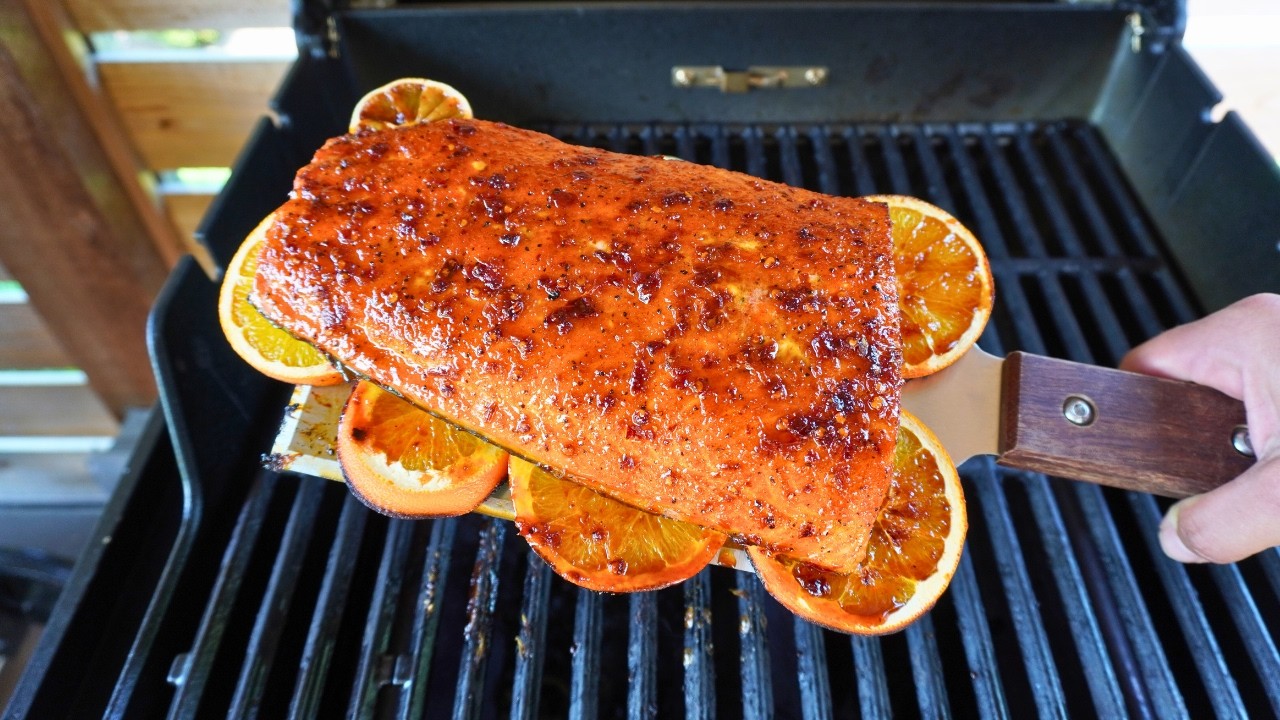
Credit: www.youtube.com
Serving Suggestions
Serving grilled salmon is more than just placing it on a plate. The right touches can lift the flavor and make your meal memorable. This section covers simple garnishes, sauces, sides, and presentation tips. These ideas help you serve salmon that looks and tastes great.
Garnishes And Sauces
Fresh herbs add color and flavor. Try dill, parsley, or chives. Lemon wedges bring brightness and balance the richness of salmon. A light drizzle of olive oil or a sprinkle of sea salt enhances taste.
Sauces add moisture and extra flavor. Classic choices include:
- Tartar sauce
- Garlic butter sauce
- Honey mustard glaze
- Fresh salsa with tomatoes and onions
- Avocado crema for creaminess
Side Dishes That Pair Well
Choose sides that complement salmon’s rich, smoky taste. Fresh salads with vinaigrette bring a crisp contrast. Roasted vegetables like asparagus, zucchini, or bell peppers add earthiness.
Rice or quinoa provide a simple, filling base. Mashed potatoes or sweet potato fries offer comfort and sweetness. Grilled corn or a light couscous salad also work well.
Presentation Tips
Use a clean, white plate to make colors pop. Place the salmon slightly off-center for a stylish look. Arrange sides neatly around the fish.
Top salmon with herbs or a lemon slice for a fresh finish. Serve sauces in small ramekins or drizzle lightly on top. Keep the plate free of spills or smudges for a polished appearance.
Troubleshooting Common Issues
Grilling salmon can be straightforward, but certain issues often trip up even seasoned cooks. Knowing how to handle these common problems will help you get that perfect, flavorful fillet every time. Let’s tackle the most frequent challenges you might face on your grilling journey.
Preventing Sticking
Sticking is one of the biggest frustrations when grilling salmon. A simple trick is to make sure your grill grates are clean and well-oiled before you start. You can use a folded paper towel dipped in oil and tongs to rub the grates carefully.
Also, pat your salmon dry with a paper towel before seasoning. Moisture can cause sticking, so this step is crucial. Finally, don’t try to flip the salmon too early; give it time to develop a natural crust that releases easily.
Avoiding Overcooking
Overcooked salmon becomes tough and loses its delicate flavor. Use a thermometer to check for doneness—aim for an internal temperature of 125°F (52°C) for medium-rare. If you don’t have a thermometer, watch for the salmon to become opaque and flaky but still moist inside.
Remember, the salmon will continue cooking a little after you remove it from the grill. Pull it off just before it looks fully done to avoid drying it out. Have you noticed how fast the cooking process can sneak up on you?
Fixing Dry Salmon
Dry salmon can happen if it’s overcooked or cooked at too high a temperature. To rescue it, try brushing the fillet with a little olive oil, melted butter, or a citrus glaze right after grilling. This adds moisture and flavor back into the fish.
Next time, consider grilling salmon skin-side down over indirect heat to keep it moist. Using marinades or a simple brine before grilling also helps lock in moisture. What’s your favorite way to keep salmon juicy?

Credit: www.acouplecooks.com
Frequently Asked Questions
How Long Should You Grill Salmon?
Grill salmon for 4-6 minutes per side, depending on thickness. The fish is done when it flakes easily with a fork.
What Temperature Is Best For Grilled Salmon?
Grill salmon over medium-high heat, around 375-400°F (190-204°C). This temperature ensures a crispy outside and moist inside.
Should You Marinate Salmon Before Grilling?
Marinating salmon enhances flavor and keeps it moist. Use a simple marinade with olive oil, lemon, garlic, and herbs for 15-30 minutes.
How Do You Prevent Salmon From Sticking To The Grill?
Oil the grill grates and salmon before cooking. Also, avoid moving the fish too early to ensure easy flipping.
Conclusion
Grilled salmon cooks fast and tastes delicious. You only need a few simple steps. Fresh salmon, good heat, and a little seasoning make a big difference. Serve it with your favorite sides for a healthy meal. Enjoy the smoky flavor and tender texture every time.
Try grilling salmon soon and see how easy it is. Simple, tasty, and good for you. Perfect for any day or special meal. Give it a try and enjoy your cooking!