
Your kitchen sink mat works hard every day, catching crumbs, spills, and stains. But when was the last time you gave it a proper clean?
Keeping your sink mat spotless isn’t just about looks—it helps prevent odors, bacteria, and mold from building up. If you want your kitchen to feel fresh and stay hygienic, learning how to clean your sink mat the right way is a must.
You’ll discover simple, effective steps to make your kitchen sink mat look and smell like new again. Keep reading, and say goodbye to grime for good!
Why Clean Sink Mats Regularly
Kitchen sink mats often get overlooked. Yet, they are essential in maintaining cleanliness. Regular cleaning prevents germs and dirt. They can affect your health and kitchen environment. A clean sink mat keeps your kitchen fresh and safe.
Preventing Bacteria Build-up
Dirty sink mats are breeding grounds for bacteria. Wet and dirty surfaces attract microbes. These can lead to infections or health problems. Cleaning removes these harmful bacteria. It keeps your kitchen safe for food preparation.
Maintaining Sink Hygiene
A clean sink mat ensures a hygienic kitchen. It prevents unpleasant odors. Dirty mats can emit bad smells. These are caused by trapped food particles and moisture. Regular cleaning eliminates these issues. It keeps your kitchen smelling fresh.
Extending Mat Lifespan
Cleaning extends the life of your sink mat. Dirt and grime can damage the material. This makes mats wear out faster. Regular washing keeps them in good condition. It saves money on replacements. A well-maintained mat lasts longer and works better.

Credit: www.amazon.ca
Types Of Kitchen Sink Mats
Kitchen sink mats protect your sink from scratches and damage. They also help keep dishes safe while washing. Various materials create these mats, each with unique benefits. Understanding the types helps you clean them better and choose the right one.
Rubber Mats
Rubber mats are durable and flexible. They offer excellent grip, preventing dishes from slipping. Cleaning rubber mats is simple with soap and water. They dry quickly and resist mold well.
Silicone Mats
Silicone mats are soft and heat-resistant. They bend easily for easy cleaning and storage. Silicone resists stains and odors better than rubber. Washing with warm water and mild detergent works best.
Plastic And Vinyl Mats
Plastic and vinyl mats are lightweight and affordable. They come in various colors and designs. These mats need gentle cleaning to avoid damage. Use a soft cloth and mild soap for best results.
Daily Cleaning Tips
Keeping your kitchen sink mats clean every day can save you from bigger scrubbing sessions later. Small efforts like rinsing, wiping, and drying regularly prevent grime buildup and keep your mats fresh. These daily habits not only extend the life of your mats but also maintain a hygienic kitchen environment.
Rinsing After Use
After each use, rinse your sink mat with warm water. This simple step washes away food particles and soap residue that can cause stains or odors. Make it a habit to do this right after washing your dishes to stop dirt from settling in.
Wiping Down With Soap
Grab a sponge or cloth and add a small amount of dish soap. Gently scrub your mat to remove grease and leftover debris. This quick wipe prevents bacteria growth and keeps your mat looking clean without much effort.
Drying Properly
After rinsing and wiping, dry your mat thoroughly before placing it back in the sink. Leaving it wet can lead to mold or mildew buildup. You can air dry it by hanging or use a towel to speed up the process—either way, make sure no moisture remains trapped underneath.

Credit: www.rotinrice.com
Deep Cleaning Methods
Kitchen sink mats collect dirt, grime, and bacteria over time. Deep cleaning helps remove built-up residue and keeps mats fresh. Use simple household items for effective cleaning. These methods restore cleanliness and extend mat life.
Soaking In Vinegar Solution
Fill a basin with equal parts white vinegar and warm water. Submerge the sink mat completely. Let it soak for 30 to 60 minutes. Vinegar breaks down mineral deposits and kills germs. After soaking, rinse the mat with clean water. Air dry before placing it back in the sink.
Using Baking Soda Scrub
Sprinkle baking soda over the wet mat surface. Use a soft brush or sponge to scrub gently. Focus on stained or sticky areas. Baking soda removes odors and lifts dirt. Rinse the mat thoroughly with warm water. Dry the mat well to prevent mold growth.
Disinfecting With Bleach
Prepare a diluted bleach solution with 1 tablespoon of bleach per 1 gallon of water. Soak the mat in the solution for 5 to 10 minutes. This kills bacteria and mildew effectively. Avoid soaking too long to protect the mat material. Rinse the mat several times with water. Let the mat air dry completely before use.
Machine Washing Sink Mats
Machine washing sink mats is a simple and effective way to keep them clean. This method removes grime, bacteria, and food particles trapped in the mats. It saves time and effort compared to hand washing. Follow a few easy steps for the best results and to protect your mats.
Preparation Before Washing
Start by shaking the mats outdoors to remove loose debris. Check for any large food scraps stuck in the holes. Use a soft brush or cloth to wipe off stubborn dirt. Avoid mats with metal parts that might rust in the machine. If mats have a strong odor, soak them briefly in warm water with mild detergent before washing.
Choosing The Right Cycle
Set your washing machine to a gentle or delicate cycle. Use cold or warm water to prevent damage to the mats. Add a mild detergent that is safe for delicate fabrics. Avoid bleach or harsh chemicals that can weaken the material. Washing mats alone or with towels prevents snagging or tangling.
Drying After Machine Wash
Remove mats promptly after washing to avoid mildew. Shake off excess water before drying. Lay mats flat on a clean surface or hang them to air dry. Avoid direct sunlight, which can cause fading or warping. Do not use a dryer, as high heat can damage the mats’ rubber or plastic parts.
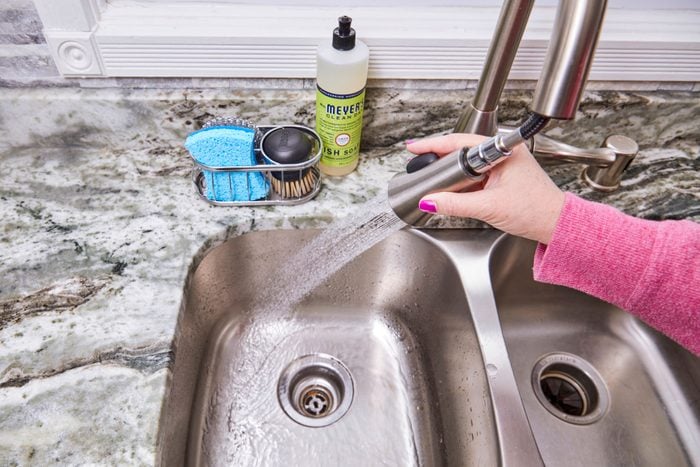
Credit: www.rd.com
Preventing Odors And Stains
Preventing odors and stains in kitchen sink mats keeps your kitchen fresh and clean. Sink mats often trap food particles and moisture. These conditions create bad smells and visible stains. Taking simple steps stops these problems from growing. Clean mats last longer and look better.
Regular Cleaning Routine
Clean sink mats regularly to avoid buildup. Rinse mats after every use with warm water. Wash mats weekly using mild soap and a soft brush. Let mats dry completely before placing them back in the sink. This routine prevents mold and bacteria growth.
Avoiding Food Residue
Remove leftover food from dishes before placing them on the mat. Use a paper towel or brush to clear crumbs and scraps. Avoid letting sticky or oily foods sit on the mat. Food residue causes stains and bad odors. Keeping the mat clear helps maintain cleanliness.
Using Natural Deodorizers
Natural deodorizers freshen mats without harsh chemicals. Sprinkle baking soda on the mat, then scrub gently. Baking soda absorbs odors and cleans stains. Rinse mats well after scrubbing. Lemon juice also works to remove smells. Dab lemon juice on mats, wait a few minutes, then rinse.
Replacing Sink Mats
Replacing kitchen sink mats is an essential part of maintaining a clean and functional kitchen space. Over time, sink mats can become worn out, harbor bacteria, or lose their protective qualities. Knowing when and how to replace them ensures your sink stays hygienic and your dishes stay protected.
Signs Of Wear And Tear
Look closely at your sink mat for cracks, holes, or discoloration. These signs often mean the mat is no longer effective in protecting your sink or dishes. If you notice a persistent bad odor despite regular cleaning, it’s a clear indication that bacteria have settled in the mat’s crevices.
Have you ever found small bits of food stuck in your mat that just won’t come out? That’s a red flag too. When your mat shows these signs, it’s time to think about replacing it rather than just cleaning.
Choosing Durable Mats
Not all sink mats are created equal. Look for mats made from high-quality materials like silicone or heavy-duty rubber. These options resist stains and tears better than cheaper plastic mats.
Consider mats with antimicrobial properties. These help reduce bacteria growth, keeping your kitchen healthier. Also, check for mats with drainage holes or raised surfaces to promote quick drying and reduce mold buildup.
- Choose mats that fit your sink size to avoid slipping.
- Opt for mats that are easy to clean and dishwasher safe.
- Look for customer reviews that mention durability and longevity.
Proper Disposal
Once you decide to replace your sink mat, think about how to dispose of the old one responsibly. Many mats are made from synthetic materials that don’t biodegrade quickly. Check if your local recycling program accepts rubber or silicone products.
If recycling isn’t an option, cut the mat into smaller pieces before throwing it away to reduce its environmental impact. Some eco-friendly brands offer take-back programs for old mats, which can be a good option if you want to minimize waste.
How often do you pause to consider the environmental footprint of everyday kitchen items? Proper disposal helps you keep your kitchen clean and the planet healthier.
Frequently Asked Questions
How Often Should I Clean Kitchen Sink Mats?
Clean kitchen sink mats at least once a week. Regular cleaning prevents bacteria buildup and keeps mats odor-free. More frequent cleaning is needed if mats get heavily soiled or stained.
What Is The Best Method To Clean Sink Mats?
Use warm soapy water and a soft brush to scrub sink mats. Rinse thoroughly and air dry. For deep cleaning, soak mats in vinegar and baking soda solution.
Can Kitchen Sink Mats Be Machine Washed?
Yes, many kitchen sink mats are machine washable. Use a gentle cycle with cold water and mild detergent. Avoid high heat drying to prevent mat damage.
How Do I Remove Odors From Kitchen Sink Mats?
Sprinkle baking soda on the mat and let it sit for 15 minutes. Rinse with warm water. Alternatively, soak the mat in vinegar for 30 minutes to neutralize odors.
Conclusion
Cleaning kitchen sink mats keeps your sink fresh and safe. Regular washing stops germs and bad smells. Use gentle soap and warm water for best results. Let mats dry fully before placing them back. Clean mats last longer and look better.
A small effort saves time and trouble later. Keep your kitchen healthy and neat every day. Simple steps make a big difference in cleanliness. Try these tips to care for your sink mats well.