
Designing your kitchen can feel overwhelming, but it doesn’t have to be. Imagine a space where everything flows smoothly—cooking becomes easier, cleaning is faster, and your kitchen feels inviting every time you walk in.
How do you get there? It all starts with the right layout. In this guide, you’ll discover simple, practical steps to plan your kitchen design so it fits your needs perfectly. By the end, you’ll know exactly how to create a kitchen that works for you and your lifestyle.
Ready to make your dream kitchen a reality? Let’s dive in.
Credit: www.kitchenaid.com
Kitchen Layout Styles
Choosing the right kitchen layout style shapes how you cook and move in the space. It sets the flow and functionality. Each style suits different room sizes and cooking habits. Understanding these styles helps create a practical and comfortable kitchen.
Single Wall
This layout places all cabinets and appliances on one wall. It saves space and works well in small homes. It keeps everything within reach but may limit counter space. Ideal for studios or open-plan areas.
Galley
Two parallel walls face each other with a walkway in between. It offers plenty of counter space and storage. This style makes cooking efficient but can feel narrow. Best for small to medium kitchens.
L-shaped
Cabinets and appliances form an “L” along two walls. It opens the room and provides good workspace. This design fits corners and keeps the kitchen open to other rooms. Suitable for most kitchen sizes.
U-shaped
Three walls of cabinets create a “U” shape. It gives maximum storage and counter space. This layout keeps everything close but may feel enclosed. Perfect for larger kitchens with enough room to move.
Island And Peninsula
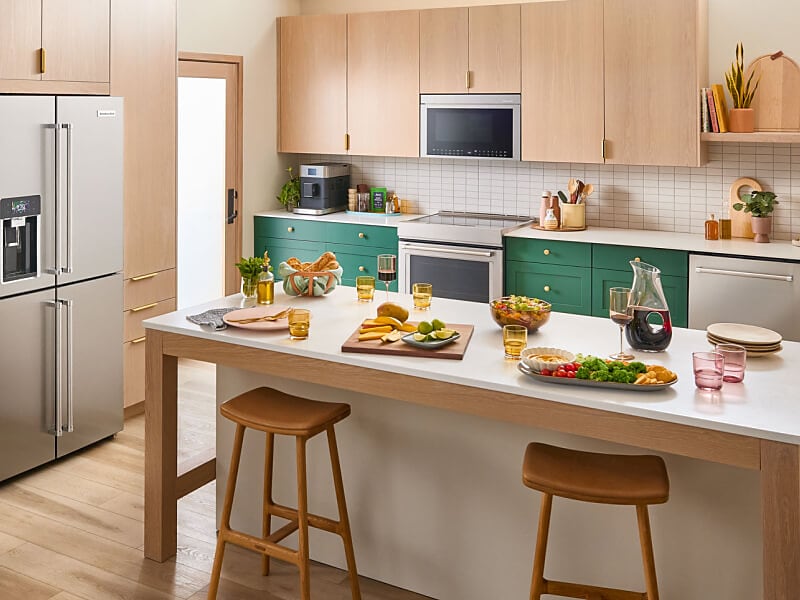
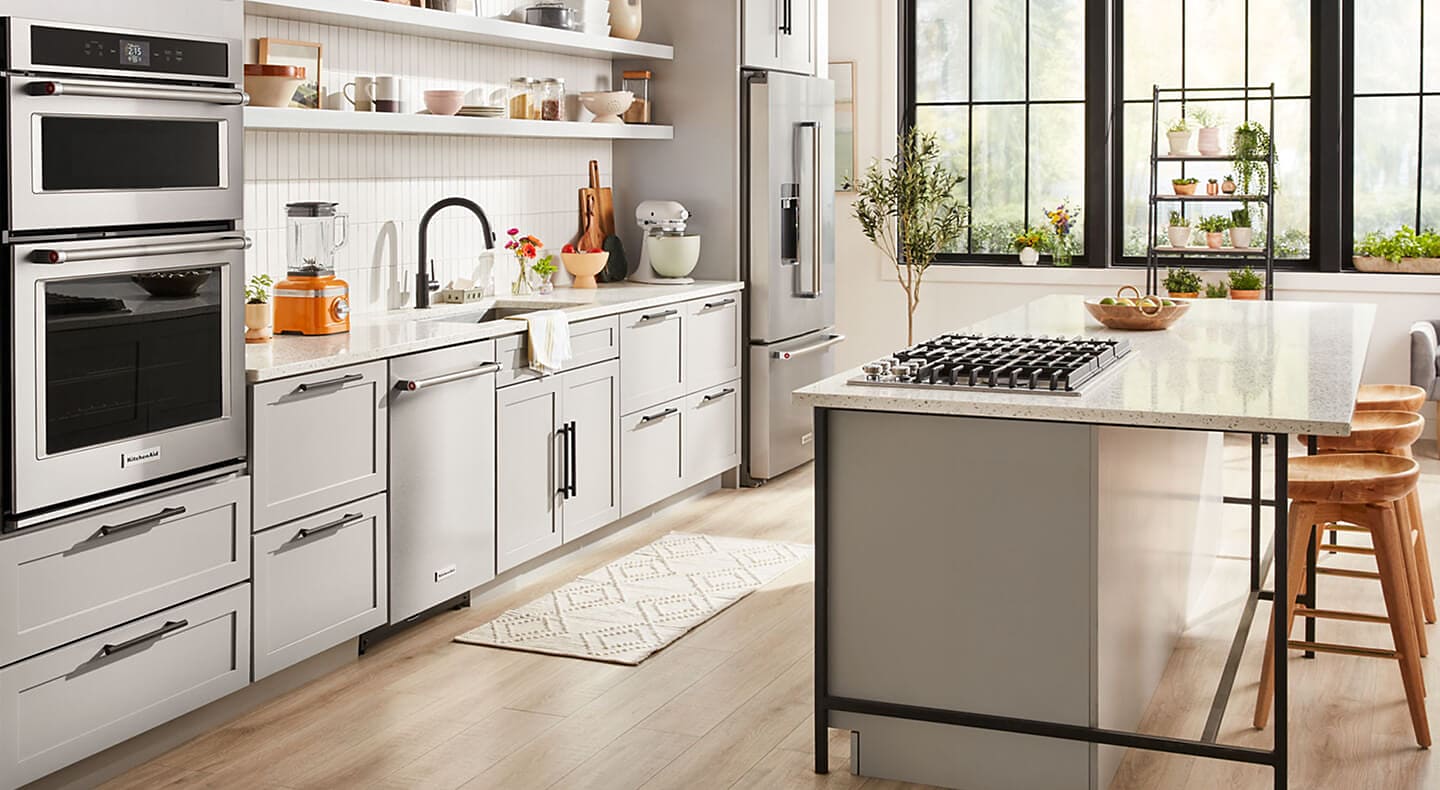
An island stands alone in the center for extra workspace. A peninsula connects to a wall or cabinet, extending the counter. Both add more prep area and storage. They work well in spacious kitchens and encourage social cooking.
Credit: www.kitchenaid.com
Work Triangle Essentials
The work triangle is the core of a practical kitchen design. It links the sink, stove, and refrigerator, making cooking efficient. A well-planned triangle saves steps and cuts down cooking time.
Each point must be easy to reach without obstacles. The paths between points should be clear and smooth. The triangle should not be too large or too small.
Sink Placement
The sink is the kitchen’s cleaning center. Place it near the dishwasher for quick unloading. Keep it close to the cooking area for easy food prep. Avoid spots that block traffic or workspace.
Stove Positioning
Put the stove where ventilation is strong. It should have enough counter space on both sides. This space holds cooking tools and ingredients. Avoid placing the stove near the refrigerator to prevent heat loss.
Refrigerator Location
The fridge should be easy to open and access. It works best near the kitchen entrance. This setup helps with unloading groceries quickly. Keep it away from heat sources to save energy.
Maximizing Storage
Smart kitchen design enhances storage by organizing cabinets and drawers efficiently. Utilize vertical space for additional shelving. Prioritize frequently used items within easy reach.
Maximizing storage in your kitchen can make your cooking experience much smoother. A well-organized kitchen saves time and reduces stress. Understanding different storage options helps you create a functional space. From cabinets to shelves, every choice matters.
Cabinet Types
Cabinets are the backbone of kitchen storage. Choose types that fit your needs.
- Base Cabinets:Ideal for heavy pots and pans.
- Wall Cabinets:Good for lighter items, like dishes and glasses.
- Tall Cabinets:Perfect for brooms or pantry storage.
- Corner Cabinets:Make use of awkward spaces efficiently.
Different configurations provide unique solutions. Pull-out shelves help reach deep spaces. Lazy Susans prevent items from getting lost.
Pantry Solutions
A pantry is essential for organized food storage. It can be a small closet or a full room.
- Pull-out Pantries:Easy access to food items.
- Freestanding Pantries:Add storage without major changes.
- Built-in Pantries:Seamless look with ample space.
Use baskets and bins to categorize items. Labels help you find things quickly.
Open Shelving
Open shelving offers both storage and style. It’s great for displaying dishes and decor.
- Floating Shelves:Modern and minimalistic look.
- Braced Shelves:More support for heavier items.
- Corner Shelves:Maximize unused wall space.
Keep items minimal on open shelves. This avoids clutter and keeps it neat.
Optimizing Counter Space
Optimizing counter space is crucial in kitchen design because it directly impacts how efficiently you can work. Limited counter space can make cooking frustrating, while a well-planned layout helps you stay organized and speeds up meal preparation. Think about how you use your counters daily and design around those habits.
Preparation Zones
Creating designated preparation zones can make your kitchen workflow smoother. Dedicate areas for chopping vegetables, mixing ingredients, and assembling dishes. Keep knives, cutting boards, and mixing bowls close to these zones to avoid unnecessary movement.
Consider setting up a small herb garden or spice rack nearby to add freshness without cluttering your workspace. Have you noticed how easy it is to get distracted when your tools are scattered? Organizing prep zones helps keep your focus where it matters.
Appliance Placement
Position appliances strategically to free up counter space and improve accessibility. Built-in ovens and microwaves can save surface area, while placing frequently used gadgets like coffee makers or toasters in a corner prevents them from taking over the main workspace.
Think about your daily routine: which appliances do you use most? Placing them near your preparation zones can save time and reduce clutter. Have you tried relocating an appliance only to find your kitchen feels larger and more open?
Multi-functional Surfaces
Surfaces that serve more than one purpose can dramatically increase your counter usability. For example, a countertop with a built-in cutting board or a pull-out workspace can give you extra room when you need it and tuck away when you don’t.
Is your kitchen missing a spot that adapts to different tasks? Adding a movable island or a fold-down counter can provide flexibility without permanent space sacrifice. These solutions make your kitchen feel bigger and more versatile.
Lighting Strategies
Lighting can make or break your kitchen design. It affects how you feel in the space and how well you perform tasks. You want a kitchen that looks great and works well at all times of the day.
Task Lighting
Task lighting is essential for areas where you prepare food or clean. Under-cabinet lights are a popular choice because they shine directly onto countertops without casting shadows. Consider LED strips or puck lights to keep your workspaces bright and safe.
Have you noticed how dim lighting slows you down when chopping or reading recipes? Adding focused task lighting can solve that instantly and reduce eye strain.
Ambient Lighting
Ambient lighting sets the overall mood and helps you navigate the kitchen comfortably. Ceiling-mounted fixtures, recessed lights, or a central pendant can provide even, soft illumination. Choose bulbs with a warm color temperature to create a cozy atmosphere.
Think about your kitchen’s size and shape—what type of ambient light will fill it without creating harsh spots or dark corners? Layering your light sources here can give you control over brightness throughout the day.
Accent Lighting
Accent lighting highlights architectural features or decor elements, adding depth to your kitchen design. Use small spotlights to draw attention to open shelves, artwork, or a stylish backsplash. This kind of lighting can turn ordinary spaces into eye-catching focal points.
What parts of your kitchen deserve a little extra spotlight? Adding accent lights can make your space feel custom and inviting without overwhelming the main tasks.
Traffic Flow And Accessibility
Traffic flow and accessibility are the backbone of a functional kitchen design. How easily you move around your kitchen affects every cooking session and family gathering. Planning this well means fewer bumps, less stress, and more enjoyable time in your kitchen.
Clear Pathways
Clear pathways keep your kitchen safe and efficient. Aim for at least 36 inches of walking space between counters and islands to avoid feeling cramped. Think about how you move from the fridge to the stove and sink—can you do it smoothly without obstacles?
Imagine trying to carry a hot pan while dodging a swinging door or a cluttered counter. It’s risky and frustrating. Make sure doors open fully and don’t block your walking paths.
Universal Design
Universal design means creating a kitchen that anyone can use easily, regardless of age or ability. Adjustable countertops, pull-out shelves, and easy-to-reach storage make a big difference. Have you ever struggled to reach a high cabinet or bend too low for a pot?
Adding lever handles instead of knobs helps those with limited hand strength. Wide doorways and open layouts accommodate wheelchairs or walkers without extra hassle. This thoughtful design makes your kitchen welcoming for all guests and family members.
Child-friendly Features
Design your kitchen with kids in mind to keep everyone safe and happy. Lower drawers for their snacks and utensils let children help in cooking without climbing or reaching dangerously. Adding safety locks on cabinets with sharp tools is a must-have.
Consider a small step stool that tucks away easily, so kids can reach the counter safely. What if your child could join you at the kitchen island, learning and playing, without getting in the way? Designing for their needs makes your kitchen a true family space.
Choosing Materials And Finishes
Choosing the right materials and finishes for your kitchen design shapes both its look and function. These choices affect how long your kitchen lasts, how easy it is to clean, and how comfortable it feels to cook and gather in. Paying attention to durability, style, and upkeep can save you time and money while creating a space you truly enjoy.
Durability Considerations
Think about how much wear and tear your kitchen will face daily. Surfaces like countertops need to resist scratches, heat, and stains. Materials such as quartz, granite, and solid wood offer strong durability while still looking great.
Cabinet finishes should handle moisture and frequent cleaning without peeling or fading. Matte finishes can hide fingerprints better than glossy ones, which may be a smart choice if you have kids or pets. Ask yourself: how much time do you want to spend fixing or replacing parts of your kitchen?
Aesthetic Choices
Your kitchen’s style sets the mood for the whole home. Choose colors and textures that match your personality and the rest of your space. Light wood tones create warmth, while sleek metal or glass add a modern edge.
Mixing different finishes can add depth, like pairing matte cabinets with shiny hardware. Don’t be afraid to try bold colors or patterns in small areas to make the design pop. What colors make you feel relaxed or energized when cooking?
Maintenance Tips
Consider how much cleaning each material requires. Glossy surfaces show smudges quickly but wipe clean easily. Rough or textured finishes may hide dirt but need more effort to scrub.
Choose materials that suit your lifestyle. If you cook often, stain-resistant countertops and sealed wood floors are practical. Regularly resealing stone surfaces can keep them looking new longer. What cleaning routines fit into your daily habits without feeling like a chore?
Incorporating Technology
Adding technology to your kitchen design can transform how you cook, clean, and even entertain. It’s not just about having the latest gadgets; it’s about making your space more efficient, comfortable, and tailored to your lifestyle. Think about how technology can simplify daily tasks and bring convenience right to your fingertips.
Smart Appliances
Smart appliances are more than just cool gadgets; they make your kitchen run smoother. Imagine a refrigerator that alerts you when you’re low on milk or an oven you can preheat from your phone. These appliances save time and reduce stress, especially when juggling a busy schedule.
Look for features like voice control, app integration, and energy usage tracking. These tools help you stay organized and efficient. Have you ever thought about how much easier your cooking routine could be with a smart assistant guiding you step-by-step?
Lighting Controls
Lighting sets the mood and affects how well you see while working in the kitchen. With smart lighting controls, you can adjust brightness and color temperature based on the time of day or task at hand. This means brighter lights for meal prep and softer, warmer tones for dining.
Consider installing motion sensors or voice-activated switches to save energy and add convenience. You don’t have to fumble for switches when your hands are full. How much difference could customizable lighting make to your kitchen’s comfort and functionality?
Energy Efficiency
Technology plays a big role in cutting down your kitchen’s energy use. Smart meters and energy-efficient appliances help you monitor and reduce electricity consumption. This not only lowers bills but also supports a greener lifestyle.
Look for Energy Star ratings and smart plugs that turn off devices when not in use. Small changes add up to big savings over time. Could paying attention to energy use in your kitchen lead to unexpected benefits beyond just saving money?
Budgeting And Timeline
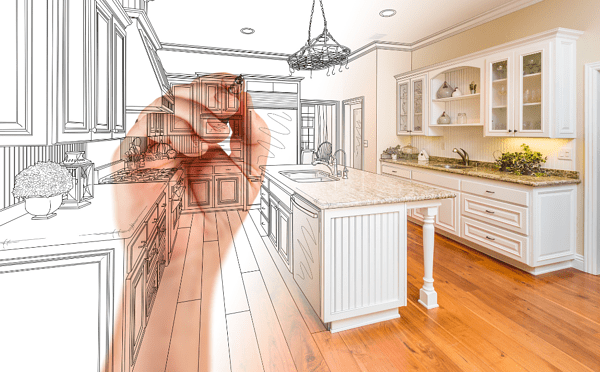
Setting a clear budget and timeline is essential for a smooth kitchen design process. It helps manage costs and keeps the project on track. Planning these early can reduce stress and avoid surprises.
Cost Estimates
Start by listing all potential expenses. Include cabinets, appliances, countertops, flooring, and labor. Research prices online or visit stores to get accurate numbers. Always add 10-15% extra for unexpected costs. This buffer covers delays or changes during the project.
Prioritizing Features
Decide which parts of your kitchen are most important. Focus on quality for key items like appliances or cabinets. Less critical features can have simpler, cheaper options. This balance keeps the budget reasonable while meeting your needs.
- Must-have appliances
- Durable countertops
- Storage solutions
- Lighting and fixtures
Project Scheduling
Set a realistic timeline for each phase. Include ordering materials, demolition, installation, and finishing work. Communicate regularly with contractors to track progress. Plan for some delays, especially with custom orders. A clear schedule helps avoid rushing and mistakes.
Credit: www.mkdkitchenandbath.com
Frequently Asked Questions
What Is The Best Kitchen Layout For Small Spaces?
The best kitchen layout for small spaces is the L-shape or galley design. These maximize efficiency and storage. They keep the work triangle tight, making cooking easier. Compact layouts save space without sacrificing functionality or style.
How Do I Plan An Efficient Kitchen Work Triangle?
An efficient kitchen work triangle connects the sink, stove, and refrigerator. Keep each side between 4 and 9 feet. Avoid obstacles in this path to reduce movement. This layout improves workflow and cooking speed.
What Factors Affect Kitchen Countertop Placement?
Countertop placement depends on workspace needs, appliance locations, and traffic flow. Place prep areas near the sink and stove. Ensure enough clearance for safe cooking. Proper countertop positioning boosts kitchen usability and comfort.
How Much Space Is Needed Between Kitchen Cabinets?
A minimum of 15 inches of clearance is recommended between cabinets and appliances. For walkways, allow 36 inches for one cook and 48 inches for multiple cooks. Adequate spacing prevents crowding and improves kitchen safety.
Conclusion
A good kitchen design makes cooking and cleaning easier. Plan the layout to fit your space well. Think about where to put appliances and storage. Keep the work triangle in mind for smooth movement. Choose materials that last and look nice.
A simple, clear design helps everyone enjoy the kitchen. Take your time and adjust as needed. Your kitchen can be both practical and welcoming. Small changes can make a big difference. Start with a solid plan and build from there.