
Are you wondering if a rug belongs in your kitchen? You’re not alone.
A kitchen rug can add comfort and style, but it also comes with challenges you might not expect. Before you decide, it’s important to weigh the benefits against the potential downsides. Keep reading to discover how a rug could transform your kitchen—and what you need to know to make the best choice for your home.
Benefits Of Kitchen Rugs
Kitchen rugs bring several benefits to your cooking space. They offer more than just decoration. Rugs improve comfort, style, and protection in the kitchen area. Choosing the right rug can make daily tasks easier and your kitchen more inviting.
Enhancing Comfort While Cooking
Standing on hard floors for long periods causes tired feet and sore legs. A kitchen rug softens the surface underfoot. It provides cushioning that reduces fatigue. This helps you cook and clean with less discomfort.
Adding Style And Warmth
Rugs add color and texture to a plain kitchen floor. They create a cozy feeling in the room. Rugs can match your kitchen décor or introduce new patterns. This makes your kitchen feel more welcoming and lively.
Protecting Floors From Damage
Kitchen floors face spills, stains, and scratches. A rug acts as a barrier against these problems. It absorbs spills before they reach the floor. Rugs also prevent scratches from dropped utensils or heavy foot traffic.

Credit: www.tasteofhome.com
Choosing The Right Rug Material
Choosing the right rug material for your kitchen is key to balancing style, comfort, and practicality. The kitchen is a high-traffic zone where spills and messes happen regularly. Picking a material that can handle these challenges will save you time and keep your space looking fresh.
Durable Fibers For High Traffic
Your kitchen rug needs to withstand constant foot traffic without wearing out quickly. Materials like nylon and polypropylene are excellent choices because they resist abrasion and maintain their appearance over time.
Wool is another durable option that offers natural stain resistance and softness underfoot. If you have pets or kids running around, these fibers can take the daily hustle and bustle while adding warmth to your kitchen floor.
Easy-to-clean Options
Spills are inevitable in the kitchen, so easy cleaning is a must. Look for rugs made from synthetic fibers like polyester or olefin, which dry quickly and can be spot cleaned with minimal effort.
Flatweave rugs also shine here—they don’t trap dirt and crumbs as much as plush options do. You might ask yourself, how often am I willing to wash or clean this rug? Your answer will guide you to the right fabric.
Water-resistant And Non-slip Features
Water resistance protects your rug from stains and mold caused by kitchen spills. Materials like vinyl or rugs with a waterproof backing are smart picks to keep moisture at bay.
Equally important is non-slip functionality to prevent accidents on slippery kitchen floors. Choose rugs with rubber or latex backing, or add a non-slip pad underneath to keep it firmly in place while you cook and move around.
Ideal Rug Sizes And Shapes
Choosing the right rug size and shape is key for kitchen comfort and style. The rug should fit the space without blocking doors or appliances. It should allow easy movement and add warmth to the kitchen floor. Different kitchen layouts need different rug solutions.
Fitting Rugs Around Cabinets
Pick a rug that fits well around cabinets and counters. It should not cover cabinet doors or drawers. A rectangular rug works best here. Measure the area in front of the sink or stove. Leave at least 6 inches of space from the cabinets for easy cleaning.
Choose a rug that is wide enough to stand on comfortably. It should cover the main work area but not interfere with cabinet access.
Using Runners For Narrow Spaces
Narrow kitchens benefit from long, slim rugs called runners. Runners fit perfectly between counters or along walkways. They protect floors and add color without crowding the space.
Look for runners that are 2 to 3 feet wide and 6 to 10 feet long. This size fits most narrow kitchen paths. Place the runner where you stand most, like in front of the sink or stove.
Creating Zones With Layered Rugs
Layering rugs can define different areas in an open kitchen. Use a larger neutral rug as the base. Add a smaller, patterned rug on top to mark a cooking or dining zone.
This technique adds texture and interest. Make sure the layered rugs are slip-resistant. Keep sizes balanced: the smaller rug should be about two-thirds the size of the base rug.
Placement Tips For Kitchen Rugs
Placing a rug in your kitchen can add warmth, style, and functionality. However, the key is finding the perfect spot where it can enhance your space without getting in the way. Here are some placement tips to help you make the most of your kitchen rug.
Areas That Benefit Most
Consider placing a rug in high-traffic areas like in front of the sink or stove. These spots often require you to stand for extended periods, and a soft rug can alleviate strain on your feet. Additionally, placing a rug under the kitchen table can define the dining area and add a cozy touch.
Avoiding Safety Hazards
Safety should be a top priority when placing a rug in the kitchen. Ensure your rug has a non-slip backing to prevent accidents on slippery floors. It’s also wise to avoid placing rugs in areas where doors frequently open, as they can bunch up and create tripping hazards.
Maintaining Accessibility
Make sure the rug placement doesn’t block access to cabinets and appliances. You want to maintain a functional kitchen flow, where everything is easily reachable. Think about how you move around the kitchen and choose a spot that complements, rather than disrupts, your routine.
By considering these placement tips, you can enjoy both the aesthetic and practical benefits of a kitchen rug. Have you ever tried placing a rug in your kitchen, and if so, where did it work best for you?
Care And Maintenance
Keeping a rug in your kitchen can add warmth and style, but it also demands careful attention. Proper care and maintenance ensure your rug stays clean, fresh, and lasts longer despite the kitchen’s high traffic and frequent messes. Let’s look at how to keep your kitchen rug in top shape with simple, everyday habits.
Regular Cleaning Techniques
Vacuum your rug at least twice a week to remove crumbs and dust that settle quickly in the kitchen. Use a handheld vacuum or a vacuum with a gentle brush setting to avoid damaging the fibers. For deeper cleaning, shake the rug outside to dislodge dirt trapped within the weave.
Depending on the material, consider spot cleaning with mild detergent or a mixture of water and white vinegar. Always test a small hidden area first to make sure the colors won’t run or fade. Have you noticed how routine cleaning keeps your rug looking almost new, even in a busy kitchen?
Handling Spills Quickly
Spills are inevitable in the kitchen, but how fast you act can make all the difference. Blot spills immediately with a clean cloth or paper towel to absorb as much liquid as possible. Avoid rubbing, which can push stains deeper into the rug fibers.
For stubborn stains like wine or oil, use a gentle stain remover suitable for your rug type. If you catch the spill early, you prevent permanent damage and reduce odors. What’s your go-to trick for tackling kitchen spills before they ruin your rug?
Extending Rug Lifespan
Rotate your rug every few months to distribute wear evenly, especially in high-traffic kitchen areas. Place a non-slip rug pad underneath to prevent sliding and protect the floor beneath. This also adds cushioning, making it more comfortable to stand during long cooking sessions.
Consider washing your rug according to the manufacturer’s instructions, or have it professionally cleaned annually. Avoid exposing the rug to direct sunlight for long periods to prevent fading. Have you tried these simple steps to keep your kitchen rug looking fresh and durable?
Common Mistakes To Avoid
Adding a rug to your kitchen can enhance comfort and style. Avoid common mistakes to keep it practical and safe. These errors can cause damage, mess, or accidents. Awareness helps you choose wisely and enjoy your kitchen space.
Choosing The Wrong Material
Kitchen rugs face spills and heavy foot traffic. Avoid delicate fabrics that stain easily. Choose materials that are water-resistant and easy to clean. Natural fibers like cotton or synthetic blends work well. Thick rugs may trap dirt and moisture, causing damage.
Ignoring Slip Risks
Kitchens can get slippery. Rugs without non-slip backing increase fall risks. Use rugs with rubber or latex grips underneath. Place rug pads for extra stability. Avoid rugs that curl or bunch up. Safety should always come first.
Overcrowding The Space
Too many rugs clutter the kitchen and block movement. Keep the space open for easy walking. Use one or two rugs in key areas like in front of the sink. Large rugs can make the room look smaller. Balance style and function carefully.
Alternatives To Traditional Rugs
Traditional rugs can add warmth and style to your kitchen, but they might not always be the best fit for this high-traffic, often messy space. If you’re hesitant about committing to a full rug, there are several alternatives that offer comfort, protection, and easy maintenance without the drawbacks of a traditional rug. Let’s look at some practical options that might suit your kitchen better.
Using Mats And Runners
Mats and runners are great for covering specific areas like in front of the sink or stove where spills happen most. They’re usually easier to clean and lighter to move around compared to bulky rugs.
You can find mats with non-slip backing to keep you safe while cooking. Plus, many come in water-resistant materials that handle spills without staining. Have you tried a cushioned mat in your kitchen? It can make standing for long periods much more comfortable.
Cushioned Floor Pads
If comfort is your priority, cushioned floor pads designed for kitchens can reduce fatigue. These pads are often made from foam or gel and offer support where you stand the most.
They’re easy to wipe clean and less likely to trap crumbs or dirt. Imagine how much easier meal prep could be with a soft, supportive pad under your feet. Would you consider this over a traditional rug for everyday cooking?
Diy Rug Ideas
Creating your own kitchen floor covering can be both fun and budget-friendly. You might use old fabric scraps, durable vinyl, or even paint a stencil design directly on a washable mat.
This way, you get a custom look that fits your style and kitchen size perfectly. Plus, you control the materials, ensuring they’re easy to clean and resistant to wear. What creative materials do you have at home that could become a unique kitchen rug alternative?
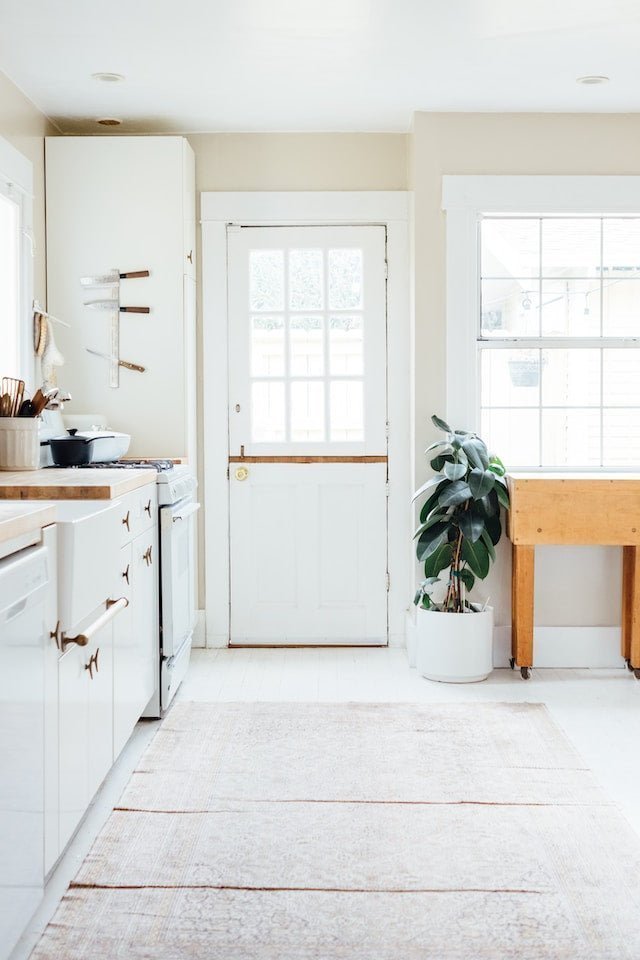
Credit: therugdecor.com

Credit: www.reddit.com
Frequently Asked Questions
Should I Put A Rug In The Kitchen For Comfort?
Yes, rugs add comfort by cushioning hard floors. They reduce fatigue during long cooking or cleaning sessions, making kitchen chores easier and more enjoyable.
What Type Of Rug Is Best For The Kitchen?
Choose low-pile, stain-resistant rugs made from durable materials like polypropylene or nylon. These rugs are easy to clean and withstand kitchen spills and traffic well.
Can Kitchen Rugs Prevent Slips And Falls?
Yes, rugs with non-slip backing can improve safety. They provide traction on slippery floors, reducing the risk of accidents in busy kitchen areas.
How Do I Clean And Maintain Kitchen Rugs?
Vacuum regularly and spot clean spills immediately. For deep cleaning, follow the rug’s care instructions or use professional cleaning services to keep it fresh and hygienic.
Conclusion
A rug can add comfort and style to your kitchen space. It helps reduce slipping and protects your floor from spills. Choose a rug that is easy to clean and fits your kitchen size well. Avoid thick rugs that may cause tripping.
Think about your kitchen’s look and how a rug fits in. A well-chosen rug makes cooking and cleaning more pleasant. Simple choices can make a big difference. Consider your needs and decide what works best for you.