
Choosing the right feeding spoon for your baby can feel overwhelming. You want something safe, comfortable, and easy to use—but with so many options, where do you start?
This guide will help you find the best baby feeding spoons that make mealtime smoother for both you and your little one. Keep reading to discover spoons designed to fit tiny mouths perfectly, stay gentle on sensitive gums, and even make cleanup a breeze.
Your baby’s first bites deserve the best tools, and we’re here to help you pick them.
Choosing The Right Baby Spoon
Choosing the right baby spoon is more than just picking a cute design. It impacts how your little one experiences mealtime and learns to eat independently. A well-chosen spoon makes feeding easier and safer for both you and your baby.
Material Matters
The material of the spoon affects safety, comfort, and durability. Silicone spoons are soft on delicate gums and gentle if your baby bites down hard. Stainless steel spoons last long but might feel cold and hard, which some babies dislike.
Plastic spoons are lightweight but check for BPA-free labels to avoid harmful chemicals. Have you noticed your baby’s reaction when trying different spoon materials? Their preference can guide your choice more than you think.
Spoon Size And Shape
The spoon’s size should fit comfortably in your baby’s mouth without causing gagging or discomfort. Smaller, shallow bowls help you control portion size, reducing mess and choking risks. Rounded edges make it easier for babies to scoop food and avoid hurting their mouths.
Try spoons with slightly angled handles—they can give you better control during feeding. What spoon size feels just right for your baby? Testing a few options might help you find the perfect fit.
Safety Features
Safety is non-negotiable when selecting baby spoons. Look for spoons with smooth, seamless edges to prevent scratches or cuts. Some spoons come with heat-sensitive tips that change color if the food is too hot, protecting your baby from burns.
Non-slip handles improve grip, especially when your baby starts self-feeding. Have you considered spoons that are dishwasher-safe and easy to clean? Cleanliness is a key part of safety.

Credit: www.thebump.com
Top Baby Feeding Spoons In The Market
Choosing the right baby feeding spoon makes mealtime easier and safer. The best spoons are gentle on your baby’s gums and easy for parents to handle. Different materials suit different needs. Here are some top baby feeding spoons available today.
Silicone Spoons
Silicone spoons are soft and flexible. They protect delicate gums from scratches. These spoons often have a gentle curve that fits small mouths well. Silicone spoons are heat resistant and dishwasher safe. Many come in bright colors to keep babies interested. They are lightweight and easy to hold for both babies and parents.
Stainless Steel Options
Stainless steel spoons are durable and long-lasting. They resist rust and stains. These spoons provide a firm grip and a smooth finish. Stainless steel spoons do not bend or break easily. They are easy to clean and often dishwasher safe. Their weight helps babies learn to control the spoon while eating.
Bpa-free Plastic Spoons
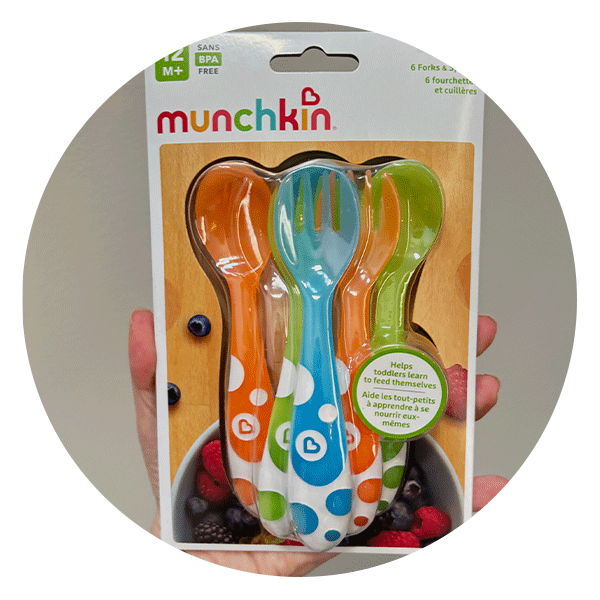
BPA-free plastic spoons are lightweight and affordable. They come in many fun shapes and colors. These spoons are safe because they do not contain harmful chemicals. They often have soft tips for gentle feeding. BPA-free plastic spoons are easy to carry and good for travel. They usually clean well in the dishwasher too.
Features For Easy Feeding
Feeding a baby can be a joyful yet challenging experience. The right feeding spoon can make this task easier for parents. Choosing spoons with thoughtful features can enhance the feeding process. Let’s explore these features.
Ergonomic Handles
An ergonomic handle is vital for comfortable feeding. It provides a good grip and control during feeding. Parents can hold the spoon easily without strain. This design helps in smooth and steady hand movements. It is especially useful during long feeding sessions.
Soft Tips
Soft tips are gentle on a baby’s delicate mouth. They prevent injuries and offer a soothing feeding experience. These tips are usually made from silicone. They are flexible and adapt to a baby’s mouth. Soft tips ensure safety and comfort while feeding.
Temperature Indicators
Temperature indicators are a helpful feature for baby feeding spoons. They show if the food is too hot for the baby. This feature changes color when the food exceeds a safe temperature. Parents can be assured their baby’s food is at the right temperature. It reduces the risk of burns and ensures safe feeding.
Credit: www.thebump.com
Tips For Feeding Your Baby
Feeding your baby is a special time for bonding and growth. Using the right techniques helps your baby enjoy meals and learn healthy habits. Patience and care are key to making feeding smooth and fun.
Introducing Solid Foods
Start solid foods when your baby is about six months old. Use soft, easy-to-swallow foods like mashed fruits and vegetables. Offer small spoonfuls and wait for your baby to open their mouth. Watch for signs of readiness, such as sitting up and showing interest in food.
Offer a variety of tastes and textures to encourage exploration. Avoid adding salt or sugar. Let your baby set the pace and never force feeding. This builds trust and comfort during mealtime.
Cleaning And Maintenance
Clean baby spoons thoroughly after each use. Use warm, soapy water and rinse well to remove food residue. Sterilize spoons often, especially for younger babies.
Check spoons for cracks or damage regularly. Replace spoons that show wear to keep feeding safe. Store spoons in a clean, dry place to avoid germs.
Travel-friendly Options
Choose spoons that are lightweight and easy to pack. Look for spoons with protective covers or cases. These keep spoons clean on the go.
Silicone spoons are flexible and gentle for babies. They are easy to clean and resistant to damage.
Consider spoons that stack or fold to save space. This makes traveling with baby feeding tools convenient and stress-free.

Credit: www.thebump.com
Frequently Asked Questions
What Materials Are Safest For Baby Feeding Spoons?
Silicone and BPA-free plastic are safest materials. They are soft, non-toxic, and gentle on baby’s gums. Stainless steel spoons are durable but less flexible. Always choose spoons labeled food-grade and free from harmful chemicals for baby safety.
How To Choose The Right Size Baby Feeding Spoon?
Pick spoons with small, shallow bowls for easy feeding. They fit comfortably in the baby’s mouth and prevent choking. Smaller spoons allow better portion control and help babies learn to eat independently. Size matters for comfort and safety.
When Should I Start Using Baby Feeding Spoons?
You can start using baby spoons when introducing solids, usually around 6 months. Spoons help babies transition from milk to solid foods. Early spoon feeding encourages self-feeding skills and oral development. Always supervise your baby during feeding.
Are Silicone Spoons Better Than Plastic Ones?
Yes, silicone spoons are softer and more flexible than plastic. They are gentle on delicate gums and less likely to cause injuries. Silicone spoons are also heat-resistant and easy to clean. Plastic spoons may contain chemicals or be less durable.
Conclusion
Choosing the best baby feeding spoon makes mealtime easier. Soft tips protect your baby’s gums and teeth. Small, lightweight spoons fit tiny mouths well. Look for spoons made from safe, BPA-free materials. Easy-to-clean designs save time for busy parents. A good spoon helps your baby enjoy food more.
Remember, comfort and safety matter most during feeding. Pick spoons that grow with your baby’s needs. Simple tools can create happy feeding moments every day.