
Are you tired of dealing with plastic food containers that leak, stain, or lose their shape? Finding the best plastic food storage containers can make a huge difference in keeping your meals fresh and your kitchen organized.
Imagine opening your fridge and instantly spotting neat, reliable containers that fit perfectly and keep your food safe. You’ll discover the top options that combine durability, safety, and convenience—so you can say goodbye to frustration and hello to hassle-free food storage.
Keep reading to find the perfect containers that match your lifestyle and needs.
Benefits Of Plastic Food Containers
Plastic food containers offer many advantages for storing food safely and conveniently. They keep food fresh longer and help organize kitchens easily. Their lightweight nature makes them perfect for daily use and travel.
Choosing plastic containers can simplify meal prep and reduce waste. These containers come in various shapes and sizes to fit different needs. They are a practical choice for families and individuals alike.
Durability And Safety
Plastic containers are strong and resist breaking. They handle drops better than glass. Many are made from BPA-free materials to keep food safe. They do not easily crack or warp, even with regular use. This durability makes them reliable for long-term storage.
Convenience And Versatility
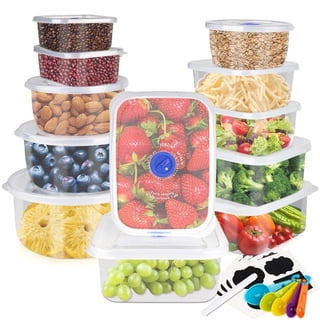
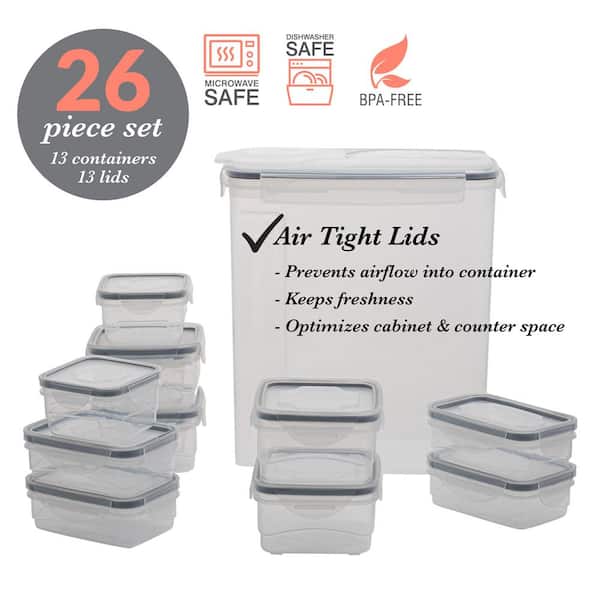
Plastic containers are lightweight and easy to carry. They fit well in refrigerators, freezers, and lunch bags. Many are microwave-safe, allowing quick reheating of food. Their stackable design saves space in cabinets. They come with tight lids to prevent spills and leaks.
Cost-effectiveness
Plastic food containers are budget-friendly compared to glass or metal. They offer good value for daily use. Many sets come with multiple sizes to suit different foods. Their long lifespan reduces the need for frequent replacement. This saves money over time.
Key Features To Consider
Choosing the best plastic food storage containers involves understanding key features. These features affect how well containers protect food, last over time, and fit your daily needs. Focus on material safety, sealing ability, temperature tolerance, and size options. These factors ensure freshness and ease of use.
Material Types And Bpa-free Options
Plastic containers come in several types. Look for those made with polypropylene or Tritan for durability. BPA-free options are safer for health. BPA is a chemical that can leak into food and cause harm. Containers labeled BPA-free avoid this risk. Always check the label before buying.
Seal And Leak-proof Designs
A good container keeps food fresh and prevents spills. Look for airtight seals with silicone or rubber gaskets. Snap-lock lids or twist-on caps add extra security. Leak-proof designs are especially important for liquids and soups. Test the lid’s fit before purchase.
Microwave And Freezer Compatibility
Containers should handle temperature changes without damage. Microwave-safe containers allow easy reheating. Freezer-safe ones prevent cracking when frozen. Check product labels for microwave and freezer symbols. Avoid containers that warp or release chemicals under heat.
Size And Stackability
Choose containers that fit your storage space and food portions. Small, medium, and large sizes offer flexibility. Stackable containers save space in your fridge and cabinets. Uniform shapes stack better and keep storage neat. Consider sets with multiple sizes for convenience.
Top Plastic Food Storage Containers
Choosing the best plastic food storage containers means finding ones that seal tightly and resist stains. Containers should be safe for microwaves and dishwashers to save time and effort. Durable materials help keep food fresh longer and prevent leaks.
When choosing the best plastic food storage containers, consider durability and functionality. Containers should keep food fresh and be easy to use. Here are some top choices for different needs.
Best Overall Choice
The Rubbermaid Brilliance containers stand out. They are clear and strong. These containers resist stains and odors. Their airtight seal keeps food fresh longer. Stackable design saves space in your kitchen.
Best Budget Option
The Ziploc Twist ‘n Loc containers offer great value. They come in various sizes. The screw-on lids ensure a secure fit. These containers are perfect for storing snacks or leftovers.
Best For Freezing
The Glad FreezerWare containers are designed for the freezer. They are made to withstand cold temperatures. These containers prevent freezer burn. They also stack neatly to save space.
Best For Microwaving
Sistema Microwave Collection containers are microwave-safe. They have a steam release vent on top. This feature prevents splatters. The containers are easy to open even when hot.
Best Leak-proof Design
OXO Good Grips Smart Seal containers have a leak-proof seal. Their four locking tabs ensure a tight fit. These containers are ideal for liquids and soups. They are durable and easy to clean.
Credit: www.walmart.com
Maintenance And Cleaning Tips
Maintaining and cleaning plastic food storage containers is key to their durability and safety. Proper care keeps containers fresh and free from stains or odors. It also ensures they stay safe for storing food every day.
Dishwasher Safety
Check if containers are labeled dishwasher safe. Place them on the top rack to avoid heat damage. Use a gentle cycle to protect container lids and seals. Avoid high temperatures that may warp or melt plastic. Hand wash containers not marked as dishwasher safe.
Preventing Stains And Odors
Rinse containers soon after use to stop stains setting. Avoid storing foods with strong colors or smells for long periods. Use baking soda mixed with water to remove odors. Lemon juice also helps freshen containers naturally. Store containers dry to prevent mold and mildew.
Proper Storage Practices
Keep containers with lids off to allow air circulation. Nest containers inside each other to save space. Store lids separately to avoid damage. Avoid stacking heavy items on top of containers. Ensure containers are completely dry before storing to prevent bacteria growth.
Alternatives To Plastic Containers
Choosing the best food storage solution means looking beyond plastic containers. Many people, including myself, have found that alternatives offer better durability, safety, and even style. Are you ready to discover options that protect your food and the environment without sacrificing convenience?
Glass Containers
Glass containers are a favorite for those who want a clean, non-toxic option. They don’t absorb odors or stains, so your leftovers always taste fresh. Plus, they work well in the oven and microwave, making reheating simple.
One thing to remember: glass can break if dropped. But with silicone sleeves or sturdy lids, they become much safer for everyday use. Have you tried stacking glass containers? They save space and look great in the fridge.
Silicone Storage Options
Silicone containers are flexible, lightweight, and easy to clean. They fold flat to save space when not in use—perfect for small kitchens. I switched to silicone bags for snacks, and they’ve lasted way longer than plastic ones.
These containers are heat-resistant, so you can use them for freezing or microwaving. If you want to avoid plastic but still need something versatile, silicone is a smart pick. Could silicone be the multitasker your kitchen needs?
Metal Containers
Metal containers, especially stainless steel, offer unbeatable durability. They don’t leach chemicals and are often dishwasher-safe, making cleanup a breeze. I rely on stainless steel lunchboxes because they keep food fresh and are nearly indestructible.
However, metal isn’t microwave-safe and can dent if dropped. They’re great for dry or cold foods but less ideal for soups or sauces. Do you want a container that lasts decades? Metal might be the answer.

Credit: www.ebay.com
Credit: www.homedepot.com
Frequently Asked Questions
What Materials Are Best For Plastic Food Containers?
BPA-free polypropylene and Tritan plastics are ideal. They resist stains, odors, and are microwave-safe. These materials ensure food safety and durability.
How To Choose The Right Size Container For Food?
Select containers based on your meal portions and storage needs. Smaller containers suit snacks, while larger ones are perfect for leftovers and meal prep.
Are Plastic Containers Safe For Microwave Use?
Only use containers labeled microwave-safe. Avoid heating plastics that aren’t specified for microwave use to prevent chemical leaching and container damage.
How To Clean And Maintain Plastic Food Containers?
Wash with warm, soapy water immediately after use. Avoid abrasive scrubbers to prevent scratches and odors. Dishwasher-safe containers are convenient and maintain quality.
Conclusion
Choosing the best plastic food storage containers saves time and reduces waste. Focus on containers that are durable, safe, and easy to clean. Clear containers help you see food quickly and avoid spoilage. Stackable designs save space in your kitchen.
Remember to check for BPA-free labels for health safety. Good containers keep food fresh longer and make meal prep simple. Pick what fits your needs and budget best. Enjoy organized shelves and fresher meals every day. Simple choices bring big benefits to your kitchen routine.