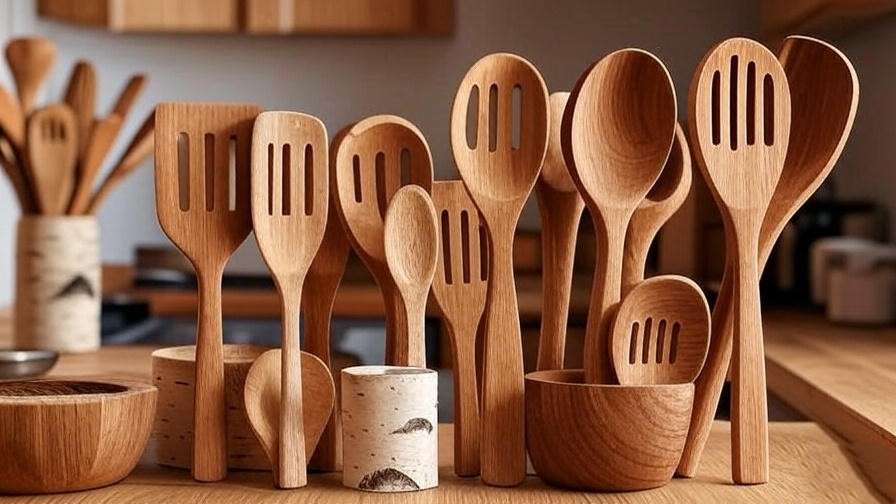
Choosing the right wood for your cooking spoons can make a big difference in your kitchen. You want spoons that feel comfortable, last long, and don’t affect the taste of your food.
But with so many types of wood out there, how do you know which one is the best? This guide will help you find the perfect wood for your cooking spoons, so you can enjoy every stir, mix, and serve with confidence.
Keep reading to discover the secret to spoons that work as hard as you do.
Credit: treecarezone.com
Top Woods For Cooking Spoons
Choosing the right wood for cooking spoons matters a lot. The wood affects how the spoon feels, lasts, and handles heat. Some woods are better for cooking tools because they are strong and safe with food. Let’s explore the top woods used for making cooking spoons and what makes them good choices.
Hardwoods Vs Softwoods
Hardwoods come from trees that lose their leaves in winter. These woods are usually denser and stronger. Common hardwoods for spoons include maple, cherry, and walnut. They resist dents and scratches well.
Softwoods come from evergreen trees. They are lighter and less dense. Pine and cedar are examples but not often used for cooking spoons. Softwoods can wear out faster and may absorb more moisture.
Durability And Longevity
Durability is key for cooking spoons. Hardwoods last longer and handle daily use without breaking. They resist cracking and splintering better than softwoods. This means spoons made of hardwood stay smooth and safe to use for years.
Some hardwoods like beech and oak are very tough. They can handle heavy stirring and scraping without damage. Longevity also depends on how well the spoon is cared for.
Heat Resistance
Wood does not conduct heat like metal. This makes wooden spoons safe to hold while cooking. Hardwoods have better heat resistance than softwoods. They do not burn or get too hot easily.
Good heat resistance prevents spoons from warping or cracking in hot pots. This keeps them reliable for all cooking tasks. Choosing heat-resistant wood helps keep your kitchen tools in top shape.
Popular Wood Types
Choosing the right wood for your cooking spoons can make a big difference in your kitchen experience. Different woods offer unique benefits like durability, heat resistance, and beauty. Let’s look at some popular wood types that many cooks prefer for their utensils.
Maple
Maple is a favorite for cooking spoons because it’s hard and durable. It resists stains and odors, so your spoons stay fresh even after stirring strong flavors. If you want a spoon that lasts and looks good with age, maple is a solid choice.
Beech
Beech wood is smooth and has a fine grain, making it gentle on cookware surfaces. It’s also quite tough, which helps your spoon withstand daily use without cracking. I’ve found beech spoons to be comfortable in hand and easy to clean, which is a bonus.
Cherry
Cherry wood has a warm, rich color that deepens over time, adding charm to your kitchen tools. It’s moderately hard, so it handles heat well but still feels lightweight. If you care about aesthetics as much as function, cherry spoons are worth considering.
Olive Wood
Olive wood stands out with its striking grain patterns and natural oils that help resist water and bacteria. This wood is dense and strong, perfect for heavy-duty stirring or scraping. Have you noticed how olive wood spoons add character to your cooking space?
Bamboo
Bamboo isn’t technically wood but is often used for spoons due to its eco-friendliness and rapid growth. It’s lightweight, strong, and less prone to cracking. If sustainability matters to you, bamboo spoons offer a green alternative without sacrificing performance.
Safety And Food Compatibility
Choosing wood that does not release toxins or flavors ensures safe cooking. Hardwoods like maple and beech resist food acids and heat, keeping spoons durable and food-safe.
Cooking spoons are essential kitchen tools. Choosing the right wood is important for safety and food compatibility. Different woods offer various benefits. Some are safer and more suitable for food contact than others.
Non-toxic Properties
The ideal wood for cooking spoons should be non-toxic. Certain woods release harmful chemicals when exposed to heat. Hardwoods like maple and cherry are safe options. They do not leach toxins into food. Bamboo is another popular choice. It is naturally antimicrobial and safe for cooking. Avoid treated or painted woods, as they may contain harmful substances.
Allergen Considerations
Some woods can trigger allergies. Common allergenic woods include walnut and cedar. Allergens can transfer to food during cooking. Opt for non-allergenic woods like birch and beech. They are less likely to cause allergic reactions. Always check for personal allergies before selecting a wood type.
Maintenance And Care
Proper maintenance extends the life of wooden cooking spoons. Regularly oiling spoons prevents drying and cracking. Use food-grade mineral oil or beeswax. Wash spoons by hand with mild soap. Avoid soaking them in water for long periods. Dry them thoroughly after washing to prevent mold. Store them in a dry place away from heat sources. Proper care ensures safety and longevity.
:max_bytes(150000):strip_icc()/faw-caraway-5-piece-wooden-utensil-set-priyanka-shahane-01-51bf1c37c14e4454862b2ffed3ae2136.jpeg)
Credit: www.foodandwine.com
Design And Comfort Factors
Choosing the best wood for cooking spoons goes beyond durability and heat resistance. The design and comfort of the spoon play a huge role in how enjoyable and effective your cooking experience will be. Paying attention to weight, handle shape, and texture can make your kitchen tasks smoother and less tiring.
Weight And Balance
The weight of a wooden spoon affects how long you can comfortably use it. Too heavy, and your hand tires quickly; too light, and it might feel flimsy or hard to control.
Look for wood types that offer a balanced feel—like maple or cherry—which provide a nice heft without being burdensome. The spoon’s balance point should feel natural in your hand, allowing easy stirring and flipping without strain.
Handle Shape
The shape of the handle influences your grip and control. Rounded handles fit snugly into your palm, while flat or slightly oval handles can offer better stability for precise movements.
Consider how you hold your spoons. If you cook often for long periods, a thicker handle might reduce hand fatigue. Woods like beech or walnut are easy to carve into ergonomic shapes, enhancing comfort.
Texture And Finish
The texture of the wood impacts how securely the spoon stays in your hand, especially when wet or oily. A slightly rough texture can prevent slipping but shouldn’t feel abrasive.
Finish matters too. Natural oils or food-safe finishes smooth the surface while keeping the wood breathable. Avoid overly glossy finishes that might peel or become sticky over time.
Environmental Impact
Choosing the best wood for cooking spoons goes beyond just durability and aesthetics. You also need to think about the environmental impact of your choice. Every wooden spoon carries a story—from the forest it came from to how it was made and how long it lasts in your kitchen.
Sustainability Of Wood Sources
Look for wood that comes from responsibly managed forests. These forests ensure trees are replanted and biodiversity is protected. Woods like maple, beech, and bamboo often come from sustainable sources, but it’s important to check certifications like FSC (Forest Stewardship Council).
Have you ever wondered how much damage a single wooden spoon can cause if it’s made from illegal logging? Choosing spoons from sustainable wood helps protect forests and wildlife, supporting a healthier planet.
Eco-friendly Manufacturing
Not all wooden spoons are made the same way. Some manufacturers use harmful chemicals or waste a lot of wood in the process. Seek out brands that use natural finishes, minimal waste, and energy-efficient methods.
Buying a cooking spoon that’s made with care means fewer toxins in your kitchen and less pollution in the environment. This can also mean your spoon is safer to use on your favorite non-stick pans.
Longevity Vs Waste
A wooden spoon that lasts for years is better for the environment than one that breaks quickly and ends up in the trash. Durable woods like cherry or walnut often cost more but reduce waste over time.
Think about your kitchen tools as investments. Would you rather replace a cheap spoon every few months or have one that serves you well for years? Choosing long-lasting wood means less waste and fewer resources used overall.
Tips For Choosing Your Spoon
Choosing the right wood for your cooking spoon affects your cooking experience. The right spoon feels comfortable and lasts long. It also matches your cooking needs. Consider your cooking style, budget, and where to buy quality spoons.
Matching Wood To Cooking Style
Hardwoods like maple and beech work well for heavy cooking. They resist heat and do not absorb odors. Softer woods like cherry or walnut feel smooth and are great for gentle stirring. Use lighter woods for delicate sauces to avoid scratching pans. Think about the type of cooking you do most.
Budget Considerations
Wooden spoons come in different price ranges. Simple spoons made from common woods cost less. Exotic woods like olive or cherry may cost more. Look for spoons that balance quality and price. Spending a bit more often means better durability. Avoid very cheap spoons; they may break or splinter quickly.
Where To Buy Quality Spoons
Buy from stores that specialize in kitchen tools. Local craft markets often have handmade wooden spoons. Online shops provide a wide selection and customer reviews. Check the wood type and finish before buying. Choose spoons with smooth surfaces and no cracks. This ensures safety and longer use.

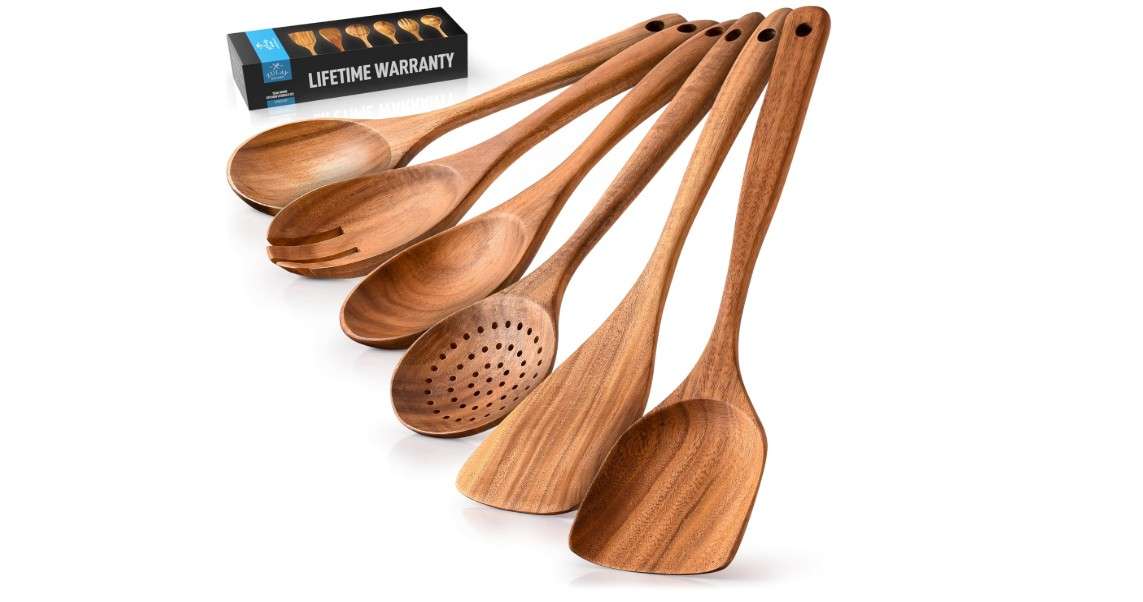
Credit: www.amazon.sa
Frequently Asked Questions
What Wood Is Best For Cooking Spoons?
Hardwoods like maple, beech, and cherry are best for cooking spoons. They are durable, non-porous, and safe for food contact. These woods resist cracking and do not absorb flavors, ensuring long-lasting and hygienic use in the kitchen.
Why Choose Hardwood Over Softwood For Spoons?
Hardwoods are denser and more durable than softwoods. They resist dents and scratches better. Softwoods can splinter and absorb moisture, making them less ideal for cooking spoons. Hardwood spoons last longer and provide a safer cooking experience.
Are Wooden Spoons Safe For Non-stick Cookware?
Yes, wooden spoons are safe for non-stick cookware. They won’t scratch or damage the coating like metal utensils. Using wood helps preserve your pans’ non-stick surfaces and extends their lifespan.
How To Maintain Wooden Cooking Spoons?
To maintain wooden spoons, hand wash them with mild soap and warm water. Avoid soaking or dishwasher use. Regularly oil them with food-safe mineral oil to prevent drying and cracking. Proper care ensures durability and hygiene.
Conclusion
Choosing the best wood for cooking spoons depends on your needs. Hardwoods like maple and beech last long and resist heat well. Softwoods can wear out quickly and absorb flavors. A good cooking spoon feels comfortable in your hand. It should be safe, durable, and easy to clean.
Remember, the right wood makes cooking easier and more enjoyable. Trust your choice and enjoy your meals with the perfect wooden spoon. Simple, strong, and natural—just what your kitchen needs.