
Choosing the right wood for your spoons can make all the difference in how they feel, last, and even taste when you cook. If you’ve ever wondered which type of wood is best for spoons, you’re not alone.
Your choice affects not just the spoon’s look but also its durability and safety in the kitchen. You’ll discover the top woods that combine beauty, strength, and food-friendliness. By the end, you’ll know exactly what to look for to pick the perfect wooden spoon that fits your cooking style and needs.
Keep reading to find out which wood will make your spoons a kitchen favorite for years to come.
Credit: www.surlatable.com
Factors Affecting Wood Durability
Choosing the right wood for spoons depends heavily on how durable the wood will be over time. Durability impacts not just how long your spoon lasts but also how safe and comfortable it is to use daily. Understanding what makes wood durable helps you pick spoons that stay sturdy and look good through many uses.
Hardness And Density
Hardness and density are key to a spoon’s strength. Hard wood resists dents and scratches, which keeps the spoon smooth and safe for stirring or eating. However, if the wood is too hard, it might feel heavy or uncomfortable in your hand.
Woods like maple and cherry strike a good balance. They are hard enough to last but light enough to handle easily. Have you noticed how a soft wood spoon gets damaged after just a few uses? That’s why hardness matters.
Grain And Texture
The grain pattern and texture affect how the spoon feels and ages. Tight, straight grain woods tend to resist cracking and splitting better than open-grain varieties. This means fewer rough edges forming over time.
For example, beech and birch have fine, smooth grains that create spoons with a pleasant feel and long life. If you want a spoon that won’t catch food or liquids in rough spots, pay attention to the grain.
Resistance To Moisture
Wood’s ability to resist water is crucial since spoons often get wet. Some woods absorb moisture and swell or warp, ruining your spoon’s shape. Others handle repeated washing without damage.
Teak and walnut have natural oils that repel water, making them top choices for kitchen tools. You might wonder if sealing the spoon helps, but natural resistance always outperforms artificial coatings over time.
Food Safety Considerations
Your spoon needs to be safe for food contact. Certain woods can release harmful substances or develop bacteria if they absorb too much moisture. Choosing non-toxic, food-safe woods is essential.
Hardwoods like cherry, maple, and walnut are commonly used because they are safe and don’t impart flavors. Next time you buy a wooden spoon, check if the wood is known for being food-safe to protect your health.
Top Woods For Durable Spoons
Choosing the right wood for your spoons can make all the difference in durability and comfort. The best woods stand up well to daily use, resist cracking, and feel good in your hand. Here are some top choices that combine strength, beauty, and practicality for long-lasting spoons.
Maple
Maple is a favorite for spoon makers because it’s hard and dense, which means it won’t wear down quickly. It has a fine, smooth grain that feels nice against your skin and resists splintering. If you want a spoon that handles hot soups and thick stews without damage, maple is a solid pick.
Cherry
Cherry wood offers both durability and a beautiful warm color that deepens over time. It’s slightly softer than maple but still tough enough to resist dents and scratches. Many woodworkers love cherry spoons because they age gracefully and develop a unique patina with use.
Walnut
Walnut stands out for its rich, dark tone and excellent strength. It’s a bit more expensive but worth it if you want a spoon that feels sturdy and looks elegant. Walnut spoons hold up well to moisture and heat, making them a practical choice for everyday cooking.
Beech
Beech wood is another strong contender thanks to its tight grain and resistance to wear. It’s a common choice for kitchen tools because it’s easy to shape and maintains its form over time. Beech spoons are lightweight yet durable, perfect if you prefer a balance between strength and ease of use.
Olive Wood
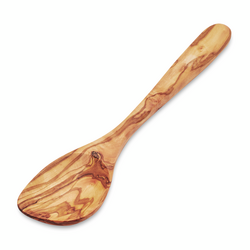
Olive wood is prized for its unique grain patterns and incredible hardness. It’s naturally oily, which helps protect the spoon from absorbing flavors or stains. If you want a spoon that’s both beautiful and durable, olive wood offers a distinctive option that stands out in your kitchen.
Comparing Wood Types
Choosing the right wood for spoons can be tricky. Each wood type offers unique benefits, impacting durability, appearance, and cost. Let’s explore the best woods for crafting spoons by comparing their qualities.
Durability And Longevity
Durable wood ensures long-lasting spoons. Hardwoods like maple and walnut resist wear and tear. They are dense, making them less prone to cracks or splits. Cherry wood is also robust, offering great longevity.
Maintenance And Care
Easy maintenance is key for wooden spoons. Some woods need regular oiling to maintain their quality. Maple and cherry require less frequent care. Walnut may need more attention to keep its rich color.
Appearance And Finish
Wood type affects spoon appearance. Cherry has a warm, reddish hue. Maple offers a lighter, creamy finish. Walnut displays a deep, dark tone. These woods can be polished for a sleek look.
Cost And Availability
Budget-friendly options are important. Maple is widely available and affordable. Cherry is slightly pricier but still reasonable. Walnut tends to be more expensive due to its rich color and texture.
Credit: treecarezone.com
Tips For Choosing The Right Wood
Choosing the right wood for making spoons is key to creating durable and beautiful kitchen tools. The wood type affects how the spoon feels, lasts, and looks. Consider several factors to find wood that fits your needs and style.
Matching Wood To Usage
Different woods suit different spoon uses. Hardwoods like maple and cherry resist wear and last long. Softwoods may carve easily but wear out faster. For cooking, pick wood that won’t absorb flavors or stain easily. Avoid toxic or resinous woods. Smooth grains prevent rough textures that hurt the mouth.
Sustainability And Ethics
Choose wood from responsible sources. Sustainable wood helps protect forests and wildlife. Look for certifications like FSC or PEFC. Use locally grown wood to cut transportation impact. Reclaimed wood adds character and reduces waste. Ethical choices support the environment and future generations.
Tools And Techniques For Carving
The wood’s hardness affects carving ease and detail. Softer woods like basswood carve smoothly with basic tools. Hardwoods need sharp knives and more effort but hold fine details well. Sandpaper smooths edges and surfaces. Seal wood with natural oils to protect and enhance grain. Proper tools and care improve the spoon’s quality and safety.
Caring For Wooden Spoons
Caring for wooden spoons ensures they last longer and stay safe for cooking. Wood is natural and needs gentle care. Proper cleaning, regular oiling, and preventing damage keep spoons in top shape. A few simple steps help maintain their beauty and function.
Cleaning Best Practices
Wash wooden spoons by hand using warm water and mild soap. Avoid soaking them in water for a long time. Rinse thoroughly to remove soap residue. Dry spoons immediately with a towel to stop moisture damage. Do not put wooden spoons in the dishwasher. The heat and water can cause cracks and warping.
Oiling And Conditioning
Apply food-safe oil to wooden spoons regularly. Oils like mineral oil or beeswax keep wood hydrated. Rub a small amount of oil into the spoon’s surface. Let it soak for a few hours or overnight. Wipe off any extra oil with a clean cloth. This step protects wood from drying out and cracking.
Avoiding Cracks And Warping
Keep wooden spoons away from extreme heat and moisture. Avoid leaving them in hot pots or pans. Store spoons in a dry place with good air circulation. If cracks appear, sand lightly with fine sandpaper and re-oil. Proper care prevents warping and extends the spoon’s life.

Credit: www.anzhucraft.com
Frequently Asked Questions
What Wood Is Safest For Making Kitchen Spoons?
Hardwoods like maple, cherry, and walnut are safest for kitchen spoons. They resist bacteria and don’t impart flavors. These woods are durable and food-safe, making them ideal for cooking utensils.
Why Is Hardwood Preferred For Wooden Spoons?
Hardwood is dense and durable, resisting wear and moisture. It prevents splintering and absorbs fewer odors. This makes hardwood spoons long-lasting and safe for cooking.
Can Softwoods Be Used For Making Spoons?
Softwoods like pine are generally not recommended for spoons. They are porous, prone to splintering, and absorb flavors easily. Hardwoods are a better choice for durability and safety.
How Does Wood Grain Affect Spoon Quality?
Tight, straight wood grain offers strength and smoothness. It reduces cracking and makes the spoon easier to clean. Good grain ensures the spoon lasts longer and stays safe for food.
Conclusion
Choosing the right wood for spoons matters a lot. Hardwoods like maple and cherry last long and feel smooth. Softwoods may wear out quickly or taste strange. A good wooden spoon should be safe, strong, and easy to clean. Remember, the best wood depends on your needs and style.
Enjoy cooking with spoons that suit you best. Simple care keeps them lasting for years. Wood spoons bring warmth and charm to your kitchen.