
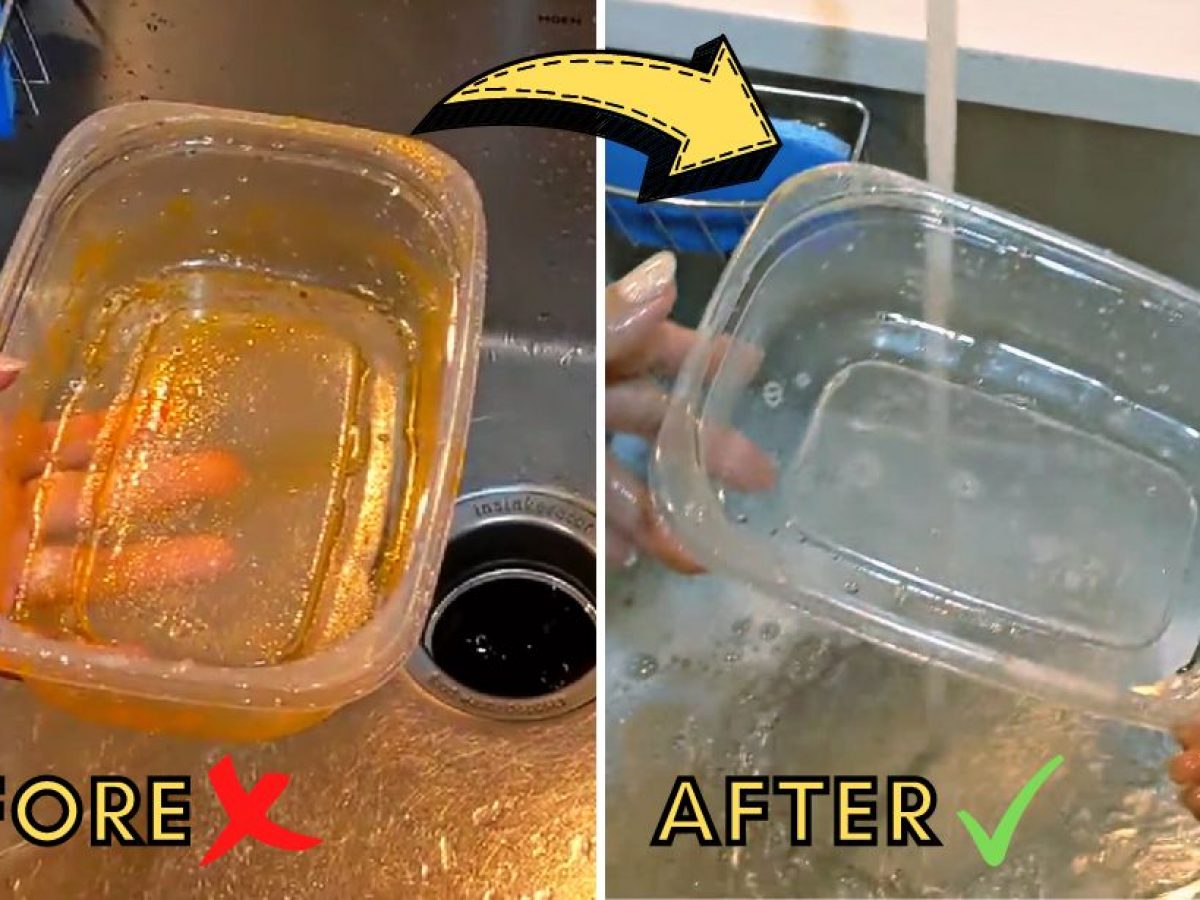
Have you ever opened your kitchen cabinet only to find your plastic food storage containers stained with stubborn marks? You need to know how to remove stains from plastic food storage containers.
You might think those stains are permanent, but the truth is, they aren’t. You’ll discover simple and effective ways to remove stains from your plastic containers, making them look fresh and clean again. Keep reading, because your containers – and your kitchen – deserve a fresh start.
Common Causes Of Stains
Stains on plastic food storage containers can be frustrating, especially when they refuse to wash off. Understanding what causes these stubborn marks helps you tackle the problem more effectively. Stains often result from the interaction between certain foods and the plastic material, as well as chemical changes within the container itself.
Food Types That Stain Plastic
Some foods are notorious for leaving behind colorful stains on plastic containers. Tomato-based sauces, curry, and berries have strong pigments that cling tightly to plastic surfaces. Even oily foods can leave a greasy residue that darkens over time.
Have you ever noticed how turmeric turns everything yellow? This spice contains curcumin, which bonds easily with plastic and becomes hard to remove. Acidic foods like citrus can also weaken plastic, making it more prone to discoloration when stained.
- Tomato sauces and ketchup
- Curry and turmeric-rich dishes
- Berries such as blueberries and blackberries
- Oily or greasy foods
- Acidic fruits like lemons and oranges
Chemical Reactions In Plastics
Plastic containers are made from polymers that can react chemically when exposed to certain substances. Over time, heat, oils, and acids can break down the plastic’s surface, creating tiny grooves that trap stains.
Microwaving food in plastic containers can speed up this process, as heat softens the plastic and makes it more absorbent. This is why stains sometimes appear more quickly in containers used for reheating food.
Have you noticed your old plastic containers looking cloudy or rough? These changes indicate chemical wear that increases staining. Understanding this helps you decide when it’s time to replace your containers instead of trying endless cleaning tricks.

Credit: www.facebook.com
Basic Cleaning Methods
Removing stains from plastic food storage containers can be straightforward with a few basic cleaning methods. These simple techniques often work better than harsh chemicals and keep your containers safe for food use. Let’s look at two effective ways to get your containers looking fresh again.
Using Dish Soap And Warm Water
Start by filling the container with warm water and adding a few drops of dish soap. Let it soak for at least 10-15 minutes to loosen any stuck-on food or stains.
After soaking, use a soft sponge or cloth to scrub the inside gently. Avoid abrasive scrubbers that can scratch the plastic and make stains worse.
Rinse thoroughly with warm water and check if the stain has faded. If not, repeat the process or try the next method.
Baking Soda Scrub
Baking soda is a natural and gentle abrasive that works wonders on plastic stains. Make a paste by mixing baking soda with a small amount of water until it forms a thick consistency.
Apply the paste directly onto the stained areas and scrub gently with a sponge or soft brush. You’ll notice the stains start to lift as you scrub.
Leave the paste on for 15-20 minutes before rinsing it off with warm water. This method can tackle tougher stains like tomato sauce or curry residues effectively.
Natural Stain Removers
Natural stain removers like baking soda and vinegar gently lift stains from plastic containers. Soaking and scrubbing with these ingredients restores cleanliness without harsh chemicals. Simple household items work well to brighten plastic food storage containers.
Plastic food storage containers often get stained over time. These stains can be stubborn and unsightly. Using natural stain removers offers a safe and effective solution. Natural ingredients are gentle on containers and environmentally friendly. Let’s explore two powerful natural stain removers.
White Vinegar Soak
White vinegar is a fantastic stain remover. It’s acidic nature breaks down stubborn stains. To use, create a solution with equal parts water and vinegar. Submerge the stained container in this mixture. Let it soak for several hours, or overnight for tough stains. After soaking, rinse the container thoroughly with warm water. This method not only removes stains but also neutralizes odors.
Lemon Juice Application
Lemon juice is another excellent choice for removing stains. Its natural acidity effectively combats discoloration. Start by cutting a lemon in half and squeezing the juice onto the stains. Rub the lemon directly onto the surface for better results. Allow the lemon juice to sit for 15-30 minutes. This gives it time to work on the stains. Rinse the container with warm water and dry it with a clean cloth. The container will look refreshed and smell pleasant.

Credit: scoop.upworthy.com
Commercial Cleaning Products
Commercial cleaning products offer a powerful solution for removing tough stains from plastic food storage containers. These products are designed to break down stains quickly and restore containers to their original clarity. They save time and effort compared to natural methods.
Many commercial products are safe for plastic and easy to use. They often contain ingredients that target discoloration caused by foods like tomato sauce, curry, or coffee. Choosing the right product depends on the type of stain and how deep it has set.
Stain Removal Sprays
Stain removal sprays work by penetrating the plastic surface to lift stains. They are convenient and require minimal scrubbing. Spray the product directly onto the stain and let it sit for a few minutes.
- Use a soft sponge or cloth to gently rub the area.
- Rinse thoroughly with warm water.
- Repeat if the stain remains visible.
These sprays often include enzymes or mild bleach agents. They are effective on food stains and odors without damaging the plastic. Always check the label for safety instructions.
Bleach Solutions
Bleach solutions are strong cleaners that can remove stubborn stains. Use a diluted bleach mix to avoid plastic damage. Typically, mix one tablespoon of bleach with one cup of water.
- Soak the stained container in the solution for 5 to 10 minutes.
- Do not leave it longer to prevent plastic weakening.
- Rinse well with water to remove all bleach residue.
Bleach kills bacteria and removes discoloration effectively. Use gloves and ensure good ventilation while working with bleach. Avoid mixing bleach with other cleaners to prevent harmful fumes.
Preventing Future Stains
Preventing stains on your plastic food storage containers is easier than scrubbing stubborn marks later. A few simple habits can keep your containers looking fresh and clear. Think about how you store and what you store in them to avoid those pesky stains altogether.
Proper Storage Tips
Store your containers with lids off or slightly ajar to let air circulate. Trapped moisture can cause stains and odors to set in faster.
Keep containers in a cool, dry place away from direct sunlight. Heat and sunlight can make plastic more prone to discoloration.
Stack containers carefully to avoid scratches. Scratches can trap food particles and lead to stains over time.
Avoiding Certain Foods
Some foods are notorious for staining plastic—think tomato sauce, curry, and beets. Consider using glass containers for these instead.
If you must store staining foods in plastic, place a layer of parchment paper or foil between the food and container walls. This barrier helps reduce direct contact and staining.
Have you noticed your favorite leftovers leaving marks? Try rinsing containers immediately after use to prevent stains from setting.
Credit: diyjoy.com
Tips For Maintaining Plastic Containers
Keeping your plastic food storage containers looking fresh and stain-free takes more than just occasional washing. Consistent care can extend their lifespan and save you money. Here are practical tips to maintain your containers effectively.
Regular Cleaning Routine
Cleaning your containers right after use prevents stains from setting in. Use warm water and a mild dish soap to wash them thoroughly. Avoid letting food sit inside for hours because stains and odors can develop quickly.
If you notice stubborn stains, try soaking the container in a mixture of baking soda and water for 15-30 minutes before scrubbing. This simple step can brighten your containers without harsh chemicals.
Don’t forget to clean the lids as well, especially around the seals, where food particles tend to hide. A toothbrush can help reach those tricky spots.
Handling And Usage Advice
Be mindful of what you store in plastic containers. Avoid using them for oily or strongly colored foods like tomato sauce or curry if you want to prevent stains. If you do, transfer leftovers to glass containers when possible.
Microwaving plastic containers can also cause discoloration and warping. Use microwave-safe containers only, and consider using a paper towel cover to reduce splatters and stains.
Are you stacking your containers while they’re still wet? This can trap moisture and cause odors or mold. Dry them completely before storing to keep your containers fresh and ready for the next use.
Frequently Asked Questions
How Do I Remove Stubborn Stains From Plastic Containers?
Use a paste of baking soda and water to scrub stains gently. Let it sit for 15 minutes, then rinse thoroughly. This method effectively lifts stains without damaging the plastic surface.
Can Vinegar Help Clean Stained Plastic Food Containers?
Yes, white vinegar is a natural cleaner that removes stains and odors. Soak the container in vinegar for 30 minutes, then wash with soap and water. It’s safe and eco-friendly for plastic storage.
What Household Items Whiten Yellowed Plastic Containers?
Lemon juice and sunlight work well to whiten yellowed plastic. Apply lemon juice to the container and leave it in sunlight for a few hours. This natural method brightens plastic without harsh chemicals.
Is Bleach Safe For Cleaning Plastic Food Containers?
Bleach can remove tough stains but must be diluted properly. Use one tablespoon of bleach per cup of water, soak briefly, then rinse thoroughly. Avoid frequent use to prevent plastic damage.
Conclusion
Stains on plastic containers can be tough but not impossible to remove. Use common household items like baking soda or vinegar for best results. Always clean containers soon after use to avoid deep stains. Rinse and dry them well to keep containers fresh and odor-free.
Regular care extends their life and keeps food safe. Try these simple steps to keep your containers clean and stain-free. Small efforts make a big difference in your kitchen routine. Keep containers looking new and ready for your next meal.