
Do you often use microfiber cleaning cloths to keep your home spotless? If you’ve ever tried cleaning up leaves with them, you know they can get clogged and dirty fast.
But how do you clean these cloths so they stay effective and last longer? You’re about to discover simple, proven steps that will make your microfiber cloths look and work like new again. Keep reading, and you’ll never struggle with dirty, leaf-filled cloths again.
Preparing The Cloth
Preparing your microfiber cloth properly makes cleaning easier and more effective. Start by removing any large particles like leaves or dirt. This helps prevent scratching and keeps the cloth in good shape. Taking simple steps before washing ensures the cloth cleans well every time.
Shake Off Loose Debris
Take the cloth outside or over a trash bin. Shake it firmly to remove leaves, dust, and other loose debris. This step stops dirt from spreading during washing. Make sure to shake both sides of the cloth. Repeat if needed until most debris falls off.
Pre-rinse With Cold Water
Run cold water over the cloth to rinse away remaining dirt. Use a gentle stream to avoid pushing dirt deeper into fibers. Cold water helps keep the cloth fresh and prevents stains from setting. Avoid hot water as it can damage microfiber material.

Credit: mycityplants.com
Choosing The Right Cleaning Method
Choosing the right cleaning method for a microfiber cloth covered in leaves is key. The right approach removes dirt and leaf residue without damaging the fibers. It also keeps the cloth soft and absorbent for future use.
There are two main ways to clean these cloths: by hand and using a washing machine. Each method has its benefits and specific steps to follow. Understanding these helps preserve the cloth’s quality and extend its life.
Hand Washing Techniques
Hand washing is gentle and effective for microfiber cloths. Start by shaking off loose leaves outdoors. Fill a basin with warm water and add a small amount of mild detergent.
- Submerge the cloth and gently rub it to loosen dirt and leaf particles.
- Let the cloth soak for 10-15 minutes to break down stubborn stains.
- Rinse thoroughly with clean water until all soap is gone.
- Gently squeeze out excess water without wringing to avoid fiber damage.
- Lay flat or hang to air dry away from direct sunlight.
Machine Washing Tips
Machine washing saves time and works well for heavily soiled cloths. Use cold or warm water with a mild detergent made for delicate fabrics. Avoid bleach and fabric softeners, as they harm microfiber.
- Wash microfiber cloths separately or with similar materials to prevent lint transfer.
- Choose a gentle or delicate cycle to protect the fibers.
- Remove the cloth promptly after the wash to prevent wrinkles and mildew.
- Air dry or tumble dry on low heat; high heat can damage the fibers.
Best Detergents And Solutions
Cleaning microfiber cloths might seem straightforward, but choosing the right detergent can make a world of difference. The wrong choice can affect the cloth’s texture, color, and overall effectiveness. This section will help you understand the best detergents and solutions to keep your microfiber cloths in top condition, ensuring they remain soft and absorbent.
Mild Detergents To Use
When tackling those pesky leaf stains, opt for mild detergents. They are gentle on the fibers, preserving the cloth’s integrity. Consider using liquid laundry detergents labeled as ‘free and clear’ or specifically made for delicate fabrics.
These detergents lack harsh additives like dyes and fragrances, which can damage microfiber. Have you ever noticed how your cloth loses its softness after a wash? This is often due to harsh chemicals stripping away the fibers’ protective layer.
Avoiding Fabric Softeners And Bleach
Fabric softeners and bleach are microfiber’s worst enemies. They break down the fibers, reducing the cloth’s absorbency and effectiveness. While it might be tempting to toss your cloths in with a load of laundry treated with softener, resist the urge!
Bleach can cause discoloration, and you might end up with a cloth that looks like it’s seen better days. Instead, keep your microfiber cloths separate, treating them with gentle care. Ask yourself, how can you ensure your cleaning tools last longer and perform better?
Drying The Cloth Properly
Drying a microfiber cleaning cloth properly is key to keeping it effective and long-lasting. Moisture trapped inside can cause mildew and bad smells. Proper drying also helps the cloth retain its texture and cleaning power. This section covers the best ways to dry your microfiber cloth after cleaning off leaves.
Air Drying Methods
Air drying is the gentlest way to dry microfiber cloths. Spread the cloth flat on a clean surface or hang it up. Choose a well-ventilated area with good airflow to speed drying. Avoid direct sunlight to prevent damage to the fibers. Let the cloth dry completely before storing it to stop bacteria growth.
Using A Dryer Safely
Using a dryer can be quick but requires care. Set the dryer to low heat or air fluff mode to protect the cloth. High heat can melt or damage microfiber fibers. Avoid using dryer sheets or fabric softeners as they leave residues. Check the cloth often and remove it as soon as it is dry to keep it soft and effective.
Maintaining Cloth Quality
Maintaining the quality of your microfiber cleaning cloth is key to keeping it effective and long-lasting, especially after dealing with tough debris like leaves. A well-maintained cloth won’t just clean better—it will save you money and reduce waste. Small habits in cleaning and storage can make a big difference in preserving the cloth’s texture and absorbency.
Regular Cleaning Schedule
Creating a regular cleaning routine for your microfiber cloth helps prevent dirt and leaf residue from building up. After each use, rinse the cloth under warm water to remove loose particles. Avoid using fabric softeners or bleach, as they can damage the fibers and reduce absorbency.
If you notice the cloth isn’t performing well, wash it separately with a mild detergent. Dry it on a low heat setting or air dry it to protect the fibers from heat damage. How often do you wash your cloths? More frequent cleaning keeps them fresh and ready for your next cleanup.
Storing Microfiber Cloths
Where you store your microfiber cloths affects their lifespan. Keep them in a clean, dry place away from dust and dirt. Avoid stuffing them into crowded drawers where they can get crushed or tangled.
Consider using a dedicated container or hanging them on hooks to maintain their shape. Have you ever grabbed a dirty cloth by mistake? Proper storage reduces that risk and ensures your cloths stay clean until you need them.
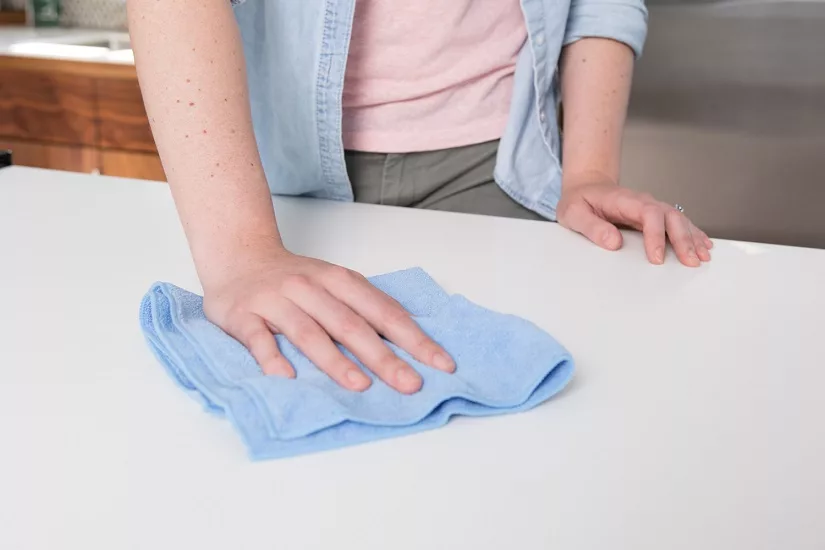
Credit: www.randrmagonline.com
Credit: www.randrmagonline.com
Frequently Asked Questions
How Do I Remove Leaves From A Microfiber Cloth?
Shake the cloth gently to dislodge leaves. Use a soft brush to sweep away stuck leaf debris. Avoid harsh scrubbing to protect the microfiber texture.
Can I Machine Wash A Microfiber Cloth With Leaves?
Yes, machine wash the cloth separately on a gentle cycle. Use mild detergent and avoid fabric softeners to maintain cleaning effectiveness.
What’s The Best Detergent For Cleaning Microfiber Cloths?
Use a mild, liquid detergent without bleach or fabric softeners. These keep microfiber fibers intact and effective for future cleaning tasks.
How To Dry A Microfiber Cloth After Removing Leaves?
Air-dry the cloth by hanging it or lay it flat. Avoid high heat from dryers, which can damage the fibers.
Conclusion
Cleaning microfiber cloths from leaves is simple with the right steps. Use gentle washing and avoid harsh chemicals. Rinse well to remove all dirt and debris. Let the cloth air dry to keep its softness. Clean cloths last longer and work better.
Keep your cleaning tools fresh and ready for use. A little care goes a long way in maintaining microfiber cloths. Now, your cloth is ready for the next cleaning task.