
Are you tired of cleaning products that leave streaks or don’t quite get the job done? Using a microfiber cloth can change the way you clean forever.
It’s simple, effective, and gentle on surfaces. But do you know the best way to use it to get sparkling results every time? You’ll discover easy tips and tricks that make your cleaning faster and more satisfying. Keep reading, and you’ll soon wonder how you ever cleaned without it.
Benefits Of Microfiber Cloths
Microfiber cloths have become a staple in many households for good reasons. Their unique fabric structure offers distinct advantages that make cleaning easier, more effective, and even better for the environment. Understanding these benefits can help you decide why switching to microfiber cloths is a smart move for your cleaning routine.
Superior Cleaning Power
The tiny fibers in microfiber cloths are designed to trap dirt, dust, and even bacteria more efficiently than traditional cloths. You don’t need to use harsh chemicals to get surfaces spotless—just water and a microfiber cloth often do the trick.
I once cleaned my kitchen countertops with only a damp microfiber cloth and noticed how easily it picked up sticky residues that other cloths missed. This means less scrubbing and faster cleaning times for you.
Eco-friendly Advantages
Using microfiber cloths reduces the need for chemical cleaners, which is better for the environment and your health. Since you can clean effectively with just water, you cut down on harmful substances entering your home and waterways.
Plus, microfiber cloths are reusable and durable, so you throw away fewer disposable wipes and paper towels. Have you thought about how much waste you can prevent by making this simple swap?
Cost-effectiveness
Though microfiber cloths might seem pricey upfront, they save money over time. Their durability means you wash and reuse them hundreds of times, unlike paper towels that need constant repurchasing.
You’ll also save on cleaning products because microfiber works well without extra chemicals. Investing in a few microfiber cloths can cut your cleaning costs significantly while keeping your home sparkling clean.
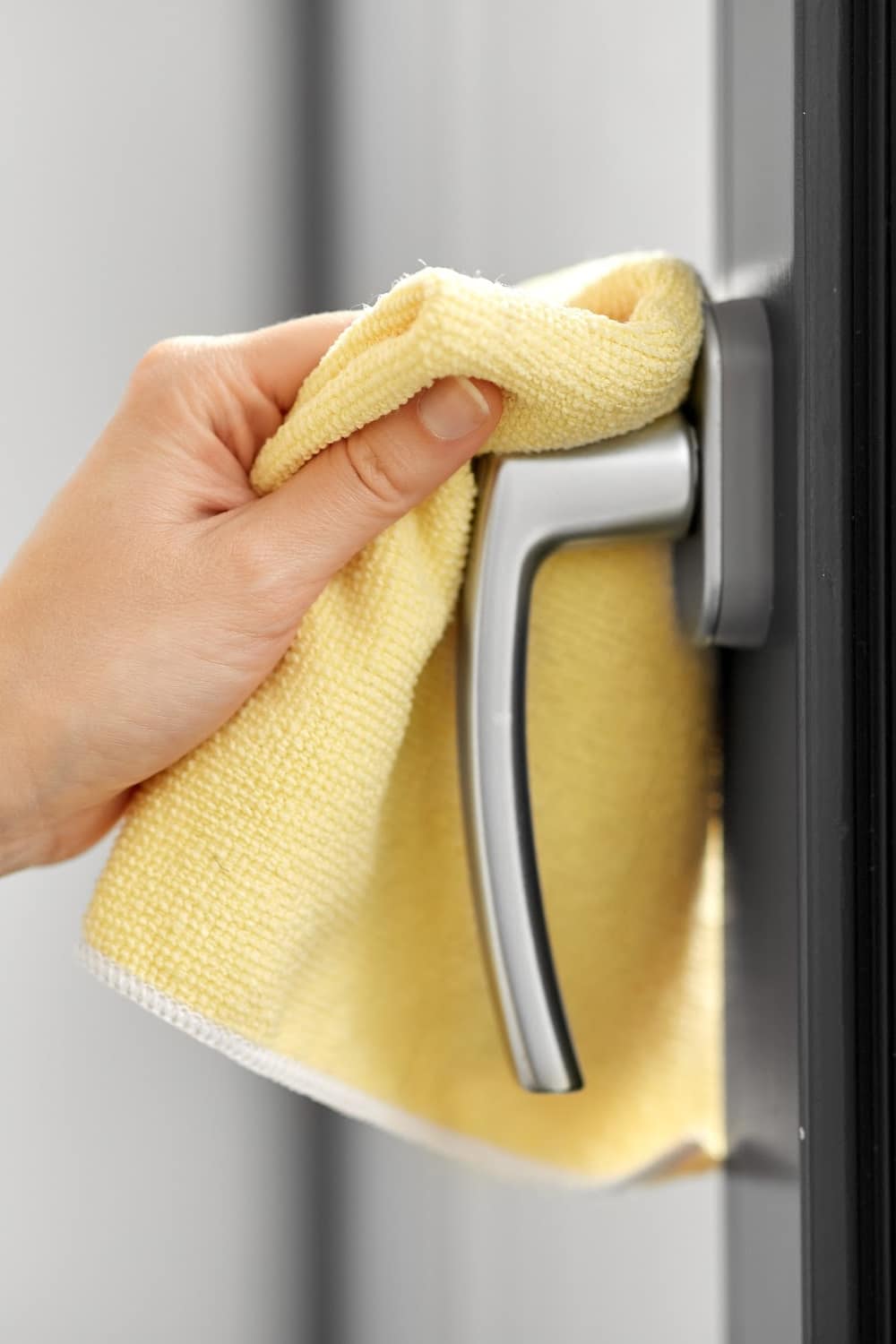
Credit: www.inspiringsavings.com
Choosing The Right Microfiber Cloth
Choosing the right microfiber cloth is key to getting the best results from your cleaning efforts. Not all microfiber cloths work the same way, and picking the one that suits your specific cleaning needs can save you time and effort. Let’s break down what you should consider before making your choice.
Different Weaves And Textures
Microfiber cloths come in various weaves and textures, each designed for different purposes. A flat weave is perfect for smooth surfaces like glass and mirrors because it leaves no streaks. On the other hand, a terry weave has tiny loops that trap dirt, making it great for dusting and scrubbing tougher grime.
Have you noticed how some cloths feel softer or rougher? That texture difference affects how well they pick up particles or polish surfaces. Choosing the right weave means matching it to the surface you’re cleaning to avoid scratches or ineffective cleaning.
Selecting Based On Cleaning Tasks
Think about what you clean most often. For delicate electronics or screens, use a very soft microfiber cloth to avoid damage. For kitchen counters or bathroom tiles, a more abrasive texture might be necessary to remove stubborn stains.
Consider keeping separate cloths for different jobs to prevent cross-contamination. For example, one cloth exclusively for dusting and another for wiping spills helps maintain hygiene and prolongs the cloth’s life.
Quality Indicators To Look For
Not all microfiber cloths are created equal. Look for cloths with a higher fiber density; they tend to clean better and last longer. You can usually find this information on the packaging or product description.
Check if the cloth feels thick and plush rather than thin and flimsy. Also, ensure it’s lint-free to avoid leaving residues behind. Investing in quality cloths may seem more expensive upfront but saves money by reducing the need for replacements.
Preparing The Cloth For Use
Rinse the microfiber cloth with warm water before use to remove any dust or loose fibers. Wring it out well to keep it damp but not soaking wet for best cleaning results.
Preparing your microfiber cloth for cleaning is a crucial step to ensure its effectiveness. Microfiber cloths are popular for their ability to trap dust and dirt, but they need a bit of attention before you start using them. Proper preparation can significantly enhance their cleaning power, making your chores easier and more efficient.Washing Before First Use
It’s essential to wash your microfiber cloth before its first use. This helps remove any manufacturing residues and ensures the fibers are ready to absorb dirt effectively. Use a mild detergent and warm water in your washing machine. Avoid overloading the machine to prevent tangling, which can damage the cloth fibers.Avoiding Fabric Softeners
Fabric softeners can ruin the texture of microfiber cloths. They coat the fibers, reducing their ability to grip dust and dirt. Instead, opt for a vinegar rinse if you’re aiming for softness. Simply add half a cup of white vinegar during the rinse cycle. This keeps the fibers intact and ready to clean efficiently.Proper Drying Techniques
The way you dry your microfiber cloth can impact its longevity. Air drying is ideal, as it prevents heat damage that dryers can cause. If you must use a dryer, set it to a low heat setting. High heat can shrink the fibers and lessen their effectiveness. You want your cloth to be soft and flexible, ready to tackle any cleaning task with ease. By taking these simple steps, you ensure your microfiber cloth is in top condition for cleaning. Have you ever noticed how a well-prepared cloth makes cleaning a breeze? Try these techniques and see the difference for yourself!Techniques For Effective Cleaning
Using a microfiber cloth properly makes cleaning easier and more effective. Different techniques help remove dust, dirt, and stains without scratching surfaces. Choosing the right method depends on the cleaning task and surface type.
Follow simple tips to get the best results with your microfiber cloth every time.
Dry Dusting Methods
Dry dusting is great for picking up loose dust and dirt. Use a clean, dry microfiber cloth. Gently wipe surfaces in one direction to trap dust particles.
Light pressure works best to avoid pushing dust around. For tight spaces, fold the cloth to reach corners. Repeat on all dusty areas until clean.
Damp Cleaning Tips
Damp cleaning removes sticky residues and dirt. Slightly wet the microfiber cloth with water. Wring out excess water to keep it just damp.
Wipe surfaces using smooth, circular motions. Rinse and wring the cloth often to avoid spreading dirt. Use a second dry cloth to polish and dry the surface.
Using With Cleaning Solutions
Microfiber cloths work well with many cleaning solutions. Spray the solution directly on the cloth, not on the surface. This controls the amount of liquid used.
Wipe gently to lift dirt and stains. Rinse the cloth frequently in clean water to keep it effective. Avoid harsh chemicals that can damage the cloth fibers.
Cleaning Specific Surfaces
Using a microfiber cloth effectively means understanding how it interacts with different surfaces. Each surface type has unique needs, and your cleaning approach should match them. Let’s look at how to get the best results on glass, electronics, kitchen and bathroom areas, and even your car.
Glass And Mirrors
Microfiber cloths are excellent for glass and mirrors because they trap dust and dirt without scratching. You don’t need harsh chemicals; just a damp cloth often does the trick. Wipe in circular motions to avoid streaks and make your surfaces gleam.
Ever noticed how some cloths leave streaks? That’s usually due to fabric type or residue. Using a clean, slightly damp microfiber cloth can save you time and frustration.
Electronics And Screens
Your phone, laptop, and TV screens are delicate and attract fingerprints quickly. A dry microfiber cloth removes smudges gently without damaging the screen’s coating. Avoid sprays directly on screens; instead, lightly mist the cloth if needed.
Have you ever cleaned a screen only to see more smudges? Try pressing lightly and using small, consistent strokes. This minimizes pressure and keeps your devices safe.
Kitchen And Bathroom Surfaces
Microfiber cloths shine in kitchens and bathrooms, where grime and water spots are common. Use one cloth for wiping counters, sinks, and faucets to prevent cross-contamination. For tougher spots, dampen the cloth with warm water or a mild cleaner.
Think about how often you wipe these areas. Regular use of microfiber cloths can reduce the buildup of bacteria and keep surfaces looking fresh without harsh scrubbing.
Automotive Cleaning
Cars have many surfaces that need different care, from windows to dashboards. Use a clean microfiber cloth to remove dust and fingerprints from the interior. For the exterior, use a damp cloth to gently lift dirt without scratching the paint.
Have you tried using one cloth for the whole car? It can spread dirt and cause scratches. Keep separate cloths for the inside and outside to protect your vehicle’s finish.
Credit: www.randrmagonline.com
Maintaining Microfiber Cloths
Maintaining your microfiber cloths properly is key to keeping them effective for cleaning. These cloths are designed to trap dirt and dust, but if they aren’t cared for well, their performance drops quickly. Taking a few minutes to wash, store, and replace them right can save you money and improve your cleaning results.
Washing Best Practices
Wash microfiber cloths separately from other laundry to avoid lint transfer. Use warm water and a mild detergent without fabric softeners or bleach, as these products clog the fibers and reduce absorbency.
Rinse thoroughly to remove all detergent residues. Air drying or tumble drying on low heat works best—high heat can damage the fibers and shorten the cloth’s lifespan.
Storage Recommendations
Keep your microfiber cloths in a clean, dry place to prevent mold or mildew growth. Avoid stuffing them into tight spaces where they can get crushed or dirty before their next use.
Organize them by color or cleaning purpose to prevent cross-contamination. For example, use one color for kitchen surfaces and another for bathroom cleaning.
When To Replace Cloths
How do you know when your microfiber cloth has lost its magic? If it no longer picks up dust well or feels stiff after washing, it’s time to get a new one.
Look for visible signs like fraying edges or thinning fabric. Using worn-out cloths can spread dirt instead of removing it, so replace them regularly to keep your cleaning routine effective.
Common Mistakes To Avoid
Using a microfiber cloth seems simple, but many make mistakes that reduce its effectiveness. Avoiding these errors keeps the cloth working well and lasts longer.
Small habits can harm the cloth’s cleaning power or damage surfaces. Learn these common mistakes to keep your microfiber cloth in top shape.
Using Fabric Softeners
Fabric softeners leave a coating on microfiber fibers. This coating blocks dirt and dust from sticking to the cloth. Avoid using softeners when washing microfiber cloths. Instead, wash them with mild detergent and no additives for best results.
Mixing With Other Fabrics
Washing microfiber with cotton or other fabrics causes lint buildup. The cloth traps lint, making it less effective for cleaning. Wash microfiber separately or with similar materials to keep it lint-free. This helps the cloth pick up dirt and dust easily.
Overusing The Cloth
Using the same microfiber cloth too long without washing reduces its cleaning power. Dirt and oils build up on the fibers, making them less absorbent. Change or wash the cloth often to maintain its quality. Do not scrub too hard; microfiber works best with gentle pressure.

Credit: www.youtube.com
Frequently Asked Questions
What Surfaces Can I Clean With A Microfiber Cloth?
Microfiber cloths work well on glass, wood, stainless steel, and electronics. They trap dust and dirt efficiently without scratching surfaces.
How Do I Wash A Microfiber Cloth Properly?
Wash microfiber cloths in warm water with mild detergent. Avoid fabric softeners and bleach to maintain their cleaning power and longevity.
Can Microfiber Cloths Be Used Dry Or Wet?
Microfiber cloths can be used both dry and damp. Dry cloths attract dust, while damp ones remove grime and fingerprints effectively.
How Often Should I Replace My Microfiber Cloth?
Replace microfiber cloths after 3-6 months of regular use. Signs include fraying edges and reduced cleaning effectiveness.
Conclusion
Using a microfiber cloth makes cleaning quick and easy. It picks up dust and dirt without scratching surfaces. You save money by using less cleaner and water. Just rinse and air dry the cloth after use. Keep it clean to avoid spreading germs.
Small steps like this help your home stay fresh and neat. Give microfiber cloths a try for simple, effective cleaning. You will notice the difference in no time.