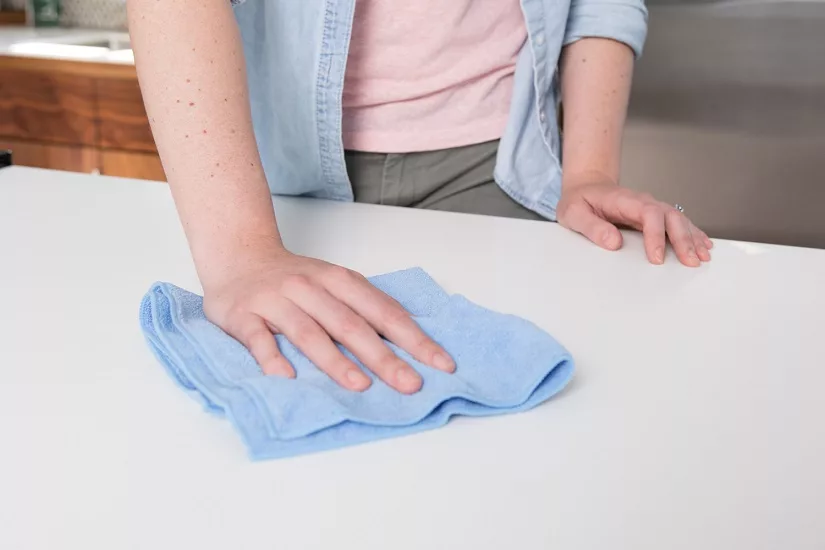
Have you ever wondered why microfiber cloths seem to clean better than regular cloths? If you want your surfaces spotless without using harsh chemicals, understanding how microfiber cloths work can change the way you clean forever.
These tiny fibers do more than just wipe away dirt—they trap it, lift it, and hold onto it so your home stays cleaner longer. Keep reading, and you’ll discover the simple science behind microfiber cloths and how you can use them to make your cleaning routine faster, easier, and more effective.
Microfiber Material Basics
Understanding the basics of microfiber material is key to grasping why microfiber cloths clean so effectively. The structure and composition of microfiber set it apart from other cleaning fabrics. Knowing these details helps you choose the right cloth for your cleaning needs.
What Makes Microfiber Unique
Microfiber stands out because it is made of extremely fine synthetic fibers, usually less than one denier in diameter. These tiny fibers create a large surface area, which allows the cloth to pick up more dirt, dust, and oils than traditional fabrics.
Another unique feature is the split fiber design. These fibers are split during manufacturing, creating even finer strands that trap particles more efficiently. This is why microfiber cloths can clean surfaces without needing harsh chemicals.
Have you noticed how a dry microfiber cloth can often remove dust better than a feather duster? That’s because the fibers grab onto particles instead of just pushing them around.
Types Of Microfiber Fibers
Microfiber generally comes in two main fiber types: polyester and polyamide (nylon). Each has a specific role in cleaning performance.
- Polyester:Provides the structure and durability. It helps the cloth maintain its shape and withstand repeated washing.
- Polyamide (Nylon):Adds softness and increases the cloth’s ability to absorb water and dirt. It also contributes to the electrostatic charge that attracts dust.
Most microfiber cloths combine these fibers in a 70/30 or 80/20 ratio to balance strength and absorbency. Understanding this ratio can guide you to select cloths tailored for dry dusting or wet cleaning tasks.
Next time you pick up a microfiber cloth, think about how its tiny fibers work together to capture grime. Could switching to the right microfiber cloth change the way you clean your home?
Credit: www.randrmagonline.com
Cleaning Mechanism
Microfiber cloths clean surfaces differently than regular cloths. Their unique fibers work together to remove dirt, dust, and liquids efficiently. This cleaning mechanism depends on the fiber’s size, texture, and material. Each part plays a vital role in capturing and holding grime.
How Microfibers Trap Dirt
Microfibers are extremely thin strands, much thinner than human hair. This thinness creates a dense network of tiny loops and spaces. These spaces catch dirt particles and dust easily. Unlike smooth cloths, microfibers do not just push dirt around. They hold the dirt inside the fibers, preventing it from spreading.
Electrostatic Properties
Microfiber cloths create static electricity as they move. This static charge attracts dust and small particles like a magnet. It helps lift dirt from surfaces without harsh scrubbing. The electric charge makes cleaning more effective, especially on dry surfaces.
Absorption And Retention
Microfibers absorb liquids better than cotton or other fabrics. They can hold up to seven times their weight in water. The fibers pull moisture away from surfaces quickly. Once absorbed, the cloth traps the liquid inside, stopping spills from spreading. This makes microfiber cloths perfect for wet and dry cleaning tasks.
Advantages Over Traditional Cloths
Microfiber cloths are becoming a popular choice for cleaning tasks. They offer several advantages over traditional cloths. Understanding these benefits can help you make an informed decision.
Efficiency In Dirt Removal
Microfiber cloths have tiny fibers that trap dirt effectively. These fibers are much finer than those in regular cloths. They reach deep into surfaces and remove dust and grime easily. This means less effort and better results. You can clean surfaces without using harsh chemicals.
Durability And Longevity
Microfiber cloths are designed to last. Their strong fibers resist wear and tear. You can wash and reuse them many times without losing quality. This durability makes them a cost-effective choice. You won’t need to replace them as often as traditional cloths.
Eco-friendly Benefits
Using microfiber cloths can reduce environmental impact. They clean effectively with just water, reducing chemical use. This helps protect the environment and promotes healthier living spaces. Their long lifespan means less waste over time. Choosing microfiber supports sustainable practices.

Credit: www.facebook.com
Using Microfiber Cloths Effectively
Using microfiber cloths effectively can transform your cleaning routine. These versatile tools don’t just wipe surfaces—they trap dust, dirt, and even bacteria. To get the most out of them, you need to match the cloth to the task and follow smart cleaning techniques.
Choosing The Right Cloth For The Surface
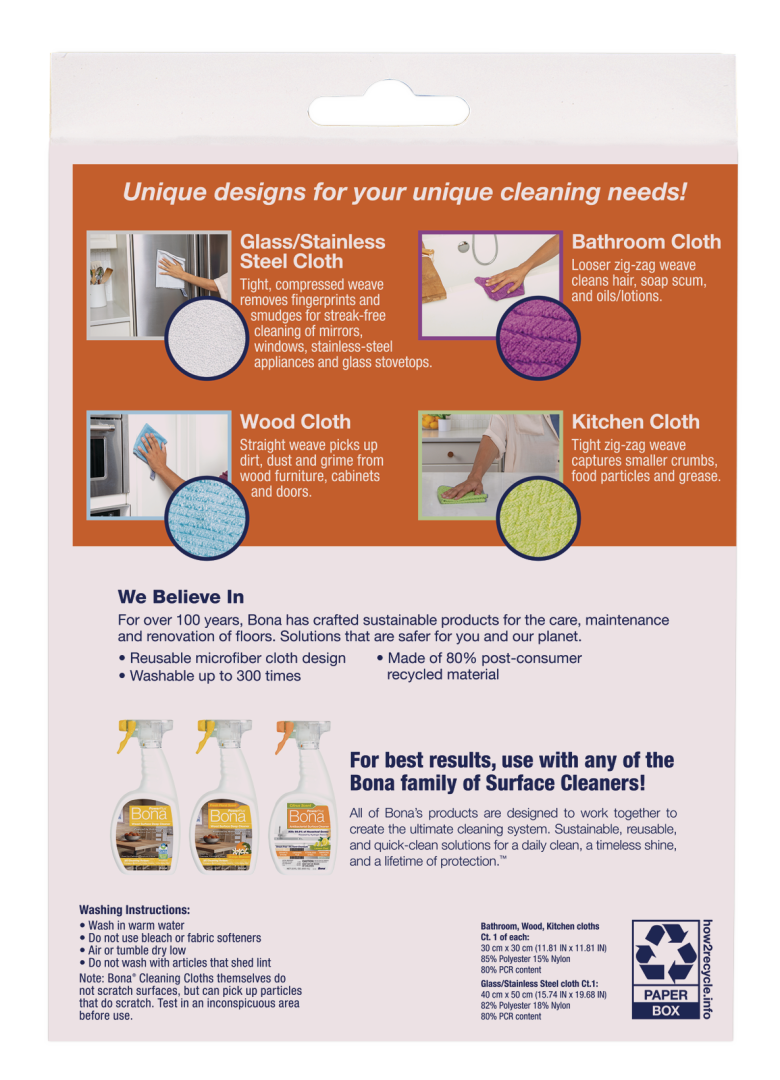
Not all microfiber cloths are the same. Some have a tighter weave perfect for glass and mirrors, while others with a thicker pile work better on rough surfaces like wood or car interiors.
Ask yourself: What surface will I clean? For delicate screens, pick a soft, lint-free cloth. For kitchens, a cloth with a higher absorbency can handle spills and grease better.
Using the wrong cloth might leave streaks or even scratch surfaces. Choosing wisely saves time and protects your belongings.
Techniques For Spotless Cleaning
Start with a dry cloth to dust surfaces—microfiber grabs particles instead of pushing them around. For sticky messes, dampen the cloth slightly to lift grime without spreading it.
Try using gentle, circular motions rather than harsh scrubbing. This helps loosen dirt and avoids damaging surfaces.
Have you noticed how flipping the cloth to a clean side improves results? It prevents redistributing dirt and keeps your cleaning efficient.
Care And Maintenance Tips
Keeping your microfiber cloths clean is key to their performance. Wash them separately in warm water without fabric softeners or bleach, which can clog fibers and reduce effectiveness.
Air drying is best, but if you use a dryer, choose a low heat setting to preserve the cloth’s structure.
Think about how often you clean your cloths—using a dirty one can just spread dirt around, defeating their purpose.
Common Applications
Microfiber cloths have become a staple in many cleaning routines due to their unique ability to trap dirt and dust effectively. Their structure allows them to clean surfaces without the need for harsh chemicals, making them versatile tools around your home and beyond. Understanding where microfiber cloths shine can help you make the most out of their cleaning power.
Household Cleaning
Microfiber cloths excel at tackling everyday messes around your home. They pick up dust from shelves and furniture without spreading it around. You can use them damp to clean kitchen counters, removing grease and stains with ease.
Have you noticed how quickly these cloths dry? This feature prevents bacteria growth, keeping your cleaning routine hygienic. They also work well on glass surfaces, leaving windows and mirrors streak-free.
Automotive Detailing
Car enthusiasts swear by microfiber cloths for detailing. Their soft fibers won’t scratch your car’s paint or delicate surfaces. They efficiently lift dirt and grime from dashboards, seats, and windows.
Using microfiber cloths reduces the need for multiple products. You can wipe off dust, polish chrome, and clean leather seats with just one cloth. Have you tried cleaning your car with a microfiber cloth yet? You might be surprised by the shine you achieve.
Electronics And Screen Care
Microfiber cloths are gentle enough for electronics but tough on fingerprints and smudges. They clean screens on phones, tablets, and laptops without leaving lint behind. This prevents damage to sensitive coatings and keeps your devices looking new.
Since these cloths don’t require liquids for effective cleaning, they minimize the risk of moisture damage. Next time your screen looks dull, grab a microfiber cloth instead of a tissue. Your devices will thank you for it.
Credit: www.bona.com
Avoiding Common Mistakes
Using microfiber cloths effectively means steering clear of mistakes that reduce their cleaning power. These tiny fibers are designed to trap dirt and moisture efficiently, but improper care can ruin their texture and performance. Let’s dive into some common pitfalls and how you can avoid them to keep your microfiber cloths working like new.
Washing And Drying Errors
Many people unknowingly damage their microfiber cloths during washing. Avoid fabric softeners and bleach—they clog the fibers and reduce absorbency.
Wash your cloths separately or with other non-linting items. This prevents fuzz from sticking to the microfiber’s surface.
Drying on high heat can melt the fibers, so opt for a low heat setting or air dry. Do you check your laundry labels before tossing your cloths in the washer?
Using Harsh Chemicals
Strong detergents and cleaning agents can break down microfiber fibers. Stay away from bleach and products with ammonia to maintain the cloth’s integrity.
Instead, use mild soap or gentle detergent to clean your microfiber cloths. This keeps them soft and effective over time.
Have you noticed your cloths becoming stiff or rough after cleaning? Harsh chemicals might be the culprit.
Cross-contamination Issues
Using one cloth for multiple surfaces can spread bacteria and dirt instead of removing them. Assign different cloths for kitchens, bathrooms, and dusting.
Label your cloths or keep them in separate containers to avoid mixing them up. This simple habit protects your home’s hygiene.
Think about how often you reuse the same cloth on different surfaces—could it be spreading grime rather than cleaning?
Frequently Asked Questions
What Makes Microfiber Cloths Effective For Cleaning?
Microfiber cloths have tiny fibers that trap dust and dirt efficiently. Their high surface area lifts grime without chemicals. This makes them ideal for streak-free, eco-friendly cleaning on various surfaces.
How Do Microfiber Cloths Trap Dust And Dirt?
Microfiber cloths use split fibers that create a web-like structure. This structure grabs and holds dust, dirt, and even bacteria. The fibers prevent particles from spreading, ensuring thorough cleaning.
Can Microfiber Cloths Clean Without Chemicals?
Yes, microfiber cloths clean effectively using only water. Their fine fibers lift and trap dirt without needing harsh cleaners. This reduces chemical exposure and is safer for people and the environment.
How Often Should Microfiber Cloths Be Washed?
Microfiber cloths should be washed after each use for best performance. Use warm water and mild detergent, avoiding fabric softeners. Proper care maintains their cleaning ability and durability.
Conclusion
Microfiber cloths clean by trapping dirt and dust in tiny fibers. They use static electricity to hold particles, making surfaces spotless. These cloths need little water or cleaning chemicals. They work well on many surfaces, from glass to wood. Using microfiber saves time and effort in cleaning.
They dry quickly and last a long time. Choosing microfiber cloths helps keep your home clean and fresh. Simple, effective, and easy to use. A smart choice for everyday cleaning tasks.