
Choosing the best stainless steel cookware can feel overwhelming with so many options available. You want pots and pans that last, cook evenly, and make your time in the kitchen enjoyable.
But how do you know which set is truly worth your money? You’ll discover simple tips to pick cookware that fits your needs perfectly. By the end, you’ll feel confident making a choice that transforms your cooking experience. Keep reading—your future meals will thank you.
:max_bytes(150000):strip_icc()/faw-le-creuset-essential-stainless-steel-10-piece-cookware-set-nsimpson-40-f89b12584c484862aa7ad077d681ca28.jpeg)
Credit: www.foodandwine.com
Benefits Of Stainless Steel Cookware
Stainless steel cookware offers many benefits that make it a favorite in kitchens worldwide. It combines strength, safety, and ease of use. This cookware type suits various cooking styles and skill levels. Understanding its benefits helps in choosing the best set for your needs.
Durability And Longevity
Stainless steel is tough and resists dents, scratches, and rust. It lasts for many years without losing quality. You can use it daily without worrying about damage. This durability means fewer replacements and better value over time.
Heat Distribution
Good stainless steel cookware spreads heat evenly across the surface. This feature prevents hot spots that burn food. It helps cook meals more uniformly and saves energy. A well-made base improves cooking performance significantly.
Non-reactive Surface
The non-reactive surface does not change the taste of food. It won’t absorb or release chemicals during cooking. This makes it safe for all types of ingredients, including acidic ones like tomatoes or lemon. Your dishes keep their true flavor.
Ease Of Maintenance
Cleaning stainless steel cookware is simple and quick. It resists stains and won’t hold onto food smells. Most sets are dishwasher safe, reducing cleanup time. Regular washing keeps them shiny and hygienic for everyday use.

Credit: www.bbcgoodfood.com
Types Of Stainless Steel Cookware
Choosing the right type of stainless steel cookware can significantly impact your cooking experience. Different constructions and steel grades affect heat distribution, durability, and ease of use. Understanding these differences helps you pick cookware that matches your cooking style and budget.
Tri-ply And Multi-ply Construction
Tri-ply cookware consists of three layers: an aluminum or copper core sandwiched between two layers of stainless steel. This design offers excellent heat distribution and prevents hot spots, ensuring even cooking.
Multi-ply construction goes beyond three layers, sometimes featuring five or seven layers for even better heat retention and durability. However, more layers usually mean a higher price and heavier pots and pans. Think about whether you want lightweight cookware or are willing to handle extra weight for superior performance.
Clad Vs. Non-clad Cookware
Clad cookware has layers of metal bonded together, typically stainless steel on the outside and aluminum or copper inside. This combination provides the strength of stainless steel with the heat conductivity of other metals.
Non-clad cookware is just a single layer of stainless steel, which can lead to uneven heating and food sticking. While cheaper, it may require more attention during cooking. Ask yourself if you’re okay with monitoring heat closely or prefer cookware that does the work for you.
Different Grades Of Stainless Steel
Grades like 18/10, 18/8, and 18/0 refer to the percentage of chromium and nickel in the steel. Higher nickel content (like 18/10) means better corrosion resistance and a shinier finish.
18/0 steel lacks nickel, making it magnetic and suitable for induction cooktops but less resistant to rust. If you have an induction stove, you might prioritize magnetic cookware, but also consider how much maintenance you’re willing to do to keep it looking new.
Key Features To Look For
Choosing the right stainless steel cookware means checking important features. These features affect how the cookware performs and how safe it is to use. Focus on comfort, safety, and compatibility with your kitchen setup. These details help you cook better and make your kitchen tasks easier.
Handle Comfort And Safety
Handles should feel secure and comfortable in your hand. Look for handles that stay cool during cooking. Riveted or welded handles offer strong support and last longer. Non-slip grips add extra safety, especially when handling hot pots and pans. Avoid plastic handles that may melt or weaken over time.
Lid Types And Materials
Lids help keep heat and moisture inside the cookware. Choose lids made of tempered glass to watch your food while cooking. Tight-fitting lids prevent steam from escaping, which saves energy. Stainless steel lids are durable and easy to clean. Make sure the lids fit well to avoid spills and heat loss.
Compatibility With Cooktops
Check if the cookware works with your stove type. Most stainless steel cookware works on gas, electric, and ceramic cooktops. Look for cookware labeled as induction compatible if you have an induction stove. A flat and smooth base ensures even heating and good contact with the cooktop.
Oven And Dishwasher Safety
Cookware that can go in the oven adds cooking flexibility. Check the maximum oven temperature the cookware can handle. Dishwasher-safe cookware saves time on cleaning. Avoid cookware with parts that may warp or discolor in the dishwasher. Confirm safety details in the product description before buying.
Size And Set Options
Choosing the best stainless steel cookware hinges significantly on understanding size and set options. Whether you’re a budding chef or a seasoned cook, selecting the right combination of pots and pans can transform your cooking experience. You might be wondering how to balance the allure of a complete set with the practicality of individual pieces. Let’s dive into these considerations to help you make an informed decision.
Choosing Individual Pieces
Sometimes, less is more. Selecting individual pieces allows you to tailor your cookware to your specific needs. Consider the meals you frequently prepare. If soups and stews are your go-to, a quality stockpot should top your list. You might find that a versatile sauté pan is indispensable for quick stir-fries. Think about your cooking habits and how each piece will serve you best.
Complete Cookware Sets
Complete sets offer the convenience of matching pieces that cover all bases. A typical set includes saucepans, frying pans, and a stockpot. If you’re starting from scratch, a set can be a cost-effective way to equip your kitchen. Make sure to check the piece count and ensure it aligns with your cooking needs. Remember, a great set should complement your culinary style and not overwhelm your storage space.
Storage And Space Considerations
Space is often at a premium in kitchens, making storage a crucial factor. Consider your available cabinet space before choosing bulky sets. Stackable cookware can be a lifesaver, optimizing storage without sacrificing functionality. You could also hang pieces to free up cabinet space and add a stylish touch to your kitchen. Ask yourself: how will these choices affect your kitchen’s organization and aesthetics?
Price And Warranty Factors
Price and warranty are key factors when choosing stainless steel cookware. They affect long-term satisfaction and value. Understanding both can help make a smart purchase. Cookware should fit your budget without compromising quality. Warranty coverage protects against defects and ensures support if issues arise.
Budget Vs. Premium Brands
Budget stainless steel cookware suits basic cooking needs. These sets cost less but may lack durability. They often have thinner metal and fewer layers for heat distribution.
Premium brands offer thicker metal and multi-ply construction. They provide even heating and resist warping better. The price is higher but quality lasts longer. Premium cookware often includes features like ergonomic handles and polished finishes.
Consider how often you cook and your style. For occasional use, budget options work well. For frequent cooking or professional results, premium brands are a wise choice.
Warranty Coverage And Support
Check warranty length and what it covers before buying. Some brands offer lifetime warranties on stainless steel cookware. This covers manufacturing defects and material flaws.
Warranty terms differ. Look for coverage on handles, lids, and cooking surfaces. Some warranties exclude damage from misuse or normal wear.
Good warranty support includes easy claim processes and responsive customer service. This adds peace of mind and helps protect your investment.
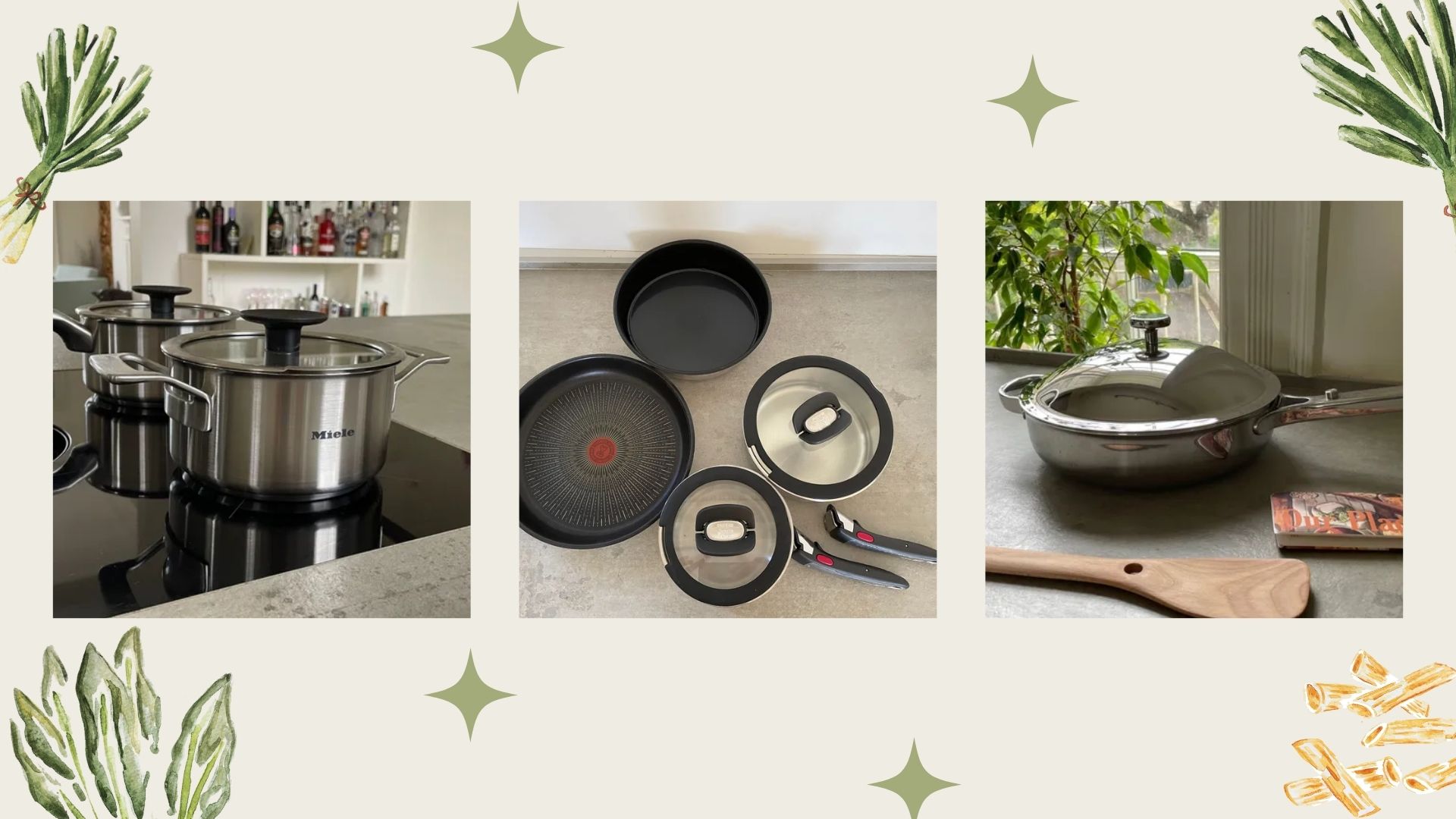
Credit: www.womanandhome.com
Maintenance And Care Tips
Proper maintenance keeps stainless steel cookware looking new and lasting longer. Careful cleaning and handling prevent damage and stains. Simple daily habits protect the shine and performance of your pots and pans.
Follow easy tips to clean and maintain your cookware effectively. Avoid common mistakes that cause rust or discoloration. Restore the bright finish with safe polishing methods.
Cleaning Techniques
Wash cookware after each use with warm water and mild soap. Use a soft sponge or cloth to avoid scratches. For stuck-on food, soak the pan in warm soapy water first.
Remove stains with a paste of baking soda and water. Rub gently and rinse well. Avoid harsh cleaners or steel wool that can damage the surface.
Avoiding Common Damage
- Do not use metal utensils that scratch the cookware.
- Avoid overheating empty pans to prevent warping.
- Dry cookware immediately after washing to stop water spots.
- Store pans with care, avoid stacking without protection.
- Keep cookware away from harsh chemicals and bleach.
Polishing And Restoring Shine
Use a stainless steel cleaner or a mixture of vinegar and water for polishing. Apply with a soft cloth and rub in the direction of the grain. Rinse and dry thoroughly.
For a natural shine, wipe with olive oil after cleaning. This also helps protect the surface from stains. Regular polishing keeps your cookware looking smooth and new.
Frequently Asked Questions
What Makes Stainless Steel Cookware The Best Choice?
Stainless steel cookware offers durability, resistance to rust, and even heat distribution. It’s non-reactive, ensuring food tastes pure. Its versatility suits various cooking methods, making it a top kitchen choice.
How To Identify High-quality Stainless Steel Cookware?
Look for 18/10 or 18/8 stainless steel, indicating nickel content for shine and corrosion resistance. Check for a thick, multi-ply base for even heating. Quality brands often provide warranties and use heavy gauge materials.
Does Stainless Steel Cookware Require Special Maintenance?
Yes, to maintain shine, avoid abrasive cleaners. Hand wash with mild detergent and dry immediately. Remove stains with baking soda paste. Proper care extends the cookware’s life and performance.
Is Stainless Steel Safe For All Cooking Types?
Yes, stainless steel is safe for frying, boiling, sautéing, and baking. It doesn’t leach chemicals or react with acidic foods. This safety makes it ideal for everyday cooking needs.
Conclusion
Choosing the best stainless steel cookware takes some thought. Consider your cooking style and budget first. Look for good heat distribution and durability. Check for ease of cleaning and maintenance. Think about the size and number of pieces you need.
Trust your senses—feel the weight, check the finish. The right cookware makes cooking easier and more fun. Take your time and choose what fits you best. Cook with confidence and enjoy every meal.