
Are you ready to transform your breakfast into something unforgettable? The secret lies in the batter you use for your French toast.
Getting it just right means your toast will come out perfectly crispy on the outside and soft, flavorful, and rich on the inside. But how do you make the best French toast batter every time? You’ll discover simple tips and tricks that will turn your ordinary breakfast into a delicious treat.
Keep reading, and soon you’ll be serving French toast that everyone will ask for again and again.

Credit: easybudgetrecipes.com
Choosing The Right Bread
Choosing the right bread is key to making delicious French toast. The bread soaks up the batter and gives the toast its texture and flavor. Not all breads work well, so picking the best type matters. Bread freshness and thickness also affect how the French toast cooks and tastes.
Best Bread Types For French Toast
Certain breads absorb the batter better and hold their shape. Here are some great choices:
- Brioche – Soft, rich, and slightly sweet. Perfect for a tender toast.
- Challah – Light and fluffy with a nice crumb.
- Sourdough – Adds a tangy flavor and firm texture.
- French bread – Classic choice with a sturdy crust.
- Texas toast – Thick slices that soak up plenty of batter.
Avoid very thin or crusty breads that dry out quickly or fall apart.
Bread Freshness And Thickness
Day-old bread works best for French toast. It soaks up the batter without getting mushy. Fresh bread may become too soggy and fall apart.
Thickness matters too. Slices around 3/4 to 1 inch thick absorb enough batter and cook evenly. Thin slices dry out fast and get crispy. Thick slices stay soft inside and crispy outside.
Essential Ingredients
Creating the perfect French toast batter begins with choosing the right ingredients. Each component plays a crucial role in building flavor, texture, and richness. Understanding what goes into your batter can transform your breakfast from ordinary to unforgettable.
Eggs And Milk Selection
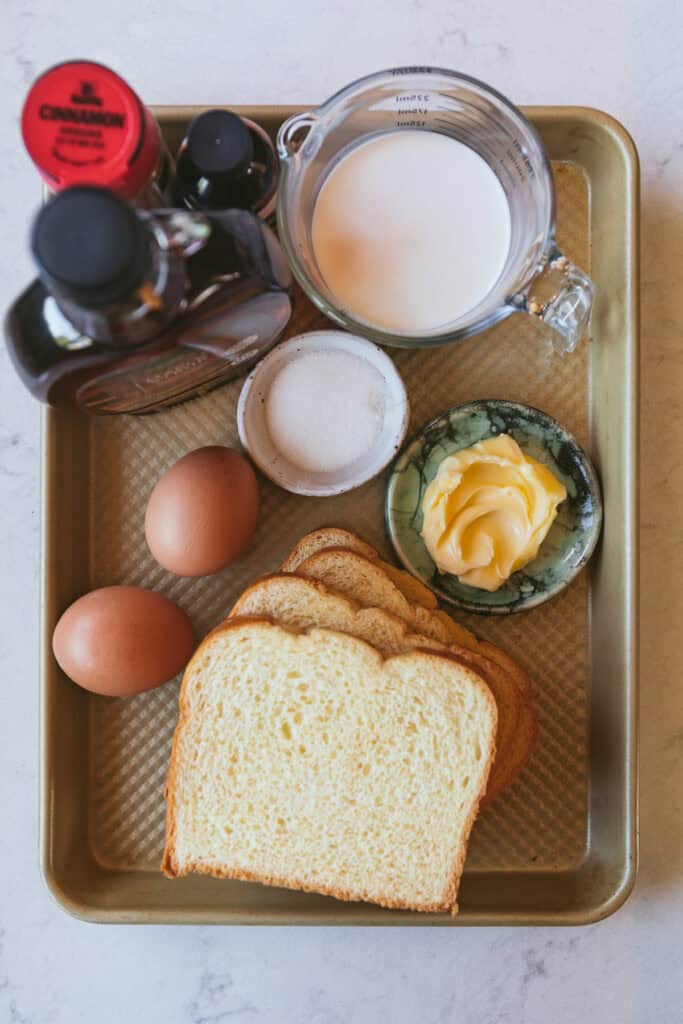
Eggs are the backbone of your French toast batter. Fresh, high-quality eggs add richness and help the batter hold onto the bread. If you want extra creaminess, try using whole eggs or a combination of whole eggs and egg yolks.
Milk choice also impacts texture and taste. Whole milk offers a creamy consistency that makes your French toast tender. If you prefer a lighter option, 2% milk works well, but avoid skim milk as it can result in dry, less flavorful toast.
Have you ever noticed how some French toast feels dense while others are light and fluffy? The milk and egg ratio is often the reason. Try a ratio of about 1 egg to 1/4 cup of milk for each slice of bread to get that perfect soak without sogginess.
Sweeteners And Flavor Enhancers
Adding sweetness to your batter isn’t just about taste—it also helps with caramelization, giving your French toast that beautiful golden crust. Simple granulated sugar works, but brown sugar or maple syrup can add depth with subtle caramel notes.
Vanilla extract is a classic flavor enhancer that brightens the batter’s profile without overpowering it. A teaspoon per batch is enough to make a noticeable difference. You might also experiment with a pinch of cinnamon or nutmeg for warmth and complexity.
Think about how you like your French toast. Do you prefer a hint of sweetness or something more fragrant? Adjust your sweeteners and spices accordingly to match your taste. This simple tweak can make each bite uniquely yours.
Mixing The Batter
Whisk eggs, milk, sugar, and cinnamon until smooth and creamy. Avoid overmixing to keep the batter light and airy. A well-blended batter soaks bread evenly for perfect French toast.
Mixing the batter is the heart of making French toast. It’s where flavors blend and textures form. A perfect batter sets the stage for a delicious breakfast treat. Focus on quality ingredients and technique. With a few simple steps, you can create a batter that’s both rich and smooth.Combining Ingredients Perfectly
Start with fresh eggs and whole milk. These create a creamy base. Crack eggs into a large bowl. Whisk until yolks and whites blend seamlessly. Add milk slowly. This prevents clumping and ensures smoothness. Choose a fragrant vanilla extract for added aroma. Sprinkle in a pinch of salt. It enhances sweetness and balances flavors.Achieving The Ideal Consistency
Consistency is key for French toast batter. It should coat the back of a spoon. Not too thick or thin. Stir gently for uniformity. Avoid overmixing. It can make the batter dense. A light touch keeps it airy. Let the mixture rest briefly. This allows flavors to meld together. Check the texture before dipping your bread. Adjust with milk if needed. A perfect batter guarantees a delightful French toast experience.Adding Extra Flavors
Adding extra flavors to your French toast batter is a simple way to make each bite more exciting. Small tweaks can transform a basic recipe into something memorable and delicious. Think about what flavors you enjoy and how they can complement the sweet, custardy base of your batter.
Spices And Extracts
Spices like cinnamon, nutmeg, or cardamom add warmth and depth to your batter. A pinch of cinnamon can make your French toast feel cozy, perfect for a chilly morning. Nutmeg offers a slightly nutty, sweet aroma that pairs well with maple syrup.
Vanilla extract is a classic choice that brightens the batter and enhances sweetness. Almond extract, used sparingly, adds a subtle nutty twist that surprises your taste buds. You might even try a drop of orange or lemon extract for a fresh, citrusy kick. How bold do you want your flavors to be?
Optional Mix-ins
Mix-ins bring texture and bursts of flavor to your French toast. Fresh berries, such as blueberries or raspberries, add natural sweetness and a juicy pop. Chopped nuts like pecans or walnuts provide a satisfying crunch that contrasts the soft bread.
Chocolate chips can turn your breakfast into a treat that feels indulgent but still easy to make. If you prefer something savory, try adding shredded cheese or herbs for a unique twist. What would you add to make your French toast truly yours?
Soaking Techniques
Soaking your bread properly is the heart of making the best French toast batter. The way you soak affects texture, flavor, and how well the toast holds together when cooked. Getting this step right can transform your breakfast from ordinary to irresistible.
How Long To Soak Bread
Timing is everything when soaking bread for French toast. Too short, and the bread stays dry inside; too long, and it turns soggy and falls apart.
Generally, soaking each slice for about 20 to 30 seconds on each side works well with thicker bread like brioche or challah. Thinner slices may only need 10 to 15 seconds per side.
Have you ever left bread soaking too long and ended up with a mushy mess? It’s tempting to soak longer, thinking it will absorb more flavor. But the key is to find a sweet spot where the bread is fully soaked but still firm enough to hold shape in the pan.
Tips For Even Absorption
To get even absorption, gently press the bread down into the batter so it soaks up the mixture uniformly. Avoid dunking and pulling the bread out quickly—that can cause uneven patches.
- Use a shallow dish wide enough to lay the bread flat.
- Turn the bread slowly to coat all sides.
- Let excess batter drip off before cooking to prevent sogginess.
Try laying the bread flat in the batter and letting it rest for a few seconds, then flipping. This gives the mixture time to seep into every nook. Think about how you soak a sponge—pressing too hard or too fast won’t let it absorb evenly.
Cooking Tips
Cooking the perfect French toast requires more than just a good batter. The heat and fat you use make a big difference. These tips help you get a crisp outside and soft inside every time.
Best Heat Settings
Use medium to medium-low heat for cooking French toast. Too high heat burns the outside and leaves the inside raw. Too low heat makes it soggy and greasy.
Preheat your pan well before adding the batter. This helps cook the toast evenly. Keep the temperature steady to avoid burning or undercooking.
Using Butter Vs. Oil
Butter adds rich flavor and a golden crust to French toast. It browns nicely but can burn if the heat is too high.
Oil has a higher smoke point and resists burning better. It makes the toast crispy but lacks butter’s flavor.
Try combining both: a small amount of oil with butter prevents burning and keeps great taste. Use just enough to coat the pan thinly.
Serving Suggestions
Serving your French toast with the perfect accompaniments can elevate the experience from simple to spectacular. The batter you make is just the start; what you add on top and drink alongside can make all the difference. Are you ready to discover some delicious ways to enhance your French toast?
Toppings And Syrups
Think beyond plain syrup. Fresh fruits like strawberries, blueberries, or sliced bananas add natural sweetness and a burst of color. A dollop of whipped cream or a sprinkle of powdered sugar can bring a light, creamy touch.
Try crunchy options like chopped nuts or granola for texture contrast. If you want something richer, a drizzle of chocolate sauce or a spoonful of nut butter will satisfy your cravings. Don’t overlook classic maple syrup—it’s a timeless choice that complements every bite.
- Fresh berries or sliced fruits
- Whipped cream or yogurt
- Chopped nuts (walnuts, pecans, almonds)
- Maple syrup or honey
- Chocolate or caramel sauce
- Nut butters (peanut, almond, or cashew)
Pairing With Beverages
Your beverage choice can either balance or boost the flavors of your French toast. Coffee with a hint of cinnamon or vanilla makes a cozy, aromatic pairing. If you prefer tea, try a chai or a fruity herbal blend to add a subtle spice or floral note.
For a refreshing contrast, cold-pressed orange juice or a sparkling fruit soda works well. Want to make brunch extra special? A mimosa or a light white wine can turn your meal into a festive occasion.
- Coffee with cinnamon or vanilla
- Chai or fruity herbal tea
- Fresh orange juice or sparkling fruit soda
- Mimosa or light white wine for special moments

Credit: www.youtube.com
Credit: joythebaker.com
Frequently Asked Questions
What Ingredients Make The Best French Toast Batter?
The best batter includes eggs, milk, vanilla extract, cinnamon, and a pinch of salt. These create a rich, flavorful base.
How Long Should I Soak Bread In French Toast Batter?
Soak bread for 20 to 30 seconds per side. This ensures it absorbs enough batter without becoming soggy.
Can I Use Different Milk Types For French Toast Batter?
Yes, you can use whole, skim, almond, or oat milk. Choose based on taste and dietary preferences.
Should I Add Sugar To French Toast Batter?
Adding a small amount of sugar enhances sweetness. Adjust the quantity to suit your taste and recipe.
Conclusion
Making the best French toast batter is simple and fun. Use fresh ingredients and mix them well. Taste matters, so add just the right amount of sugar and spice. Let the bread soak long enough to absorb flavors. Cook on medium heat for a golden, crispy outside.
Enjoy your French toast warm with your favorite toppings. This easy recipe will bring joy to your breakfast table. Give it a try and see the difference yourself. Breakfast made better, every time.