
Choosing the right frying pan size can make a big difference in your cooking experience. You want a pan that fits your needs without taking up too much space or wasting heat.
But how do you know which size is best for you? Whether you’re cooking for one or a whole family, the perfect pan size is key to making your meals easier and more enjoyable. Keep reading, and you’ll discover exactly what frying pan size works best for your kitchen and lifestyle.

Credit: www.lemon8-app.com
Choosing The Right Pan Size
Choosing the right frying pan size is key to good cooking. The right pan size helps cook food evenly and prevents overcrowding. It also saves energy and fits well on your stove. Picking a pan that matches your cooking needs makes meal prep easier and more enjoyable.
Common Frying Pan Sizes
Frying pans come in many sizes. The most common sizes are:
- 8 inches – best for small meals and single servings
- 10 inches – versatile, good for most everyday cooking
- 12 inches – ideal for larger families or cooking bigger portions
Smaller pans heat up faster but hold less food. Larger pans cook more food but need more heat.
How Pan Size Affects Cooking
Pan size changes how food cooks. A small pan can cause crowding. This leads to steaming instead of frying. A large pan spreads food out, helping it brown better. Too large a pan wastes heat and energy. The right size ensures food cooks evenly and tastes great.
Matching Pan Size To Your Stove
Your stove size limits your pan choice. Small burners work best with small pans. Large burners fit bigger pans well. Using a pan too big for the burner wastes energy. It also heats unevenly and risks damage. Choose a pan that fits your stove for best results.
Cooking Needs And Pan Sizes
Choosing the right frying pan size depends on your cooking needs. Different meals require different pan sizes. Matching pan size to your cooking style improves efficiency and results. Consider the number of servings and meal type before picking a pan.
Small Pans For Quick Meals
Small pans typically range from 6 to 8 inches in diameter. They heat up quickly and are perfect for single servings. Ideal for frying eggs, toasting nuts, or making small omelets. Small pans save space and use less energy. Great for quick snacks or side dishes.
Medium Pans For Everyday Use
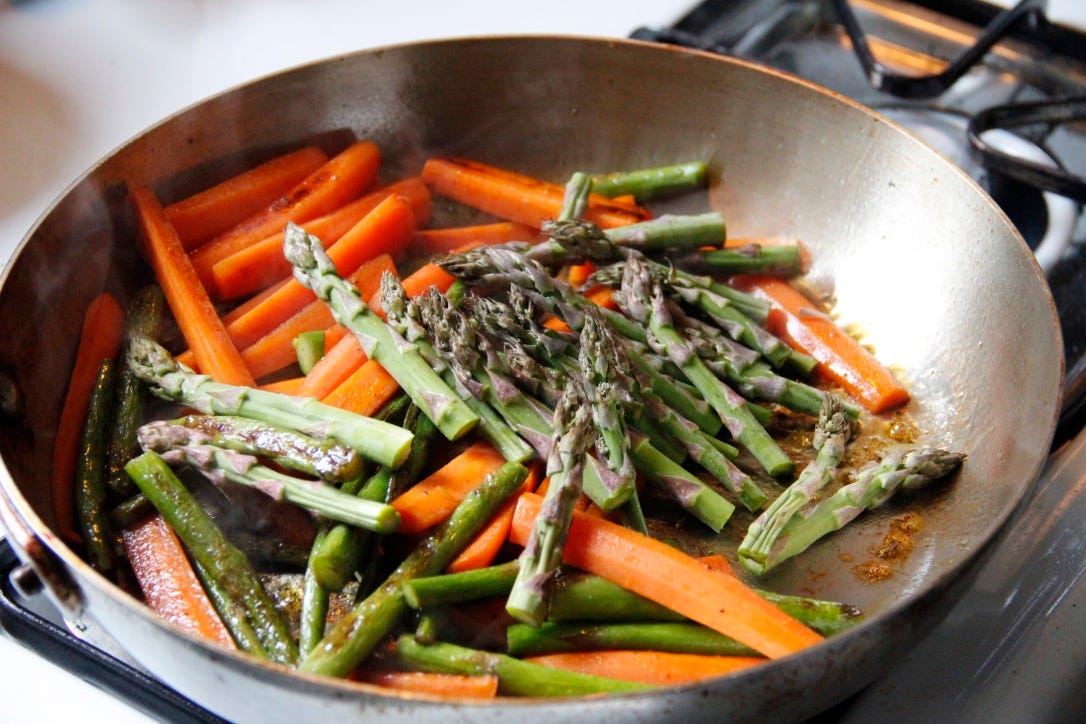
Medium pans usually measure 9 to 11 inches across. They suit most daily cooking tasks like sautéing vegetables or cooking pancakes. A versatile size that fits well on most stovetops. Medium pans work well for two to three servings. Easy to handle and clean, making them kitchen staples.
Large Pans For Family Cooking
Large pans range from 12 to 14 inches or more. They provide enough space to cook for families or groups. Perfect for frying multiple items or preparing large meals. Large pans help maintain even heat for consistent cooking. Useful for dishes like stir-fries or searing large cuts of meat.
Material And Heat Distribution
The material of a frying pan greatly affects how heat is distributed. Different materials conduct heat differently, influencing cooking results. Choosing the right material is crucial for achieving even cooking. It ensures your food is cooked uniformly and efficiently.
Impact Of Material On Cooking
Each frying pan material impacts cooking performance. Stainless steel pans offer durability and even heat distribution. They are less prone to warping under high heat. Cast iron pans retain heat well, ideal for slow-cooking recipes. Non-stick pans provide ease for delicate foods but have varying heat retention.
Aluminum pans are lightweight and heat up quickly. Copper pans offer excellent heat distribution but require regular maintenance. Each material suits different cooking styles and needs.
Best Materials For Different Pan Sizes
Small pans benefit from quick heating materials like aluminum. These are perfect for quick meals. Medium-sized pans work well with stainless steel or non-stick surfaces. They offer versatility for everyday cooking.
Large pans often need materials like cast iron for even heat retention. Ideal for family meals or slow-cooked dishes. Copper pans, though costly, are great for precision cooking. Choose the material based on the pan size and cooking requirement.
Space And Storage Considerations
Choosing the right frying pan size is not only about cooking needs. Space and storage in your kitchen also play a big role. A large pan might cook more food but can be hard to store. A smaller pan saves space but may limit cooking capacity. Understanding your kitchen layout and storage options helps pick the best size.
Kitchen Size And Pan Storage
Small kitchens need pans that fit easily in cabinets or drawers. Large pans can crowd counters or cabinets. Measure your available storage space before buying. Consider how often you cook with a pan. If you use it daily, keep it accessible. For occasional use, store it in less reachable spots.
Keep in mind the pan’s handle length. Long handles can make storage tricky. Look for pans with foldable or shorter handles for tight spaces.
Stacking And Nesting Pans
Stacking pans saves space in kitchen cabinets. Look for pans designed to nest inside each other. This reduces clutter and frees up room for other items. Use felt or silicone liners between pans to prevent scratches.
Choose sets with multiple sizes that stack well. This lets you have the right pan for every task without wasting space. Nesting pans also make moving and cleaning easier.
Budget And Quality Factors
Choosing the right frying pan isn’t just about size; your budget and the quality of the pan play a huge role in the decision. You want a pan that lasts and performs well without emptying your wallet. Balancing price with durability can save you money and frustration down the line.
Price Range By Size And Brand
Frying pans come in a wide price range depending on their size and brand. Smaller pans, around 8 inches, usually cost less but may not suit all cooking needs. Larger pans, like 12 inches or more, naturally cost more due to extra material and manufacturing.
Brands also affect the price significantly. Trusted brands often charge a premium for their reputation and quality assurance. Budget-friendly brands might offer affordable options but sometimes compromise on material or coating quality.
| Pan Size | Budget Range | Mid-Range | Premium Range |
|---|---|---|---|
| 8-inch | $15 – $30 | $30 – $60 | $60 – $100+ |
| 10-inch | $20 – $40 | $40 – $80 | $80 – $120+ |
| 12-inch | $25 – $50 | $50 – $100 | $100 – $150+ |
Investing In Durable Frying Pans
Think about how often you cook and the types of dishes you make. Spending a bit more on a durable frying pan can save you from replacing it frequently. Pans made with heavy-gauge metals or hard-anodized aluminum tend to last longer and distribute heat better.
Non-stick coatings are convenient but wear out faster if the pan is cheap. Stainless steel or cast iron pans might require more care but can serve you well for decades. Ask yourself: Would you prefer a pan that lasts years or one that needs replacing every few months?
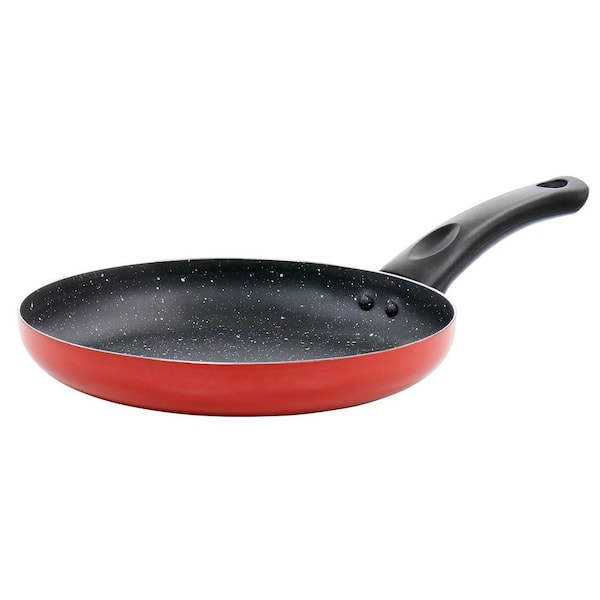
From personal experience, investing in a mid-range 10-inch hard-anodized pan transformed my cooking. It heats evenly and cleans up easily, proving that quality pays off. Your budget doesn’t have to be huge, but choosing quality over the lowest price will benefit your cooking in the long run.
Credit: www.homedepot.com
Tips For Maintaining Frying Pans
Maintaining your frying pans properly can save you money and improve your cooking experience. A well-cared-for pan heats evenly and lasts for years, helping you prepare meals with confidence. Simple habits and the right cleaning techniques make a significant difference.
Cleaning Different Pan Materials
Different pans need different care. Non-stick pans, for instance, require gentle cleaning to preserve their coating. Avoid abrasive scrubbers; instead, use a soft sponge with warm, soapy water.
Cast iron pans should never be soaked in water. After cooking, wipe them clean with a paper towel or a brush, then dry immediately to prevent rust. Occasionally, rub a thin layer of oil on the surface to keep it seasoned and non-stick.
Stainless steel pans can handle a bit more scrubbing. If food sticks, soak the pan in warm water before cleaning. For tough stains, a mixture of baking soda and water works wonders without damaging the surface.
Extending Pan Lifespan
How often do you preheat your pan before adding oil or food? Heating the pan gradually protects the surface and helps prevent warping. Avoid overheating any pan, especially non-stick ones, since high heat can break down coatings.
Use utensils made of wood, silicone, or plastic to avoid scratching. Metal tools can damage the cooking surface and shorten your pan’s life.
Store your pans carefully, stacking them with protective liners or cloth between them. This prevents scratches and dents, keeping your pans looking and performing like new for longer.
Credit: fields.medium.com
Frequently Asked Questions
What Is The Ideal Frying Pan Size For Everyday Cooking?
The ideal frying pan size for daily use is 10 to 12 inches. It offers enough space to cook meals for 2-4 people. This size balances versatility and ease of handling, making it perfect for most recipes and kitchen tasks.
How Does Frying Pan Size Affect Cooking Performance?
Frying pan size influences heat distribution and cooking capacity. Smaller pans heat up quickly but cook less food. Larger pans hold more food but may heat unevenly. Choosing the right size ensures even cooking and efficient meal preparation.
Which Frying Pan Size Suits Small Families Best?
A 10-inch frying pan suits small families best. It is large enough to cook meals for 2-3 people comfortably. This size is also easy to store and clean, making it practical for everyday use in smaller kitchens.
Can A 12-inch Frying Pan Fit On All Stovetops?
Most 12-inch frying pans fit standard stovetops well. However, on small burners, heat may not spread evenly. Checking your stove size helps ensure optimal cooking results and prevents pan damage or uneven heating.
Conclusion
Choosing the best size frying pan depends on your cooking needs. A small pan works well for one or two people. A medium pan suits most families and everyday meals. Large pans handle big batches or gatherings. Think about your stove space and storage too.
Picking the right size saves time and energy. It makes cooking easier and more fun. Keep these tips in mind when buying your next pan. Cooking will feel just right every time.