
Grilling the perfect steak is an art, but knowing the right temperature can turn your good steak into an unforgettable one. Have you ever wondered what temp to grill steak for the juiciest, most flavorful bite?
Getting this right means your steak won’t be too dry, too rare, or tough. You’ll discover exactly how to master the grill temperature so every steak you cook is a winner. Ready to impress your taste buds and guests? Keep reading to unlock the secrets behind the perfect steak grill temp.
Choosing The Right Steak Cut
Choosing the right steak cut is essential for grilling success. Different cuts offer unique flavors and textures. Knowing these can help you select the perfect steak for your taste.
Popular Steak Cuts For Grilling
Some steak cuts are favorites among grill enthusiasts. Here are a few popular choices:
- Ribeye:Known for its marbling, it is juicy and flavorful.
- Sirloin:Leaner than ribeye, it offers a balance of flavor.
- Filet Mignon:Tender and lean, it provides a delicate taste.
- New York Strip:A firm texture with a rich beefy flavor.
How Cut Affects Cooking Temperature
The steak cut impacts the ideal cooking temperature. Thick cuts need more time at a lower temperature. This ensures even cooking without burning the outside.
Thin cuts cook quickly and need higher heat. This sears the outside while keeping the inside juicy.
Marbled cuts like ribeye benefit from medium-high heat. The fat melts and enhances flavor.
Lean cuts like filet mignon prefer medium heat. This prevents drying out and maintains tenderness.
Grill Temperature Basics
Understanding grill temperature basics is key to cooking the perfect steak. The right temperature influences flavor, texture, and juiciness. Knowing when to use high heat or medium heat, and how to apply direct or indirect heat, changes everything on the grill.
High Heat Vs. Medium Heat
High heat sears the steak quickly, locking in juices and creating a crispy crust. It’s perfect for thinner cuts or when you want a beautiful char. However, if your steak is thick, high heat alone can burn the outside before the inside cooks properly.
Medium heat cooks the steak more gently, giving you better control over doneness. It’s ideal for thicker cuts or steaks with marbling that need time to render fat. Have you ever burnt a steak outside while the inside stayed raw? That’s where medium heat saves the day.
Direct Vs. Indirect Heat
Direct heat means placing your steak directly over the flames or coals. This method is great for searing and quick cooking. You get those grill marks and intense flavor, but you must watch closely to avoid flare-ups.
Indirect heat involves placing the steak away from the direct flame, allowing it to cook slowly and evenly. Use this for larger or thicker cuts that need time to cook through without burning. Combining direct and indirect heat gives you control—start with direct heat for searing, then move to indirect to finish cooking.
Ideal Grill Temps For Doneness
Grilling the perfect steak depends heavily on hitting the right temperature for your desired level of doneness. Each stage of doneness has a specific internal temperature range that ensures the steak is juicy and flavorful. Knowing these ideal grill temps helps you avoid overcooking or undercooking your steak, giving you control over every bite.
Rare To Medium-rare Temps
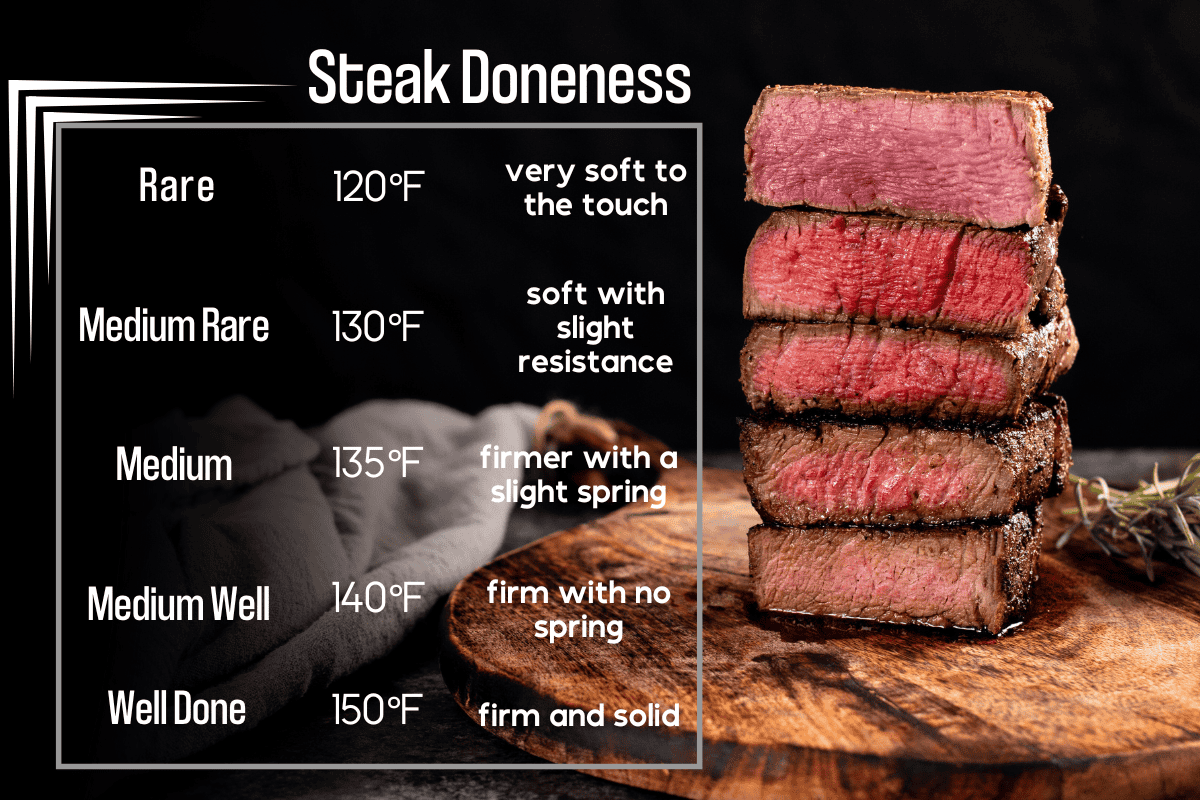
For those who enjoy a tender, juicy steak with a cool red center, aim for an internal temperature between 120°F and 130°F. At this range, the steak remains soft and slightly raw inside, highlighting the meat’s natural flavors.
Grill your steak over high heat quickly, then let it rest for a few minutes. This resting time allows the juices to redistribute, making each bite more satisfying. Have you ever noticed how a quick sear locks in so much flavor?
Medium To Medium-well Temps
If you prefer your steak with a warm pink center, target an internal temperature from 135°F to 150°F. This range offers a balance between tenderness and a firmer texture.
Use moderate heat and monitor closely to prevent drying out the steak. Flipping it once or twice during grilling helps cook evenly. Do you usually check temperatures with a probe, or do you rely on touch?
Well-done Temps
For a steak cooked through with no pink, aim for an internal temperature of 160°F and above. At this point, the meat is fully cooked but can risk becoming tough if not grilled carefully.
Lower the heat and cook slowly to keep some moisture in the steak. Consider marinating beforehand to add tenderness. Are you willing to sacrifice some juiciness for a fully cooked steak, or do you prefer a different approach?

Credit: miesfelds.com
Using A Meat Thermometer
Using a meat thermometer is the best way to cook steak perfectly. It helps you avoid guessing if your steak is done. A thermometer shows the exact temperature inside the meat. This ensures your steak is juicy and safe to eat.
Types Of Thermometers
- Instant-read thermometers:Give quick readings in a few seconds.
- Digital probe thermometers:Stay in the steak while it cooks and show the temperature on a screen.
- Dial thermometers:Use a needle to point to the temperature. They are slower to read.
- Wireless thermometers:Send temperature data to your phone, allowing easy monitoring.
Choosing the right thermometer depends on your grilling style and budget.
Where To Check Temperature
Insert the thermometer into the thickest part of the steak. Avoid touching bone or fat. These parts give false readings.
Check temperature near the center for the best result. This spot cooks slower than edges.
Remove the thermometer slowly to avoid juice loss. This keeps the steak moist and flavorful.
Tips For Juicy, Tender Steaks
Grilling the perfect steak isn’t just about hitting the right temperature—it’s about how you treat the meat before and after it hits the grill. Juicy, tender steaks come from attention to detail, not just heat. Small steps like resting your steak and seasoning it properly can make a huge difference in texture and flavor.
Resting Time After Grilling
Have you ever cut into a steak right off the grill and watched all the juices run onto the plate? That’s a sign you didn’t let it rest enough. Resting allows the juices to redistribute inside the meat, making every bite moist and tender.
A good rule is to let your steak rest for about 5 to 10 minutes, depending on its thickness. Cover it loosely with foil to keep it warm. This short wait can turn a dry steak into a juicy delight.
Seasoning And Marinating
Seasoning isn’t just sprinkling salt; it’s about enhancing the natural flavors without overpowering them. Use kosher salt and freshly ground black pepper generously before grilling. Salt draws moisture out initially but then helps the steak retain it during cooking.
Marinating can add extra tenderness and flavor, especially for tougher cuts. A simple mix of olive oil, garlic, herbs, and an acid like lemon juice or vinegar works wonders. How long you marinate matters—too short won’t penetrate, too long can break down the meat too much.
- For thin steaks, 30 minutes is enough.
- Thicker cuts can go 2 to 4 hours.
- Never marinate overnight unless the recipe specifically calls for it.
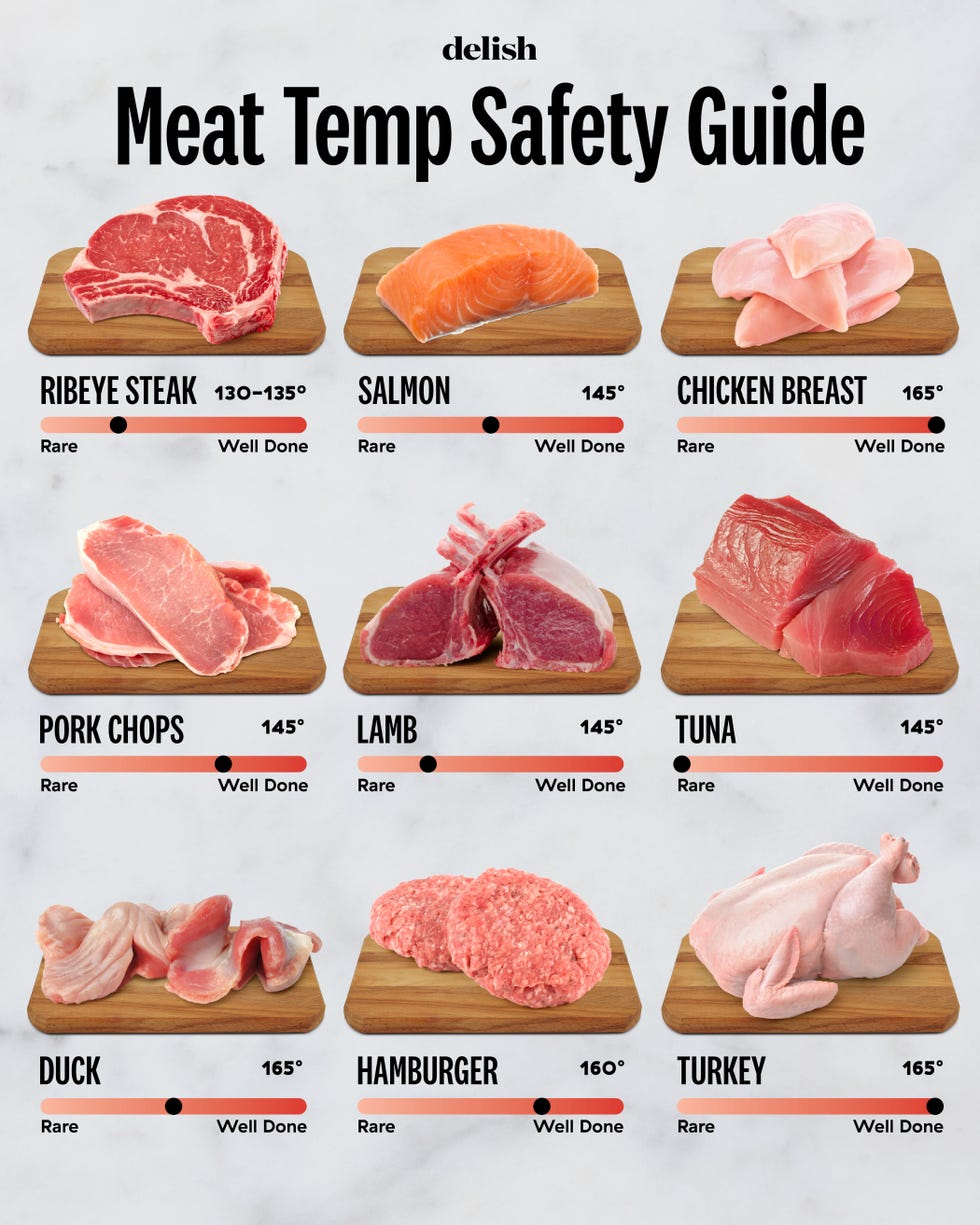
Credit: www.delish.com
Common Grilling Mistakes
Grilling steak seems simple, but many make common mistakes that affect taste and texture. Avoid these errors to enjoy a juicy, flavorful steak every time. Knowing what to watch for helps you grill smarter, not harder.
Overcooking
Overcooking steak dries it out and makes it tough. Many leave the steak on the grill too long. Use a meat thermometer to check the temperature. Remove the steak a few degrees before your target temp. Carryover heat will finish cooking it perfectly.
Uneven Heat Distribution
Uneven heat on the grill causes some parts to cook faster than others. Hot spots burn the steak, while cooler spots leave it raw. Arrange coals or adjust burners to create zones. This helps sear the steak and finish cooking gently. Move the steak around to avoid hot spots.
Credit: eastbuffalodevelopment.org
Frequently Asked Questions
What Is The Ideal Grill Temperature For Steak?
The ideal grill temperature for steak is between 450°F and 500°F. This high heat sears the steak, locking in juices and flavor. It creates a perfect crust while keeping the inside tender and juicy.
How Do Grill Temperatures Affect Steak Doneness?
Grill temperatures directly impact steak doneness. Higher heat cooks steak faster, ideal for rare to medium-rare. Lower heat cooks slower, better for medium to well-done. Using a meat thermometer ensures precise doneness without overcooking.
Can I Grill Steak At Low Temperatures?
Grilling steak at low temperatures is possible but not recommended. Low heat can dry out the steak and reduce flavor. For best results, start with high heat to sear, then lower to finish cooking evenly.
What Grill Temperature Ensures A Juicy Steak?
A grill temperature of 450°F to 500°F ensures a juicy steak. High heat sears the outside quickly, locking in moisture. This method keeps the steak tender inside and flavorful without drying it out.
Conclusion
Grilling steak at the right temperature makes all the difference. Aim for 450°F to 500°F for a perfect sear. Cook times depend on thickness and your preferred doneness. Keep the grill hot but watch the steak closely. Let the meat rest before cutting to keep juices inside.
Practice helps you find what works best for your taste. Enjoy tender, juicy steak every time you grill. Simple steps lead to great results. Ready to fire up the grill?