
Choosing the perfect kitchen rug can change the entire feel of your space. But with so many options out there, how do you pick one that fits your style and needs?
You want something comfortable underfoot, easy to clean, and that adds a touch of charm to your kitchen. Keep reading, and you’ll discover simple tips to find a rug that not only looks great but makes your kitchen a more inviting place.
Your dream kitchen starts with the right rug—let’s make sure you get it right.
Credit: www.tastingtable.com
Benefits Of Kitchen Rugs
Kitchen rugs offer a range of benefits that enhance your cooking space. They add comfort, style, and protection to your kitchen floor. Let’s explore how kitchen rugs can transform your kitchen environment.
Enhancing Comfort And Safety
Standing in the kitchen for long periods can be tiring. A kitchen rug provides a soft surface to ease foot fatigue. It also reduces strain on your back and legs. Rugs with anti-slip backing prevent slips and falls, especially in wet areas. They create a safer cooking environment for everyone.
Adding Style And Warmth
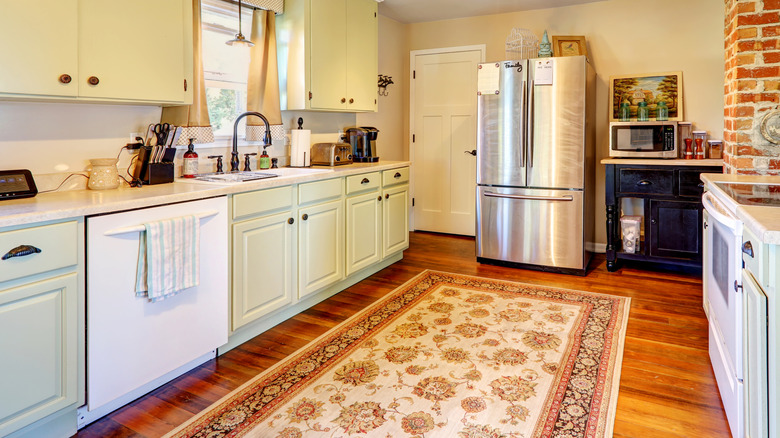
A rug can instantly change your kitchen’s look. Choose colors and patterns that match your decor. A well-chosen rug adds warmth and personality to the space. It can also define different areas within an open kitchen plan. Rugs make your kitchen feel more inviting and cozy.
Protecting Your Flooring
Kitchen floors endure a lot of wear and tear. A rug acts as a barrier against spills, stains, and scratches. It helps preserve the quality and appearance of your flooring. This protection is especially important for hardwood or delicate tile surfaces. Rugs also catch crumbs and debris, making cleaning easier.
Credit: www.tastingtable.com
Choosing The Right Size
Choosing the right size for your kitchen rug is important for both style and function. A rug that is too small can look out of place and fail to protect your floor. A rug that is too large can crowd your space and create a tripping hazard. Understanding how to measure and select the perfect size helps create a balanced and comfortable kitchen area.
Measuring Your Kitchen Space
Start by measuring the area where you want to place the rug. Use a tape measure to get the length and width of the space. Consider the main work zones like in front of the sink, stove, or island. Mark the boundaries with painter’s tape to visualize the rug size. Measure around cabinets and appliances to avoid blocking doors or drawers.
Common Rug Sizes For Kitchens
- 2 feet by 3 feet – ideal for small spaces or in front of the sink
- 3 feet by 5 feet – fits well in narrow areas or beside counters
- 4 feet by 6 feet – works for larger kitchens or under islands
- 5 feet by 8 feet – best for open floor plans or spacious kitchens
Choose a size that fits your kitchen layout without crowding the area.
Balancing Proportion And Function
Make sure the rug fits well with the kitchen size and furniture. Leave enough space around the rug for easy movement. The rug should cover the area where you stand most often. Avoid placing rugs where they block cabinet doors. A well-sized rug adds comfort without causing inconvenience.
Picking The Best Material
Choosing the right material for your kitchen rug can make a significant difference in how it performs and feels underfoot. The kitchen is a high-traffic area prone to spills, so the rug’s material must balance durability, ease of maintenance, and comfort. Understanding these factors helps you pick a rug that not only looks great but also stands up to daily kitchen life.
Durability And Maintenance
Kitchen rugs face constant foot traffic and frequent spills. Materials like nylon and polypropylene are excellent because they resist stains and wear well over time. Wool rugs are durable too but might need more care to avoid damage from moisture.
Consider how often you’re willing to clean your rug. Synthetic fibers often require less maintenance and dry quickly, making them practical for busy kitchens. If you prefer natural fibers, be prepared for occasional deep cleaning to keep the rug fresh.
Water-resistant Options
Water resistance is crucial in a kitchen rug to avoid mold and unpleasant odors. Look for rugs with water-resistant backing or made from materials like vinyl or rubber. These options help prevent water from seeping through to the floor.
Some cotton rugs come with water-resistant treatments but check the product details before buying. Do you want a rug that can handle accidental spills without immediate cleanup? Water resistance can save you time and worry.
Softness And Comfort
Standing on a hard floor for long periods can be tiring, so softness matters. Materials like memory foam-backed rugs or those with plush fibers add comfort. However, softer rugs may require more frequent cleaning to maintain their appearance.
Think about how much time you spend cooking or washing dishes. A cushioned rug can reduce fatigue, but it should still be practical for kitchen use. Have you ever noticed how comfort can change your whole cooking experience?
Selecting Colors And Patterns
Choosing the right colors and patterns for your kitchen rug can transform the entire space. It’s not just about picking what looks good; it’s about how those choices work with your kitchen’s vibe, practical needs, and your personal style. Let’s break down how to make these decisions smartly.
Coordinating With Kitchen Decor
Start by looking at your kitchen’s existing colors and textures. Does your kitchen have cool tones like blues and grays, or warm shades such as reds and yellows? Select rug colors that either complement or contrast to create balance.
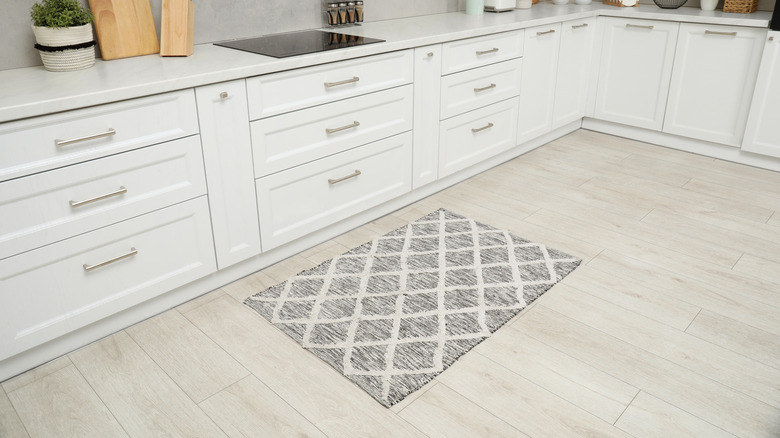
Think about the materials too. If you have wooden cabinets, earthy tones or subtle patterns can blend nicely. For sleek, modern kitchens, bold colors or geometric patterns can add a fresh touch. What colors in your kitchen catch your eye the most?
Hiding Stains And Spills
Kitchens are prone to messes, so consider how your rug will handle spills. Rugs with darker colors or busy patterns hide stains better than light, solid colors.
Patterns like florals, abstract designs, or even stripes can camouflage crumbs and spills effectively. If you have kids or cook often, this practical approach keeps your rug looking cleaner longer without constant washing.
Creating Visual Interest
A rug can be the focal point of your kitchen or a subtle background that pulls everything together. Use patterns to add personality—think bold geometrics for a modern vibe or vintage-inspired prints for charm.
Mixing textures also adds depth. A rug with a slightly raised pattern can catch light differently, making your floor feel more dynamic. What kind of atmosphere do you want your kitchen to have when you walk in?
Non-slip And Safety Features
Choosing the right kitchen rug involves more than color and style. Safety is a top priority in kitchens. Slips and falls can cause injuries. Non-slip and safety features keep your kitchen secure. These features make the rug stay put and prevent accidents.
Importance Of Non-skid Backing
Non-skid backing stops the rug from sliding on smooth floors. It adds grip to tile, wood, or laminate surfaces. Without this backing, rugs move easily. That movement can cause tripping or slipping. Look for rugs with rubber or latex backing for strong hold. This backing keeps the rug firmly in place during busy kitchen tasks.
Using Rug Pads
Rug pads boost safety and comfort underfoot. They add extra grip between the rug and floor. Pads also protect floors from scratches. They make rugs less likely to bunch or curl at edges. Choose a pad that fits your rug size perfectly. Thin, non-slip pads work well in kitchens. They help the rug stay flat and secure all day long.
Preventing Accidents
Preventing accidents starts with a stable rug. Rugs that slide cause falls and injuries. Secure rugs reduce the risk of tripping. Check the rug daily for curling or bunching. Fix any loose edges promptly. Keep the kitchen floor dry to avoid slips. A safe rug helps create a hazard-free kitchen space for everyone.
Placement Tips
Choosing the right spot for your kitchen rug can change how your space feels and works. Placement matters for comfort, safety, and style. Rugs can brighten the room and protect floors from spills and stains. Picking the best place helps keep your kitchen neat and easy to move around.
High-traffic Areas
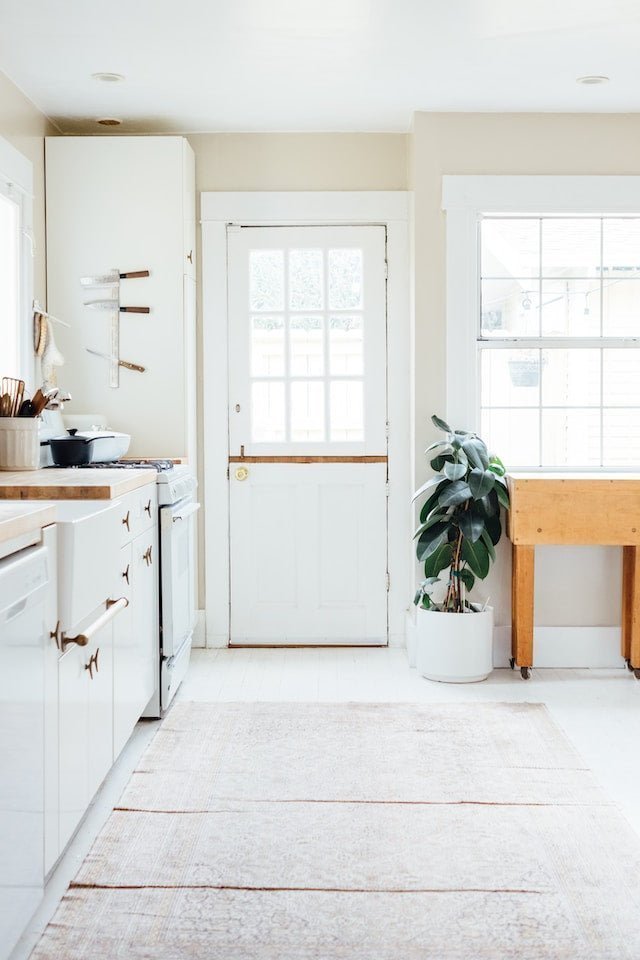
Place rugs where people walk the most. These spots include doorways and paths between counters. Rugs here reduce wear on the floor and add warmth. Choose rugs that are strong and easy to clean for these busy spots.
Near Sink And Cooking Zones
Put rugs close to the sink and stove. These areas often get wet or greasy. A rug here can catch drips and spills, keeping floors safe. Use rugs with good grip to avoid slips while working.
Avoiding Clutter
Keep rugs away from places that block movement. Avoid placing rugs where drawers or cabinets open. Rugs should not cover too much floor space. This helps keep your kitchen clear and easy to use.
Caring For Your Kitchen Rug
Caring for your kitchen rug is essential to keep it looking fresh and lasting longer. A well-maintained rug not only enhances your kitchen’s look but also provides comfort and safety. Taking simple yet effective steps can make a big difference in preserving your rug’s beauty and functionality.
Cleaning Techniques
Regular cleaning is key to maintaining your kitchen rug. Vacuum it often to remove dust and crumbs that can wear down the fibers. For deeper cleaning, check the rug’s label for washing instructions—some rugs can be machine washed, while others need gentle hand washing or professional cleaning.
Spot cleaning with a mild detergent can help tackle stains without damaging the fabric. Avoid harsh chemicals that might fade colors or weaken the material. Have you tried using a mixture of baking soda and water? It’s a gentle and effective way to refresh your rug and neutralize odors.
Handling Spills Quickly
Spills happen, especially in a busy kitchen. Act fast by blotting the spill with a clean cloth or paper towel—never rub, as this can push the stain deeper. Using cold water helps prevent certain stains, like wine or coffee, from setting in.
For sticky or oily spills, sprinkle some cornstarch or baking soda to absorb the excess before cleaning. Have you noticed how quickly stains can become permanent if ignored? The difference between a clean rug and a stained one often comes down to how quickly you respond.
Extending Rug Life
Rotate your rug every few months to ensure even wear, especially if it sits in a high-traffic area. Adding a non-slip rug pad underneath not only keeps it in place but also protects the rug’s underside from friction and moisture.
Try to keep your kitchen shoes off the rug to minimize dirt and damage. Small habits like these can extend your rug’s life significantly. What little change can you make today to protect your kitchen rug from unnecessary wear?
Credit: therugdecor.com
Frequently Asked Questions
What Size Kitchen Rug Should I Choose?
Choose a rug that fits your kitchen space well. It should cover high-traffic areas without blocking cabinets or appliances. Measure your kitchen floor and select a rug that leaves some floor visible for balance and safety.
Which Material Is Best For Kitchen Rugs?
Opt for durable, stain-resistant materials like polypropylene, nylon, or cotton blends. These materials are easy to clean and can withstand spills and foot traffic. Avoid delicate fabrics that may wear out quickly in a busy kitchen.
How Do I Maintain A Kitchen Rug?
Regular vacuuming and prompt cleaning of spills keep your rug fresh. Use mild detergents for spot cleaning to avoid damage. Rotate the rug occasionally to ensure even wear and prolong its life.
Can Kitchen Rugs Prevent Slips And Falls?
Yes, kitchen rugs with non-slip backing improve safety by preventing slips. Always choose rugs with a sturdy grip or use a non-slip pad underneath. This reduces accident risks, especially in wet or greasy kitchen areas.
Conclusion
Choosing the right kitchen rug makes your space both cozy and safe. Think about size, material, and color that fit your kitchen well. A good rug adds comfort underfoot and protects your floor. Easy cleaning is key for busy kitchens.
Pick a rug that matches your style and needs. Small details can change the whole look of your kitchen. Take time to decide, and enjoy a warm, inviting kitchen every day.