
If you want tender, juicy pork that melts in your mouth, slow cooking a pork Boston butt is the way to go. Imagine coming home to a perfectly cooked meal that practically falls apart with just a fork.
You don’t need to be a pro chef or spend hours watching the stove. With the right steps, you can make a delicious, flavorful pork dish that will impress your family and friends. Keep reading, and you’ll learn exactly how to slow cook a pork Boston butt that’s full of taste and easy to prepare.
Choosing The Right Pork Boston Butt
Choose a pork Boston butt with good marbling for tender, juicy results. Look for a fresh, pink color and firm texture to ensure quality.
Choosing the right pork Boston butt is the first step to ensuring your slow-cooked masterpiece is mouthwateringly tender and flavorful. This cut, known for its rich marbling and succulent taste, can be the star of your next family gathering or a comforting weekend meal. But how do you ensure you’re selecting the best piece of meat for your culinary creation?
Selecting Quality Meat
Look for a Boston butt with a good amount of fat marbling, as this will help keep the meat juicy and flavorful during the long cooking process. The fat should be white, and the meat should have a vibrant pink color, indicating freshness. Avoid any cuts that appear grey or have an unpleasant odor, as these are signs of old or poor-quality meat.
Size And Weight Considerations
Consider the size of your slow cooker and how many people you plan to serve. A typical pork Boston butt weighs between 5 to 7 pounds, which is perfect for feeding a small crowd. Remember, the larger the cut, the longer it will need to cook, but the payoff is a tender, fall-apart texture that is well worth the wait. Have you ever found yourself with leftovers that taste even better the next day? A slightly larger cut might just be your ticket to delicious sandwiches or tacos later in the week. Balancing the cut’s size with your cooking needs can make all the difference in your slow-cooking success.
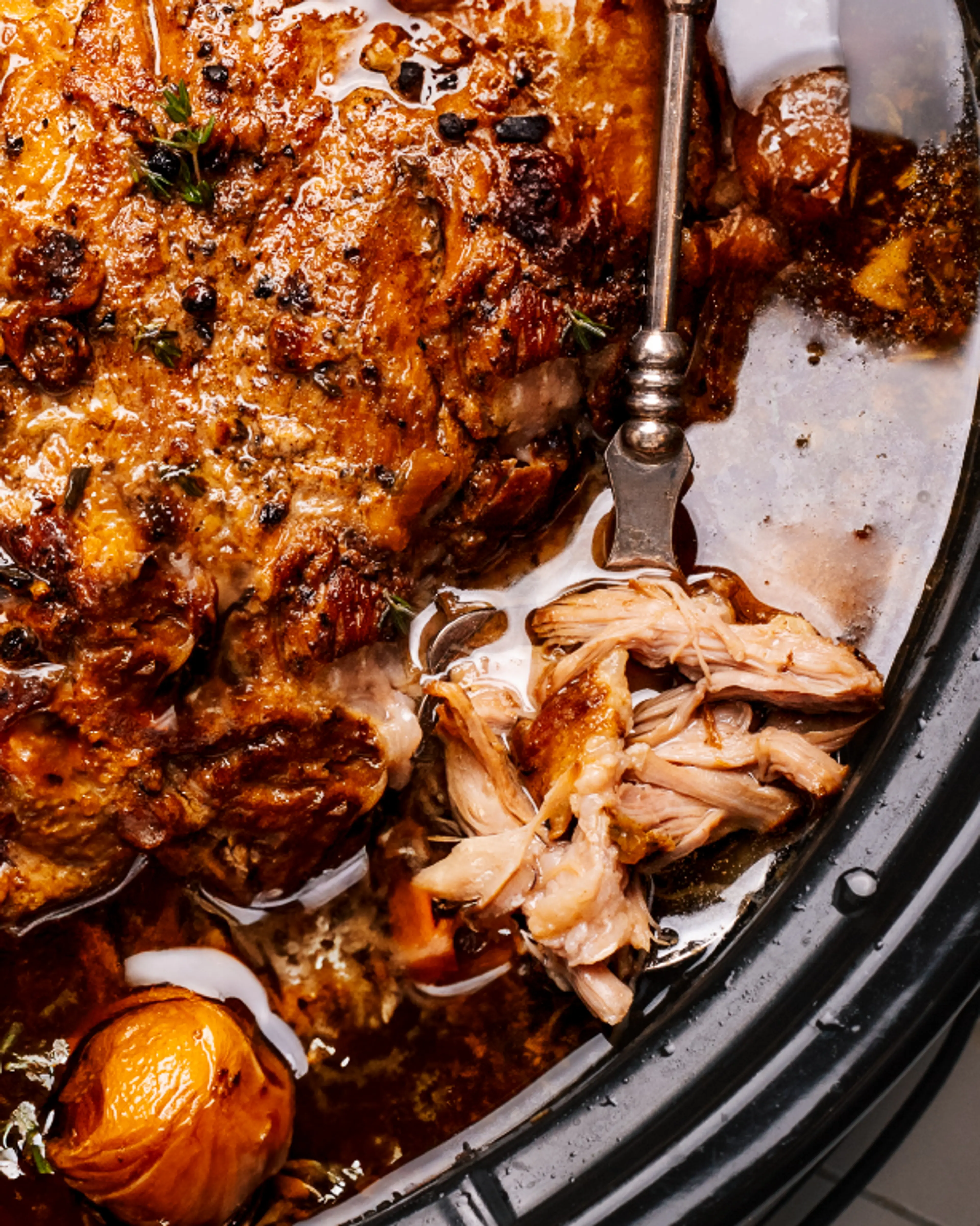
Credit: www.umami.recipes
Preparing The Pork Boston Butt
Preparing the pork Boston butt correctly sets the stage for a tender, flavorful slow-cooked meal. This cut benefits from careful cleaning and seasoning to enhance its natural taste. Taking time with these steps improves the texture and aroma during cooking.
Trimming And Cleaning
Start by rinsing the pork under cold water. Pat it dry with paper towels to remove excess moisture. Trim off large fat chunks, leaving some for flavor and moisture. Remove any silver skin or tough membranes to ensure even cooking. Check for any leftover bone fragments and discard them.
Applying Rubs And Marinades
Choose a dry rub or marinade to add flavor and tenderness. A simple rub can include salt, pepper, paprika, and garlic powder. Massage the rub evenly over the pork, covering all sides well. For marinades, soak the pork in a mixture of oil, vinegar, and spices. Let it rest in the fridge for at least 2 hours, or overnight for deeper taste.
Setting Up Your Slow Cooker
Setting up your slow cooker properly is key to tender, flavorful pork Boston butt. The right preparation helps the meat cook evenly and absorb all the tasty flavors. Careful setup ensures a juicy, melt-in-your-mouth result every time.
Choosing The Right Slow Cooker
Pick a slow cooker with enough capacity for your pork Boston butt. A 6-quart slow cooker fits most cuts well. Make sure the cooker heats evenly and has multiple heat settings. A ceramic or stoneware insert holds heat better. Avoid small slow cookers that crowd the meat. The pork should fit without bending or folding.
Adding Liquid And Aromatics
Pour liquids to keep the meat moist and tender. Use broth, apple juice, or a mix of vinegar and water. Add enough liquid to cover about one-third of the pork. Too much liquid can wash out flavors. Aromatics bring depth to your dish. Include onions, garlic, bay leaves, or fresh herbs like thyme. They infuse the pork with rich, savory notes.
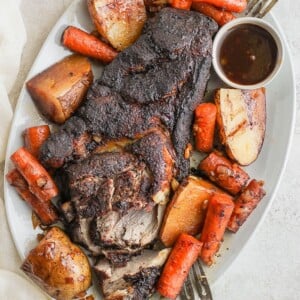
Credit: fitfoodiefinds.com
Slow Cooking Techniques
Mastering slow cooking techniques is key to turning a pork Boston butt into a tender, flavorful meal. Slow cooking allows the connective tissues in the meat to break down gently, resulting in juicy, melt-in-your-mouth pork. You’ll find that patience truly pays off here, but knowing how to manage the process makes all the difference.
Low And Slow Cooking Times
Cooking pork Boston butt at a low temperature over a long period is essential. Aim for a temperature between 225°F and 250°F (107°C to 121°C). This slow approach helps render the fat and soften the meat without drying it out.
The cooking time varies depending on the size of your pork butt, typically ranging from 8 to 12 hours. Don’t rush this process; the magic happens when the meat slowly reaches that tender point. Have you ever checked on your meat too soon and ended up with chewy pork?
Using a slow cooker or smoker makes maintaining steady low heat easier. If you’re using an oven, consider placing a water pan inside to keep the environment moist. This extra step can prevent the pork from becoming tough.
Monitoring Internal Temperature
Keeping an eye on the internal temperature of your pork butt is crucial. The goal is to reach an internal temperature of about 195°F to 205°F (90°C to 96°C) for pull-apart tenderness.
Use a reliable meat thermometer to check the temperature in the thickest part of the meat. Avoid guessing—it’s the most accurate way to ensure your pork is cooked perfectly and safe to eat.
Remember, the temperature will continue to rise slightly after you take the meat off the heat, so it’s smart to remove it when it’s a few degrees shy of your target. This practice, called carryover cooking, helps keep your pork moist and flavorful.
Enhancing Flavor During Cooking
Enhancing the flavor of a pork Boston butt during slow cooking turns a simple dish into something special. Flavor develops deeply over hours. Techniques like basting and adding spices help the meat soak in rich tastes. These methods build layers of flavor that make every bite delicious.
Basting And Turning
Basting keeps the pork moist and adds flavor on the surface. Use a spoon or brush to apply juices or marinade every 30 minutes. This stops the meat from drying out. Turning the pork helps it cook evenly and absorb flavors well. Rotate the pork gently to brown all sides.
Adding Smoke Or Spice Elements
Smoke adds a deep, savory taste that complements pork perfectly. Use wood chips like hickory or applewood for a mild, sweet flavor. Adding spices to the rub or marinade also lifts the taste. Common spices include paprika, garlic powder, and black pepper. Mix spices well to coat the pork evenly before cooking.

Credit: cookthestory.com
Resting And Serving
After slow cooking your pork Boston butt, the next crucial phase is resting and serving. This step can make or break the juiciness and flavor of your meat. Taking the time to rest and shred your pork properly ensures every bite is tender and packed with taste.
Resting For Juiciness
Once your pork is done cooking, resist the urge to cut into it immediately. Resting allows the juices to redistribute throughout the meat, making it moist and flavorful.
Cover the pork loosely with foil and let it rest for at least 20-30 minutes. This resting period also helps the meat fibers relax, so shredding will be easier and cleaner.
Have you noticed how cutting into hot meat often results in a pool of juices on the plate? Resting helps keep those juices inside where they belong, enhancing every bite.
Shredding And Presentation Tips
Use two forks to pull the pork apart gently, following the grain of the meat. This creates tender, bite-sized pieces perfect for sandwiches, tacos, or plates.
If you like, add a splash of the reserved cooking juices or your favorite barbecue sauce while shredding to keep the meat moist and flavorful.
Present your shredded pork on a warm platter, garnished with fresh herbs like chopped parsley or cilantro for a pop of color and freshness.
- Serve with soft buns or tortillas for sandwiches and tacos.
- Pair with classic sides like coleslaw, baked beans, or cornbread.
- Offer a variety of sauces so guests can customize their plates.
How do you like to serve your pulled pork? Experimenting with different sides and sauces can elevate your meal every time.
Troubleshooting Common Issues
Slow cooking a Pork Boston Butt can be incredibly rewarding, but it’s not without its challenges. Sometimes the meat turns out dry or undercooked, leaving you wondering where things went wrong. Understanding how to troubleshoot these common issues will help you get juicy, tender results every time.
Avoiding Dryness
Dry pork is often the result of cooking at too high a temperature or for too long. Slow cookers should be set on low and given enough time to break down the connective tissue, which keeps the meat moist.
Try adding a bit of liquid like broth or apple juice to your slow cooker. This creates steam that helps maintain moisture. Also, resist the urge to lift the lid frequently; every peek lets heat escape and extends cooking time.
Have you ever noticed how a little fat can make all the difference? The Boston Butt has a good fat cap—leave it on during cooking to help baste the meat naturally. Trimming it too much can lead to dryness.
Fixing Undercooked Meat
Undercooked Boston Butt feels tough and chewy rather than tender and shreddable. If you find your meat underdone after the recommended cooking time, don’t panic—you can still save it.
Simply cover and continue slow cooking, checking every 30 minutes. Using a meat thermometer can help you track progress; aim for an internal temperature of around 195°F (90°C) for fall-apart tenderness.
If you’re in a rush, you can finish the pork in a covered oven dish at 300°F (150°C) to speed up the process. This method helps the heat penetrate evenly without drying out the meat.
Frequently Asked Questions
How Long Does It Take To Slow Cook A Pork Boston Butt?
Slow cooking a pork Boston butt usually takes 6 to 8 hours on low heat. This timing ensures tender, juicy meat that easily pulls apart. Cooking time may vary based on the slow cooker size and the meat’s weight. Always check for an internal temperature of 195°F.
What Temperature Is Best For Slow Cooking Pork Boston Butt?
The ideal temperature for slow cooking pork Boston butt is low heat, around 200°F to 225°F. This slow, gentle cooking breaks down connective tissue, resulting in tender meat. Avoid high heat to prevent drying out the pork and losing flavor.
Should I Season Pork Boston Butt Before Slow Cooking?
Yes, seasoning pork Boston butt before slow cooking enhances its flavor. Use a dry rub or marinade with spices like paprika, garlic, salt, and pepper. Applying seasoning at least an hour before cooking allows the flavors to penetrate deeply.
Can I Cook Pork Boston Butt Without Liquid In A Slow Cooker?
While you can cook pork Boston butt without added liquid, it’s best to add some broth or water. Liquid prevents the meat from drying out and helps create flavorful juices. However, pork releases natural fat and moisture during cooking.
Conclusion
Slow cooking a pork Boston butt brings out rich, tender flavors. Patience is key for juicy, fall-apart meat. Use low heat and cook slowly for best results. Season well and let the meat soak in spices. Serve with your favorite sides for a hearty meal.
This simple method makes cooking pork easy and rewarding. Enjoy the delicious taste that slow cooking creates every time. Give it a try and savor the difference yourself.