
Your plastic dish drying rack works hard every day, holding all your clean dishes and utensils. But over time, it can build up grime, soap scum, and even mold.
If you don’t clean it regularly, it might start to smell or look unpleasant—and that’s the last thing you want in your kitchen. You might think cleaning it is a hassle, but it doesn’t have to be. In this guide, you’ll learn simple and effective ways to clean your plastic dish drying rack quickly and easily.
Keep reading to discover how a clean rack can make your kitchen healthier and more enjoyable to use.
Materials Needed
Cleaning a plastic dish drying rack is simple with the right materials. Having these items ready makes the process faster and more effective. Gather everything before you start to avoid interruptions.
Basic Cleaning Supplies
- Warm water
- Mild dish soap
- Soft sponge or cloth
- Old toothbrush
Disinfecting Materials
- White vinegar
- Baking soda
- Spray bottle
Drying Tools
- Clean towel
- Air drying rack or space

Credit: www.amazon.co.uk
Remove Loose Debris
Removing loose debris from your plastic dish drying rack is the first crucial step to getting it spotless. Dirt, crumbs, and food particles can easily build up in the grooves and corners, making your rack look grimy and unhygienic. Taking a few minutes to clear these out will make the deeper cleaning process much more effective and less frustrating.
Use A Soft Brush Or Cloth
Grab a soft brush or a microfiber cloth to gently sweep away crumbs and dust. A toothbrush works well for reaching tight spots and corners. This simple action prevents debris from spreading when you wash the rack later.
Shake It Out Over The Trash
Hold your drying rack over the trash bin and give it a gentle shake. This movement dislodges any stubborn particles stuck in crevices. You might be surprised how much gunk comes loose just by doing this.
Vacuum With A Handheld Cleaner
If you have a handheld vacuum, use it to suck up the loose debris. It’s a quick and efficient way to get rid of dirt without creating a mess. This method is especially useful if your rack has lots of tiny holes or slots.
Inspect For Hidden Debris
Look closely at the rack’s corners and underneath the drip tray. These areas often trap food bits that are easy to overlook. Removing all loose debris here ensures your cleaning won’t miss any hidden dirt.
Soak The Rack
Soaking the plastic dish drying rack loosens dirt and grime stuck in tight spots. Use warm, soapy water and let it sit for 15 to 30 minutes before scrubbing. This makes cleaning easier and keeps the rack fresh.
Soaking the rack is a crucial step in the cleaning process that often gets overlooked. It helps loosen stubborn grime and stains, making them easier to scrub away. Just like you might soak a burnt pan to make it easier to clean, your dish drying rack benefits from a good soak too.Choose The Right Container
Select a container or basin large enough to fully submerge your drying rack. If you don’t have one, your bathtub can be an excellent alternative. Make sure it’s clean before placing the rack inside.Fill With Warm Water
Use warm water to fill the container, ensuring the rack is entirely covered. Warm water helps break down residues more effectively than cold water.Add Cleaning Solution
Mix in a mild dish soap or white vinegar into the water. Both are powerful at cutting through grease and eliminating bacteria. Vinegar also helps in removing any limescale or mineral deposits.Let It Soak
Allow the rack to soak for at least 30 minutes. This duration gives the cleaning solution ample time to work its magic. If your rack is heavily soiled, consider soaking it longer.Check For Stubborn Spots
After soaking, examine the rack for any persistent spots. These areas might require a little extra attention with a brush or sponge. Have you ever been surprised by how easy it is to remove grime after a good soak? It’s almost like you can see the dirt surrendering! Once you’re satisfied with the cleanliness, rinse the rack thoroughly with clean water. Ensure no soap residue remains, as it can lead to a sticky surface when dry. Soaking your plastic dish drying rack is not just about cleanliness; it’s also about maintaining its longevity. How often do you think about the simple act of soaking as a way to extend the life of your kitchen tools? Give it a try, and you might just find your drying rack looking as good as new.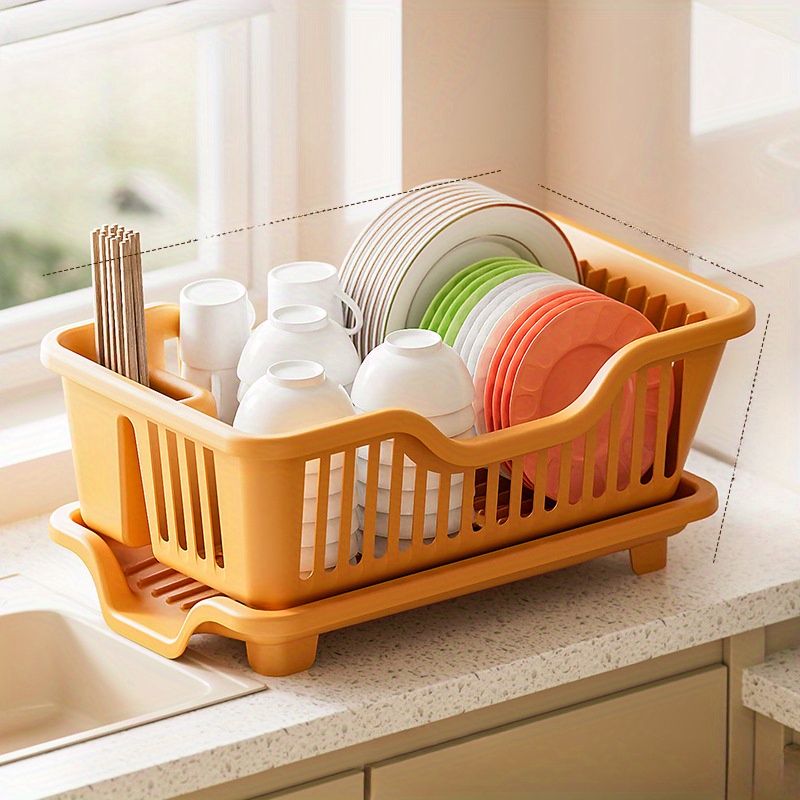
Credit: www.temu.com
Scrub Stubborn Stains
Stubborn stains on a plastic dish drying rack can be tough to remove. Dirt, soap scum, and hard water marks often build up over time. Scrubbing these stains helps restore the rack’s clean look. Use gentle tools and natural cleaners to protect the plastic. Avoid harsh scrubbing that might scratch the surface. Here are easy ways to tackle those tough spots.
Use Soft Brush
A soft brush cleans without damaging plastic surfaces. Choose a brush with soft bristles, like a toothbrush or a small scrub brush. Dip the brush in warm, soapy water. Gently scrub the stained areas in small circles. This loosens dirt and grime without scratching. Rinse the rack with clean water to wash away loosened stains. Repeat if needed for stubborn spots.
Try Baking Soda Paste
Baking soda is a mild, natural cleaner that lifts stains well. Make a paste by mixing baking soda with a little water. Spread the paste on the stained areas of the rack. Let it sit for 10 to 15 minutes to break down grime. Use a soft brush or cloth to scrub the paste gently. Rinse thoroughly with water to remove all residue. Baking soda paste brightens and refreshes the plastic safely.
Rinse Thoroughly
Rinsing your plastic dish drying rack thoroughly is a crucial step in keeping it clean and free from soap residue or leftover grime. Skipping this part can leave a sticky film or even encourage mold growth over time. The goal is to wash away every bit of dirt and cleaning solution to keep your rack fresh and hygienic.
Use Warm Water For Better Cleaning
Warm water helps dissolve grease and soap better than cold water. Run the rack under warm tap water to loosen any stuck-on food particles or soap. You’ll notice how much easier it becomes to remove grime when the water temperature is right.
Pay Attention To All The Nooks And Crannies
Plastic racks often have small grooves and corners where dirt hides. Make sure you rinse those tricky spots thoroughly by turning the rack around under the water. Don’t let hidden areas become a breeding ground for bacteria.
Check For Soap Residue
After rinsing, check the rack by touching it or smelling it. If it feels slippery or smells like soap, it needs another rinse. Soap residue can cause your dishes to look dull and attract more dirt.
Use A Gentle Brush If Needed
If water alone doesn’t remove all the grime, use a soft brush to scrub gently while rinsing. This ensures deeper cleaning without damaging the plastic. Have you ever noticed how a little extra effort here makes the whole rack look brand new?
Allow Proper Drainage After Rinsing
Once thoroughly rinsed, place your rack where it can drain and dry completely. Water trapped in the base can lead to unpleasant smells or mold. Think about where you set your rack after rinsing—good drainage is just as important as the rinse itself.

Credit: www.meesho.com
Dry The Rack
Drying the plastic dish drying rack properly keeps it clean and prevents mold. It also helps avoid water spots and bad smells. There are simple ways to dry the rack quickly and safely. Choose the best option based on your time and tools available.
Air Dry Method
Place the dish rack in a well-ventilated area. Avoid direct sunlight to prevent plastic warping. Let the air naturally remove moisture. This method is easy and requires no extra tools. Allow a few hours for complete drying. Make sure the rack is fully dry before storing it.
Use A Clean Towel
Use a soft, clean towel to dry the rack faster. Gently wipe all surfaces and corners. Pay attention to small spaces where water hides. This method helps avoid bacteria growth. Change towels if they get too wet. Drying by hand saves time and keeps the rack fresh.
Prevent Future Build-up
Preventing future build-up on your plastic dish drying rack saves time and keeps it hygienic. Small habits and regular care stop dirt, soap scum, and mildew from forming. This section covers simple steps that keep your rack fresh and clean longer.
Regular Cleaning Schedule
Set a cleaning routine to avoid heavy grime. Wipe the rack every few days with a damp cloth. Use mild soap and warm water for a quick scrub once a week. This prevents soap residue and food particles from settling.
Deep clean once a month by soaking the rack in vinegar or baking soda solution. Rinse well and dry completely. Consistency helps stop build-up and extends the rack’s life.
Keep Rack Dry
Moisture encourages mold and mildew growth on plastic racks. After washing dishes, shake off water from the rack. Use a dry towel to wipe excess water in corners and edges.
Place the rack in a well-ventilated area. Good airflow speeds up drying and reduces dampness. Avoid leaving the rack in a closed or humid space.
Frequently Asked Questions
How Often Should I Clean A Plastic Dish Drying Rack?
Clean your plastic dish drying rack weekly to prevent mold and bacteria buildup. Frequent cleaning maintains hygiene and extends its lifespan.
What Is The Best Cleaner For Plastic Dish Racks?
Use mild dish soap or a vinegar-water solution. Avoid harsh chemicals that can damage the plastic surface.
Can I Put A Plastic Drying Rack In The Dishwasher?
Most plastic drying racks are dishwasher-safe. Check the manufacturer’s instructions before placing it in the dishwasher for thorough cleaning.
How Do I Remove Mold From A Plastic Dish Drying Rack?
Scrub the rack with a mixture of vinegar and baking soda. Rinse well and dry completely to prevent mold recurrence.
Conclusion
Cleaning your plastic dish drying rack keeps it fresh and safe. Regular washing stops mold and grime buildup. Use simple soap, warm water, and a soft brush. Rinse well and dry completely before use. This easy care helps your kitchen stay clean and healthy.
A clean rack lasts longer and works better. Small effort, big difference. Keep your kitchen tidy with these simple steps.