
Have you ever wondered if the containers you use for your pet’s food are safe enough for your own snacks or meals? If you’re thinking about saving space or money by using animal food storage containers for your human food, you might want to pause.
What if those containers hold hidden risks that could affect your health? You’ll discover the truth about these containers and learn how to keep your food—and yourself—safe. Keep reading, because what you don’t know could be putting you at risk.
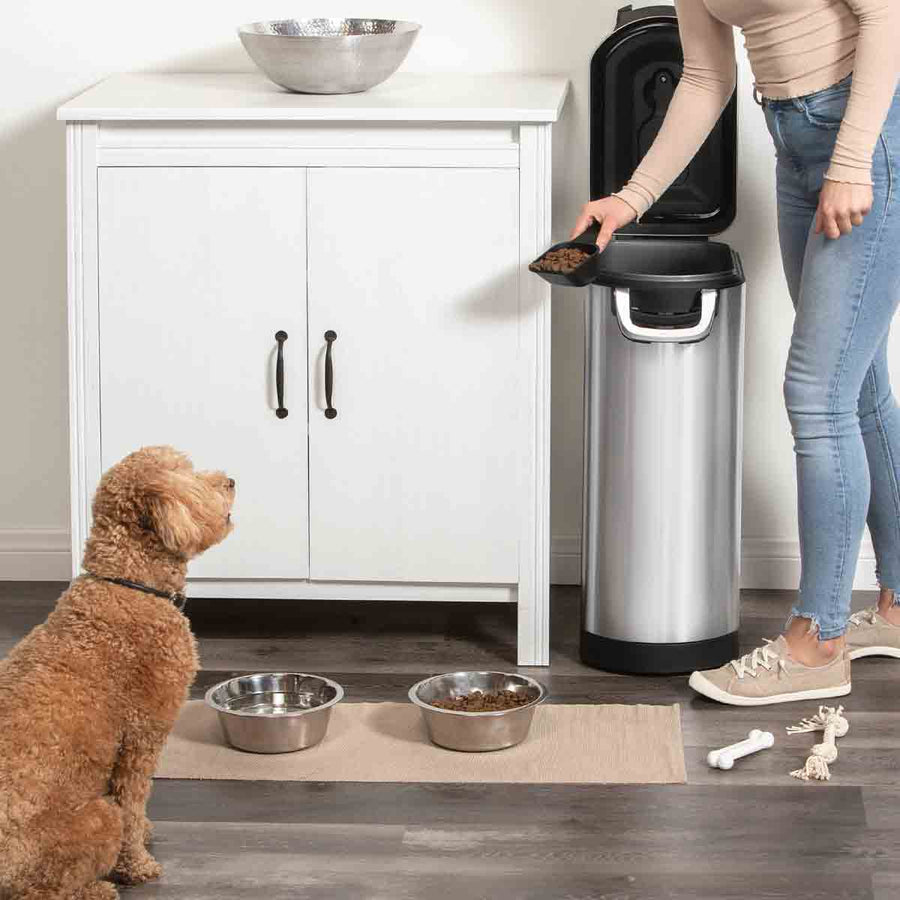
Credit: www.simplehuman.com
Material Differences
Material differences define the safety and suitability of food storage containers. Animal food containers and human food containers often use different materials. These materials affect durability, hygiene, and chemical safety. Understanding these differences helps you decide if animal containers can store human food safely.
Common Materials In Animal Containers
Animal food containers often use plastics that focus on strength and cost-efficiency. Common materials include:
- Polypropylene (PP) – durable and resistant to heat but may contain additives
- High-Density Polyethylene (HDPE) – tough and moisture-resistant
- Polycarbonate – strong but can release BPA, a harmful chemical
- Metal containers – usually aluminum or steel, strong but may corrode
These materials prioritize durability and pest resistance. They may lack strict regulations for food safety. Additives or chemicals in these plastics could contaminate human food.
Materials Used For Human Food Storage
Human food containers must meet higher safety standards. Materials are chosen to avoid chemical leaching and contamination. Common materials include:
- Borosilicate glass – heat-resistant and non-reactive
- Food-grade stainless steel – durable and corrosion-resistant
- Food-safe plastics like BPA-free polypropylene and polyethylene
- Silicone – flexible, non-toxic, and heat-resistant
These materials undergo testing to ensure no harmful substances transfer to food. They support long-term storage without affecting taste or health.
Safety Standards
Safety standards define how containers must be made to protect food quality. They ensure containers do not release harmful chemicals into food. These rules differ for animal and human food storage containers. Understanding these standards helps to choose the right container for your needs.
Regulations For Pet Food Containers
Pet food containers must meet basic safety requirements. They need to prevent contamination and keep food fresh. Materials used should be non-toxic but often have fewer restrictions.
Common rules include:
- Use of food-grade plastics or metals
- Resistance to moisture and pests
- Durability for repeated use
However, pet food containers do not require the same strict testing for chemical migration as human food containers.
Regulations For Human Food Containers
Human food containers face stricter rules. They must pass tests to ensure no harmful substances leach into food. These containers use certified food-grade materials.
Key regulations include:
- Compliance with FDA or EFSA safety standards
- Testing for BPA, phthalates, and heavy metals
- Clear labeling and traceability
These rules protect human health by limiting chemical exposure from containers.
Chemical Concerns
Animal food containers may contain chemicals unsafe for human food. Choosing containers labeled food-safe helps avoid contamination risks. Always check material safety before storing any edible items.
Chemical Concerns When considering the use of animal food storage containers for human food, understanding chemical concerns is vital. The materials used in manufacturing these containers may not always be safe for human consumption. Let’s dive into the potential risks and how they might affect your food safety.Potential Toxins In Pet Food Containers
Pet food containers are often made from plastics or metals that can contain harmful substances. These might include BPA, phthalates, or heavy metals, which are not intended for human use. While manufacturers adhere to standards suitable for pet food, these regulations might not align with those for human food safety. It’s crucial to check if the container is labeled as food-grade before using it for your meals.Chemical Migration Risks
Chemical migration refers to the transfer of substances from the container into the food. This risk increases with factors like heat, acidity, and prolonged storage time. Imagine storing your favorite homemade soup in a container, only to find out later that chemicals have leached into it. This possibility can be concerning, especially if you’re health-conscious or have young children. To minimize these risks, ensure that any container you use is specifically marked as safe for human food. This simple step can protect your health and give you peace of mind when storing leftovers or meal preps. Have you ever wondered about the materials in your kitchen containers? Take a moment to assess their safety for your family. Your health might thank you.Durability And Design
Durability and design play crucial roles in deciding if animal food storage containers can safely store your human food. These containers are built to handle tough conditions, often made from sturdy materials that resist cracks and leaks. But does their design meet the standards required for keeping your food fresh and uncontaminated?
Sealing And Freshness
One key factor is how well these containers seal. A tight seal keeps air, moisture, and pests out, preserving freshness longer. Many animal food containers use strong snap-on lids or screw tops that prevent spills and maintain airtight conditions.
However, some might not have the same level of precision sealing as containers designed specifically for human food. You should check if the container has a reliable gasket or silicone ring that enhances the seal. Could your food lose its crunch or flavor if the seal isn’t perfect?
Ease Of Cleaning
Cleaning is another important aspect of design. Animal food containers often have wide openings that make scooping pet food easy, which also helps when washing them by hand. Smooth interiors without hard-to-reach corners prevent buildup of residues and bacteria.
Still, some containers might not be dishwasher safe or could stain easily. You want a container that you can clean thoroughly to avoid any cross-contamination. Have you considered how the cleaning process might affect your container’s longevity and safety?
Cross-contamination Risks
Cross-contamination is a serious concern when you use animal food storage containers for your own food. These containers often hold pet food that can carry bacteria, parasites, or allergens not safe for human consumption. Even if the container looks clean, microscopic residues can linger and pose health risks.
Using Pet Containers For Human Food
Many people reuse pet food containers because they are sturdy and convenient. However, these containers may have absorbed oils, odors, or bacteria from pet food. Washing them with soap and water might not be enough to eliminate all traces.
Think about the last time you used a container for dry dog food. Would you feel comfortable storing your cereal or snacks in it without any special cleaning? This is a question worth asking before mixing uses.
- Pet containers may contain harmful bacteria like Salmonella or E. coli.
- They often are not designed for human food safety standards.
- Plastic types used might not be food-grade or BPA-free.
Health Implications
Using pet food containers for your food can lead to unexpected health issues. Allergic reactions may occur if pet allergens are transferred to human food. Digestive problems can arise from bacteria that survive cleaning.
Imagine eating a sandwich stored in a container previously holding raw pet food. The risk of foodborne illness increases. Your immune system might react differently depending on your health status and sensitivity.
To protect yourself, reserve separate containers specifically labeled for human food. If you must reuse, sanitize containers thoroughly using bleach solutions or dishwasher cycles designed to kill bacteria. Is saving a few dollars worth risking your health?
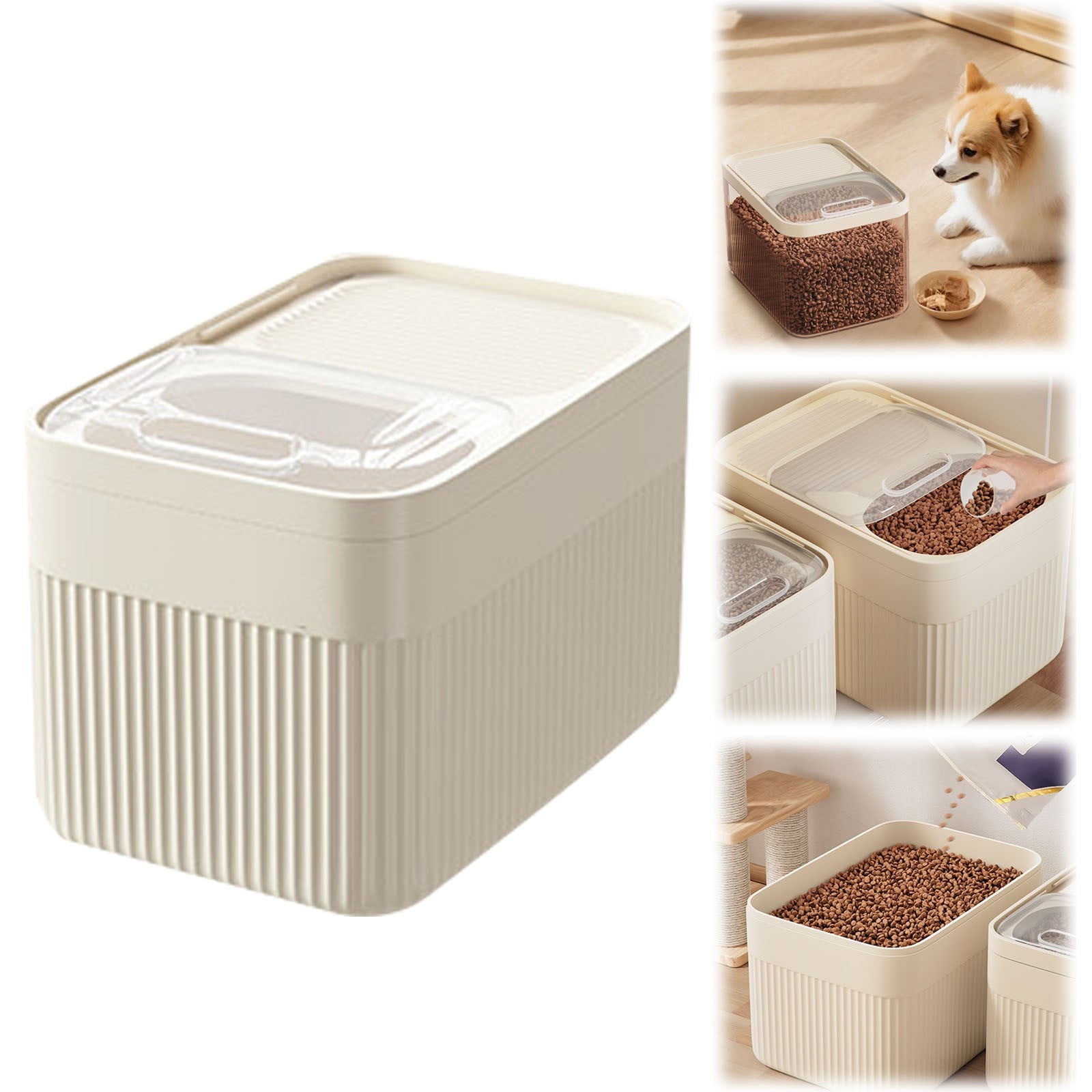
Credit: www.walmart.com
Best Practices For Food Storage
Storing food correctly keeps it fresh and safe to eat. Best practices help avoid contamination and spoilage. Using the right containers and maintaining them properly is important. This ensures food stays clean and tasty for longer.
Choosing Safe Containers
Pick containers made of food-grade materials. Look for BPA-free plastic or glass options. Avoid containers with cracks or leaks. Use containers with airtight seals to keep out moisture and pests. Do not reuse containers meant for animal food without cleaning. Check labels to confirm if a container is safe for human food.
Proper Maintenance Tips
Clean containers before and after each use. Use warm, soapy water and rinse well. Dry containers completely to prevent mold growth. Store containers in a clean, dry place. Replace containers that show signs of wear or damage. Avoid mixing animal and human food in the same container to prevent cross-contamination.
Consumer Experiences
Consumer experiences reveal valuable insights about using animal food storage containers for human food. People share their real-life stories, highlighting both benefits and concerns. These accounts help others decide if such containers suit their needs.
Many users appreciate the airtight seals and durability of these containers. Some mention the convenience of storing bulk items like rice, flour, and snacks. Others raise questions about safety and cleanliness due to prior use for pet food.
User Reviews
- Several users report no taste or odor transfer after thorough cleaning.
- Some find the containers easy to use and clean, with secure lids.
- A few mention concerns about plastic quality and possible chemical leaching.
- Most users recommend dedicated containers for human food to avoid contamination.
- Many highlight the affordability compared to traditional food storage options.
Expert Opinions
- Food safety experts advise using containers made of food-grade materials only.
- They warn that residual pet food oils may harbor bacteria harmful to humans.
- Experts suggest thorough cleaning and sanitizing if repurposing animal food containers.
- Some recommend labeling containers clearly to prevent cross-contamination.
- They emphasize checking product certifications for safety standards before use.

Credit: www.poodleforum.com
Frequently Asked Questions
Are Animal Food Containers Safe For Human Food Storage?
Animal food containers are not designed for human food safety. They may contain harmful residues or materials unsafe for humans. It’s best to use containers labeled as food-grade for storing human food to avoid contamination and health risks.
Can Animal Food Containers Cause Cross-contamination?
Yes, animal food containers can cause cross-contamination. Bacteria or allergens from pet food residues can transfer to human food. Always clean containers thoroughly or use separate containers dedicated to human food storage.
What Materials Are Safe For Human Food Containers?
Safe human food containers are made from food-grade plastic, glass, or stainless steel. These materials do not leach harmful chemicals and comply with health regulations. Avoid using containers not specifically labeled for human food use.
How To Identify Food-grade Storage Containers?
Food-grade containers usually have labels or symbols indicating safety for food use. Look for terms like “BPA-free,” “FDA-approved,” or recycling codes 1, 2, 4, or 5. Always check manufacturer guidelines before storing human food.
Conclusion
Animal food storage containers might not always suit human food needs. Some materials can transfer odors or chemicals. Cleaning these containers thoroughly is very important. Choosing containers labeled safe for human food is best. Using the right storage helps keep food fresh and safe.
Think about what you store and how often you clean. Safe food storage protects your health and saves money. Always check container labels before using them for your food. Simple steps make a big difference in food safety.