
Are you tired of guessing whether your glass food storage containers can go straight into the freezer? You’re not alone.
Using the wrong containers can lead to cracked glass, spoiled food, and wasted money. But what if you could confidently store your leftovers or meal preps without worrying about damage? You’ll discover the truth about glass containers and freezing. By the end, you’ll know exactly how to keep your food fresh and your containers safe.
Keep reading to protect your kitchen and make storage simple!
Glass Containers And Freezing
Glass food storage containers offer a safe and eco-friendly way to store leftovers. Many wonder if these containers can handle freezing temperatures without breaking. Understanding how glass interacts with cold helps you make the best choice for your kitchen.
Types Of Glass Used
Not all glass is the same. Common types include:
- Borosilicate glass – heat and cold resistant.
- Soda-lime glass – more fragile under temperature changes.
Borosilicate glass is ideal for freezing. It withstands sudden temperature shifts without cracking. Soda-lime glass can break if frozen quickly or exposed to extreme cold.
How Glass Reacts To Cold
Glass contracts when cold. Rapid temperature change causes stress. This stress can cause cracking or shattering. Gradual cooling lowers the risk of breakage. Leaving lids off helps air circulate and prevents pressure buildup. Always avoid placing hot food directly into a frozen glass container.
Common Myths About Glass In Freezers
- Glass always breaks in the freezer – False if proper glass is used.
- Freezing glass food containers is unsafe – Not true with borosilicate glass.
- Glass containers are not airtight in the freezer – Many have tight-sealing lids.
Proper glass containers freeze food safely. Choosing the right type and handling with care keeps food fresh and containers intact.
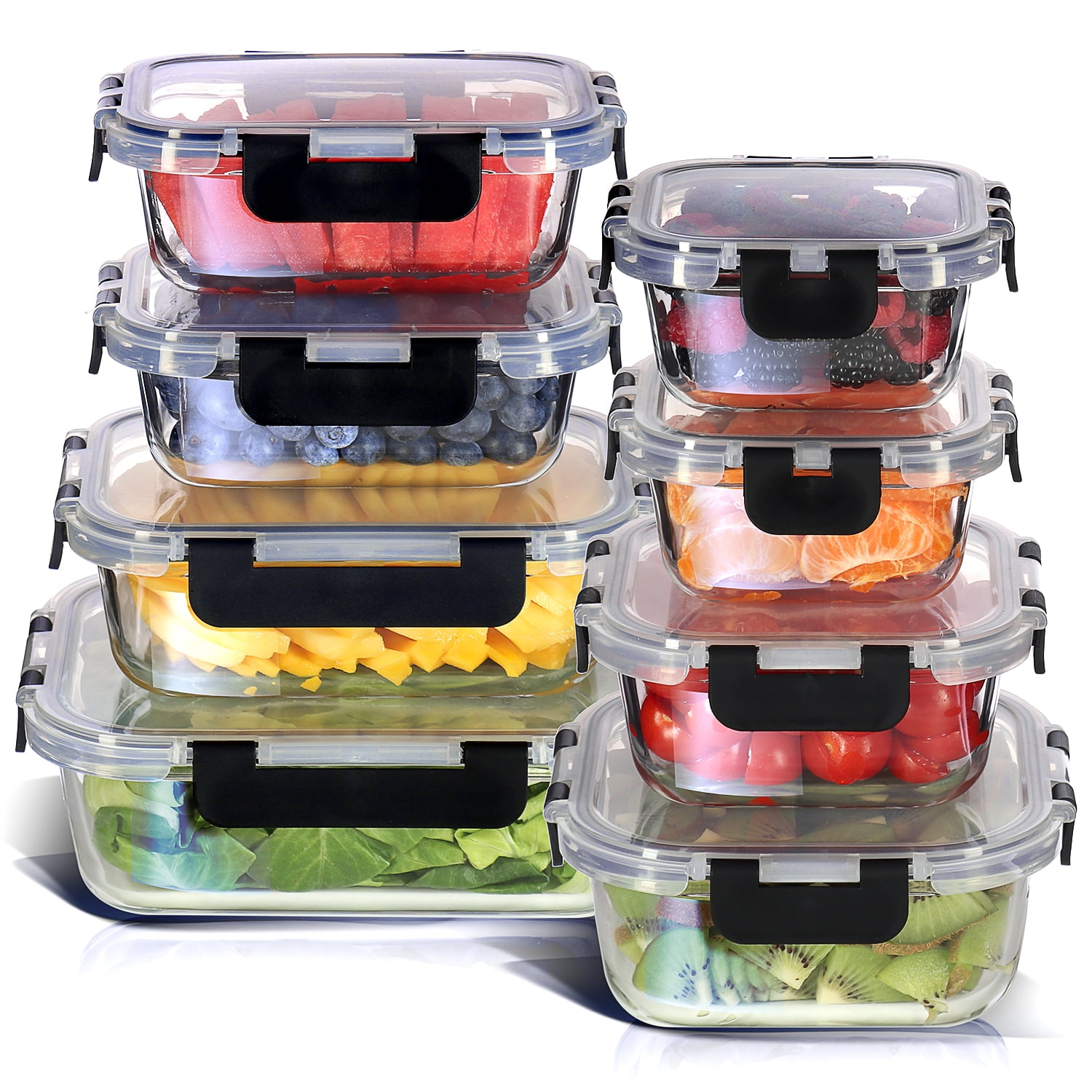
Credit: www.walmart.com
Safety Tips For Freezing Glass Containers
Freezing food in glass containers keeps meals fresh and tasty. Safety matters most to avoid cracks or breaks. Follow these tips for safe freezing with glass containers.
Choosing The Right Glass Container
Select containers made for freezer use. Look for tempered or borosilicate glass. These types resist cold and heat changes better. Avoid thin or decorative glass, as it may break easily.
Avoiding Thermal Shock
Thermal shock happens when glass changes temperature too fast. Never put hot food directly into frozen containers. Let food cool down first. Also, avoid moving containers from freezer to hot oven or microwave immediately.
Proper Sealing And Lid Use
Use airtight lids to prevent freezer burn and spills. Make sure lids fit well but do not tighten too hard. Leave some space at the top of the container. Food expands when frozen, so this prevents cracks.
Advantages Of Using Glass In Freezers
Using glass containers in your freezer offers several clear benefits that go beyond just storing food. Glass is a smart choice if you want something reliable, safe, and effective at keeping your meals fresh. Let’s look at why glass stands out for freezer storage.
Durability And Longevity
Glass containers can last for years without losing their shape or quality. Unlike plastic, they don’t warp or crack easily when exposed to extreme cold. Have you ever noticed how some plastic containers become brittle after repeated freezing and thawing? Glass avoids that problem, making it a better long-term investment.
Additionally, glass resists stains and odors that often cling to plastic. This means you can store different types of food without worrying about leftover smells or discoloration. Your freezer stays cleaner, and your food tastes better.
Health And Environmental Benefits
Glass is free from harmful chemicals like BPA, which can leach from some plastics during freezing. Using glass containers reduces your exposure to these toxins and supports your family’s health. Don’t you want safer storage options for your meals?
From an environmental perspective, glass is recyclable and reusable indefinitely. Choosing glass over disposable plastic containers helps reduce waste and your carbon footprint. It’s a small change that can make a big difference in protecting the planet.
Maintaining Food Freshness
Glass containers create an airtight seal that locks in moisture and prevents freezer burn. This helps keep your food tasting fresh longer. Have you ever found freezer-burned leftovers that were dry and tasteless? Glass storage can help you avoid that disappointment.
The transparency of glass also lets you see what’s inside without opening the container. This saves you time and helps you plan meals without digging through your freezer. Isn’t it easier to grab what you need when you can see it clearly?
Potential Risks And How To Prevent Them
Glass food storage containers can be convenient and safe for freezing. Yet, some risks exist when freezing food in glass. Knowing these risks and how to avoid them helps keep your containers intact and your food fresh.
Cracking And Breaking Causes
Glass can crack or break from sudden temperature changes. Placing a hot container directly into the freezer causes stress. Freezing liquids expand, which can put pressure on the glass walls. Thin or low-quality glass is more likely to break. Dropping or banging the container also leads to cracks.
Avoiding Overfilling
Food expands as it freezes. Overfilling containers leaves no space for this expansion. This pressure may cause the glass to crack or break. Always leave about one inch of space at the top. This small gap allows food to expand safely without damage.
Safe Thawing Methods
Thawing frozen glass containers too quickly can cause breakage. Avoid placing frozen glass directly into hot water or a microwave. Instead, thaw containers gradually in the refrigerator. Letting glass warm slowly reduces the risk of thermal shock. Use a bowl of cold water for faster thawing if needed.
Alternatives To Glass For Freezer Storage
Plastic, silicone, and stainless steel containers offer safe freezer storage without the risk of glass breaking. These materials handle freezing temperatures well and provide lightweight, durable options for food storage.
When considering freezer storage options, glass containers are often a popular choice for their durability and non-reactive nature. However, they are not always the best fit for every situation. You might be looking for alternatives that are lighter or more flexible. Exploring a range of materials can help you decide which storage solution is best for your needs. Let’s dive into some practical alternatives.Plastic Containers
Plastic containers are a versatile and lightweight option for freezer storage. They come in various sizes and shapes, making them suitable for everything from soups to leftovers. Some plastics are even designed to be stackable, saving you precious freezer space. However, it’s essential to ensure that the plastic is BPA-free and labeled as freezer-safe to prevent any harmful chemicals from leaching into your food. Have you ever tried using plastic containers and found them to be incredibly convenient for quick meals? They’re easy to label, so you’ll never mistake your chili for your tomato soup again.Silicone Options
Silicone storage bags and containers are gaining popularity due to their flexibility and reusability. They are an excellent choice for those who want an eco-friendly alternative to single-use plastic bags. Their malleability means they can fit snugly into tight spaces in your freezer. Imagine filling a silicone bag with a smoothie blend, freezing it, and then tossing it directly into the blender for a quick breakfast. You can easily clean them in the dishwasher, saving you time and effort. Plus, silicone is known for its durability, making it a long-term investment for your kitchen.Metal Storage Solutions
Metal containers, particularly stainless steel, offer another robust option for freezer storage. They are resilient and can withstand extreme temperatures, making them ideal for freezing. While they may not be transparent, labeling them effectively can help you keep track of your stored items. Have you ever thought about using metal containers to store marinated meats or pre-cooked meals? Their tight-sealing lids ensure that flavors and aromas are preserved without the risk of freezer burn. Each alternative comes with its own set of advantages, offering you flexibility depending on your storage needs and lifestyle. Which one will you try next in your kitchen?
Credit: www.amazon.com
Maintenance And Cleaning Tips
Keeping your glass food storage containers in top condition extends their life and ensures food stays fresh and safe. Proper maintenance and cleaning not only remove residues but also prevent lingering odors and stains. Let’s dive into some practical tips that make caring for your containers easy and effective.
Dishwasher Safety
Most glass food storage containers are dishwasher safe, but it’s important to check the manufacturer’s instructions. Placing glass containers on the top rack usually protects them from intense heat and direct water pressure. Avoid putting lids with rubber seals in the dishwasher’s high heat zone, as this can cause warping or damage.
If you hand wash, use warm soapy water and a soft sponge to prevent scratches. Have you noticed your containers looking cloudy after several dishwasher cycles? This might be due to hard water buildup, which you can reduce by using a rinse aid or washing with vinegar occasionally.
Removing Stains And Odors
Stains from tomato sauce or curry can be stubborn, but glass is easier to clean than plastic. To tackle stains, sprinkle baking soda on the surface, add a little water to make a paste, and gently scrub. Let it sit for 15 minutes before rinsing for better results.
Odors can linger even after washing. Try soaking containers overnight in a mixture of vinegar and water or with a few tablespoons of baking soda. This simple trick often neutralizes smells without harsh chemicals.
Storage Best Practices
Stack your glass containers with their lids off to avoid trapping moisture inside, which can cause mold. Store lids separately or inverted on top of the containers to keep them clean and dry. Consider using drawer dividers or shelf organizers to prevent chipping and make your kitchen more organized.
Do you find yourself searching for matching lids? Using sets with uniform shapes and sizes can reduce clutter and frustration. Keeping your containers dry before storing also prevents musty smells and keeps them ready for your next meal prep.

Credit: www.containerstore.com
Frequently Asked Questions
Are Glass Food Storage Containers Safe For Freezers?
Yes, most glass food storage containers are freezer safe. Tempered glass can handle cold temperatures without cracking. Always check the manufacturer’s guidelines before freezing.
Can Glass Containers Withstand Freezer To Oven Transitions?
Tempered glass containers can usually go from freezer to oven safely. Avoid sudden temperature changes to prevent cracking or breaking.
How To Prevent Glass Containers From Breaking In The Freezer?
Leave space for food expansion and avoid sudden temperature changes. Use tempered glass containers designed for freezer use to minimize breakage.
Do All Glass Lids Seal Tightly In The Freezer?
Not all glass lids create an airtight seal. Choose containers with silicone seals for better airtightness and to prevent freezer burn.
Conclusion
Glass food storage containers can safely go in the freezer. They do not crack easily if handled right. Always leave space for food to expand as it freezes. Avoid sudden temperature changes to keep the glass strong. Using glass containers helps keep food fresh longer.
They are a good choice for freezer storage. Just remember to cool food before freezing. Choose containers labeled freezer safe for best results. Safe, simple, and practical for everyday use.