
Have you ever wondered if those plastic food storage containers you use every day could be harming your health? You probably rely on them to keep your meals fresh and your leftovers safe.
But what if the very containers meant to protect your food are quietly affecting your well-being? This article will uncover the truth behind plastic food storage containers and what you need to know to keep yourself and your family safe.
Keep reading—you might be surprised by what you discover.
Health Risks Of Plastic Containers
Plastic food storage containers are common in many kitchens. They offer convenience and affordability. Yet, concerns about their safety have grown. Chemicals in plastics can seep into food. This process is known as chemical leaching. It poses potential health risks that deserve attention.
Chemical Leaching And Its Effects
Chemical leaching happens when harmful substances move from plastic into food. Heat, such as microwaving, speeds this process. Fatty and acidic foods increase leaching risk. These chemicals can cause stomach upset and other health issues. Long-term exposure may lead to more serious problems.
Bpa And Phthalates Concerns
BPA (Bisphenol A) is a chemical once common in plastics. It can mimic hormones in the body. Phthalates are another group of chemicals used to soften plastics. Both BPA and phthalates can escape from containers into food or drinks. Many manufacturers now avoid these chemicals, but older containers may still contain them.
Impact On Hormonal Balance
When chemicals like BPA enter the body, they may disrupt hormones. Hormones control many body functions, including growth and metabolism. Disruption can affect reproductive health and development. Some studies link these chemicals to increased risk of diseases. Children and pregnant women are especially vulnerable.
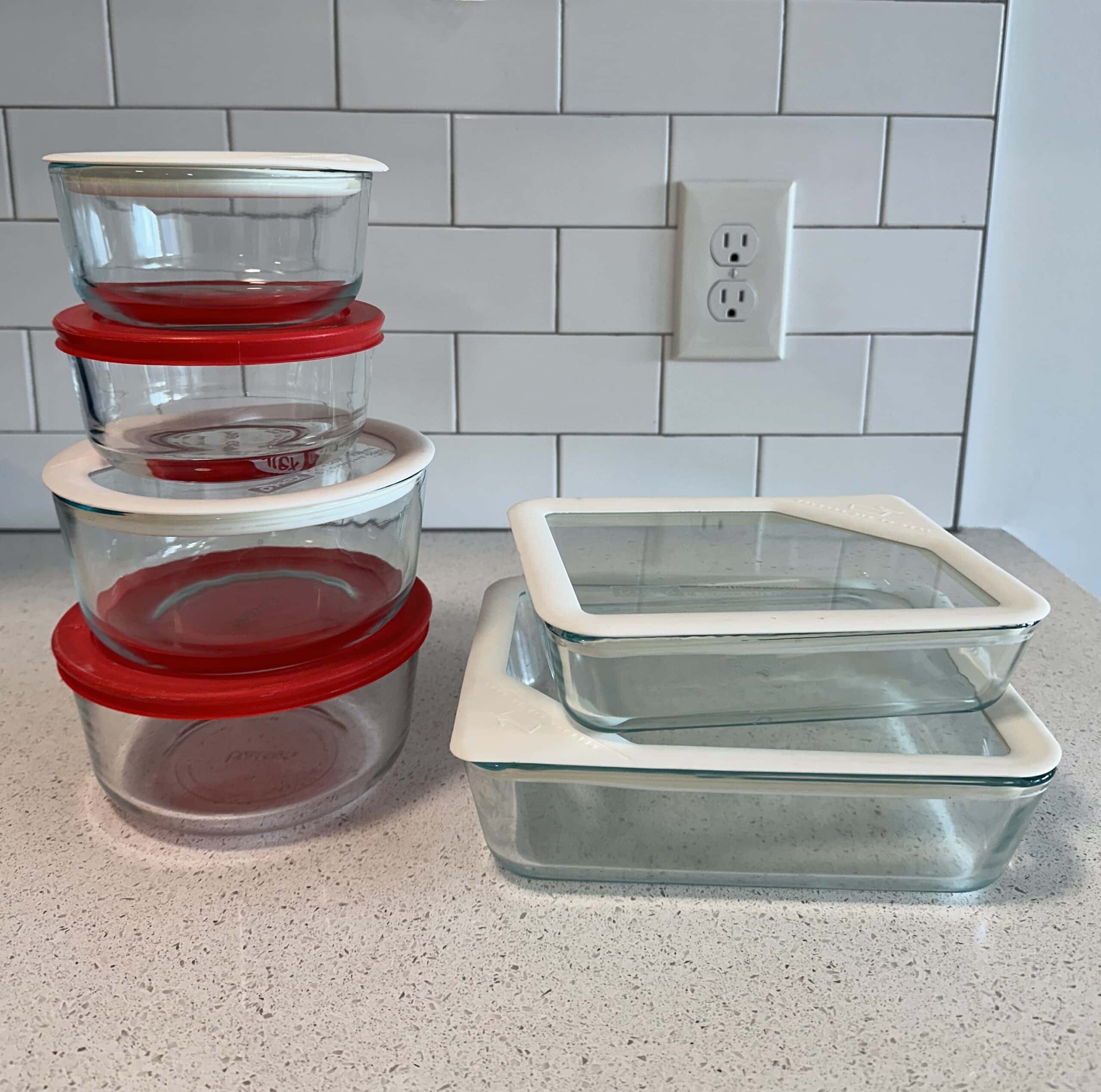
Credit: thefiltery.com
Types Of Plastics Used In Food Storage
Plastic food storage containers come in different types. Each type has unique features and risks. Knowing the types helps you choose safer options. Plastics are identified by codes that tell what material they are made from. Some plastics are better for food storage than others.
Common Plastic Codes Explained
Plastic containers have recycling codes numbered 1 to 7. These numbers show the kind of plastic used:
- 1 (PET or PETE): Used for soda bottles and some food containers. Not ideal for reuse.
- 2 (HDPE): Strong and safe for food. Found in milk jugs and juice bottles.
- 3 (PVC): Flexible but can release harmful chemicals. Not good for food storage.
- 4 (LDPE): Soft and flexible. Used in bags and some containers. Generally safe.
- 5 (PP): Durable and heat-resistant. Common in yogurt containers and microwave-safe boxes.
- 6 (PS): Often found in disposable plates and cups. Can release toxins.
- 7 (Other): A mix of plastics, including BPA plastics. Safety varies widely.
Safe Vs. Unsafe Plastics
Some plastics are safer for food storage than others. Safe plastics do not leak chemicals into food. Unsafe plastics may release toxins, especially when heated.
- Safe plastics:Types 2 (HDPE), 4 (LDPE), and 5 (PP). These are stable and less likely to cause harm.
- Unsafe plastics:Types 3 (PVC), 6 (PS), and sometimes 7 (Other). These may contain harmful chemicals like BPA and phthalates.
Choose containers marked with safe codes for your food. Avoid heating food in unsafe plastic containers. This reduces chemical exposure and keeps food healthier.
Heat And Plastic Interaction
Plastic food storage containers have become a staple in most kitchens due to their convenience and affordability. However, the interaction between heat and plastic can lead to potential health concerns. When these containers are exposed to high temperatures, they may release harmful chemicals, raising questions about their safety.
Microwaving Risks
Microwaving plastic containers can be risky. The heat can cause the plastic to break down and leach chemicals into your food. This is especially concerning with non-microwave-safe plastics, which might not withstand the temperature changes.
Have you ever noticed a plastic container warp or change shape in the microwave? This is a clear sign that the material is being compromised. To ensure safety, opt for containers specifically labeled as microwave-safe.
Dishwasher Safety Issues
Using the dishwasher to clean plastic containers might seem like a time-saver, but it could be causing more harm than good. The high heat and strong detergents can erode the plastic over time, leading to the release of harmful substances.
Is it worth the convenience if it means risking your health? Consider hand washing your plastic containers instead, especially if they are not labeled as dishwasher-safe. This simple change can prolong the life of your containers and keep your meals safer.
When handling plastic food storage containers, be mindful of how heat can impact their safety. Taking small steps to adjust how you use and clean them can make a significant difference in maintaining a healthier kitchen environment.

Credit: shopping.yahoo.com
Environmental Impact Of Plastic Containers
Plastic food storage containers are common in many homes. Their use raises concerns about the environment. Understanding their impact helps us make better choices. The environmental effects are broad and serious.
Plastic Waste And Pollution
Plastic containers often end up as waste quickly. They take hundreds of years to break down. During this time, they pollute land and water. Wildlife can mistake plastic for food. This causes harm and even death to animals.
Small plastic pieces, called microplastics, spread in oceans and soil. They enter the food chain and affect many living things. Plastic pollution also harms natural beauty and clean spaces.
Recycling Challenges
Recycling plastic containers is not easy. Many types of plastic exist, and not all are recyclable. Contamination from food residue makes recycling harder. This lowers the quality of recycled plastic.
Recycling systems differ by location, causing confusion. Many containers end up in landfills or the environment instead. Improving recycling technology and practices is crucial. Reducing plastic use is also a key solution.
Alternatives To Plastic Food Containers
Choosing the right food storage containers matters for health and environment. Plastic containers may release harmful chemicals over time. Safer alternatives exist that protect your food and reduce waste. These options are durable, easy to clean, and often better for your budget.
Glass And Stainless Steel Options
Glass containers are non-toxic and do not absorb odors. They keep food fresh and are microwave safe. Many glass containers come with airtight lids to prevent spills.
Stainless steel containers are strong and long-lasting. They do not react with food or stain easily. These containers are perfect for both hot and cold foods. They are lightweight and often come in stackable designs.
Silicone And Other Safe Materials
Silicone containers are flexible and heat resistant. They work well for freezing and reheating food. Silicone lids create tight seals to keep food fresh.
Other safe materials include bamboo and food-grade ceramics. Bamboo containers are biodegradable and lightweight. Ceramic containers offer a stylish way to store food safely.
Tips For Safe Use Of Plastic Containers
Using plastic food storage containers is common in many kitchens, but safety concerns often arise. You can reduce risks by handling them properly. Here are practical tips that help you use plastic containers safely every day.
Choosing The Right Container
Not all plastic containers are created equal. Look for containers labeled BPA-free to avoid harmful chemicals. Also, check for recycling codes; numbers 2, 4, and 5 are generally safer choices for food storage.
Consider the container’s purpose. Some plastics are designed only for cold storage and can release toxins when heated. If you want to microwave food, make sure the container explicitly says it is microwave-safe.
Have you ever heated food in a container that warped or smelled strange afterward? That’s a sign the plastic isn’t suitable for heating. Choosing the right container prevents this and keeps your food safe.
Proper Cleaning And Storage Practices
Cleaning plastic containers correctly extends their life and keeps them safe. Use mild dish soap and warm water. Avoid harsh scrubbers that can scratch the plastic, creating places for bacteria to hide.
After washing, dry containers thoroughly before storing them. Stacking damp containers can trap moisture and cause mold growth. Also, avoid storing plastic containers in direct sunlight, which can degrade the plastic over time.
Have you noticed your plastic containers becoming cloudy or cracked? This means they should be replaced. Using damaged containers risks chemical leaching and food contamination.
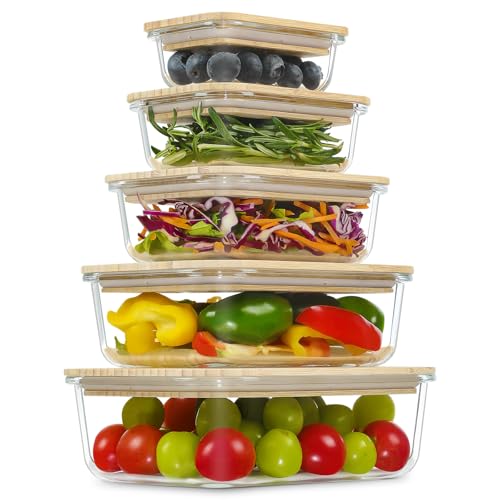
Credit: www.nbcnews.com
Frequently Asked Questions
Are Plastic Food Containers Safe For Everyday Use?
Plastic containers marked BPA-free are generally safe for daily use. Avoid heating food in plastic to prevent chemical leaching. Choose containers labeled food-grade to ensure safety. Regularly replace worn or damaged containers to maintain hygiene and safety.
Can Plastic Containers Release Harmful Chemicals Into Food?
Yes, some plastics can release chemicals like BPA and phthalates. These chemicals may disrupt hormones if ingested in large amounts. Using BPA-free and food-safe plastics reduces this risk. Avoid microwaving or freezing food in plastic containers to minimize chemical release.
How To Identify Safe Plastic Food Storage Containers?
Look for recycling codes 1, 2, 4, or 5 on containers for safer use. Avoid plastics with recycling codes 3, 6, and 7 unless labeled BPA-free. Check for labels like “food-grade” or “BPA-free” to ensure safety. Always buy containers from reputable brands.
Do Plastic Containers Affect Food Taste Or Quality?
Plastic containers can sometimes absorb odors or stains from strong foods. High-quality, BPA-free plastics usually do not affect food taste. Using glass or stainless steel containers is ideal for preserving food quality. Proper cleaning prevents odor retention and maintains container freshness.
Conclusion
Plastic food storage containers can be safe if used right. Choose BPA-free containers to reduce health risks. Avoid heating food in plastic to prevent chemicals from leaking. Glass or stainless steel can be better choices for storage. Clean containers well after each use to keep food fresh.
Small changes help protect your health and the environment. Stay informed and make smart decisions about your food storage. Your health is worth the care you take every day.