
Are you wondering if you can wash your kitchen rugs in the washing machine without ruining them? Keeping your kitchen rugs clean is important, but you might worry about damage or shrinking.
What if there was a simple way to refresh your rugs quickly and safely at home? You’ll discover the truth about machine-washing kitchen rugs, plus expert tips to protect your rugs while making them spotless. Keep reading to find out how to keep your kitchen rugs looking fresh and clean with ease.
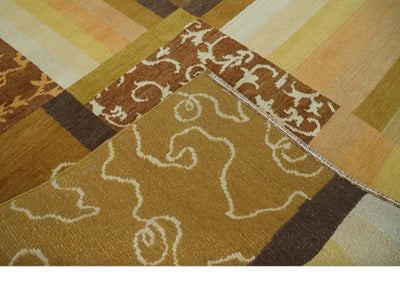
Credit: therugdecor.com
Types Of Kitchen Rugs
Choosing the right kitchen rug can make a big difference in both the aesthetics and functionality of your kitchen. Knowing the types of kitchen rugs is crucial before deciding if they can be machine washed. You might be surprised by how much their material, size, and weight can influence your cleaning options.
Material Matters
The material of your kitchen rug is a key factor in determining if it can withstand a machine wash. Cotton rugs are popular because they are generally durable and can handle machine washing. However, rugs made from jute or bamboo might not be machine washable due to their natural fibers.
Think about how much traffic your kitchen sees. Rugs made from synthetic materials like nylon or polyester are great for high-traffic areas as they’re often machine washable and stain-resistant. Consider the cleaning instructions provided by the manufacturer to ensure longevity.
Size And Weight Considerations
Size and weight also play a vital role in deciding whether your kitchen rug can go in the washing machine. A small, lightweight rug fits easily and moves smoothly in most household machines. Larger or heavier rugs might require a commercial washer to prevent damage to both the rug and your machine.
Measure your rug before heading to the laundry room. If it’s too big to fit comfortably, it may not clean evenly, leaving you with a partially washed rug. Additionally, the weight when wet can be significantly more, which might strain your washing machine.
Have you ever tried to wash a large rug at home only to realize it’s too bulky? It’s a common mistake that can be easily avoided with a bit of foresight. Always evaluate the size and weight to ensure a hassle-free washing experience.

Credit: www.amazon.com
Checking Care Labels
Before tossing your kitchen rug into the washing machine, it’s crucial to check the care label. These small tags hold key information about how to clean your rug safely without causing damage. Skipping this step can lead to shrinking, color fading, or even ruining the rug entirely.
Symbols To Look For
Care labels use simple symbols to tell you what cleaning methods are safe. Look for a washing machine icon to confirm if machine washing is allowed. A crossed-out tub means no water washing, so you’ll need to consider hand washing or dry cleaning instead.
Temperature symbols guide you on the water heat suitable for your rug. For example, one dot means cold water, while three dots indicate hot water is safe. Check for a bleach symbol, too—if it’s crossed out, avoid bleach as it can ruin colors.
- Washing machine tub icon: machine washable
- Crossed-out tub icon: no machine wash
- Temperature dots: water temperature limits
- Triangle: bleach allowed or not
- Iron icon: heat settings for drying or ironing
Manufacturer’s Washing Instructions
Manufacturers often provide specific instructions beyond symbols. These may include hand wash only, gentle cycle, or no tumble drying. It’s important to follow these because they consider the rug’s material and construction.
If the label says “gentle cycle,” use your machine’s delicate setting to protect fibers. For rugs labeled “dry flat,” avoid hanging them as this can stretch the fabric. Sometimes, the label suggests air drying, which might take longer but preserves the rug’s shape.
Have you ever ignored care labels and faced a ruined rug? Taking a moment to read these instructions can save you time, money, and frustration. Your kitchen rug will thank you by staying fresh and intact for longer.
Preparing Rugs For Washing
Preparing kitchen rugs for washing helps protect their fibers and keeps colors bright. Proper prep also stops dirt from spreading inside the washing machine. Taking a few simple steps makes the cleaning process safe and effective. These steps help keep your rugs fresh and last longer.
Shaking And Vacuuming
Begin by shaking the rug outside to remove loose dirt and crumbs. This gets rid of debris that could damage the washing machine. After shaking, vacuum both sides of the rug thoroughly. Use a brush attachment to lift dust from fibers. This step ensures deep cleaning and prevents dirt build-up.
Spot Cleaning Stains
Check the rug for stains before washing. Treat spots gently with a mild detergent or stain remover. Dab the stain with a clean cloth, avoiding harsh scrubbing. Let the cleaner sit for a few minutes. This pre-treatment helps remove tough stains during the wash cycle.

Credit: www.ebay.com
Choosing The Right Settings
Choosing the right settings for washing your kitchen rugs in the washing machine is crucial. Using incorrect settings can damage the rug or leave it less clean than you expect. Paying attention to water temperature and washing cycles helps protect your rug’s material and colors while ensuring a thorough clean.
Water Temperature Tips
Choosing the right water temperature depends on your rug’s fabric and how dirty it is. Cold water is gentle and prevents colors from fading, making it a safe choice for most rugs.
Hot water can remove tough stains and kill bacteria but might shrink or damage delicate fibers. If your rug is heavily soiled or used in a high-traffic area, consider warm water as a balanced option.
- Check the care label for temperature recommendations.
- Use cold water for synthetic or brightly colored rugs.
- Opt for warm water if your rug is cotton or heavily stained.
Selecting The Washing Cycle
Picking the right washing cycle can protect your rug from damage and improve cleaning results. Gentle or delicate cycles are best for rugs with loose fibers or delicate backing.
Regular or normal cycles offer stronger agitation, which helps clean sturdier rugs but may cause wear over time. If you’re unsure, try the gentle cycle first and see how your rug responds.
- Use the gentle cycle for delicate or small rugs.
- Choose the normal cycle for durable, well-made rugs.
- Skip the spin cycle or use a low spin speed to avoid damaging the rug’s backing.
Have you ever washed a rug only to find it faded or misshapen afterward? Adjusting your settings might be the key you missed to keep your kitchen rugs looking fresh and lasting longer.
Using Detergents Safely
Using detergents safely is key to keeping kitchen rugs clean and lasting longer. The right detergent removes stains without harming the rug’s fibers or colors. Harsh chemicals can cause damage or fading. Choosing the correct detergent and avoiding strong chemicals protects your rug and washing machine.
Types Of Detergents Suitable
Use mild detergents made for delicate fabrics or hand washing. These detergents clean gently and reduce wear on the rug. Liquid detergents often dissolve better and rinse out more easily than powders. Look for detergents labeled “color-safe” to protect colors from fading.
- Detergents for delicates or wool
- Liquid detergents without bleach
- Color-safe detergents for vibrant rugs
Avoiding Harsh Chemicals
Avoid bleach, fabric softeners, and strong stain removers. These chemicals can weaken fibers or cause color loss. They may also leave residues that irritate skin or attract dirt quickly. Stick to gentle formulas and use only the recommended amount to keep rugs fresh without damage.
- No bleach or chlorine products
- No fabric softeners or conditioners
- Skip detergents with optical brighteners
Drying Kitchen Rugs
Drying kitchen rugs properly is just as important as washing them. The way you dry your rug can affect its texture, shape, and longevity. Understanding the best drying methods helps you keep your kitchen rugs looking fresh and clean without damage.
Air Drying Vs Machine Drying
Air drying is the safest way to dry your kitchen rug. It helps preserve the fibers and prevents shrinking. Simply hang your rug outdoors or in a well-ventilated area, laying it flat if possible to avoid stretching.
Machine drying might be tempting for speed, but it can cause heat damage or distort the rug’s shape. If you decide to use a dryer, choose the lowest heat setting and check the rug frequently. Some rugs respond better to gentle tumble drying, but always read the care label first.
Preventing Rug Damage
To avoid damage, never wring out your kitchen rug after washing. Excess water can weaken the fibers and cause wrinkles. Instead, press the rug gently between towels to absorb moisture.
Keep your drying area free from direct sunlight for long periods, as this can fade colors. Also, avoid hanging rugs by their corners alone; this might stretch or deform the edges. Instead, support the rug evenly to maintain its shape.
Have you noticed how some rugs stay soft and vibrant after washing, while others become stiff or faded? The way you dry your rug plays a big role in this difference. Taking a little extra care can save you from replacing your favorite kitchen rug sooner than expected.
When Not To Machine Wash
Not all kitchen rugs are safe for the washing machine. Some materials and constructions can get damaged during a machine wash. Rugs with delicate fibers or backing may lose their shape or color. It is important to know when machine washing could harm your rug.
Rugs That Require Hand Washing
Rugs made of wool, silk, or jute often need gentle care. Hand washing helps protect their texture and colors. Rugs with loose threads or intricate patterns also benefit from hand washing. Use mild detergent and cold water for these rugs. Avoid scrubbing too hard to prevent damage.
Professional Cleaning Options
Some rugs require special cleaning methods beyond home care. Professional cleaners use tools and solutions that preserve rug quality. This option suits large, heavily soiled, or antique rugs. Professionals can remove tough stains without harming the rug. Choose this service for valuable or fragile kitchen rugs.
Maintaining Rug Freshness
Keeping your kitchen rug fresh is key to maintaining a clean and inviting space. A fresh rug not only looks better but also helps keep your kitchen hygienic. Let’s dive into some practical ways you can maintain that freshness day after day.
Regular Cleaning Tips
Vacuum your kitchen rug at least twice a week to remove crumbs and dirt that can build up quickly. Spot clean spills immediately using a mild detergent and warm water to prevent stains from setting.
Shake out your rug outdoors every few days to get rid of dust and loose debris. If your rug is machine-washable, wash it regularly according to the care label—this keeps dirt and allergens at bay.
Preventing Odors And Mold
Moisture is the enemy when it comes to odors and mold. Make sure your rug dries completely after spills or cleaning to avoid musty smells and mildew growth.
Consider placing a moisture absorber or using a dehumidifier in your kitchen if it tends to be humid. Have you ever noticed a bad smell that just won’t go away? It might be hidden mold under your rug.
Air out your rug by hanging it outside on sunny days. Sunlight naturally helps kill bacteria and reduces odors, giving your rug a fresh scent without chemicals.
Frequently Asked Questions
Can All Kitchen Rugs Be Washed In A Machine?
Not all kitchen rugs are machine washable. Check the care label for washing instructions. Some rugs need hand washing or dry cleaning to avoid damage.
What Washing Settings Are Best For Kitchen Rugs?
Use a gentle or delicate cycle with cold water. Avoid harsh detergents and bleach to preserve rug fibers and colors.
How Do I Dry Kitchen Rugs After Washing?
Air dry kitchen rugs flat or hang them. Avoid using a dryer, which may shrink or damage the rug.
Can Washing Machine Damage Kitchen Rugs?
Yes, washing machines can damage delicate rugs. Heavy agitation may cause fibers to fray or backing to peel off.
Conclusion
Washing kitchen rugs in a machine can be safe with care. Check the label for washing instructions first. Use gentle cycles and mild detergent to protect the rug. Avoid high heat to keep colors bright and fabric strong. Dry rugs flat or hang them to dry naturally.
Regular cleaning keeps your kitchen fresh and tidy. Small efforts make a big difference in rug care. Choose the right method and enjoy a clean, cozy kitchen space.