
Have you ever wondered if you can safely put your nonstick skillet in the oven? You might want to finish cooking a dish or keep your food warm, but is your skillet up to the task?
Using the wrong cookware in the oven can damage your pan or even ruin your meal. Keep reading to discover the truth about nonstick skillets and oven use—so you can cook with confidence every time.
Nonstick Skillet Basics
Nonstick skillets are kitchen staples. They offer convenience and easy cleaning. But, understanding their basics is crucial for proper use. Knowing materials and coatings helps you choose the right one. You’ll also learn what dishes suit these skillets best.
Materials And Coatings
Nonstick skillets usually have aluminum or stainless steel bases. Aluminum is lightweight and heats evenly. Stainless steel is more durable but heavier. The nonstick surface is a special coating. The most common is PTFE, known as Teflon. This coating prevents food from sticking. Some skillets use ceramic coatings. These are free from chemicals like PFOA.
Common Uses In Cooking
Nonstick skillets excel in cooking delicate foods. They are perfect for eggs and pancakes. You can also use them for fish and chicken. These skillets require less oil, making meals healthier. They are great for sautéing vegetables. You can make stir-fries without food sticking. Nonstick skillets are versatile and simplify kitchen tasks.
Oven Safety Factors
Using a nonstick skillet in the oven can be tempting, especially when you want to finish a dish with a crispy top or keep it warm. But before you slide your skillet into the heat, you need to understand the key oven safety factors. These include the skillet’s temperature limits, the materials used in its handle, and the guidelines set by the manufacturer.
Temperature Limits
Every nonstick skillet has a maximum oven-safe temperature. Going beyond this limit can damage the nonstick coating and even release harmful fumes. Check the skillet’s label or packaging for the exact temperature allowed—usually, it ranges between 350°F to 500°F.
Think about the last time you baked a dish and used a skillet. Did you check if the pan could handle the heat? If not, that might explain the peeling or warping you noticed afterward.
Handle Materials
Handles matter as much as the pan itself. Many nonstick skillets have plastic or rubber handles that can melt or catch fire in the oven. Look for handles made of metal, silicone, or other oven-safe materials.
If your skillet has a detachable handle, that’s a bonus. You can remove it before putting the pan in the oven, reducing the risk of damage. Always ask yourself: can the handle withstand the heat as well as the pan?
Manufacturer Guidelines
Manufacturers know their products best. They provide specific instructions on oven use that protect your skillet and your safety. Ignoring these guidelines can void warranties and shorten your skillet’s lifespan.
Before using your nonstick skillet in the oven, review the manual or the company’s website. Have you ever skipped this step and faced consequences? Learning from those moments can save you money and frustration.
Potential Risks Of Oven Use
Using a nonstick skillet in the oven might seem convenient, but it carries several risks that can affect both your cookware and your health. Understanding these potential problems can help you avoid costly damage and ensure your kitchen stays safe. Let’s break down what might happen when you expose a nonstick skillet to oven heat.
Coating Damage
Nonstick coatings are designed for stovetop use and often can’t handle high oven temperatures. When heated excessively, the coating can peel, chip, or blister. This not only ruins the pan’s performance but also shortens its lifespan.
Have you ever noticed your skillet’s surface looking rough or patchy after oven use? That’s a clear sign the coating has been compromised. Once damaged, food sticks more, and cleaning becomes a challenge.
Toxic Fumes
Some nonstick coatings release harmful fumes when overheated, especially above 500°F (260°C). These fumes can cause respiratory irritation and other health issues. It’s important to check the manufacturer’s temperature limits before putting your skillet in the oven.
If you’ve ever smelled a strange odor or felt lightheaded near an overheated pan, it’s a warning sign. Protect yourself by avoiding oven temperatures that exceed your skillet’s safe range.
Warping And Structural Issues
Rapid or uneven heating in the oven can warp your nonstick skillet’s base or handles. Warping leads to uneven cooking and instability on stovetops. Handles made of plastic or wood may melt or crack under oven heat.
Have you tried placing a warped pan on a burner only to have it wobble or slide? That instability can be dangerous and frustrating. Always consider the skillet’s materials before deciding to use it in the oven.
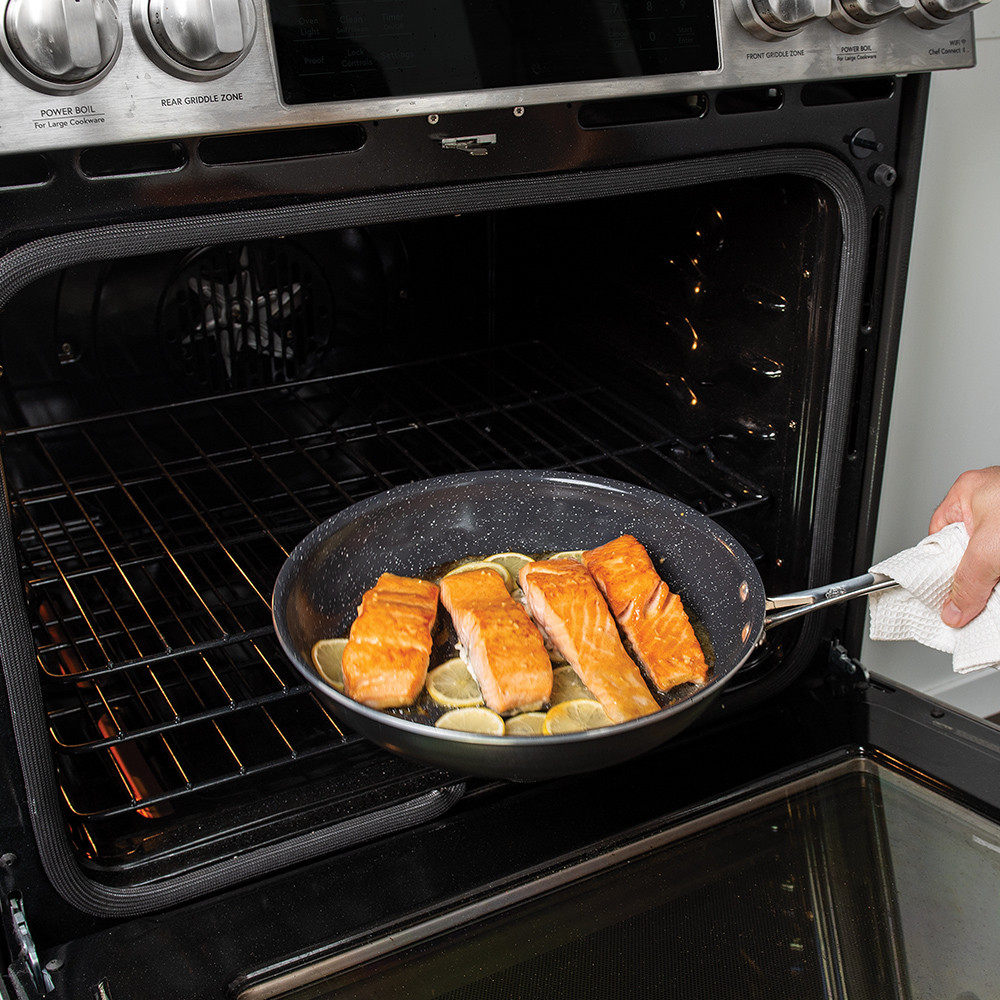
Credit: www.nordicware.com
When Oven Use Is Safe
Knowing when it’s safe to put your nonstick skillet in the oven can save your cookware and your meal. Not all nonstick pans are created equal, so understanding the limits and labels is key. Let’s break down how to identify safe oven use and protect your skillet while cooking.
Oven-safe Labels
Always check your skillet for any labels or markings that indicate oven safety. Manufacturers often include symbols or text on the bottom or handle of the pan specifying if it can go in the oven. If your skillet has no clear indication, it’s best not to take the risk.
Keep in mind some pans might be oven-safe but only for short periods or specific temperatures. If you’ve ever bought a skillet without reading the manual, you might have missed this important detail. It’s worth a quick search online for your skillet model if you can’t find the label.
Suitable Temperature Ranges
Nonstick coatings often have temperature limits, usually between 350°F and 500°F. Exceeding these temperatures can cause the coating to break down, releasing unpleasant fumes or damaging the pan. Knowing your skillet’s maximum oven temperature can help you avoid ruining it.
Some skillets with metal handles can handle higher heat, while those with plastic or rubber handles might only be safe up to 350°F. Think about the recipe you want to try—does it require roasting at 450°F? If so, double-check your skillet’s heat tolerance first.
Proper Handling Tips
Even if your skillet is oven-safe, proper handling ensures it lasts longer. Always use oven mitts when removing the pan from the oven, as the handles can get extremely hot. Avoid sudden temperature changes, such as placing a hot skillet directly on a cold surface, to prevent warping.
When transitioning from stovetop to oven, preheat the oven first and place the skillet inside once it reaches the desired temperature. This helps the pan adjust gradually and reduces stress on the nonstick surface. Have you ever noticed your nonstick pan warping or peeling? Sometimes small habits like these make all the difference.
Alternatives To Oven Use
Ovens are great for many recipes, but not every pan can handle the heat. Nonstick skillets often cannot go into the oven safely. There are other ways to cook your food without using the oven. These alternatives can keep your food tasty and your cookware safe.
Stovetop Techniques
The stovetop offers many options for cooking without an oven. Use medium to low heat to avoid damaging your nonstick skillet. Sauté, simmer, or pan-fry your ingredients carefully. Cover the pan with a lid to trap heat and cook food evenly. Stir frequently to prevent burning and ensure even cooking.
Using Oven-safe Cookware
Choose cookware designed to withstand oven heat. Materials like cast iron, stainless steel, or oven-safe glass work well. These pans can handle high temperatures without damage. They allow baking, roasting, and broiling right in the oven. Always check the manufacturer’s guidelines before using any cookware in the oven.
Broiling And Other Methods
Broiling uses direct heat from above to cook food quickly. Use broiler-safe pans or trays to avoid damage. This method works well for melting cheese or crisping toppings. Other options include slow cooking, grilling, or using a toaster oven. These methods can produce similar results without risking your nonstick skillet.
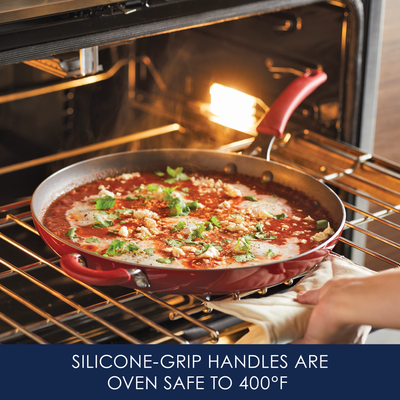
Credit: rachaelray.com
Maintenance After Oven Use
After using your nonstick skillet in the oven, proper maintenance is key to keeping it in top shape. The heat and occasional exposure to oven elements can impact the skillet’s surface and longevity. Taking a few simple steps can help you avoid damage and ensure your skillet performs well for years.
Cleaning Tips
Let your skillet cool down naturally before washing it. Sudden temperature changes can warp the pan or damage the nonstick coating.
Use warm water, mild dish soap, and a soft sponge to clean the surface. Avoid abrasive scrubbers or steel wool that can scratch the nonstick layer.
If food residue sticks stubbornly, soak the skillet briefly in warm soapy water. This loosens grime without harsh scrubbing.
Preserving Nonstick Coating
After oven use, avoid metal utensils that can chip or scratch the coating. Opt for silicone, wooden, or plastic tools instead.
Applying a small amount of cooking oil after cleaning can help maintain the skillet’s smooth surface. This also prevents drying out or cracking of the coating.
Ask yourself: how often do you inspect your skillet for signs of wear? Early detection of scratches or peeling helps you decide when to replace it before it affects your cooking.
Storage Recommendations
Store your nonstick skillet carefully to prevent damage. Avoid stacking heavy pots or pans on top of it.
If space is tight, place a soft cloth or paper towel between pans to protect the coating from scratches.
Keep the skillet in a dry place. Moisture can degrade the nonstick surface over time, especially after oven exposure.
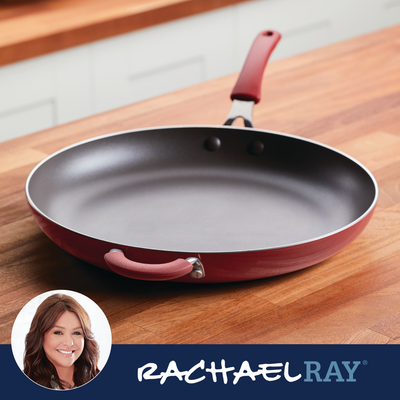
Credit: rachaelray.com
Frequently Asked Questions
Can Nonstick Skillets Withstand Oven Heat?
Most nonstick skillets can handle oven heat up to 350°F to 500°F. Always check manufacturer guidelines to avoid damage.
How Long Can Nonstick Skillets Stay In The Oven?
Nonstick skillets can stay in the oven for typical cooking times. Avoid extended exposure to high heat to maintain coating quality.
Are All Nonstick Skillet Handles Oven-safe?
Not all handles are oven-safe; some plastic or wooden handles can melt. Verify your skillet’s handle material before oven use.
Does Oven Use Damage Nonstick Coating?
Excessive heat can degrade nonstick coatings, reducing effectiveness. Use recommended temperatures and avoid sudden temperature changes to preserve the coating.
Conclusion
Nonstick skillets can sometimes go in the oven, but check first. Many have temperature limits, usually around 350°F to 500°F. Exceeding these can damage the coating or the pan itself. Always read the manufacturer’s instructions to stay safe. Use oven-safe skillets for baking or roasting to avoid problems.
Taking care of your cookware helps it last longer. Oven use depends on the skillet type and materials. Keep this in mind for better cooking results and safety.