
Are you ready to take control of your food security and peace of mind? Starting a long-term food storage pantry might seem overwhelming, but it’s easier than you think.
Imagine having a well-stocked pantry that keeps you and your family safe during emergencies or unexpected events. You’ll discover simple steps to build your own reliable food storage pantry, tailored to your needs. Keep reading, and you’ll learn how to prepare smartly, save money, and create a pantry that lasts for years.
Your journey to food independence starts here.
Choosing The Right Space
Choosing the right space for a long term food storage pantry is very important. The location affects how well your food stays fresh and safe. A good space helps protect your food from damage and spoilage.
Focus on areas that are dry, cool, and easy to access. The space should keep your food safe from pests and moisture. This creates the best environment for storing food for a long time.
Ideal Location Features
- Cool and dry place away from direct sunlight
- Good air circulation to prevent mold and mildew
- Easy access for adding and removing food items
- Space free from pests like rodents and insects
- Close to your kitchen or living area for convenience
Temperature And Humidity Control
Keep the pantry temperature between 50°F and 70°F for optimal food storage. Temperatures above 75°F can shorten food shelf life. Too cold, near freezing, can damage some foods.
Humidity levels should stay below 60%. High humidity causes mold and spoilage. Use a dehumidifier or moisture absorbers to control dampness.
Check the space regularly with a thermometer and hygrometer. Adjust heating, cooling, or ventilation as needed. Consistent conditions protect your food and keep it fresh longer.

Credit: www.youtube.com
Selecting Food Items
Selecting the right food items is the backbone of a long-term food storage pantry. You need foods that last, provide good nutrition, and fit your lifestyle. Choosing wisely now will save you from waste and frustration later.
Staple Foods To Stock
Staple foods form the foundation of your pantry. Think rice, beans, pasta, and oats—these are versatile and easy to prepare. They provide energy and can be combined with other ingredients to create balanced meals.
Don’t forget canned vegetables and fruits—they add variety and important vitamins. Including basic cooking essentials like salt, sugar, and cooking oil helps with flavor and preservation. What staples do you already enjoy cooking with daily?
Long Shelf Life Options
Long shelf life means your food will stay good for months or even years. Freeze-dried and dehydrated foods are excellent choices because they keep their nutrients and flavor. Canned goods and vacuum-sealed packages also last a long time and are simple to store.
Consider foods like powdered milk, honey, and dried beans—they can last for decades if stored properly. Think about how often you want to rotate your pantry stock and select items accordingly. Are you prepared to check and replace items regularly?
Nutritional Balance
Having food that lasts is important, but so is nutrition. Make sure your pantry includes a balance of carbohydrates, proteins, fats, and vitamins. For protein, stock up on beans, lentils, canned fish, and nut butters.
Include sources of healthy fats like olive oil and nuts. Don’t overlook vitamins and minerals; adding multivitamins can cover gaps in your stored food. How will you ensure your meals stay nutritious during long storage periods?
Storage Containers And Packaging
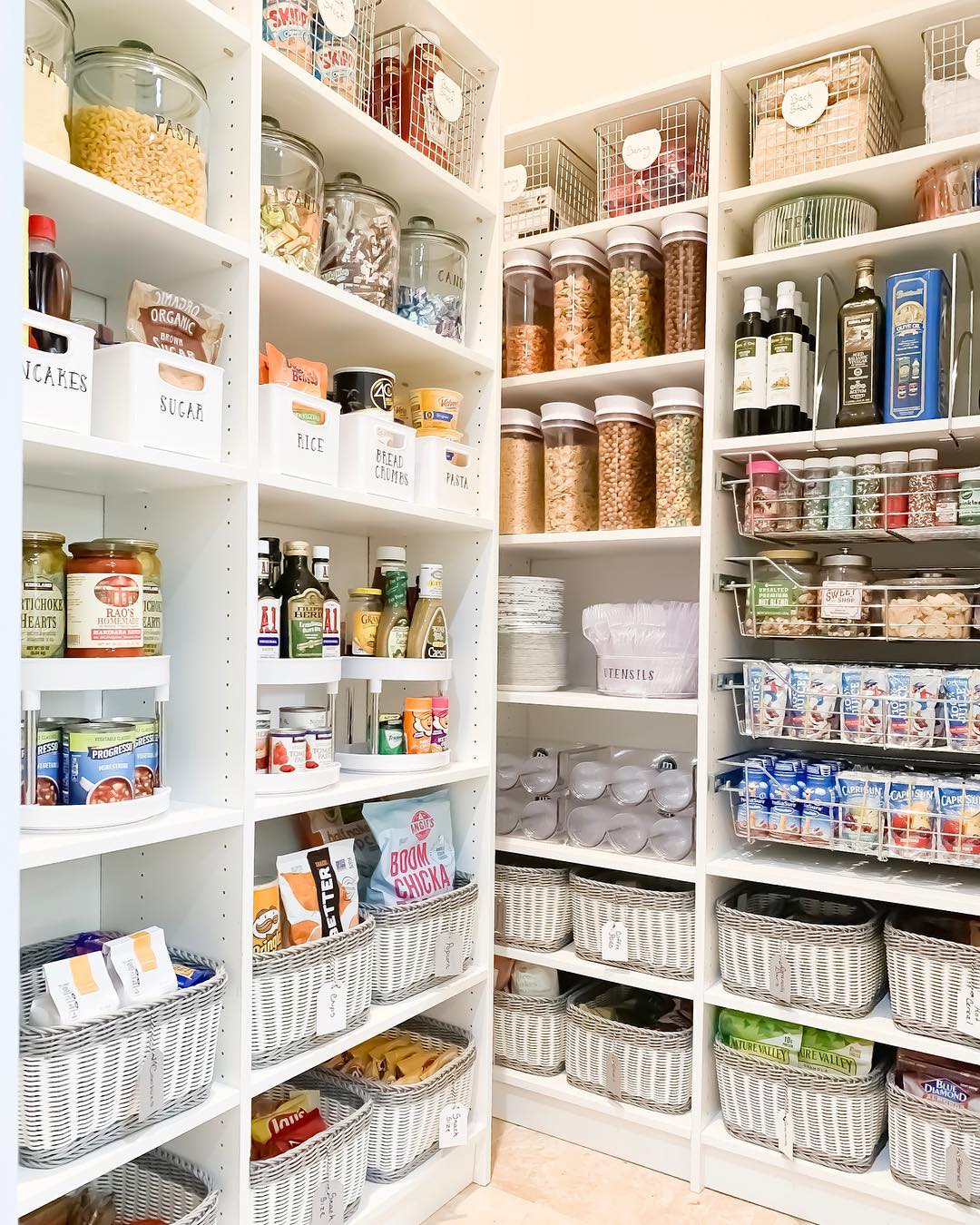
Choose durable, airtight containers to keep food fresh and safe for long periods. Organize your pantry with clear labels and stackable packaging for easy access. Select containers that protect against moisture, pests, and light to extend shelf life.
Starting a long-term food storage pantry requires careful consideration of storage containers and packaging. Using the right materials ensures food stays fresh and safe for extended periods. Choosing proper containers and understanding sealing techniques are essential for maintaining quality and preventing spoilage.
Best Containers For Preservation
Selecting the right containers can make a big difference. Glass jars with airtight lids are ideal for storing dry goods. They keep moisture and pests out, preserving food for longer. Plastic buckets with food-grade quality are another great option. They are perfect for bulk items like grains and beans. Mylar bags are excellent for long-term storage. They provide a strong barrier against light and oxygen. These bags work well with oxygen absorbers for added protection.
Sealing And Labeling Tips
Proper sealing is crucial to maintain freshness. Use vacuum sealers to remove air from packages. This extends the shelf life of your stored items. Ensure jars and lids are thoroughly cleaned and dried before use. Always check for a tight seal by pressing the center of the lid. If it doesn’t pop, the seal is secure. Labeling helps you keep track of your food supply. Use permanent markers to write contents and storage date. Place labels where they are easily visible. Consider including expiration dates for quick reference. Keeping an organized inventory simplifies stock rotation and usage.
Organizing The Pantry
Organizing your long-term food storage pantry is key to maintaining a reliable supply of essentials. Without a clear system, you risk losing track of what you have, which can lead to waste or shortages. The way you organize affects how quickly you find items and how long they last.
Inventory Management
Start by listing every item you store. Use a simple spreadsheet or a notebook to track quantities, purchase dates, and expiration dates. This helps you know exactly what’s on hand and what needs replacing.
Label shelves or containers clearly. Group similar items together, such as grains, canned goods, and dried beans. This makes it easier to update your inventory and locate items fast.
I once lost track of canned goods for months because they were scattered. After creating an inventory and labeling everything, I saved both time and money by avoiding duplicate purchases. What could you do with the time saved from a well-managed pantry?
Rotation Systems
Use a “first in, first out” (FIFO) system to keep food fresh. Place new items behind older ones so you use older stock first. This simple step prevents food from expiring unnoticed.
Consider clear storage bins to see contents without opening them. You can also mark packages with purchase or expiration dates using a permanent marker. These small actions make rotation easier and more effective.
Ask yourself: How often do you check expiration dates? Setting a monthly reminder to rotate stock can help keep your pantry in top shape and your food safe to eat.
Maintaining Food Quality
Maintaining the quality of your long term food storage is essential to ensure your supplies remain safe and nutritious over time. Quality food storage means less waste and more reliable meals when you need them most. How often do you check your pantry to make sure everything is still good to eat?
Regular Inspections
Set a schedule to inspect your pantry every 3 to 6 months. Look for signs of spoilage like discoloration, off smells, or damaged packaging. Even if a product looks fine, check the expiration dates and rotate older items to the front.
Keep a checklist to track what you’ve inspected and what needs replacing. This habit helps you catch problems early, saving you from unpleasant surprises later. Trust me, catching a bulging can or a broken seal early can prevent a whole shelf from being compromised.
Pest Prevention
Pests like insects and rodents can ruin your food stock quickly. Seal containers tightly using airtight jars or heavy-duty plastic bins to keep pests out. Avoid cardboard boxes for long term storage as they attract bugs and absorb moisture.
Clean your storage area regularly to remove crumbs or spills that invite pests. Consider natural deterrents like bay leaves or diatomaceous earth around your pantry shelves. Have you noticed any tiny holes or webbing in your pantry? That’s a sign to act immediately.

Credit: food52.com
Planning For Special Needs
Planning for special needs is key to building a long-term food storage pantry. Everyone’s health and safety requirements differ. Preparing for these needs ensures no one is left without essentials during emergencies.
Think about allergies, medical conditions, and personal preferences. These factors shape what foods and supplies you store. Anticipate water needs for drinking, cooking, and hygiene. Careful planning brings peace of mind and readiness.
Dietary Restrictions
Identify all dietary restrictions in your household. Common issues include gluten intolerance, lactose intolerance, and nut allergies. Keep a list of safe foods for each person.
- Choose gluten-free grains like rice and quinoa.
- Store lactose-free milk or powdered alternatives.
- Label foods clearly to avoid confusion.
- Include protein sources suitable for vegetarians or vegans.
Check expiration dates regularly. Rotate items to keep food fresh. This habit prevents waste and ensures safe consumption.
Emergency Water Storage
Water is vital for survival. Store enough water for at least one gallon per person daily. Plan for at least three days of supply for emergencies.
- Use clean, food-grade containers.
- Keep water in a cool, dark place.
- Replace stored water every six months.
- Consider portable water filters for added safety.
Water is not only for drinking but also for cooking and cleaning. Make sure your supply covers all needs.
Budgeting And Shopping Strategies
Building a long term food storage pantry requires smart budgeting and shopping. Careful planning saves money and stretches your supplies. You can prepare well without spending too much. Focus on strategies that make buying food efficient and cost-effective.
Buying In Bulk
Bulk buying lowers the cost per unit of food items. Large packages of grains, beans, and canned goods are usually cheaper. Store these items properly to avoid spoilage. Use airtight containers and keep food in a cool, dry place. Bulk buying reduces frequent trips to the store. It also helps keep your pantry stocked for emergencies.
Sales And Discounts
Watch for sales on pantry staples like rice, pasta, and canned vegetables. Use coupons to get extra savings. Stock up on discounted items with a long shelf life. Plan purchases around store promotions and holiday sales. Combine sales with bulk buying for the best deals. Keep a list of needed items and check prices regularly.
Credit: www.extraspace.com
Frequently Asked Questions
What Are The First Steps To Start A Long Term Food Storage?
Begin by assessing your space and budget. Choose non-perishable foods with long shelf lives. Prioritize staples like rice, beans, and canned goods. Plan for variety and nutrition. Organize storage in a cool, dry place with proper labeling.
How Much Food Should I Store For Emergencies?
Store at least a two-week supply per person. Consider dietary needs and preferences. Increase quantities for longer emergencies or larger families. Rotate stock regularly to maintain freshness. Balance between calories, nutrition, and storage space.
Which Foods Last Longest In A Food Storage Pantry?
Dry grains, beans, and pasta last for years. Canned vegetables, fruits, and meats also have long shelf lives. Freeze-dried and dehydrated foods can last decades. Store foods in airtight containers away from heat and moisture for best preservation.
How Do I Organize A Long Term Food Storage Pantry?
Group similar items together for easy access. Label containers with content and expiration dates. Use clear bins or shelves for visibility. Place older items in front to rotate stock. Keep an inventory list to track supplies efficiently.
Conclusion
Starting a long-term food storage pantry takes time and planning. Choose foods that last long and store them properly. Keep track of what you have and use older items first. Regularly check your pantry for freshness and add new supplies as needed.
This simple routine helps you stay prepared for emergencies. Building your pantry step by step makes the process easy and stress-free. Stay patient and consistent, and you will create a reliable food supply. This effort brings peace of mind and security for you and your family.