
Are you ready to transform your kitchen into a space that’s both beautiful and practical? Designing kitchen cupboards might seem simple, but it’s the key to making your kitchen truly work for you.
Whether you want more storage, a stylish look, or better organization, the right cupboard design can make a huge difference. You’ll discover easy tips and smart ideas to create cupboards that fit your needs and style perfectly. Keep reading, and you’ll find out how to turn your kitchen cupboards into the heart of your home.
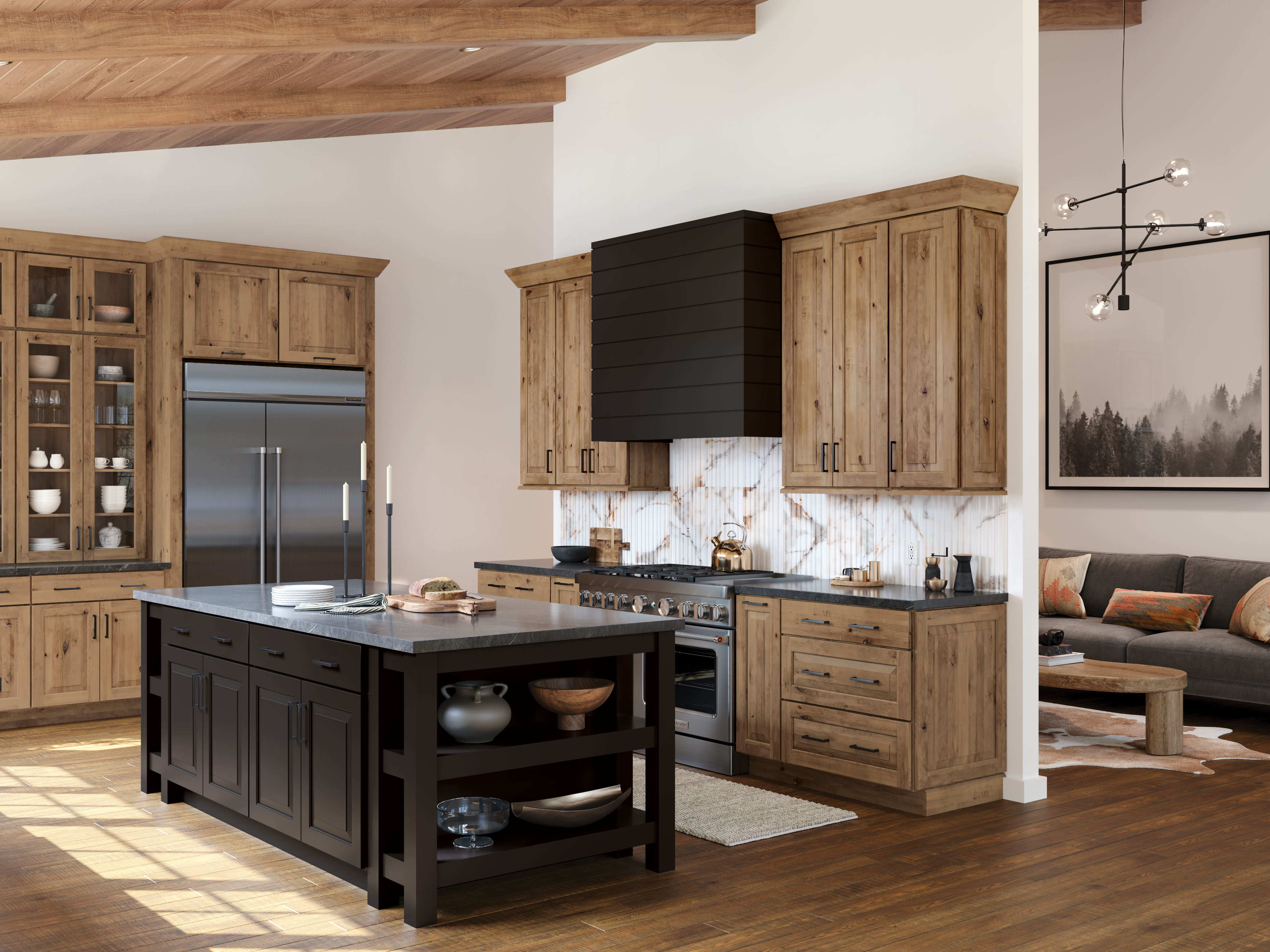
Credit: www.kraftmaid.com
Choosing The Right Materials
Selecting durable and moisture-resistant materials ensures kitchen cupboards last longer. Choose finishes that match your style and are easy to clean. Quality materials also keep your cupboards looking fresh over time.
Choosing the right materials for your kitchen cupboards is a pivotal decision that impacts both style and functionality. The materials you choose should harmonize with your kitchen’s aesthetic while standing up to the daily hustle and bustle of cooking and meal prep. Whether you prefer the timeless elegance of wood or the modern appeal of laminate, understanding the pros and cons of each option will guide you to make the best choice for your space. Let’s dive into some popular material options.
Wood Types And Finishes
Choosing the right wood type can significantly enhance the warmth and character of your kitchen. Oak is renowned for its durability and classic grain patterns, making it a favorite for traditional and rustic kitchens. Maple offers a smooth finish and light color, ideal for a clean, modern look. Finishes also play a key role in the overall appearance and maintenance of your cupboards. A clear lacquer finish highlights the natural beauty of the wood, while painted finishes offer endless color possibilities. Consider how much maintenance you’re willing to undertake, as some finishes may require more upkeep to maintain their appearance.
Laminate Vs. Solid Wood
Laminate is often chosen for its affordability and versatility in design. It offers a wide range of colors and patterns, allowing you to mimic the look of wood or opt for something entirely unique. Laminate is also easy to clean, making it a practical choice for busy households. Solid wood, on the other hand, offers unparalleled beauty and durability. It can be sanded and refinished multiple times, extending the life of your cupboards. However, it tends to be more expensive and may require more care to prevent warping or damage from moisture.
Eco-friendly Options
If sustainability is a priority, consider eco-friendly materials for your kitchen cupboards. Bamboo is a popular choice due to its rapid growth and renewability. It’s also strong and visually appealing, offering a modern twist on traditional wood. Reclaimed wood is another eco-conscious option, providing a unique, rustic charm while reducing the demand for new materials. Additionally, look for manufacturers who use low-VOC finishes and adhesives to minimize environmental impact and improve indoor air quality. What material resonates with your lifestyle and values? Prioritizing the right materials not only elevates your kitchen’s design but also ensures your cupboards stand the test of time.
Planning Your Layout
Planning your kitchen cupboard layout is the foundation of creating a functional and beautiful space. It’s about more than just fitting cabinets into a room—it’s about thinking through how you use your kitchen every day. A well-planned layout can save you time, reduce frustration, and make cooking and cleaning more enjoyable.
Maximizing Storage Space
Think about what you need to store and how often you use those items. Group similar things together—pots with pots, spices with spices. Use vertical space by adding tall cupboards or shelves to keep less-used items out of the way but accessible.
Don’t forget corners—they can be tricky, but corner carousels or pull-out units can turn wasted space into valuable storage. Also, consider drawers for utensils and small gadgets, which are easier to organize than deep cupboards.
Ergonomic Considerations
Ask yourself: How can I arrange my cupboards to reduce unnecessary bending or stretching? Place everyday items within easy reach to avoid strain. Keep heavier items lower to prevent accidents or discomfort when lifting.
Think about the work triangle—your sink, stove, and refrigerator—and position cupboards so you can move smoothly between these points. This makes cooking less tiring and more efficient.
Incorporating Appliances
Plan cupboard space around your appliances to keep everything cohesive and accessible. Build in spots for your microwave, dishwasher, or coffee maker to free up counter space. Consider ventilation needs and easy access for maintenance.
Think about how appliance doors open and ensure cupboards don’t block them. For example, a microwave at eye level can save bending, but only if it fits comfortably without crowding nearby cupboards.
Selecting Styles And Colors
Choosing the right style and color for your kitchen cupboards sets the tone for the entire space. It affects not only the look but also how you feel while cooking or entertaining. Think about what style speaks to you and how colors can brighten or soften your kitchen’s atmosphere.
Modern Vs. Traditional Designs
Modern cupboards often feature clean lines, minimal hardware, and sleek finishes like matte or glossy surfaces. They create a streamlined look that feels fresh and open. If you prefer a cozy, timeless vibe, traditional designs with raised panels, ornate details, and wood textures might suit you better.
Ask yourself: Do you want your kitchen to feel spacious and minimal, or warm and inviting? Mixing elements from both styles can work if done carefully, but it requires balance to avoid visual confusion.
Color Schemes That Pop
Neutral shades like white, gray, or beige remain popular because they blend well with most decor and allow flexibility. But adding bold colors such as navy blue, emerald green, or even mustard yellow can make your cupboards a focal point. These choices can energize your space and reflect your personality.
- Consider darker colors for a dramatic, elegant look.
- Light colors can make small kitchens feel bigger and airier.
- Use accent colors on island cupboards or upper cabinets for visual interest.
Think about how natural and artificial light will interact with your chosen color throughout the day. Would you enjoy a vibrant kitchen that wakes you up or a calm, muted palette that helps you relax?
Mixing Textures And Patterns
Combining different textures can add depth and character to your cupboards. For example, pairing smooth lacquered doors with natural wood grain or matte finishes with glossy tiles creates contrast without overwhelming the eye.
Patterns can be subtle, like a wood grain running horizontally instead of vertically, or more daring, such as geometric inlays or decorative panels. These details can make your cupboards unique and showcase your style.
Have you thought about how tactile elements can change how your kitchen feels? Don’t hesitate to touch samples and imagine how the textures will interact with your daily routine.
:max_bytes(150000):strip_icc()/2026-kitchen-cabinet-trends-Courtesy-of-MasterBrand-6-adf21973cd65456a8dccc3d8e7a09d98.jpg)
Credit: www.realsimple.com
Hardware And Accessories
Hardware and accessories shape the look and feel of kitchen cupboards. They add style and boost functionality. Choosing the right pieces makes your kitchen easier to use and more attractive. Small details like handles and organizers matter a lot.
Handles And Knobs Choices
Handles and knobs give cupboards their personality. They come in many shapes, sizes, and materials. Metals like brass and stainless steel offer a modern look. Wood and ceramic create a warmer, classic feel.
- Bar handles suit modern kitchens.
- Round knobs fit traditional styles.
- Leather pulls add a unique touch.
Pick hardware that matches your kitchen’s theme. Consider comfort and grip too. The right handles make opening cupboards smooth.
Soft-close Mechanisms
Soft-close hinges prevent doors from slamming shut. They add quiet and smooth motion. This feature protects cupboards and reduces noise.
- Soft-close drawers stop sudden slams.
- They increase cupboard lifespan.
- Installation is simple and worth it.
Soft-close hardware enhances the user experience. It creates a calm and gentle kitchen environment.
Organizers And Inserts
Organizers and inserts keep cupboards neat. They help store items efficiently and accessibly.
- Pull-out trays make reaching items easy.
- Dividers separate utensils and tools.
- Lazy Susans maximize corner space.
Good organizers reduce clutter and save time. They turn cupboards into practical storage zones.
Lighting Solutions
Lighting plays a key role in kitchen cupboard design. It highlights the beauty of your cupboards and improves kitchen functionality. Good lighting creates a warm, welcoming space and makes cooking easier. Choosing the right lighting solutions can change the entire look of your kitchen.
Under-cabinet Lighting
Under-cabinet lights brighten work surfaces directly below cupboards. They reduce shadows on countertops, making food prep safer and easier. LED strips and puck lights are popular options. These lights are easy to install and use little energy. Soft, warm tones create a cozy feel, while bright white lights help with detailed tasks.
Ambient And Task Lighting
Ambient lighting provides overall illumination in the kitchen. Ceiling lights, pendant lamps, or recessed fixtures work well. Task lighting focuses on specific areas like the sink or stove. Combining both types ensures your kitchen is well-lit and functional. Layered lighting allows you to adjust brightness for different needs.
Energy-efficient Options
Energy-efficient lighting saves money and protects the environment. LED bulbs use less power and last longer than traditional bulbs. Choose fixtures compatible with LED lights for the best results. Motion sensors and dimmers can reduce energy use further. Smart lighting systems offer control from your phone or voice commands.

Credit: www.designcafe.com
Budgeting And Cost Management
Budgeting and cost management are crucial when designing kitchen cupboards. Without a clear budget, costs can quickly spiral out of control, leading to stress and compromises on quality. Understanding how to estimate costs and make smart choices ensures your kitchen looks great without breaking the bank.
Estimating Material Costs
Start by listing the types of materials you want for your cupboards—wood, laminate, MDF, or metal. Prices vary widely; solid wood can be pricey, while laminate is more budget-friendly. Checking prices online or visiting local stores helps you get a realistic idea of material costs.
Don’t forget to factor in hardware like handles, hinges, and drawer slides. These small details add up and impact your overall budget. Think about where you can save and where quality matters most for durability.
Diy Vs. Professional Installation
Installing cupboards yourself can save money, but it demands time and skill. Mistakes might cost more to fix later or lead to poorly fitted cupboards. If you’re confident with tools and measurements, DIY can stretch your budget.
Hiring a professional ensures a smoother installation and often better results. However, labor fees add to your expenses. Ask for detailed quotes and compare them with your DIY cost estimates. What’s your comfort level with the work involved?
Balancing Quality And Price
Cheap materials may seem tempting, but they often wear out faster. Investing in mid-range options can provide better longevity and appearance. You don’t always need the most expensive cupboards, but avoid the lowest quality to prevent early replacements.
Consider mixing materials—use durable wood for visible areas and budget options inside cabinets. This way, you maintain style and save money. How do you decide where to invest more in your kitchen cupboards?
Frequently Asked Questions
What Materials Are Best For Kitchen Cupboards?
Wood, MDF, and plywood are popular cupboard materials. Wood offers durability and classic appeal. MDF is budget-friendly and smooth. Plywood is strong and moisture-resistant, ideal for kitchens. Choose based on style, budget, and durability needs.
How To Maximize Storage In Kitchen Cupboards?
Use adjustable shelves and pull-out drawers to optimize space. Incorporate vertical dividers and corner carousels. Organize items by frequency of use. Efficient storage keeps your kitchen tidy and functional.
What Colors Work Best For Kitchen Cupboards?
Neutral colors like white, gray, and beige brighten spaces and suit most styles. Bold colors add personality but suit larger kitchens. Choose colors that complement your kitchen’s overall design and lighting.
How To Choose Cupboard Handles And Knobs?
Select handles that match your kitchen style and cupboard finish. Consider ergonomics for easy grip. Popular options include stainless steel, brass, and matte black. Handles can enhance both function and aesthetics.
Conclusion
Designing kitchen cupboards takes thought and planning. Choose styles that fit your space well. Consider storage needs to keep things tidy. Use colors and materials that match your kitchen. Small details make a big difference in look and use. Always measure carefully before buying or building.
A well-designed cupboard makes cooking easier and more fun. Keep your style simple and practical. Your kitchen can become a nicer, more useful place. Take your time and enjoy the process.