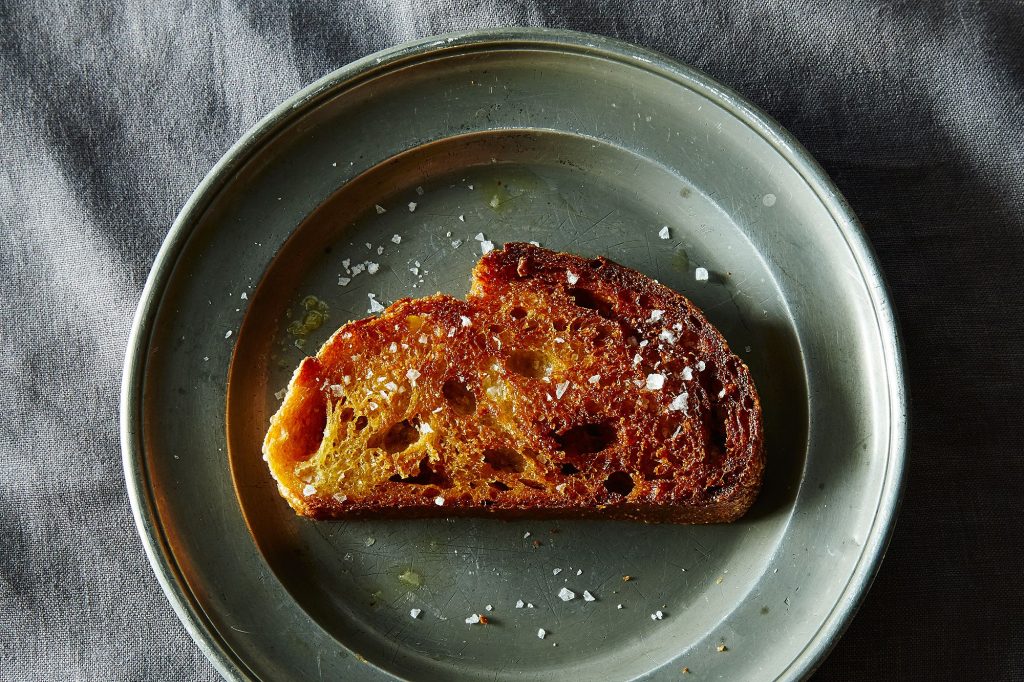
Have you ever wondered why some toast just tastes better than others? That perfect crunch, golden color, and mouthwatering aroma can make all the difference to your breakfast or snack.
Whether you like it simple or loaded with toppings, knowing how to make the best toast can transform your daily routine. You’ll discover easy tips and tricks to create toast that’s crispy on the outside, soft inside, and full of flavor every single time.
Ready to upgrade your toast game? Let’s get started!

Credit: www.youtube.com
Choosing The Right Bread
Choosing the right bread is key to making the best toast. Bread type, freshness, and slicing all affect taste and texture. The perfect toast starts with the perfect bread.
Types Of Bread For Toast
Different breads offer unique flavors and textures for toast.
- White bread: Soft, mild taste, toasts evenly.
- Whole wheat: Nutty flavor, healthier option.
- Sourdough: Tangy taste, crisp crust.
- Rye bread: Earthy flavor, denser texture.
- Multigrain: Crunchy with seeds, rich in fiber.
Choose bread based on your flavor preference and desired crunch.
Fresh Vs. Stale Bread
Fresh bread is soft but may not crisp well when toasted.
Stale bread is drier, so it crisps better and holds toppings well.
Lightly stale bread often produces the best toast texture.
Slicing Tips
Slice bread evenly for consistent toasting.
Thicker slices create a soft inside with a crispy outside.
Thin slices toast faster but can become too crunchy.
Use a serrated knife for clean cuts without squashing the bread.
:max_bytes(150000):strip_icc()/Simply-Recipes-Best-French-Toast-LEAD-5-9f0a042bdcb14a5fb526e0f772663877.jpg)
Credit: www.simplyrecipes.com
Setting Up Your Toaster
Setting up your toaster correctly is key to making the best toast every time. A well-prepared toaster ensures even browning and crisp texture. Small adjustments can create big differences in your toast’s taste and look. Understanding your toaster type, heat settings, and maintenance keeps it working perfectly.
Toaster Types
Different toasters offer various features. Choose one that fits your needs and kitchen space.
- Pop-up Toasters:Most common, easy to use, perfect for quick toast.
- Toaster Ovens:Larger, can toast more bread and cook other foods.
- Conveyor Toasters:Used in cafes, toast bread continuously with conveyor belts.
Knowing your toaster type helps adjust settings for best results.
Optimal Heat Settings
Heat control changes toast color and crunchiness. Find your preferred level with these tips.
- Start with medium heat for balanced browning.
- Adjust heat based on bread type and thickness.
- Use low heat for delicate breads to avoid burning.
- High heat works for thick or dense bread, but watch closely.
Testing different settings creates perfect toast every time.
Toaster Maintenance
Keep your toaster clean and in good shape for safe use and better toast.
- Unplug before cleaning to avoid electric shock.
- Empty crumb tray regularly to prevent burning smells.
- Clean exterior with a damp cloth to remove dirt.
- Check inside for stuck bread pieces after use.
Proper care extends your toaster’s life and improves performance.
Perfect Toasting Techniques
Creating the perfect toast is an art that combines the right technique with a touch of personal preference. Whether you enjoy a crispy golden slice or a softer, buttery version, understanding how to toast bread to perfection can elevate your breakfast experience. Let’s dive into some tried and true methods to achieve that ideal toast.
Even Browning Tips
To achieve evenly browned toast, consistency is key. Make sure your bread slices are of uniform thickness. This ensures each slice receives the same amount of heat.
Use a toaster with adjustable settings. Set it to a medium level to start, and adjust based on your preference. If you’ve ever wondered why your toast is unevenly browned, it could be due to inconsistent heating elements in your toaster.
Sometimes flipping the bread halfway through the toasting process can help achieve even browning. Have you tried turning your bread upside down in the toaster?
Avoiding Burnt Toast
Burnt toast is a common breakfast mishap that can easily be avoided with a few simple tricks. Always keep an eye on the timer. Setting a timer on your phone can be a lifesaver, especially during a busy morning.
Choose a toaster with a cancel button. This lets you stop the toasting process immediately if you smell something burning. It’s handy for avoiding those charred slices.
Are you using stale bread? It tends to brown faster, so adjust your settings accordingly.
Using A Pan Or Oven
If you don’t have a toaster, a pan or oven can be great alternatives. In a pan, use medium heat and a little butter or oil to achieve a nice golden crust. Flip the slices halfway through for even cooking.
Toasting in the oven is perfect for large batches. Lay slices on a baking sheet and set the oven to broil. Keep a close watch to prevent burning.
What’s your go-to method for making toast without a toaster? Trying these alternative techniques might surprise you with their results.

Credit: www.youtube.com
Enhancing Flavor And Crunch
Enhancing the flavor and crunch of your toast transforms a simple slice of bread into a delightful treat. The right combination of butter, toppings, and seasoning not only adds taste but also creates a satisfying texture that keeps you coming back for more. Let’s dive into some easy ways to elevate your toast experience.
Butter And Spreads
Butter is a classic choice that adds richness and helps achieve that perfect golden crunch. Use softened butter for even coverage and a melt-in-your-mouth feel. Don’t limit yourself to just butter—try cream cheese, nut butters, or avocado spread for a creamy twist that complements the crunch.
Have you ever noticed how a thin layer of butter can make the toast crispier when toasted again? That little tip can change your toast game instantly.
Adding Toppings
Toppings bring variety and excitement to your toast. Fresh fruits like sliced strawberries or banana add natural sweetness and freshness. Savory options like sliced tomatoes, smoked salmon, or a sprinkle of cheese can turn your toast into a meal.
- Try nuts or seeds for an extra crunch boost
- Experiment with a drizzle of honey or balsamic glaze for contrast
- Layer multiple toppings for complex flavors and textures
What’s stopping you from mixing sweet and savory toppings? Sometimes unexpected combos create the best flavor explosions.
Seasoning For Extra Taste
Seasoning your toast is a quick way to elevate its flavor profile. A pinch of sea salt can balance sweetness and enhance savory toppings. Adding black pepper, chili flakes, or herbs like basil and oregano introduces a punch of flavor.
Don’t overlook spices like cinnamon or nutmeg if you’re going for a sweeter toast. These little additions can surprise your taste buds and make your toast stand out.
Troubleshooting Common Issues
Troubleshooting common problems can improve your toast-making experience. Many issues arise from small mistakes or appliance quirks. Fixing these quickly leads to better toast every time.
Soggy Toast Fixes
Soggy toast feels wet and soft, not crispy. Moisture often causes this problem. Use dry bread for a crisp result.
- Check bread freshness; stale or refrigerated bread holds moisture.
- Toast longer or increase heat slightly to dry out the bread.
- After toasting, let bread cool on a wire rack to avoid steam buildup.
Uneven Toasting Solutions
Uneven toast shows dark and light spots on the bread. This happens when heating is inconsistent.
- Use a toaster with wide, adjustable slots for uniform heat.
- Flip bread halfway through to toast both sides evenly.
- Clean toaster slots regularly to remove crumbs and debris.
Dealing With Stuck Bread
Bread stuck in the toaster can damage the appliance or burn the toast. Removing it safely is important.
- Unplug the toaster before trying to remove the bread.
- Gently shake the toaster upside down to dislodge crumbs.
- Use wooden or plastic tools, never metal, to avoid electric shock.
Creative Toast Recipes
Toast doesn’t have to be boring. You can turn a simple slice of bread into something exciting with the right toppings and combinations. Creative toast recipes let you experiment with flavors, textures, and colors to match your mood or meal time.
Sweet Toast Ideas
Sweet toast is perfect for breakfast or a quick treat. Try spreading creamy peanut butter and topping it with sliced bananas and a drizzle of honey. The mix of salty, sweet, and fresh makes every bite irresistible.
Another favorite is ricotta cheese with fresh berries and a sprinkle of cinnamon. It’s light, refreshing, and offers a nice balance of creamy and tangy flavors. Have you ever tried avocado toast with a spread of Nutella? It’s surprisingly delicious and worth a try!
Savory Toast Options
Savory toast can be a meal on its own. Start with mashed avocado, then add a poached egg, cherry tomatoes, and a pinch of chili flakes. The combination delivers creaminess, protein, and a little heat.
For a twist, spread hummus on your toast and top with roasted red peppers and olives. It’s packed with Mediterranean flavors and healthy fats. If you want something heartier, layer smoked salmon, cream cheese, and capers for a classic, elegant taste.
Healthy Toast Variations
Keeping toast healthy doesn’t mean sacrificing flavor. Use whole grain or rye bread as your base for extra fiber. Top with almond butter and fresh strawberries for a vitamin-packed start to your day.
You can also spread Greek yogurt on your toast and add chia seeds and sliced kiwi. This combo offers probiotics, antioxidants, and a refreshing twist. What’s your go-to healthy toast topping that keeps you energized?
Frequently Asked Questions
What Type Of Bread Makes The Best Toast?
Whole grain or sourdough bread offers the best flavor and texture. These breads toast evenly and create a crispy exterior with a soft inside. Avoid overly thick slices to ensure even browning.
How Do I Achieve Perfectly Golden Toast?
Set your toaster to medium heat for balanced browning. Keep an eye on the toast to prevent burning. Using fresh bread helps achieve a golden, crispy texture.
Should I Butter Toast Before Or After Toasting?
It’s best to butter toast immediately after toasting. Butter melts better on warm toast, enhancing flavor and texture. Applying butter before can cause uneven toasting and sogginess.
Can I Use A Toaster Oven For Better Toast?
Yes, toaster ovens provide even heat and control. They allow you to customize toast crispness and texture. Plus, they’re great for toasting multiple slices at once.
Conclusion
Making the best toast is simple with the right steps. Choose good bread and set the toaster correctly. Watch the toast closely to get your favorite color. Add your favorite toppings to enjoy every bite. Practice a few times to find what works for you.
Toast can be a quick, tasty snack or part of a meal. Enjoy the warm crunch and simple pleasure of well-made toast. Give it a try today and taste the difference.