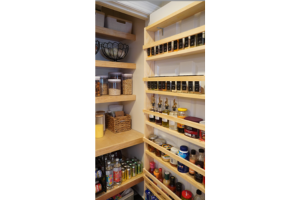
Do you ever find yourself digging through cluttered cabinets, searching for the right spice? Imagine having all your spices neatly organized, easy to find, and looking great in your kitchen.
Making your own spice rack is simpler than you think, and it can save you time and frustration every time you cook. In this guide, you’ll discover easy steps to create a spice rack that fits your style and space perfectly.
Ready to transform your kitchen and make cooking more enjoyable? Let’s get started!
Choosing The Right Materials
Choosing the right materials for your spice rack is crucial to ensure durability, style, and functionality. The material you pick affects not only the look but also how well your spices stay organized and accessible. Consider your kitchen’s environment and how you use your spices daily before making a decision.
Wood Options
Wood is a classic choice that adds warmth and charm to any kitchen. Hardwoods like oak, maple, or walnut are sturdy and resist scratches well, making them ideal if you want a long-lasting rack.
Softwoods such as pine are lighter and easier to work with but may dent more easily. You can finish wood with oils or varnishes to protect it from moisture and spills.
Wood allows for easy customization. Have you ever thought about sanding or painting your spice rack to match your kitchen? It’s a simple way to make your rack unique.
Metal And Plastic Choices
Metal racks, often made from stainless steel or aluminum, offer a sleek and modern look. They are highly durable and easy to clean, which is perfect if you prefer a low-maintenance option.
Plastic spice racks come in various colors and designs. They’re lightweight and affordable but may not hold up well under heavy loads or heat.
If your kitchen gets humid or you want a rack that can handle spills without damage, metal might be your best bet. Ask yourself if you want a statement piece or something subtle—metal often stands out, plastic blends in.
Recycled Materials
Using recycled materials is a smart way to create an eco-friendly spice rack. Old wooden crates, wine boxes, or even reclaimed pallets can be transformed into rustic racks.
Recycled metal or plastic from other household items can also be repurposed creatively. This approach not only saves money but adds character and a story to your kitchen.
Have you checked what materials you already have around your home? Sometimes the best racks come from what you don’t expect, giving your kitchen a personal touch while reducing waste.

Credit: www.youtube.com
Designing Your Spice Rack
Designing your spice rack is key to creating a functional and attractive kitchen space. It helps keep spices organized, easy to reach, and visible. Thoughtful design saves time while cooking and reduces clutter.
Consider your kitchen layout and spice collection size. The design should fit your space and meet your cooking habits. A well-planned spice rack adds style and convenience.
Space Considerations
Measure the area where the rack will go. Check for wall space, cabinet doors, or counter corners. Use vertical space to save room on counters.
Think about how many spice jars you have now and might add. Leave extra room for future spices. Ensure the rack does not block other kitchen items.
Rack Styles
- Wall-mounted racks: Save counter space and keep spices visible.
- Drawer inserts: Hide spices but keep them organized and easy to find.
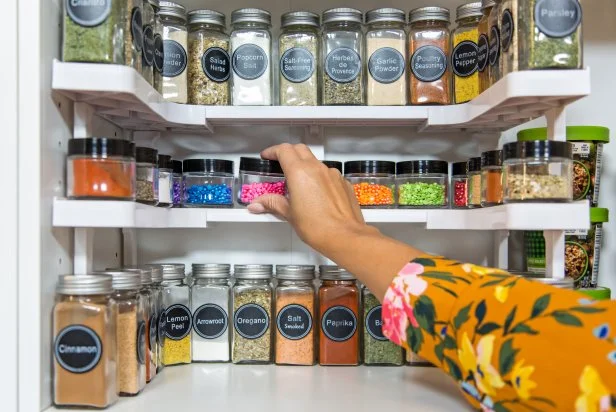
- Tiered shelves: Stack jars in rows for clear labels and quick access.
- Rotating spice racks: Spin to find spices fast, ideal for small spaces.
- Magnetic racks: Attach jars to a metal surface for a modern look.
Customizing For Your Needs
Choose rack materials that match your kitchen style. Wood offers warmth, metal adds a sleek touch. Clear containers help identify spices quickly.
Label jars for easy reading. Use uniform jar sizes for a neat look. Consider adding hooks or small baskets for extra tools.
Think about accessibility. Place frequently used spices at eye level or within easy reach. Arrange spices by type or frequency of use to speed up cooking.
Basic Tools And Supplies
Creating your own spice rack can be a fun project. It requires some basic tools and supplies. With the right materials, you can build a functional and stylish rack. This guide will help you gather the necessary items.
Essential Tools
You’ll need a few essential tools. These make the task easier and more efficient.
- Saw:A handsaw or electric saw will cut the wood.
- Drill:Use a drill for making holes and assembling parts.
- Screwdriver:A screwdriver is needed for tightening screws.
- Measuring Tape:Measure twice, cut once with this tool.
- Level:Ensure your rack hangs straight with a level.
Safety Gear
Safety is key when working on projects. Protect yourself with these items.
- Safety Glasses:Protect your eyes from dust and debris.
- Gloves:Wear gloves to protect your hands from splinters.
- Dust Mask:A dust mask prevents inhaling wood dust.
Finishing Supplies
Finishing touches give your rack a polished look. Choose the right supplies for the best finish.
- Sandpaper:Smooth the wood with fine-grit sandpaper.
- Wood Stain or Paint:Apply a stain or paint for color.
- Brushes or Rollers:Use these to apply paint or stain evenly.
- Sealant:Protect the wood with a clear sealant.
Credit: www.hgtv.com
Step-by-step Building Process
Building a spice rack can be a fun and rewarding project. It lets you organize your kitchen neatly. Follow a clear process to get the best results. This guide breaks down the steps into simple tasks. Each step builds on the previous one for smooth progress.
Measuring And Cutting
Start by measuring the space where the rack will go. Use a tape measure for accuracy. Mark the wood pieces carefully with a pencil. Cut the wood using a saw, following the marks exactly. Keep all pieces uniform for a balanced rack. Double-check each piece after cutting to avoid mistakes.
Assembly Techniques
Arrange the cut pieces on a flat surface. Join the sides and shelves using wood glue or nails. Use clamps to hold pieces tightly while glue dries. Check that shelves are level and aligned. Secure corners with screws for extra strength. Let the assembly dry completely before moving on.
Sanding And Painting
Sand all surfaces smoothly with fine-grit sandpaper. Focus on edges and corners to remove splinters. Wipe off dust with a clean cloth. Choose a paint or finish that matches your kitchen style. Apply paint evenly, using thin coats to avoid drips. Let each coat dry fully before adding another layer.
Creative Diy Spice Rack Ideas
Creating a DIY spice rack adds charm and order to any kitchen. It keeps spices visible and easy to grab during cooking. Simple materials can transform empty walls or drawers into practical storage spaces. These creative ideas fit different kitchen styles and sizes. Choose one that suits your space and spice collection.
Wall-mounted Racks
Wall-mounted spice racks save counter space and add style. Use wooden planks or small shelves and attach them to your kitchen wall. Paint or stain the wood for a personalized look. Arrange spice jars in rows for quick access. This option keeps spices within reach and adds a decorative touch.
Drawer Inserts
Drawer inserts organize spices neatly inside drawers. Cut wood or use plastic trays with slots for each jar. This keeps spices from tipping over and saves countertop space. Label each slot for faster cooking. Drawer inserts hide clutter and keep spices dust-free.
Magnetic Spice Holders
Magnetic spice holders stick to metal surfaces like refrigerators. Use small magnetic jars or attach magnets to jar lids. This idea frees up kitchen space and displays spices creatively. Group spices by type or color for an attractive arrangement. Magnetic holders are easy to move and refill.
Organizing And Labeling Spices
Organizing and labeling spices is key to a tidy kitchen and quick cooking. A well-arranged spice rack saves time and reduces clutter. Clear labels help identify spices fast. Proper storage keeps spices fresh and flavorful longer. Simple steps make your spice rack both useful and neat.
Labeling Methods
- Use printed labels with spice names for a clean look.
- Handwrite labels on small stickers for a personal touch.
- Color-code labels by spice type, like herbs or seeds.
- Attach chalkboard tags for easy rewriting when spices change.
- Use clear jars to see spices and add labels on lids.
Storage Tips
- Store spices away from heat and sunlight to keep flavors strong.
- Use airtight containers to prevent moisture and air damage.
- Group spices by type or frequency of use for easy access.
- Place rarely used spices on higher shelves to save space.
- Use spice racks with adjustable shelves to fit different jar sizes.
Maintaining Freshness
- Keep spices in dark, cool places to slow flavor loss.
- Check expiration dates and replace old spices regularly.
- Avoid storing spices near the stove or dishwasher steam.
- Grind whole spices just before use for best taste.
- Seal jars tightly after each use to keep air out.
Maximizing Kitchen Space
Maximizing kitchen space is key to keeping your cooking area neat and efficient. A well-organized spice rack saves time and reduces clutter. It helps you find spices quickly and keeps your countertop clear.
Smart use of space lets you store more without crowding your kitchen. Choose designs that fit your kitchen style and size. This makes cooking easier and more enjoyable.
Vertical Storage Solutions
Using vertical space is smart in small kitchens. Tall racks or wall-mounted shelves free up counters. You can stack spices upward instead of spreading out.
- Install spice racks on unused wall areas.
- Use magnetic strips to hold metal containers.
- Stack tiered shelves to see all spices clearly.
This saves room and keeps spices visible and accessible.
Multi-purpose Racks
Choose racks that hold more than spices. Some have hooks for utensils or small shelves for jars. This reduces the need for extra storage furniture.
- Racks with built-in hooks for measuring spoons.
- Combine spice storage with small cutting boards.
- Use racks with drawers for extra kitchen tools.
These racks organize multiple items in one spot.
Compact Designs
Compact racks fit tight spaces without losing storage power. They keep spices close at hand in small kitchens. Many fit inside cabinets or on narrow counters.
- Spice racks that fit inside cabinet doors.
- Small carousel racks for counters or shelves.
- Drawer inserts designed specifically for spice jars.
Compact designs keep your kitchen tidy and spices easy to reach.

Credit: www.instagram.com
Troubleshooting Common Issues
Building a spice rack can be fun but may bring some challenges. Troubleshooting common issues helps keep your project smooth and your rack functional. Problems like stability, space, and materials often arise. Fixing these early ensures your spice rack lasts long and looks great.
Stability Problems
Unsteady spice racks can tip or wobble. Check if the base is flat and level. Use stronger joints like screws or brackets for better hold. Avoid lightweight materials that bend easily. Adding rubber feet can prevent slipping on smooth surfaces.
Space Limitations
Limited space restricts rack size and design. Measure the area carefully before building. Choose vertical designs to save counter space. Use narrow shelves or tiered levels to fit more jars. Consider wall-mounted racks to free up workspace.
Material Durability
Weak materials wear out quickly and may break. Select sturdy wood or metal for the frame. Avoid soft or thin plastics that crack. Treat wood with sealant to resist moisture and stains. Check for rust-proof coatings on metal parts to extend life.
Frequently Asked Questions
What Materials Are Needed To Make A Spice Rack?
To make a spice rack, you need wood or metal, screws, nails, a drill, sandpaper, and paint. Choose materials based on your design and kitchen style. Quality materials ensure durability and a polished look for your spice rack.
How Much Time Does It Take To Build A Spice Rack?
Building a spice rack typically takes 1 to 3 hours, depending on the design complexity. Simple racks need less time, while detailed ones require careful measuring and assembly. Planning ahead helps complete the project efficiently.
Can I Customize The Spice Rack Size?
Yes, you can customize the spice rack size to fit your kitchen space. Measure the available area before starting. Adjust dimensions based on your spice jar sizes and storage needs for perfect organization.
How Do I Mount A Spice Rack On The Wall?
To mount a spice rack on the wall, use a drill and screws. Find studs for secure attachment. Use a level to keep it straight. Proper mounting prevents accidents and keeps spices organized.
Conclusion
Creating your own spice rack is simple and fun. It helps keep spices neat and easy to find. Use materials you like and fit your space. Personalizing it makes cooking more enjoyable every day. Try arranging spices by color or use to save time.
A well-made spice rack adds charm to your kitchen. Start today and enjoy the freshness of organized spices. Small steps bring big changes in your cooking routine. Keep spices handy, and your meals will taste better.