
Is your spice rack a messy jumble that makes cooking frustrating? Imagine reaching for the exact spice you need in seconds, every time.
Organizing your spice rack isn’t just about tidiness—it can save you time, reduce stress, and even inspire you to try new recipes. You’ll discover simple, practical steps to transform your spice collection into an easy-to-navigate system. Ready to take control of your kitchen and make cooking more enjoyable?
Let’s get started.
Credit: garrisonstreetdesignstudio.com
Choosing The Right Spice Rack
Choosing the right spice rack is key to keeping your kitchen tidy and your spices easy to find. It’s not just about looks—your spice rack should fit your cooking style, available space, and the number of spices you use regularly. Think about what will make your daily meal prep smoother and more enjoyable.
Types Of Spice Racks
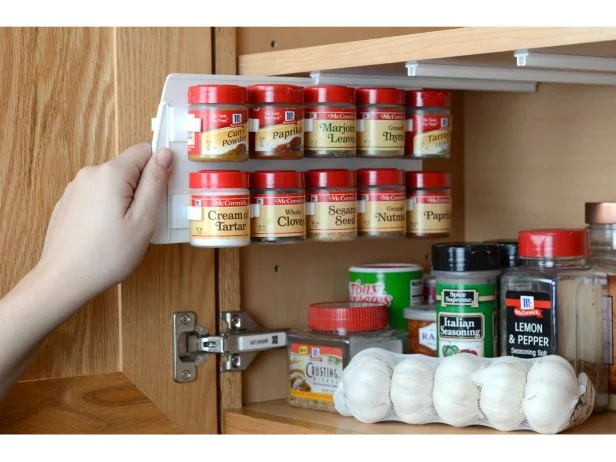
Spice racks come in many shapes and styles. You can find wall-mounted racks that save counter space, countertop racks that are easy to reach, and drawer inserts that keep spices hidden but organized.
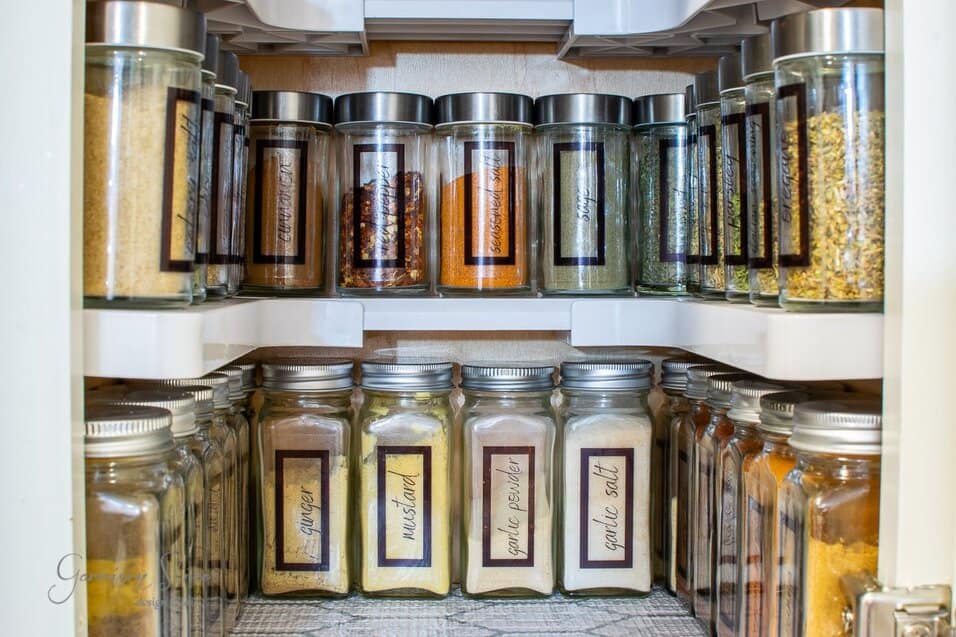
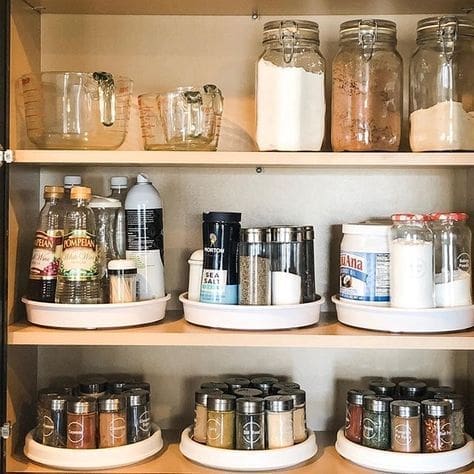
Some racks are designed as tiered shelves, letting you see all your spices at once, while others use a carousel style to spin through your collection quickly. Which type fits your kitchen habits best?
Materials And Durability
Material affects both the look and lifespan of your spice rack. Wooden racks add warmth and can match your cabinets, but they might need occasional upkeep to stay sturdy. Metal racks are durable and often sleek, resisting spills and stains easily.
Plastic racks tend to be lightweight and affordable, but they might not hold up well under heavy use or heat. Think about where your spice rack will live—near the stove or tucked away in a pantry—and choose a material that can handle those conditions.
Size And Capacity Considerations
How many spices do you actually need to store? A small rack with 12 slots might be perfect if you stick to basic seasonings. But if you love experimenting with flavors, you’ll want something with space for 30 or more jars.
Also, consider the size of the spice jars you use. Some racks fit only standard jars, while others can hold taller or wider containers. Measuring your spices before buying a rack can save you from frustrating mismatches later.
Credit: www.hgtv.com
Sorting And Categorizing Spices
Sorting and categorizing spices is key to a neat and easy-to-use spice rack. It saves time while cooking and keeps your kitchen tidy. Organizing spices in logical groups helps find the right flavor quickly.
Grouping By Cuisine
Group spices based on the type of cuisine they belong to. For example, keep Italian spices like oregano, basil, and thyme together. Store Indian spices such as cumin, turmeric, and coriander in another section.
This method makes it simple to grab all needed spices for a specific dish. It also helps to explore new recipes from different cultures without confusion.
Alphabetical Arrangement
Arrange spices alphabetically for quick access. This method works well if you have many types of spices. Label each jar clearly with the spice name to avoid mix-ups.
Alphabetical order reduces the time spent searching for a spice. It also keeps the rack looking organized and clean.
Frequency Of Use
Place spices you use most often in the front or at eye level. Less used spices can go on higher or lower shelves. This setup saves effort during cooking and keeps daily essentials handy.
Consider creating a small section for everyday spices like salt, pepper, and garlic powder. This way, you reach them fast without moving others around.
Labeling And Identifying Spices
Labeling and identifying spices is key to an organized spice rack. Clear labels help find spices quickly and avoid confusion. Proper identification keeps your cooking smooth and enjoyable.
Labels should be easy to read and placed where visible. This saves time and keeps the rack tidy.
Labeling Techniques
Use simple, clear fonts for labels. Print or write spice names in bold letters. Include the spice’s full name, not abbreviations.
Labels can be placed on lids or the front of containers. Choose a spot that suits your rack style.
- Use waterproof labels to prevent smudging.
- Consider using a label maker for uniformity.
- Handwritten labels can add a personal touch.
Using Clear Containers
Clear containers show the spice inside at a glance. This helps identify spices without opening jars. Choose airtight containers to keep spices fresh longer.
Square or round containers fit well in racks and save space. Uniform containers create a neat look.
- Glass jars are sturdy and easy to clean.
- Plastic containers are lightweight and durable.
- Use containers with wide mouths for easy scooping.
Color Coding Methods
Color coding speeds up spice identification. Assign colors to spice categories or heat levels. Use colored labels or caps for this purpose.
This method is helpful for quick cooking decisions. It creates a visual system that is easy to follow.
| Color | Spice Category |
|---|---|
| Red | Hot spices (chili, cayenne) |
| Green | Herbs (basil, oregano) |
| Yellow | Earthy spices (turmeric, cumin) |
Credit: stylecurator.com.au
Storage Tips To Preserve Freshness
Preserving the freshness of your spices is crucial for flavor. Proper storage is key to maintaining their quality. Here are some essential tips to ensure your spices stay fresh and flavorful.
Optimal Light And Temperature
Store spices in a dark, cool place. Sunlight and heat can degrade them. Use opaque containers or dark jars. Keep them away from stoves or ovens. This helps maintain their potency.
Avoiding Moisture
Moisture can spoil your spices. Ensure lids are tightly closed. Store them in a dry area. Avoid placing them near sinks or steam sources. Dry conditions help them last longer.
Shelf Life Awareness
Be aware of each spice’s shelf life. Ground spices generally last 2-3 years. Whole spices can last longer. Check for color and aroma changes. Replace them if they seem dull or faded.
Maximizing Space Efficiency
Maximizing space efficiency is key to keeping your spice rack neat and accessible. A well-organized rack saves room and helps you find spices quickly. Small kitchens especially benefit from smart storage ideas. Use vertical space and creative designs to store more spices in less area. This makes cooking smoother and your kitchen tidier.
Vertical Storage Solutions
Vertical storage uses the height of your cabinet or wall. Tall racks or tiered shelves fit many spice jars in a small footprint. Stackable containers also work well. They keep spices visible and easy to reach. Use clear jars to see labels at a glance. Vertical racks free up counter space and reduce clutter.
Pull-out Drawers And Inserts
Pull-out drawers slide out for quick access. Inserts with compartments keep jars upright and organized. These systems fit inside cabinets or drawers. They prevent spices from tipping over. Drawers help you see all spices without moving others. Choose inserts that fit your jar sizes for best results.
Magnetic And Wall-mounted Options
Magnetic spice racks stick to metal surfaces like fridge doors. Wall-mounted racks hang on kitchen walls or inside cabinet doors. Both save counter and cabinet space. Magnetic jars hold spices securely and look neat. Wall racks keep spices at eye level for easy grabbing. These options add style and function.
Maintaining Your Spice Rack
Maintaining your spice rack is just as important as organizing it. Keeping your spices fresh and your rack tidy ensures that your cooking stays flavorful and your kitchen remains efficient. Small, regular efforts can save you from the frustration of stale spices and a cluttered space.
Regular Cleaning Routine
Dust and spills can accumulate quickly on your spice rack. Wipe down shelves with a damp cloth every couple of weeks to prevent buildup. Take the time to clean the tops and sides of the jars as well, where grease often settles unnoticed.
Remove all the jars during cleaning to avoid knocking them over. This also gives you a chance to rearrange and assess your collection. Have you noticed how a clean rack invites you to cook more often?
Checking For Expired Spices
Spices lose potency over time, so checking expiration dates should be part of your routine. Keep a small notebook or use a label on each jar with the date you purchased or opened it. This practice helps you avoid using stale spices that can dull your dishes.
Ask yourself: when was the last time you refreshed your spice supply? Setting a reminder every six months to review your spices can keep your flavors vibrant. Don’t hold on to spices that have lost their aroma or color—they won’t improve your meals.
Refilling And Restocking Tips
Refilling your spice jars before they run out avoids last-minute trips to the store. Keep a running list of spices you frequently use and check it weekly. Buying in bulk can be cost-effective, but make sure to store extras in airtight containers away from light.
Consider grouping spices by type or cuisine to make refilling easier. For example, keep Italian herbs together and Asian spices in another section. This approach saves time and keeps your cooking flow uninterrupted.
Frequently Asked Questions
How Do I Categorize Spices On A Rack?
Group spices by type such as herbs, baking spices, and blends. This makes it easy to find and use them quickly.
What Is The Best Spice Rack For Small Kitchens?
Choose a compact, tiered spice rack or a magnetic one. These save space and keep spices organized efficiently in small kitchens.
How Often Should I Clean My Spice Rack?
Clean your spice rack every month. Wipe shelves with a damp cloth and check for expired spices to maintain freshness.
How Should I Label My Spice Jars Effectively?
Use clear, readable labels on the jar tops or fronts. This helps identify spices quickly and keeps your rack neat and organized.
Conclusion
A well-organized spice rack saves time and reduces mess. You find spices quickly and keep them fresh. Group spices by type or frequency of use. Label jars clearly for easy identification. Regularly check for expired spices to stay fresh. A tidy spice rack makes cooking more enjoyable.
Small changes bring big benefits to your kitchen. Start organizing today and enjoy a neater space. Simple steps lead to lasting order and ease.