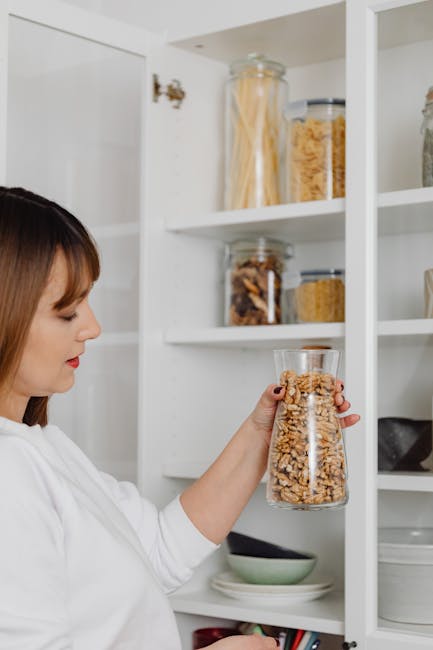
Are your food storage containers always a jumbled mess in your cabinet? It’s frustrating when you can’t find the right lid or the stack keeps toppling over.
Imagine opening your cabinet and instantly spotting the perfect container without any hassle. Organizing your food storage containers doesn’t have to be a chore. With a few simple tricks, you can create a system that saves you time, reduces stress, and keeps your kitchen looking tidy.
Keep reading, and you’ll discover easy steps to transform your cluttered cabinet into a neat, efficient space you’ll love using every day.
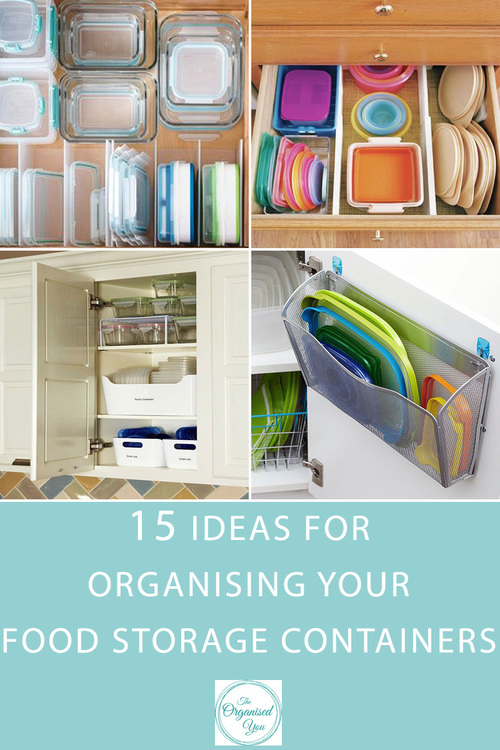
Credit: www.theorganisedyou.com
Choosing The Right Containers
Choosing the right containers makes organizing food storage simple and efficient. The right containers keep food fresh and save space in your cabinet. Consider material, size, shape, and lid features before buying. These factors affect durability, usability, and how neatly containers stack. A good choice helps you find what you need quickly and keeps your kitchen tidy.
Material Options
Containers come in plastic, glass, and stainless steel. Plastic containers are lightweight and affordable. They work well for dry foods and snacks. Glass containers are sturdy and don’t absorb odors. They suit leftovers and fridge storage. Stainless steel containers last long and resist stains. They are great for pantry items but not microwave safe.
Size And Shape Considerations
Choose containers that fit your cabinet space and food types. Square or rectangular shapes stack better than round ones. Small containers are perfect for spices and small snacks. Large containers store bulk items like flour or pasta. Mix sizes to avoid wasted space and keep everything visible.
Lid Types And Features
Lids come with snap-on, screw-on, or airtight seals. Airtight lids keep food fresh longer and prevent spills. Snap-on lids are easy to open but may not seal tightly. Screw-on lids provide a strong seal but can be slower to open. Look for lids with easy grips or tabs for quick access. Transparent lids help identify contents without opening.
Preparing Your Cabinet Space
Preparing your cabinet space is the first crucial step to organizing your food storage containers effectively. It sets the foundation for a tidy, accessible, and efficient storage system. Taking time to prepare will save you frustration later and help you make the best use of your cabinet’s potential.
Clearing And Cleaning
Start by emptying the entire cabinet. Remove all containers, lids, and anything else stored inside.
Take this opportunity to wipe down all surfaces with a mild cleaner or soapy water. Cabinets often collect crumbs, spills, and dust that can attract pests or cause odors.
Have you noticed how much easier it is to organize when you start with a clean slate? Trust me, skipping this step leads to clutter quickly creeping back.
Measuring Available Space
Use a tape measure to note the height, width, and depth of your cabinet. Pay attention to any irregularities like pipes or uneven shelves that may affect storage options.
Knowing your exact dimensions helps avoid buying containers or organizers that don’t fit. It also guides you in deciding whether to add extra shelves or dividers.
How often do you grab a new organizer without measuring first, only to realize it’s too big or small? Take a minute here to save hours of hassle later.
Adding Shelves Or Dividers
Consider installing additional shelves or adjustable dividers to maximize vertical space. This allows you to stack containers neatly without crushing or wasting room.
Wire racks, tension rods, or simple wooden shelves can work well and are easy to install.
Think about your most common container sizes and how you want to group them. Customizing your cabinet with shelves or dividers turns a chaotic pile into an orderly system that’s easy to maintain.
Sorting And Decluttering Containers
Stack containers by size to save space and keep lids nearby for easy access. Use clear bins or labels to quickly find what you need in the cabinet. Organizing this way reduces clutter and makes meal prep faster.
Organizing food storage containers can often feel like a never-ending puzzle. You reach for a container only to find it missing its lid or buried under a mountain of mismatched pieces. The key to transforming your cluttered cabinet into an efficient storage space lies in sorting and decluttering. By taking a systematic approach, you can save time, reduce stress, and make your kitchen a more pleasant place to cook and create.
Discarding Damaged Or Unused Items
First, take a moment to assess your collection. Are there containers with cracks, stains, or missing pieces? These items are taking up valuable space and might not be safe for food storage. Consider whether you really use all the containers you have. If there are items that haven’t been touched in months, it’s time to let them go. Clearing out the broken and unused items creates room for what truly serves you.
Grouping By Size And Use
Once you’ve decluttered, start organizing by size and intended use. Stack similar-sized containers together to maximize space. This makes it easier to grab what you need without causing an avalanche. Think about how you use your containers. Separate those meant for leftovers from those used for meal prep or lunch packing. Grouping by use streamlines your daily routine, making it quicker to find the right container when you need it.
Matching Lids With Containers
A common frustration is mismatched lids and containers. Lay out all your lids and pair them with their matching containers. This step is crucial for ensuring every container has a lid that fits snugly. To prevent future mismatches, consider storing lids separately in a dedicated bin or using a lid organizer. This approach not only keeps your cabinet tidy but also saves you time when you’re in a hurry. Imagine the satisfaction of always finding the right lid on the first try! As you sort, declutter, and organize, consider how these small steps can make a big impact. How much time and energy will you save when your storage containers are easy to access and use? Embrace the process, and enjoy the newfound order in your kitchen.
Efficient Storage Techniques
Efficient storage techniques help keep your food storage containers neat and easy to find. Organizing them properly saves space and reduces clutter. These methods make your kitchen more functional and pleasant.
Stacking And Nesting Containers
Stack containers of the same size to save space. Nest smaller containers inside larger ones. Keep lids separate but nearby for quick access. Use a tray or basket to hold lids together. This stops lids from getting lost or scattered.
Using Vertical Space
Make use of cabinet height by adding shelf risers. Vertical racks help store lids upright. Install hooks or adhesive strips on cabinet doors to hang lids or small containers. This keeps surfaces clear and makes containers easy to reach.
Labeling For Easy Access
Label containers and lids with clear tags or stickers. Use simple words or pictures to identify contents. Place labels on the front or top for quick spotting. Labeling helps avoid opening multiple containers to find what you need.
Maintaining Organized Cabinets
Keeping your food storage containers neat requires ongoing effort. Organized cabinets save time and reduce frustration. Regular maintenance helps maintain order and cleanliness. Small habits make a big difference in cabinet organization.
Regular Checks And Reorganization
Set a schedule to review your containers often. Remove damaged or missing lids immediately. Group containers by size or type for easy access. Rotate containers so older ones get used first. This keeps your collection practical and tidy.
Cleaning Tips For Containers And Cabinets
Wash containers thoroughly after each use to avoid odors. Use warm water and mild soap for cleaning. Dry containers completely before storing to prevent mold. Wipe cabinet shelves regularly to remove dust and spills. Use a gentle cleaner safe for cabinet surfaces.
Adapting To Changing Needs
Adjust your storage system as your container collection grows. Add organizers or dividers to fit new sizes. Remove containers you rarely use to free space. Keep flexible storage options to accommodate future changes. Stay open to improving your cabinet setup over time.
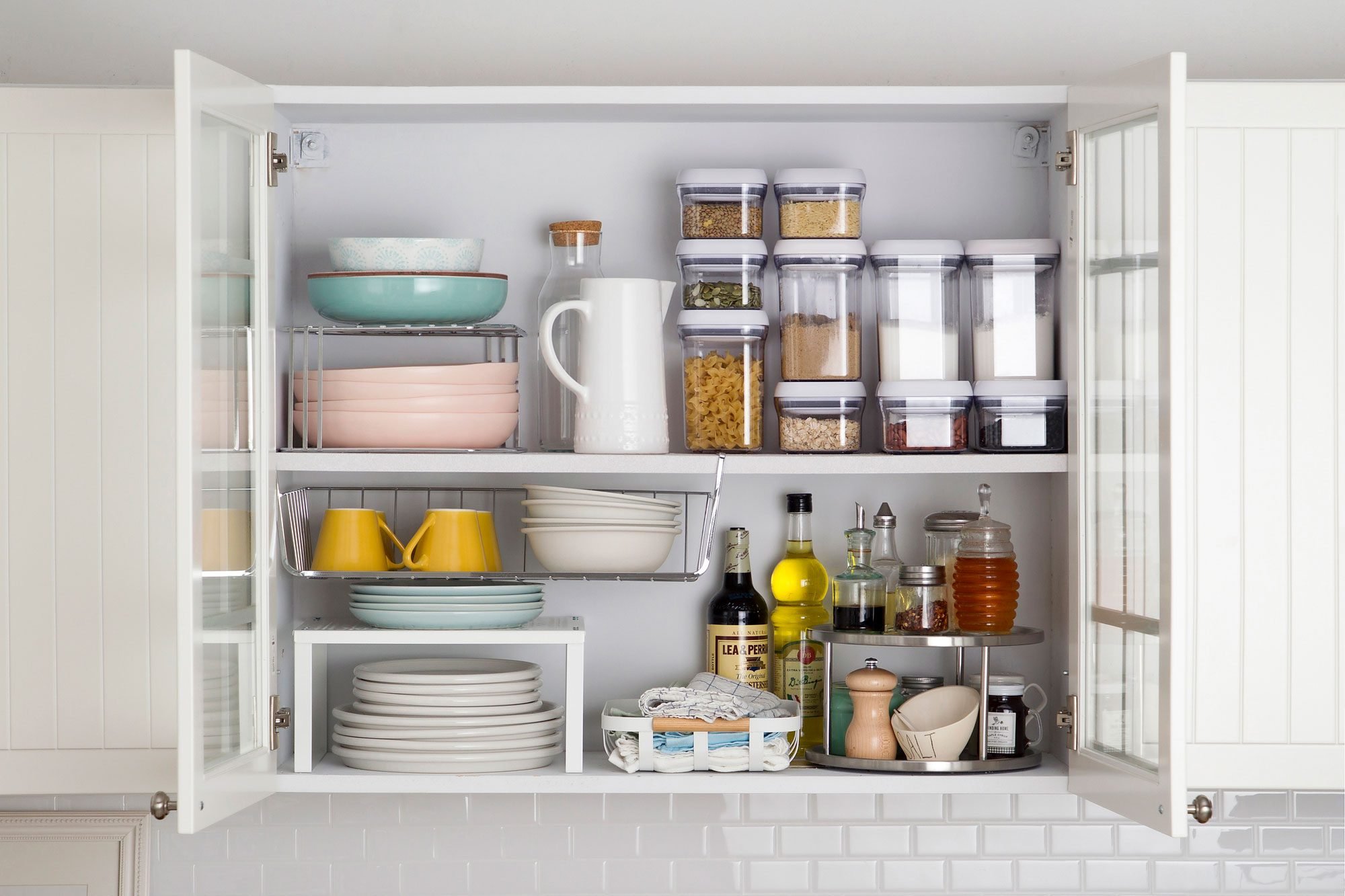
Credit: www.rd.com
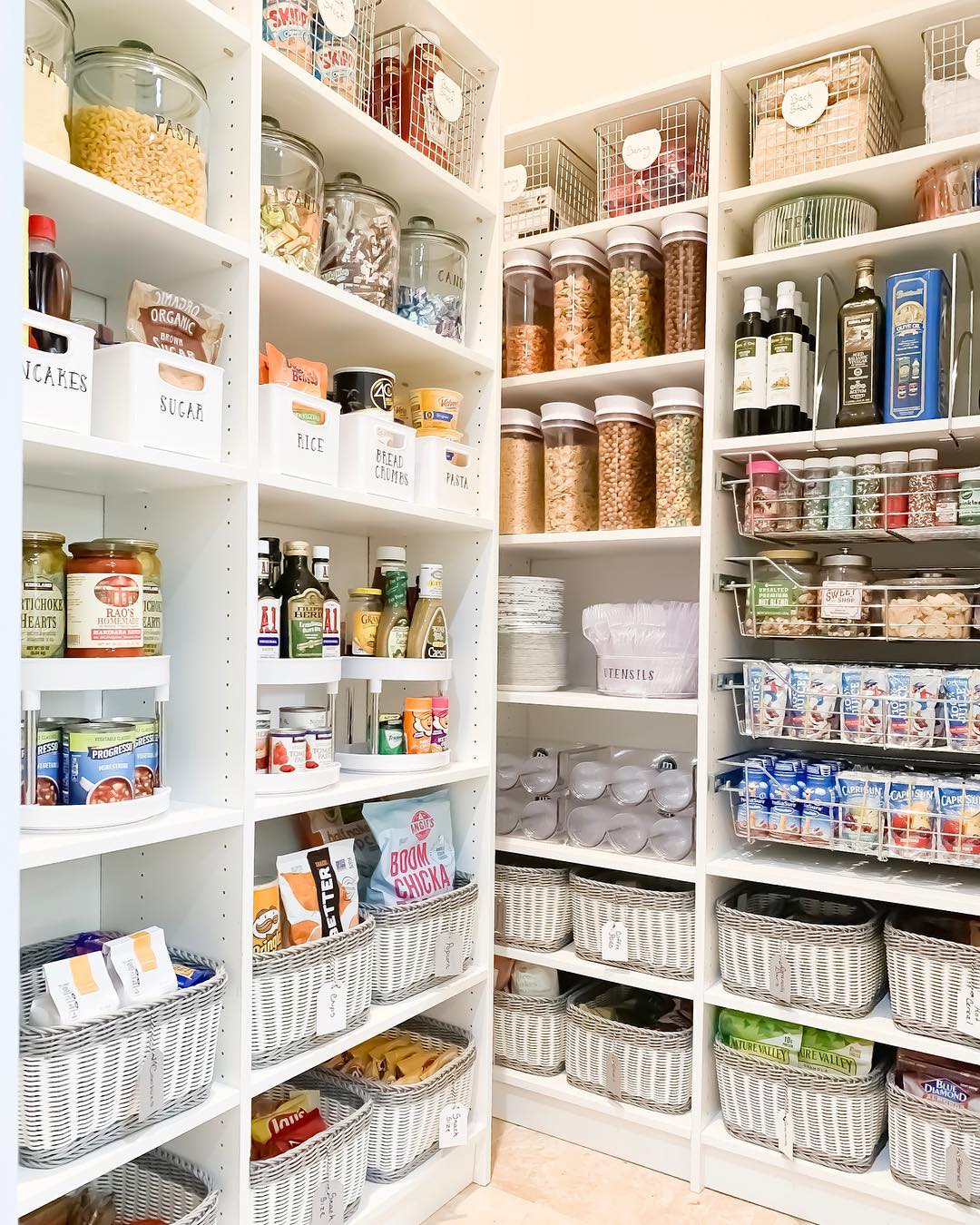
Credit: www.extraspace.com
Frequently Asked Questions
How Can I Organize Food Containers Efficiently?
Sort containers by size and shape to maximize space. Use stackable sets and store lids separately in a container or rack. This keeps your cabinet neat and saves time finding the right pieces.
What Is The Best Way To Store Container Lids?
Store lids vertically in a rack or container. This prevents them from getting lost and makes it easy to match lids with containers quickly.
How Do I Prevent Clutter In My Container Cabinet?
Regularly declutter by discarding cracked or unmatched containers. Group similar items together and use organizers to maintain order. This reduces mess and improves accessibility.
Can I Use Shelf Dividers For Organizing Containers?
Yes, shelf dividers help separate stacks and keep containers upright. They create designated spaces, making your cabinet more organized and easy to navigate.
Conclusion
Organizing food storage containers saves time and reduces kitchen clutter. Keep lids and containers together for easy access. Use shelves or bins to separate sizes and shapes. Label containers to find what you need quickly. Regularly clean and declutter your cabinet space.
These simple steps make your kitchen neat and efficient. Enjoy cooking and meal prep with less stress. A tidy cabinet helps you stay organized every day.