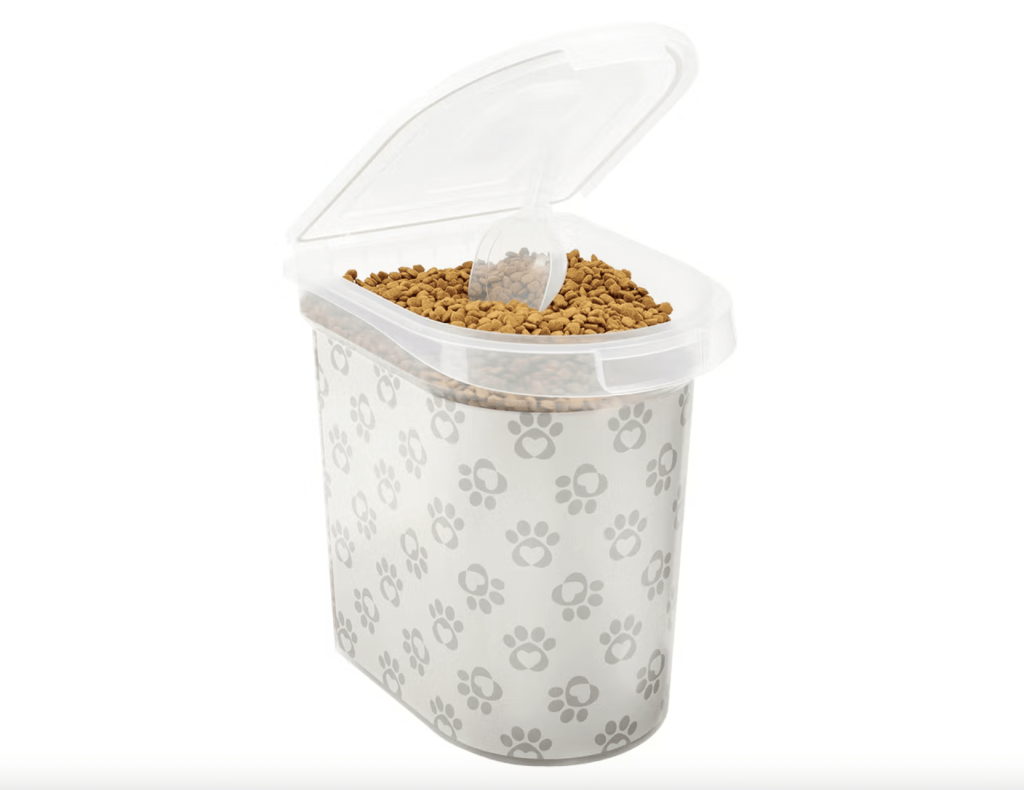
Are you wondering if a dog food storage container is really necessary for your furry friend? You might think leaving the bag as is works fine, but there’s more to it than just convenience.
How you store your dog’s food can affect its freshness, your pet’s health, and even your home’s cleanliness. Keep reading to discover why choosing the right storage could make a big difference for you and your dog.

Credit: www.diamondpet.com
Why Store Dog Food Properly
Properly storing your dog’s food is more than just a neatness issue—it directly affects your pet’s health and happiness. If you’ve ever noticed your dog hesitating at mealtime, the cause might be stale or contaminated food. Taking the time to store dog food correctly can prevent many common problems and keep your furry friend eager and well-nourished.
Preventing Contamination
Dog food can easily become contaminated if left exposed to air, moisture, or bacteria. Using a sealed container keeps harmful elements out, reducing the risk of your dog getting sick. Have you ever smelled rancid oil in old kibble? That’s a clear sign contamination has set in.
Additionally, unsealed bags can attract mold spores or dust. A dedicated storage container stops these contaminants from spoiling the food and protects your dog’s immune system.
Maintaining Freshness
Freshness matters for taste and nutrition. Once the bag is opened, nutrients start breaking down, and flavors fade. A proper container preserves freshness by limiting air exposure.
Think about how you store your own snacks—would you eat stale chips or cookies? Your dog’s food deserves the same careful treatment to stay appetizing and nutritious over time.
Avoiding Pests
Have you ever found ants or rodents near your pet’s food? Pests are attracted to uncovered or loosely stored dog food. This not only wastes food but also introduces harmful bacteria.
Sealed containers act as a strong barrier against these unwanted visitors. This keeps your home cleaner and your dog safer from diseases carried by pests.
Credit: www.chewy.com
Types Of Dog Food Storage Containers
Choosing the right dog food storage container protects your pet’s food from pests, moisture, and air. Different types of containers offer various benefits. Each one suits specific needs and preferences. Understanding these options helps keep dog food fresh longer.
Plastic Containers
Plastic containers are lightweight and easy to carry. They usually come with tight-fitting lids to keep food sealed. Many are transparent, so you can see the food level inside. Look for BPA-free plastic for safety. These containers are often budget-friendly and come in many sizes.
Metal Containers
Metal containers are strong and durable. They resist dents and cracks better than plastic. These containers often have a sleek look and can last for years. Metal keeps light out, which helps maintain food quality. Some models have rust-resistant coatings to protect the food.
Airtight Options
Airtight containers stop air from entering or escaping. This prevents food from going stale or losing nutrients. Many airtight containers have silicone seals around the lid. They also help keep bugs and moisture away. Using airtight storage is a smart way to keep dog food fresh and tasty.
Benefits Of Using Storage Containers
Using a dog food storage container keeps food fresh and safe from pests. It helps maintain the food’s quality and prevents spills or messes. This makes feeding your dog easier and more organized.
Storing dog food properly is crucial for pet health. A storage container offers many benefits. It helps keep the food fresh and safe. Let’s explore why a dog food storage container is important.Extending Shelf Life
Dog food can spoil quickly in the open. Storage containers seal in freshness. They protect food from air and moisture. This helps extend the shelf life. Your dog’s food stays safe longer.Preserving Nutritional Value
Nutritional value can decrease over time. Exposure to air or light affects nutrients. Storage containers prevent this. They preserve vitamins and minerals in the food. Your dog gets the full benefit of their meals.Reducing Waste
Wasted food is a common issue. Spoiled dog food must be thrown away. Storage containers help reduce this waste. They keep food fresh and edible. You buy less and save more. Using storage containers is practical. They offer real benefits for you and your dog.Choosing The Right Container Size
Choosing the right size for your dog food storage container is key to keeping your pet’s food fresh and your feeding routine smooth. A container that’s too small means constant refilling and potential mess. Too large, and the food might lose freshness before it’s all used. Let’s break down how to pick the perfect size based on your needs.
Considering Food Quantity
Think about how much dog food you use daily and how often you buy in bulk. If your dog eats a cup of food twice a day, a 10-pound container might last a month. But if you buy 50-pound bags, you’ll need a bigger container or multiple ones.
Also, consider your dog’s diet changes. Do you switch between dry and wet food or add supplements? Make sure the container fits the main bulk of dry food to avoid constant transfers.
Space And Portability
Where will you keep the container? If your kitchen or storage space is tight, a compact container that fits neatly is essential. Tall, slim containers can save floor space, while wide, shallow ones fit better under counters.
Portability matters if you travel or visit the vet often. Containers with sturdy handles and secure lids make it easy to carry food without spills. Have you ever struggled with bulky, awkward containers? Choosing a manageable size changes that experience.
Additional Features To Look For
Choosing the right dog food storage container goes beyond just size and shape. Additional features can make a big difference in keeping your dog’s food fresh and safe. You might find yourself wondering which extras truly matter and which are just marketing fluff.
Sealing Mechanisms
A solid sealing mechanism keeps air, moisture, and pests out, which extends the freshness of your dog’s food. Look for containers with airtight seals or locking lids to prevent spills and contamination.
I once switched to a container with a silicone gasket and noticed my dog’s food stayed fresh much longer. It was a small change but made a big difference in preventing spoilage.
Ease Of Cleaning
Cleaning your container regularly is essential to avoid bacteria build-up. Choose containers with wide openings or removable parts that make washing simple and thorough.
If you hate scrubbing tight corners, consider containers that are dishwasher safe or have smooth interiors. This saves you time and ensures a hygienic storage space.
Durability
Your container should stand up to daily use without cracking or breaking. Durable materials like heavy-duty plastic, stainless steel, or BPA-free options offer long-lasting protection.
Think about how often you’ll move the container or if your pet might bump into it. A sturdy container avoids costly replacements and keeps food safe from accidental spills or damage.
Credit: www.chewy.com
Common Mistakes In Dog Food Storage
Storing your dog’s food properly is more important than many pet owners realize. Mistakes in storage can lead to stale food, loss of nutrients, or even health risks for your furry friend. Understanding common errors can help you make smarter choices and keep your dog’s meals fresh and safe.
Using Original Packaging Alone
Many people keep dog food in its original bag, thinking it’s enough to protect the food. However, these bags are often not airtight and can allow air, moisture, and pests to get in. I once left a bag in its original packaging, only to find the food smelled off a week later—clearly, the packaging wasn’t doing its job.
You can use the original bag as an inner lining, but it’s best to place it inside a sturdy, airtight container. This way, you keep the food fresher for longer and protect it from environmental damage.
Ignoring Expiry Dates
Have you ever grabbed that bag of dog food from the back of the pantry without checking the expiry date? Expired food loses its nutritional value and can cause digestive issues. A simple habit of checking the date before buying or using the food can save your dog from unnecessary health problems.
Set reminders to rotate your stock and use older bags first. This not only prevents waste but also ensures your dog is always eating fresh, healthy food.
Improper Sealing
Leaving your dog’s food container open or loosely closed is a quick way to spoil the food. Even a little exposure to air introduces moisture and contaminants that speed up spoilage. I learned this the hard way when a container left open attracted ants and made the food unusable.
Always make sure the lid is sealed tightly after each use. If you don’t have a container with a secure lid, consider adding clips or rubber seals to keep the air and pests out. This small step can make a big difference in food quality and safety.
Frequently Asked Questions
Why Use A Dog Food Storage Container?
A dog food storage container keeps food fresh longer. It prevents moisture, pests, and odors from spoiling the food. This ensures your dog gets healthy, uncontaminated meals every time.
How Do Storage Containers Improve Dog Food Freshness?
Storage containers protect dog food from air and humidity. This slows down oxidation and spoilage. As a result, the food stays flavorful and nutritious for weeks.
Are Airtight Containers Necessary For Dog Food?
Yes, airtight containers are essential to block air and moisture. They preserve the food’s quality and prevent contamination. Airtight seals also help reduce waste and save money.
Can A Storage Container Prevent Pests?
Absolutely. A sealed dog food container keeps ants, rodents, and insects out. This protects your dog’s food from contamination and health risks.
Conclusion
A dog food storage container keeps food fresh longer. It stops pests and moisture from ruining the food. Using one saves money by reducing waste. It also makes feeding time cleaner and easier. Choose a container that fits your space and budget.
Protect your dog’s health with proper food storage. Simple steps like this help your pet thrive. A good container is a small but smart choice.