
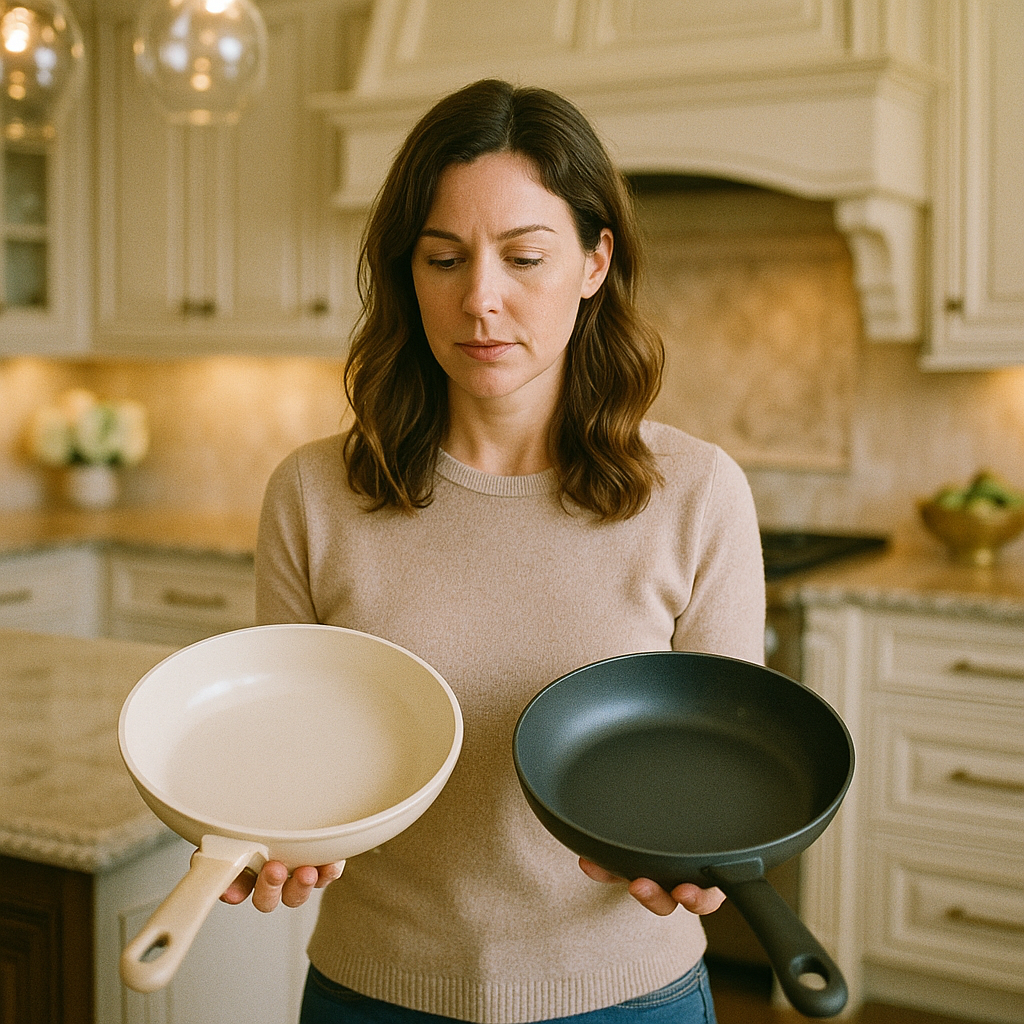
Choosing the right cookware is a big decision for your kitchen and your health. When it comes to ceramic cookware versus nonstick options, you might find yourself wondering which is the safer choice for you and your family.
With so many opinions and options out there, it’s easy to feel overwhelmed. But don’t worry; you’re not alone in this. Imagine cooking your favorite meal with ease, knowing that you’ve made a choice that’s better for your health and the environment.
This isn’t just about pots and pans; it’s about making informed decisions that can impact your well-being. Are you ready to uncover the truth behind ceramic and nonstick cookware? Let’s dive in and explore which option truly stands out in terms of safety and performance. Your next culinary creation depends on it!

Credit: www.360cookware.com
Types Of Cookware Coatings
Choosing the right cookware often boils down to the type of coating it has. Cookware coatings affect not just how your food cooks but also your kitchen’s safety and ease of cleaning. Understanding the differences between ceramic and nonstick coatings can help you make a smarter choice for your health and cooking style.
Ceramic Coating Basics
Ceramic cookware features a silica-based coating that’s free from chemicals like PTFE and PFOA. It offers a smooth, hard surface that resists scratching and can handle higher cooking temperatures. Many home cooks appreciate ceramic for its natural, chemical-free appeal and its ability to brown food nicely.
However, ceramic coatings may wear down faster if you use metal utensils or harsh cleaning tools. Have you noticed your ceramic pans losing their nonstick qualities after a few months? That’s a common issue due to the coating’s delicate nature.
Nonstick Coating Features
Traditional nonstick pans usually have a layer of PTFE, commonly known as Teflon. This coating excels at preventing food from sticking, making cleanup a breeze. You can cook with less oil, which supports healthier meals.
But nonstick coatings can release toxic fumes if overheated beyond 500°F (260°C). Do you often preheat pans empty? That habit might risk degrading your nonstick surface and releasing harmful compounds. It’s crucial to monitor cooking temperatures and avoid scratching the coating with metal utensils.
Materials Behind The Coatings
Ceramic coatings are made from inorganic minerals, mainly silica, which hardens into a glass-like surface. This composition makes them free of synthetic chemicals, appealing if you want to avoid potentially harmful substances in your kitchen.
Nonstick coatings rely on synthetic polymers like PTFE, which provide excellent slickness but can degrade over time. Some brands now offer ceramic-infused nonstick coatings that aim to combine durability with safety. Have you tried these hybrid options? They might offer the best of both worlds but still need careful handling.
:max_bytes(150000):strip_icc()/sea-kyocera-ceramic-nonstick-frying-pan-ashlee-redger-01-5056104f479c4f5eaf2bf8dddfdb666e.jpeg)
Credit: www.seriouseats.com
Health Risks Linked To Nonstick Cookware
Nonstick cookware has become a kitchen staple, but many people overlook the potential health risks tied to its use. Understanding these risks helps you make safer choices for your family’s well-being. Let’s look closely at the concerns surrounding nonstick pans.
Chemical Exposure Concerns
Nonstick coatings often contain chemicals like PTFE and PFOA, which can release toxic fumes when overheated. These fumes may cause flu-like symptoms known as “polymer fume fever” in humans and can be deadly to pet birds.
Even small amounts of chemical residue can build up over time, raising questions about long-term exposure. Are you aware of how often your pans reach these risky temperatures during cooking?
Effects Of Overheating
Nonstick cookware can start to break down when heated above 500°F (260°C). At these temperatures, the coating deteriorates and releases harmful gases.
Many home cooks unintentionally overheat pans by preheating empty nonstick surfaces or using high heat settings. Have you ever noticed a strange smell or smoke while cooking? That might be a warning sign.
Longevity And Wear Issues
Nonstick coatings wear down with regular use, especially if you use metal utensils or abrasive cleaners. Once scratched, the surface can peel and contaminate your food with tiny particles.
Replacing nonstick cookware frequently can be costly and inconvenient, but using worn pans poses health risks you shouldn’t ignore. How often do you check your cookware for scratches or flaking?
Safety Profile Of Ceramic Cookware
Understanding the safety profile of ceramic cookware is essential before deciding if it suits your kitchen. Many people worry about chemicals leaching into food or the cookware breaking down over time. Ceramic cookware offers some unique safety benefits that might surprise you.
Natural Materials And Non-toxicity
Ceramic cookware is often made from natural clay and inorganic minerals, which means no synthetic chemicals are involved in its production. Unlike traditional nonstick pans coated with PTFE or PFOA, ceramic coatings usually don’t contain harmful substances that can release toxic fumes when overheated.
Have you ever noticed a strange smell when heating your nonstick pan too high? Ceramic cookware doesn’t produce that smell or harmful gases, making it a safer choice for your health and your family’s well-being.
Heat Resistance And Stability
Ceramic cookware can withstand high temperatures without breaking down or releasing toxins. This heat resistance means you can use ceramic pans for searing and frying without worrying about damaging the surface or toxic fumes.
However, you should still avoid sudden temperature changes, such as moving a hot pan into cold water, which can cause cracking. Do you often cook meals that require high heat? Ceramic might give you the freedom to do so more safely than many nonstick options.
Durability And Maintenance
While ceramic cookware is generally durable, it requires careful maintenance to keep its safety benefits intact. Scratches or chips in the ceramic coating can expose the base material, potentially leading to safety concerns or reduced cooking performance.
Using wooden or silicone utensils and avoiding metal scrubbers can extend the life of your ceramic cookware. Think about how you clean and store your pans—simple changes can keep your ceramic cookware safe and effective for years.
Comparing Cooking Performance
Choosing between ceramic and nonstick cookware often comes down to how well they perform in your kitchen. Cooking performance can shape your entire experience, from how evenly your food cooks to how easy cleanup is. Let’s break down the key differences you’ll notice with these two popular options.
Heat Distribution And Cooking Results
Ceramic cookware generally offers more even heat distribution, which can help prevent hot spots and uneven cooking. This means your food is less likely to burn in one area while remaining undercooked in another. Nonstick pans heat up quickly but sometimes unevenly, which can affect delicate dishes like eggs or pancakes.
Have you noticed that your pancakes brown unevenly in nonstick pans? That’s often a heat distribution issue. With ceramic, you might find your food cooks more uniformly, improving texture and flavor.
Ease Of Cleaning
Nonstick surfaces are well-known for easy cleanup because food rarely sticks to them. This can save you time and effort, especially after greasy or sticky meals. Ceramic cookware, while not nonstick in the traditional sense, has a smooth surface that also resists sticking but may require a bit more scrubbing if food is left to dry.
Think about the last time you cooked scrambled eggs. Did you spend extra minutes scrubbing your pan? Nonstick usually wins here, but ceramic’s durability means you can use tougher cleaning tools without damaging the surface.
Suitability For Various Cooking Styles
Nonstick pans excel at low to medium-heat cooking and are perfect for dishes like omelets, stir-fries, or sautéing vegetables. However, they’re not ideal for high-heat cooking or searing, as the coating can degrade over time. Ceramic cookware handles higher temperatures better, making it a solid choice for roasting, frying, and even baking.
Are you someone who enjoys experimenting with different cooking methods? Ceramic offers more flexibility, allowing you to switch between stovetop and oven easily. Nonstick’s limitations might restrict your culinary creativity over time.
Expert Recommendations
Experts weigh in heavily on the safety of ceramic versus nonstick cookware. Their recommendations focus on how to choose the right materials, use them properly, and recognize when it’s time to replace your pots and pans. These insights help you make informed decisions that protect your health and improve your cooking experience.
Choosing Safe Cookware
Look for cookware labeled as free from harmful chemicals like PFOA and PFAS. Ceramic cookware often appeals because it uses natural materials and avoids synthetic coatings. However, not all ceramic cookware is created equal—check for heavy metal testing and certifications.
Experts suggest prioritizing brands with transparent ingredient lists and third-party safety testing. Think about your cooking style too—if you use high heat regularly, pick cookware that withstands it without breaking down.
Proper Usage Tips
Even the safest cookware can become risky if not used correctly. Avoid overheating ceramic or nonstick pans; high temperatures can damage coatings and release toxins. Use medium or low heat settings to keep your cookware intact longer.
Use wooden or silicone utensils instead of metal to prevent scratching. Scratches can expose underlying materials, potentially releasing harmful substances into your food. Also, hand wash your cookware gently—abrasive sponges can wear down surfaces faster.
Signs To Replace Cookware
How do you know when it’s time to say goodbye to your favorite pan? Look for visible scratches, peeling, discoloration, or flaking surfaces. These are red flags that your cookware may no longer be safe.
Pay attention to changes in cooking performance too. If food starts sticking more or cooking unevenly, the coating might be compromised. Replacing worn-out cookware can prevent potential health risks and improve your meals.
Credit: misen.com
Environmental Impact
The environmental impact of cookware matters for many buyers. The materials and processes affect our planet. Comparing ceramic and nonstick pans helps understand their eco-friendliness.
Manufacturing Footprint
Ceramic cookware uses natural minerals like clay and sand. It often requires less energy to produce than some nonstick coatings. Nonstick pans rely on synthetic chemicals and metals, which may increase pollution. Factories making nonstick coatings sometimes emit harmful gases. Ceramic production tends to have a lower carbon footprint overall.
Disposal And Recycling
Ceramic cookware is more durable and breaks less easily. Broken ceramic pieces do not release toxic chemicals into the soil. Recycling ceramic is difficult but safer for the environment. Nonstick pans often contain metals and coatings that complicate recycling. Old nonstick pans often end up in landfills, posing risks of chemical leaching.
Sustainability Considerations
- Ceramic materials come from natural, abundant resources.
- Nonstick coatings often use fluorinated chemicals, raising concerns.
- Ceramic pans last longer with proper care.
- Nonstick surfaces may degrade faster, needing replacement.
- Choosing ceramic supports less toxic manufacturing and waste.
Frequently Asked Questions
Is Ceramic Cookware Safer Than Traditional Nonstick Pans?
Ceramic cookware is often considered safer as it contains no PTFE or PFOA chemicals. It heats evenly and releases fewer toxins when overheated. However, durability varies, so proper care is essential to maintain its safety and performance.
Can Ceramic Cookware Release Harmful Chemicals?
Ceramic cookware is generally free from harmful chemicals like PTFE and PFOA. It uses a natural silica-based coating, reducing the risk of toxic fumes. Proper use and avoiding overheating ensure it remains a safer cooking option.
How Does Ceramic Cookware Compare To Nonstick In Durability?
Ceramic coatings tend to wear out faster than traditional nonstick coatings. Nonstick pans with PTFE last longer but may release chemicals if scratched. Ceramic requires gentle cleaning to maintain its nonstick properties and longevity.
Does Ceramic Cookware Affect Cooking Performance?
Ceramic cookware heats quickly and evenly, providing good heat distribution. It may require more oil than nonstick pans to prevent sticking. Overall, it offers reliable performance without the health concerns linked to some nonstick coatings.
Conclusion
Ceramic cookware offers a safer option for many cooks. It does not release harmful chemicals when heated. Nonstick pans may wear down and cause health concerns over time. Ceramic pots and pans last longer with proper care. Choosing the right cookware depends on your cooking style and needs.
Consider safety, durability, and ease of cleaning before buying. Cookware that feels right will make meal prep more enjoyable. Keep your kitchen safe and healthy with smart choices.