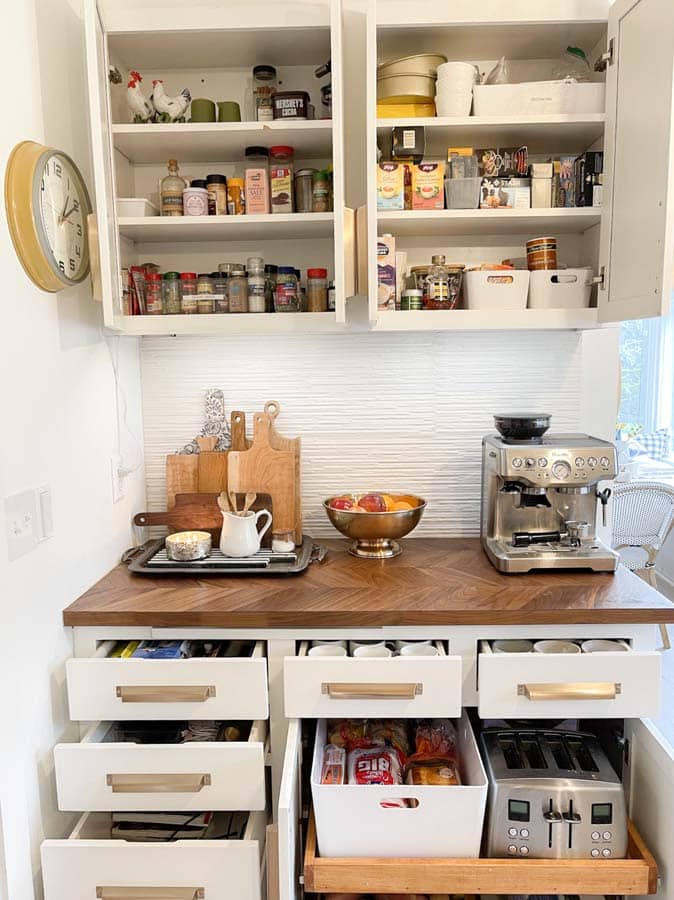
Is your large kitchen drawer a chaotic mess where finding anything feels impossible? You’re not alone, and the good news is you can fix it.
Imagine opening that drawer and instantly spotting exactly what you need—no digging, no frustration. Organizing a big kitchen drawer might seem overwhelming, but with the right steps, you’ll turn it into a neat, efficient space. Keep reading, and you’ll discover simple, practical tips that make your kitchen work better for you every day.
Credit: www.chowhound.com
Assess Drawer Contents
Assessing the contents of your large kitchen drawer is the first step toward better organization. This process helps you understand what you have and how often you use each item. It creates a clear picture of what belongs in the drawer and what can be stored elsewhere or removed.
Start by taking everything out of the drawer. Seeing all items together makes it easier to decide their place and importance. Group similar items for a quick overview.
Sort Items By Use
Separate items based on how often you use them. Place daily-use tools in one group. Items used less frequently go in another. This sorting helps prioritize space for essentials.
- Daily tools like spatulas, knives, and spoons
- Occasional items such as measuring cups or specialty gadgets
- Rarely used or seasonal items
Keep the most used items at the front or in the easiest-to-reach sections of the drawer.
Declutter Unnecessary Items
Remove broken, duplicate, or expired items. Ask yourself if each item serves a purpose. Items not used in months can be donated or discarded.
- Old utensils with damage
- Extra gadgets that clutter space
- Items you forgot you had
Clearing out frees up space and makes the drawer more functional. A tidy drawer improves kitchen efficiency and reduces stress.
Choose The Right Organizers
Choosing the right organizers can make a huge difference in managing a large kitchen drawer. The right tools help you maximize space and keep everything visible and accessible. You want organizers that fit your drawer perfectly and suit the types of items you store.
Dividers And Trays
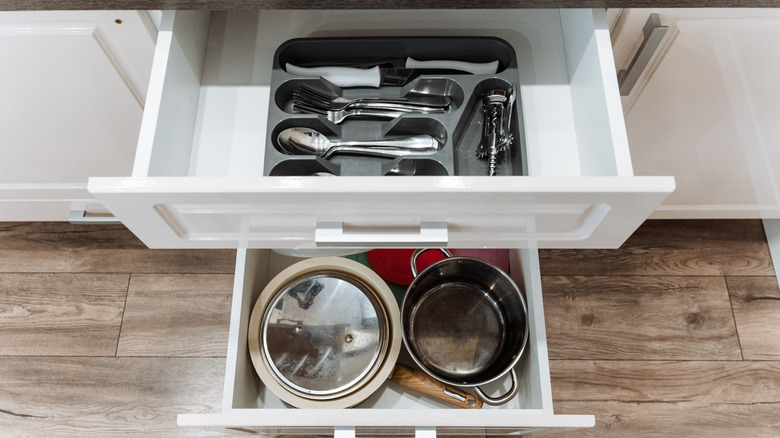
Dividers and trays are simple but powerful organizers. They create separate sections for utensils, gadgets, and other kitchen essentials. You can easily customize them to fit your drawer’s size and shape.
Think about how you use your drawer daily. Do you reach for your measuring spoons more than your spatulas? Dividers let you group items by frequency of use, so the most needed tools are always within reach.
Wooden or plastic trays with compartments can also add a neat look. They stop items from shifting when you open the drawer, which keeps everything in place. Have you tried using trays with different compartment sizes to handle small and large tools?
Adjustable Containers
Adjustable containers offer flexibility you might not get with fixed dividers. They allow you to rearrange sections as your kitchen tools change over time. This adaptability is perfect if you like to switch things around or add new gadgets.
Containers with removable walls help you fit everything from small spice jars to large cooking utensils. You can even stack some containers to use vertical space inside the drawer. Have you noticed how much more you can fit when you use adjustable containers?
Look for containers with non-slip bases or lids to keep items secure. This small detail stops rattling and keeps your drawer quieter. What’s your biggest challenge when fitting different-sized items in one drawer?
Maximize Vertical Space
Stack items vertically by using tiered organizers or shelf risers to save drawer space. This approach keeps utensils visible and easy to reach. Using vertical dividers also helps separate tools and prevents clutter.
Maximizing vertical space in a large kitchen drawer can transform your storage. It helps in creating more room and keeping items within easy reach. By utilizing the height of your drawer, you can efficiently organize your kitchen essentials. This method not only saves space but also enhances accessibility.
Stackable Solutions
Stackable containers are great for making the most of vertical space. They allow you to layer items without clutter. Use clear containers to see contents easily. Choose sizes that fit well in your drawer. Stackable bins can hold utensils, spices, or baking supplies. This keeps everything organized and easy to find.
Use Of Riser Shelves
Riser shelves elevate items, creating extra layers. They are perfect for storing small plates or cups. You can place risers at the back or sides of the drawer. This way, you maximize every inch of space. Risers make it simple to reach items without digging through piles. They offer a neat and tidy drawer appearance.

Credit: www.lifeinjeneral.com
Create Zones For Function
Creating zones within your large kitchen drawer can transform chaos into order. It helps you find what you need quickly and keeps your drawer tidy. Think about how you use your tools daily and group items by function to save time and frustration.
Cooking Tools Area
Dedicate one section of your drawer to frequently used cooking tools like spatulas, whisks, and tongs. Use dividers or small containers to keep these items from sliding around.
Have you noticed how much easier meal prep is when your essential tools are right at hand? Keeping this zone organized means less digging and more cooking.
Cutlery And Utensils Section
Set aside a specific zone for your cutlery—forks, knives, spoons—and smaller utensils like peelers or measuring spoons. A cutlery tray or adjustable organizer works perfectly here.
This separation prevents sharp knives from mixing with other items, enhancing safety and speed. Do you often spend extra minutes hunting for the right spoon? This zone solves that problem.
Miscellaneous Items Spot
Use a corner or smaller compartment for odd items like bottle openers, rubber bands, or recipe cards. These often get lost when mixed with bigger tools.
Try using small boxes or labeled containers to keep these items visible and accessible. What random drawer items could you finally tame by giving them their own spot?
Label For Easy Access
Labels transform a chaotic kitchen drawer into a well-organized space where everything is easy to find. They save you time and prevent frustration by clearly identifying each section or item. Imagine grabbing a baking spatula in seconds without digging through a pile of utensils—that’s the power of effective labeling.
Label Types
Choosing the right type of label is crucial for durability and readability. You can use:
- Adhesive labels:Stick-on options that work well on plastic bins or dividers.
- Chalkboard labels:Reusable and perfect if you like changing drawer contents often.
- Printable labels:Custom-designed on your computer for a neat, uniform look.
- Tag labels:Small tags attached with string or clips, handy for items you move frequently.
Think about the drawer environment—moisture and heat might affect some label types more than others. Your choice depends on how long you want the labels to last and how often you will update them.
Placement Tips
Where you put your labels affects how quickly you find what you need. Place labels at eye level or on the top edge of bins and dividers so they are visible without moving items around.
Consider the angle of your drawer when it’s open. Labels on the front edge of containers can be easier to read than those on the bottom or inside surfaces.
Using different colors or fonts can help you instantly recognize categories—like red for baking tools and blue for cooking utensils. Have you noticed how color-coding speeds up your kitchen tasks?
Maintain Drawer Organization
Keeping a large kitchen drawer organized takes ongoing effort. A well-maintained drawer saves time and reduces frustration in the kitchen. Regular attention prevents clutter from building up again. Small habits make a big difference in preserving order.
Regular Cleanups
Set a schedule for cleaning your drawer. Every few weeks, remove all items and wipe the surface. Check for expired or broken tools and toss them out. Group similar items together before placing them back. This habit keeps the drawer fresh and neat.
Adjusting Layout Over Time
Change your drawer setup as your needs evolve. Move frequently used items to easy-to-reach spots. Use dividers or trays to separate different kitchen tools. Notice what works and what doesn’t, then tweak the arrangement. Flexibility helps maintain a practical and tidy drawer.

Credit: theranchtable.com
Frequently Asked Questions
How Do I Start Organizing A Large Kitchen Drawer?
Begin by emptying the drawer completely. Sort items by category. Discard duplicates and broken tools. Use organizers to separate groups. This method ensures a clean, efficient layout.
What Are The Best Organizers For Kitchen Drawers?
Use adjustable dividers, trays, and small bins. These keep utensils, gadgets, and spices in place. Clear organizers help visibility. Choose materials like bamboo or plastic for durability and easy cleaning.
How Can I Maximize Space In A Big Kitchen Drawer?
Stack items vertically using tiered organizers. Use drawer inserts to create compartments. Store rarely used tools at the back. This approach optimizes space and keeps essentials accessible.
How Often Should I Clean And Reorganize Kitchen Drawers?
Clean and reorganize every 3 to 6 months. Regular maintenance prevents clutter buildup. It also helps identify unused items to donate or discard. Keeping drawers tidy improves kitchen efficiency.
Conclusion
Organizing a large kitchen drawer can save time and reduce stress. Use dividers and small containers to keep items separated. Group similar tools and utensils together for easy access. Regularly clean and remove unused items to maintain order. A neat drawer makes cooking more enjoyable and efficient.
Start small and build your system step by step. Keep it simple and practical for daily use. A well-organized drawer helps your kitchen run smoothly. Give your space the attention it deserves.