
Are you tired of your snacks going stale or your leftovers losing their freshness too quickly? Choosing the right airtight food storage containers can make a huge difference in keeping your food fresh, tasty, and safe for longer.
But with so many options out there, how do you find the best ones for your kitchen? You’ll discover the top airtight containers that protect your food and save you money by reducing waste. Keep reading to find the perfect storage solution that fits your needs and makes your life easier.
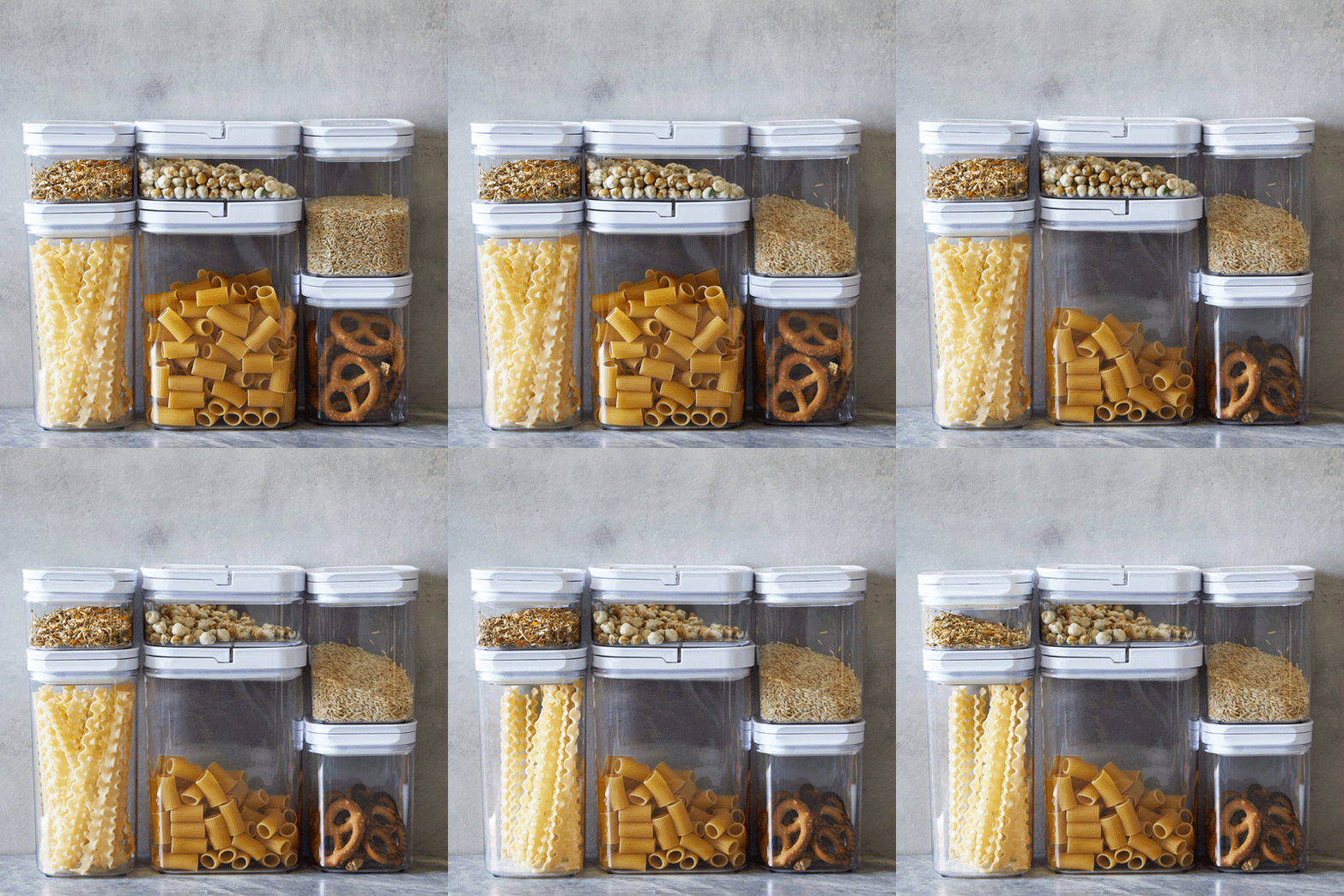
Credit: artandcook.com
Benefits Of Airtight Containers
Airtight food storage containers are more than just kitchen essentials; they transform how you store and enjoy your food daily. These containers lock in freshness and flavor, helping your meals stay delicious longer. Understanding their benefits can change how you manage your pantry and fridge.
Preserving Freshness
Have you ever noticed how quickly some foods lose their taste and texture once opened? Airtight containers create a sealed environment that keeps air out, slowing down the natural process of spoilage. Whether it’s crunchy snacks, fresh herbs, or baked goods, these containers keep them tasting just like when you first bought them.
Preventing Contamination
Food safety is crucial, and airtight containers play a key role in protecting your food from germs and bacteria. By sealing off your food, they stop dust, insects, and other contaminants from getting in. This means fewer worries about cross-contamination and safer meals for you and your family.
Reducing Food Waste
Have you ever thrown away food because it went bad too fast? Airtight containers extend the shelf life of leftovers and bulk purchases, giving you more time to enjoy them. This not only saves money but also reduces the environmental impact of wasted food in your home.
Key Features To Consider
Choosing the best airtight food storage containers means understanding key features. These features impact how well your food stays fresh and how easy the containers are to use. Focus on material, seal quality, size, shape, and cleaning ease. These factors ensure your food stays protected and your kitchen stays organized.
Material Types
Containers come in plastic, glass, and stainless steel. Plastic containers are light and often clear. Glass containers do not stain or hold smells. Stainless steel is strong and durable. Consider safety too. BPA-free plastic is safer for food. Choose a material that fits your needs and lifestyle.
Seal Quality
Airtight seals stop air and moisture from entering. Look for containers with silicone gaskets for a tight seal. Snap-lock or clamp lids help secure the container. Check if the seal is easy to open but still tight. Good seals keep food fresh longer and prevent spills.
Size And Shape Options
Choose containers in various sizes for different foods. Small containers work for snacks and spices. Large ones hold bulk items like flour or pasta. Shapes matter too. Square or rectangular containers save space in cupboards. Round containers may fit better in refrigerators. Mix sizes and shapes for best storage.
Ease Of Cleaning
Containers should be easy to clean by hand or dishwasher. Look for smooth surfaces without hard-to-reach corners. Removable seals or lids make cleaning easier. Avoid containers that stain or hold odors. Clean containers keep food safe and containers looking new.
Top Airtight Containers For Dry Goods
Choosing the right airtight containers for dry goods can revolutionize the way you store food. Whether it’s preserving the crunchiness of cereals or keeping your coffee fresh, airtight containers make a significant difference. Let’s explore some of the best options tailored for various dry goods, ensuring your pantry stays organized and your food stays fresh.
Best For Grains And Cereals
If you love starting your day with a bowl of crunchy cereal, you know how disappointing stale cereal can be. Opt for containers with snap-lock lids and silicone seals. Brands like OXO and Rubbermaid offer transparent designs, making it easy to spot your favorite grains and cereals.
I once stored my oatmeal in an ordinary container, only to find it soggy after a few days. Switching to an airtight container transformed my breakfast experience. Imagine waking up to fresh, crispy cereal every day!
Ideal For Snacks And Nuts
Snacks and nuts are prone to losing their crunch if not stored properly. Look for stackable containers with tight-fitting lids. This not only keeps them fresh but also saves space in your pantry.
Have you ever reached for your favorite almonds only to find them soft and tasteless? Using airtight containers ensures that your snacks remain as tasty as the day you bought them. Plus, they are great for portion control!
Great For Coffee And Tea
Coffee lovers know the importance of maintaining the aroma and flavor of their beans. Airtight containers with UV protection are perfect for this. For tea, opt for containers with a double lid to lock in freshness.
I once stored my premium coffee beans in a regular jar, and within days, the rich aroma was gone. A good airtight container brought back the robust flavors I craved every morning. Are you preserving your coffee’s essence?
Choosing the right airtight container can enhance your kitchen’s functionality and ensure your dry goods remain delicious. What will you store next?

Credit: www.ebay.ca
Best Containers For Liquids And Wet Foods
Choosing the right airtight containers for liquids and wet foods can save you from messy spills and keep your food fresh longer. You want containers that seal tightly and handle moisture without leaking or warping. Here’s a look at some top options that balance convenience, durability, and practicality.
Leak-proof Jars
Leak-proof jars are a lifesaver when you store soups, sauces, or salad dressings. They often come with rubber gaskets and locking lids to create a tight seal that prevents spills, even if the jar tips over.
Look for jars made of BPA-free plastic or glass for safety. I once packed a homemade smoothie in a leak-proof jar for a long trip, and it stayed sealed perfectly without any mess in my bag. Wouldn’t you want that peace of mind?
Durable Plastic Containers
Plastic containers designed for wet foods usually feature snap-lock lids and silicone seals. These are lightweight and less likely to break, making them perfect for everyday use or taking food on the go.
Choose containers labeled as leak-proof and made from sturdy materials like Tritan plastic. These resist stains and odors better than regular plastic. Plus, they’re often microwave and dishwasher safe, adding to their convenience.
Glass Options
Glass containers offer a clean, non-porous surface that won’t absorb smells or stains. They’re great if you want to avoid plastic and prefer something that can go from fridge to oven without worry.
Many glass containers come with airtight lids featuring silicone seals. They feel heavier but provide excellent durability and clarity, so you can see what’s inside at a glance. Have you noticed how much easier meal prep gets when you can quickly spot your ingredients?
Eco-friendly And Sustainable Choices
Choosing eco-friendly and sustainable airtight food storage containers not only helps protect the environment but also keeps your food fresh without harmful chemicals. These containers can reduce plastic waste and promote healthier living. Have you ever wondered how your choice of storage impacts the planet and your health?
Reusable Materials
Containers made from reusable materials like glass, stainless steel, or silicone offer durability and long-term use. Glass containers are sturdy and don’t absorb odors or stains, making them perfect for daily use. Stainless steel options are lightweight and great for travel, while silicone lids provide a flexible, airtight seal.
Using these materials helps you avoid single-use plastics and reduces clutter in your kitchen. Plus, they often come in stylish designs that make organizing your pantry enjoyable. Would you consider switching to containers that last for years instead of tossing out plastic every few months?
Bpa-free Options
BPA, a chemical found in some plastics, can seep into food and pose health risks. Choosing BPA-free containers ensures your meals stay safe and free from harmful toxins. Many brands now clearly label their products as BPA-free, so look for this when shopping.
These containers maintain airtight seals without compromising your health. They also tend to be dishwasher safe, making cleanup easier. Don’t you want containers that protect both your food and your family?
Recyclable Containers
Recyclable containers reduce landfill waste by giving materials a second life. Containers made from recyclable plastics or metals can be processed and turned into new products. This choice supports a circular economy and reduces environmental harm.
Check local recycling guidelines to ensure your containers qualify. Some brands use recycled materials to manufacture their products, which further lowers their carbon footprint. How much impact could you make by choosing containers that come full circle?
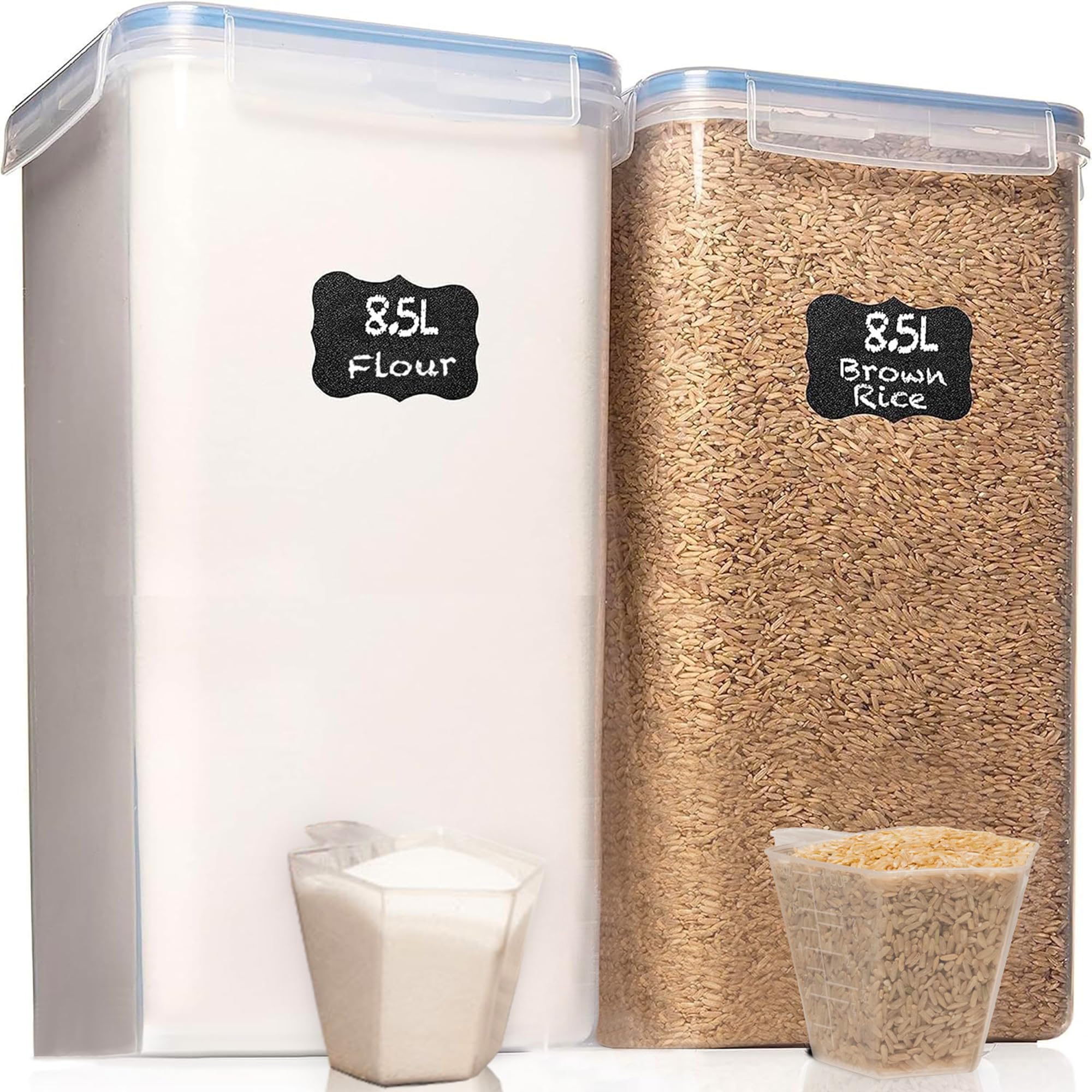
Credit: www.amazon.ca
Tips For Maintaining Airtight Containers
Keeping your airtight food storage containers in top shape extends their life and protects your food’s freshness. Simple habits can make a big difference in how well these containers perform over time. Let’s look at some practical tips that help you maintain them effectively.
Proper Cleaning Techniques
Cleaning airtight containers carefully is key to preserving their seal and preventing odors. Wash containers with warm, soapy water right after use to avoid stains and residue buildup.
Avoid harsh scrubbing or abrasive pads that can scratch the surface or damage the seal. Instead, use a soft sponge or cloth to clean both inside and outside.
Don’t forget to clean the lids thoroughly, especially the grooves where seals sit. If your container is dishwasher-safe, place it on the top rack to prevent heat damage.
Storage Best Practices
Store your airtight containers in a cool, dry place away from direct sunlight to prevent warping or seal deterioration. Keeping lids off or slightly open when not in use allows any trapped moisture to evaporate, reducing mold risk.
Stack containers carefully to avoid putting pressure on seals or lids. If you have multiple sizes, nest smaller ones inside larger containers without lids to save space and protect seals.
Consider labeling containers with the date you stored food to avoid keeping items past their prime, which can cause unwanted smells that cling to your containers.
Replacing Seals And Parts
Seals wear out over time and can cause your containers to lose their airtight quality. Inspect rubber or silicone gaskets regularly for cracks, tears, or stiffness.
Many brands sell replacement seals or lids separately, so check if yours offers this option before deciding to buy new containers. Replacing just the seal can save you money and reduce waste.
If you notice your containers aren’t sealing properly, don’t ignore it—swapping out worn parts can bring back that fresh-locking power and keep your food safe longer.
Frequently Asked Questions
What Features Make Airtight Containers Best For Food Storage?
The best airtight containers have a secure sealing mechanism to prevent air and moisture entry. They are durable, BPA-free, and easy to clean. Transparent containers help identify contents quickly, enhancing kitchen organization and food freshness.
Which Materials Are Safest For Airtight Food Containers?
Food-grade plastic, glass, and stainless steel are safest for airtight containers. Glass is non-toxic and odor-resistant. BPA-free plastic is lightweight and affordable. Stainless steel offers durability and is ideal for long-term storage.
How Do Airtight Containers Preserve Food Freshness?
Airtight containers block air and moisture, slowing down food spoilage and oxidation. They maintain the original texture, flavor, and nutrients longer. This helps reduce food waste and saves money by extending shelf life.
Can Airtight Containers Be Used In Freezers Or Microwaves?
Many airtight containers are freezer and microwave safe, but check product labels. Glass containers usually handle temperature changes better than plastic. Using microwave-safe lids prevents steam buildup and maintains container integrity.
Conclusion
Choosing the right airtight food storage container keeps food fresh longer. It stops air and moisture from spoiling your items. Containers come in different sizes and materials. Glass and BPA-free plastic are safe options. Seal quality matters most for freshness.
Easy-to-clean containers save time and effort. Organize your kitchen with the best containers. Enjoy fresher meals and less food waste every day. Small changes make a big difference in food storage. Find what fits your needs and start storing smart.