
Are you tired of dealing with messy, slippery hands while preparing food? Choosing the right food prep gloves can change the way you cook and keep your kitchen clean and safe.
But with so many options out there, how do you find the best gloves that fit your needs perfectly? You’ll discover the top food prep gloves that offer comfort, durability, and protection. Keep reading to find the perfect pair that will make your cooking experience easier and more enjoyable.
Types Of Food Prep Gloves
Food prep gloves protect hands and keep food safe. Different gloves offer various benefits. Choosing the right type depends on your needs. Let’s explore the common types of food prep gloves.
Nitrile Gloves
Nitrile gloves are strong and durable. They resist tears and punctures well. These gloves are good for people with latex allergies. They provide a snug fit and good touch sensitivity. Nitrile gloves are popular in busy kitchens.
Latex Gloves
Latex gloves are soft and flexible. They offer excellent comfort and fit. These gloves provide good protection against bacteria. Some people may have allergies to latex. They are often used for light food handling tasks.
Vinyl Gloves
Vinyl gloves are affordable and easy to wear. They are less durable than nitrile or latex. These gloves suit tasks with low risk of cuts. Vinyl gloves are a good choice for short tasks. They are also latex-free.
Polyethylene Gloves
Polyethylene gloves are loose-fitting and disposable. They are often used for quick food prep jobs. These gloves offer basic protection against dirt. Polyethylene gloves are low cost and easy to change. They are common in fast food and deli settings.
Key Features To Consider
Choosing the best food prep gloves requires attention to key features. These features affect safety, comfort, and efficiency during food preparation. Understanding these points helps pick gloves that protect hands and maintain hygiene standards.
Material Safety
Food prep gloves must be made from safe materials. Look for gloves labeled food-grade or FDA approved. Common safe materials include nitrile, latex, and vinyl. Avoid gloves with harmful chemicals or allergens. The material should not react with food or cause contamination.
Durability And Strength
Strong gloves resist tearing during food prep tasks. Durable gloves save money by lasting longer. Check for thickness and puncture resistance. Gloves should handle cutting, mixing, and handling without damage. Quality gloves maintain integrity even after repeated use.
Comfort And Fit
Comfortable gloves improve hand movement and reduce fatigue. Gloves must fit snugly but not too tight. Too tight gloves can cause sweating and discomfort. Look for gloves with flexibility and breathability. Proper fit allows better control when handling food.
Allergen Concerns
Some gloves contain latex, which can cause allergies. Consider latex-free gloves for allergy safety. Nitrile and vinyl gloves are good alternatives. Check product labels for allergen information. Prevent allergic reactions by choosing hypoallergenic options.
Top Food Prep Gloves For Home Cooking
Food prep gloves protect hands and keep food clean during cooking. Choosing gloves with good fit and durability makes home cooking safer and easier. Materials like nitrile or latex offer flexibility and strong protection.
Preparing food at home is a rewarding experience, but it comes with its own set of challenges. One of these is ensuring that your hands are safe and clean. Enter food prep gloves. They not only keep your hands protected but also help maintain hygiene while cooking. Let’s explore some of the top food prep gloves that can make your home cooking smoother and safer.
Best Overall Gloves
When you’re looking for gloves that offer both comfort and durability, you want something reliable. A popular choice among home chefs is Nitrile gloves. They offer excellent flexibility and are resistant to oils and chemicals. If you enjoy marinating meats or handling spicy ingredients, these gloves are your best friend. They provide a snug fit, ensuring no slips or spills.
Best Budget-friendly Options
Cooking on a budget doesn’t mean compromising on quality. Vinyl gloves are affordable, making them a great choice for everyday use. They’re perfect if you’re prepping vegetables or baking. While they might not be as durable as nitrile, they do the job without breaking the bank. Plus, they’re powder-free, which means no mess.
Best For Sensitive Skin
If you have sensitive skin, you know the struggle of finding the right gloves. Latex-free options are your savior here. They are designed to prevent allergic reactions and are gentle on your hands. You can focus on cooking without worrying about skin irritation. These gloves are breathable, so your hands won’t feel sweaty during long prep sessions.
Best Disposable Gloves
For those who prefer convenience, disposable gloves are unbeatable. Polyethylene gloves are lightweight and easy to slip on and off. They’re perfect for quick tasks like tossing a salad or handling ready-to-eat foods. Keep a box in your kitchen, and you’ll find yourself reaching for them more often than not. They’re great for those days when you just don’t have time to wash up. Choosing the right gloves can make a significant difference in your cooking experience. Have you found your perfect pair yet?
Credit: www.enaecogoods.com
Food Prep Gloves For Professional Kitchens
Food prep gloves are essential in professional kitchens. They protect hands from cuts, heat, and contamination. Choosing the right gloves improves safety and efficiency. Professional kitchens demand gloves that handle tough tasks and frequent use.
Heavy-duty Gloves
Heavy-duty gloves offer strong protection against sharp objects. They resist cuts from knives and slicers. These gloves are often made from materials like Kevlar or reinforced nylon. They last longer and prevent injuries during food prep. Ideal for butchers and chefs who handle raw meat and fish.
High-temperature Resistant Gloves
High-temperature resistant gloves protect hands from burns. They allow safe handling of hot pots, pans, and grills. Made with heat-resistant fabrics such as silicone or aramid fibers. These gloves provide comfort and flexibility despite heat protection. Perfect for bakers and cooks working near ovens or open flames.
Gloves With Enhanced Grip
Gloves with enhanced grip prevent slipping of wet or oily items. They have textured surfaces or rubber coatings on fingers and palms. This feature helps hold knives, utensils, and food securely. These gloves improve control and reduce accidents. Useful for fast-paced kitchens and tasks requiring precision.
Maintaining And Disposing Gloves Safely
Proper care and disposal of food prep gloves protect both food safety and personal health. Gloves can carry germs and bacteria if not used correctly. Safe handling reduces contamination risk and keeps your kitchen clean. Disposing gloves properly also helps maintain hygiene and prevent environmental harm.
Proper Usage Tips
- Always wash hands before putting on gloves.
- Use new gloves for different tasks or food types.
- Change gloves immediately if torn or contaminated.
- Avoid touching your face or phone while wearing gloves.
- Remove gloves carefully to avoid skin contact with the outside.
- Do not reuse disposable gloves.
Disposal Guidelines
- Remove gloves by peeling from the wrist to fingers.
- Dispose of gloves in a trash bin lined with a plastic bag.
- Do not throw gloves on the ground or in recycling bins.
- Wash hands thoroughly after removing gloves.
- Follow local waste disposal rules for contaminated gloves.
Environmental Considerations
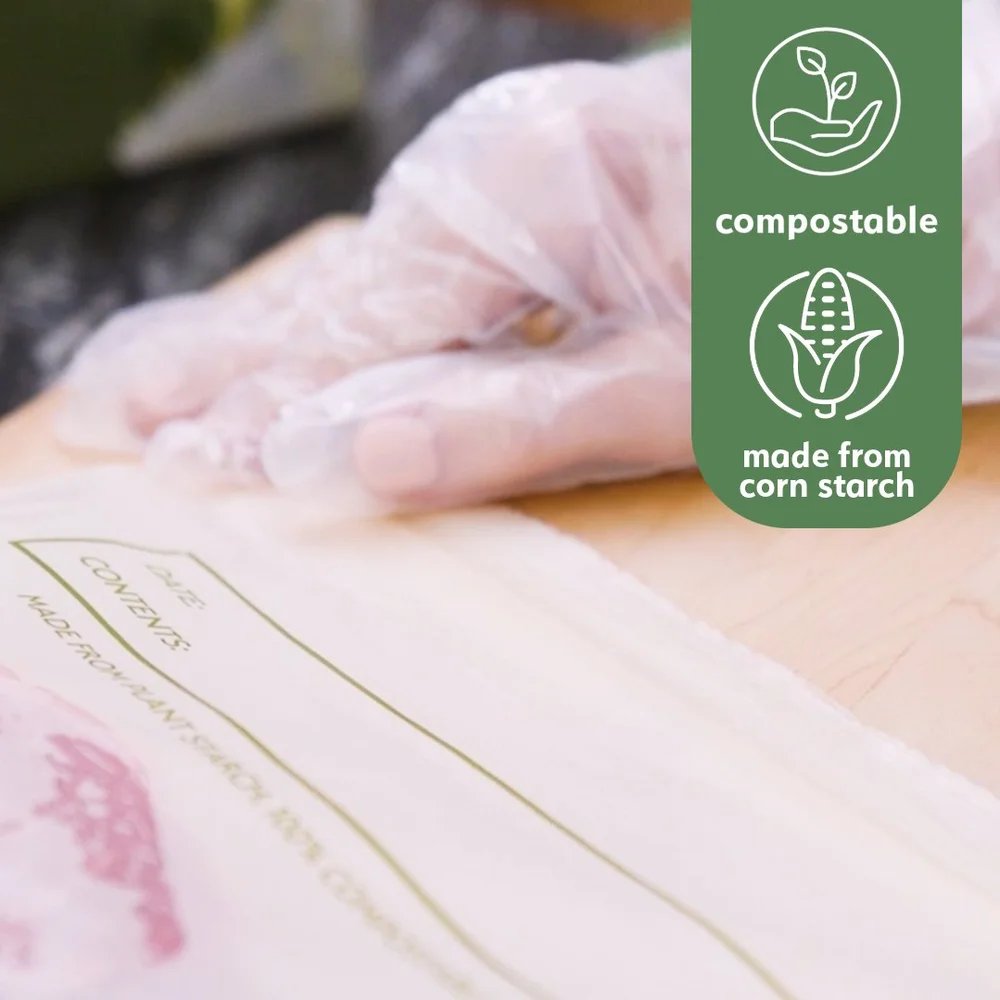
Most food prep gloves are single-use plastics. These gloves contribute to landfill waste and pollution. Look for biodegradable or compostable glove options. Avoid latex gloves if allergic reactions occur. Consider gloves made from sustainable materials. Proper disposal prevents gloves from entering waterways and harming wildlife.

Credit: www.amazon.com
Common Mistakes To Avoid With Food Prep Gloves
Using food prep gloves correctly is essential for maintaining hygiene and preventing contamination in the kitchen. However, many people make simple mistakes that can compromise food safety. Understanding these common errors can help you avoid potential health risks and get the most out of your gloves.
Reusing Disposable Gloves
Disposable gloves are designed for single use only. Reusing them can transfer bacteria and viruses from one food item to another, increasing the risk of cross-contamination.
If you touch raw meat with gloves, don’t continue handling vegetables without changing them. Always discard gloves immediately after use and wash your hands before putting on a new pair.
Have you noticed how quickly gloves get dirty or sticky? That’s a clear sign you should replace them right away.
Ignoring Allergies
Many gloves are made from latex, which can cause allergic reactions in some people. Ignoring this can lead to skin irritation, rashes, or even more serious problems.
If you or your staff have sensitive skin, opt for nitrile or vinyl gloves instead. They offer similar protection without the allergy risk.
Have you ever felt itching or redness after wearing gloves? Pay attention to these signs and switch to hypoallergenic options to protect your skin.
Using Gloves With Damaged Surfaces
Gloves with holes, tears, or worn-out areas won’t protect you effectively. Even small punctures can allow harmful bacteria to reach your hands and contaminate food.
Always inspect gloves before use. If you spot any damage, discard the pair immediately and grab a fresh one.
Have you checked your gloves lately? A quick glance can save you from serious contamination issues in the kitchen.

Credit: www.amazon.com
Frequently Asked Questions
What Materials Are Best For Food Prep Gloves?
The best food prep gloves are made from nitrile, latex, or vinyl. Nitrile offers durability and allergy-free use. Latex provides excellent flexibility but may cause allergies. Vinyl is affordable and suitable for short tasks. Choose gloves based on comfort, safety, and task needs.
How Do Food Prep Gloves Improve Kitchen Hygiene?
Food prep gloves prevent direct contact with food, reducing contamination risks. They help maintain cleanliness by blocking bacteria and allergens. Gloves also protect wounds or cuts on hands from exposing food. Using gloves ensures safer food handling and compliance with health standards.
Are Disposable Or Reusable Gloves Better For Food Prep?
Disposable gloves are ideal for single-use tasks, ensuring hygiene and preventing cross-contamination. Reusable gloves are durable and eco-friendly, suitable for prolonged food prep. The choice depends on the task, hygiene requirements, and environmental concerns. Both types protect hands and maintain food safety.
Can Food Prep Gloves Protect Against Allergens?
Yes, food prep gloves create a barrier that limits allergen transfer. Using gloves prevents contact with common allergens like nuts or seafood. Always change gloves between handling different foods to avoid cross-contamination. Proper glove use helps protect sensitive individuals and maintain food safety.
Conclusion
Choosing the best food prep gloves helps keep your hands safe and clean. They protect against germs and make cooking easier. Different gloves suit different tasks, like slicing or mixing. Look for comfort, fit, and material that works well for you.
Good gloves save time and avoid messes. Stay safe and enjoy cooking with the right gloves on your hands. Simple tools make a big difference in the kitchen.