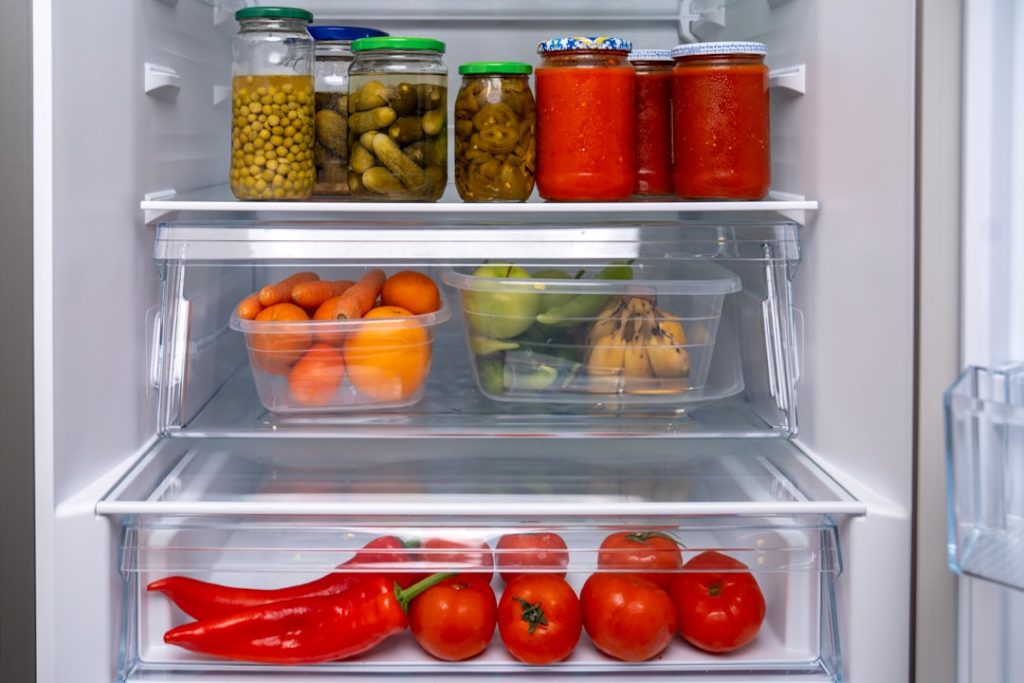
Have you ever stopped to think about how people kept their food fresh before refrigerators existed? It’s hard to imagine life without this everyday appliance that you probably take for granted.
Yet, long before the hum of a fridge filled kitchens, people had clever and surprising ways to preserve their meals. If you want to discover the fascinating tricks and simple methods that kept food safe and tasty, keep reading—you might even find ideas that could help you today!
Ancient Cooling Techniques
Before refrigerators became a household staple, people had to be creative to keep their food fresh and cool. Ancient cooling techniques were practical solutions, often relying on natural resources and clever storage methods. These methods reveal how humans adapted to their environment to protect their food from spoilage.
Using Ice And Snow
People in colder regions gathered ice and snow during winter months and stored it for use in warmer seasons. Ice was often packed into insulated pits or buried underground to slow melting. This ice was then used to chill food and drinks, much like your modern freezer.
In ancient China, ice was harvested from frozen lakes and kept in deep pits covered with straw and earth. This natural insulation maintained low temperatures for weeks. Have you ever thought about how much effort went into simply keeping food cool?
Cellars And Underground Storage
Many communities dug cellars or underground rooms to take advantage of the earth’s constant cool temperature. These spaces kept food fresher for longer by protecting it from heat and sunlight. Root vegetables, dairy, and even drinks were stored here to slow down spoilage.
In fact, some people still build underground storage today because it’s energy-efficient. The cool earth acts like a natural refrigerator. Could your home benefit from using the ground’s temperature to preserve your food?

Credit: experteditor.com.au
Drying And Dehydrating Foods
Before refrigerators, drying and dehydrating foods was a vital way to preserve them. Removing moisture stopped bacteria and mold from growing. This method extended food’s shelf life and kept it safe to eat. People used natural resources like sun, wind, and smoke to dry their food.
Sun Drying
Sun drying is one of the oldest preservation methods. People laid fruits, vegetables, and herbs in the sun. Warm air and sunlight slowly pulled out the water. This process made food lighter and easier to store.
Farmers spread thin slices of food on trays or clean cloths. The food needed to stay dry and away from insects. Sun drying worked best in hot, dry climates. It was simple and cost-free, relying only on natural heat.
Smoking Meats And Fish
Smoking helped preserve meat and fish by using smoke from burning wood. The smoke dried the food and added flavor. It also created a barrier against bacteria.
People hung meat and fish over fires or in special smokehouses. The smoke slowly removed moisture and stopped spoilage. This method allowed food to last for weeks or even months. It was a trusted way to store protein before modern refrigeration.
Salting And Curing
Before refrigerators, people used salting and curing to keep food fresh longer. These methods stopped bacteria from spoiling meat and fish. Salting pulled moisture out, making it hard for germs to grow. Curing added flavors and helped preserve food for weeks or months.
These techniques were vital for survival, especially in warm climates or during long winters. Salting and curing also created tasty dishes many cultures still enjoy today.
Salt As A Preservative
Salt is a natural preservative. It draws water out of food and bacteria by a process called osmosis. Without water, bacteria cannot grow or multiply. This slows down decay and keeps food safe to eat.
People rubbed salt directly on meat or soaked it in brine, a saltwater solution. Salt also created a dry environment, preventing mold and insects.
Curing Methods Across Cultures
Different cultures developed unique curing methods using salt. Here are some examples:
- Europe:Salted pork and ham were common. Foods like prosciutto and salt cod are famous cured products.
- Asia:Fish and meats were cured with salt and spices. Soy sauce and fermented fish sauces also used curing.
- Middle East:Salt curing mixed with drying and smoking preserved lamb and beef.
- Indigenous Peoples:Many used salt combined with sun drying and smoking to store game and fish.
These methods helped people store food safely for months. They also enhanced flavors and textures, making salted and cured foods delicious.
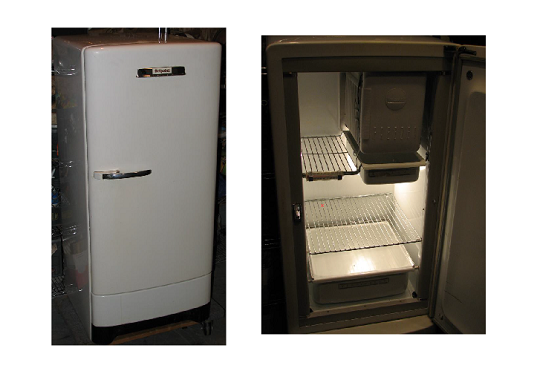
Credit: ryanfinlay.medium.com
Fermentation Methods
Before refrigerators became a household staple, people relied heavily on fermentation to keep their food safe and tasty for longer periods. Fermentation uses natural bacteria to slow down spoilage and enhance flavors, making it an ancient yet effective preservation method. Understanding how this process works can give you new ideas for preserving your own food without electricity.
Preserving With Natural Bacteria
Fermentation depends on good bacteria that feed on sugars in food, producing acids or alcohol that prevent harmful bacteria from growing. This natural process not only preserves food but also boosts its nutritional value. You might be surprised to learn that the bacteria involved are beneficial to your gut health.
People would often leave vegetables, dairy, or grains in cool, dark places to ferment slowly. This method required patience but rewarded with food that could last months or even years. Do you think you could wait days or weeks for your food to be ready?
Popular Fermented Foods
Various cultures developed unique fermented foods tailored to their local ingredients. Here are some common examples:
- Kimchi:Spicy fermented cabbage from Korea, rich in probiotics.
- Sauerkraut:Fermented cabbage popular in Europe, known for its tangy flavor.
- Kefir:A fermented milk drink, packed with beneficial bacteria.
- Pickles:Cucumbers soaked in brine that ferment over time.
These foods not only preserved nutrients but also added variety and excitement to daily meals. Have you ever tried making any fermented food yourself? It might be easier than you think and a great way to connect with history.
Using Natural Containers
Before refrigerators, people relied on natural containers to keep food fresh. These containers used materials from nature that helped protect food. They slowed down spoilage and kept items cool. Using natural containers was a smart way to store food safely. People chose containers that were easy to find and effective.
Clay Pots And Earthenware
Clay pots and earthenware were common for storing food. These containers absorbed moisture and kept food cool. They worked well in hot climates by allowing slow evaporation. This natural cooling helped preserve fruits, vegetables, and water. Clay pots were also sealed with lids to keep insects away. People trusted these pots for their simplicity and reliability.
Wax And Leaf Wrapping
Wax and leaf wrapping was another natural method for food storage. Leaves like banana or fig leaves were used to wrap food tightly. This wrapping kept air and dirt out. Wax coated fruits and cheeses to protect them from drying. Both methods helped maintain moisture and freshness. This simple technique made food last longer without modern tools.
Cooling With Water And Evaporation
Before refrigerators existed, people had to get creative with keeping their food and drinks cool. One of the simplest yet effective ways was using water and evaporation to lower temperatures naturally. These methods relied on the basic science of how water evaporates and removes heat, making them surprisingly efficient.
Pot-in-pot Refrigeration
Pot-in-pot refrigeration, also called a clay pot cooler, uses two clay pots placed one inside the other with wet sand in between. The outer pot stays wet, and as the water slowly evaporates, it cools the inner pot where food is stored.
Imagine having fresh vegetables last longer just by placing them inside this setup. People in hot, dry climates still use this technique today because it doesn’t need electricity and keeps produce fresh for days.
Could you see yourself using something like this during a power outage or camping trip? It’s a simple, practical way to keep cool without modern technology.
Evaporative Cooling Techniques
Evaporative cooling takes advantage of water’s natural tendency to absorb heat as it turns into vapor. People hung wet cloths over windows or doors, letting the breeze pass through and cool the air inside.
Another common method was storing food in containers wrapped in wet sacks placed in shaded, breezy spots. The evaporation of water from the sack kept the contents cooler than the outside air.
These techniques work best in dry climates where evaporation happens quickly. Have you ever noticed how stepping out of a pool feels cooler on a hot day? That’s evaporation at work.
Seasonal And Strategic Food Planning
Before refrigerators made cold storage simple, people had to plan their food carefully across the seasons. This meant understanding the best times to harvest and how to make the most of what was available. Strategic food planning wasn’t just smart—it was necessary for survival.
Harvest Timing
Timing the harvest was crucial. People needed to pick fruits, vegetables, and grains at their peak to ensure the best taste and longest shelf life. Harvesting too early meant less flavor and fewer nutrients; too late, and the food could spoil or attract pests.
Think about how farmers still watch the weather closely today. They know that a few warm days can speed up ripening, while unexpected frost can ruin a crop. Your own kitchen garden might benefit from this kind of attention, helping you get the best out of your harvest without rushing or waiting too long.
Preserving Surplus Foods
Once the harvest was in, the challenge was to keep the surplus edible for months. People used several clever methods to do this, relying on what nature and tradition offered.
- Drying:Foods like herbs, fruits, and meats were dried in the sun or smoke to remove moisture and stop spoilage.
- Salting and Curing:Salt drew out moisture and created an environment hostile to bacteria, especially for meats and fish.
- Fermentation:Sauerkraut, kimchi, and pickles were common because fermentation preserved food and added beneficial bacteria.
- Root Cellars:These underground spaces kept vegetables cool and humid, slowing decay without freezing.
Have you ever tried drying your own herbs or making pickles at home? These simple techniques connect you to centuries of food wisdom and help reduce waste. Next time you have extra produce, think about how you can preserve it instead of tossing it out.

Credit: www.youtube.com
Frequently Asked Questions
How Did People Keep Food Fresh Without Refrigerators?
People used iceboxes, cool cellars, and underground pits to store food. Salt, smoke, and fermentation also preserved perishables effectively.
What Natural Methods Preserved Food Before Refrigeration?
Salting, smoking, drying, and fermenting were common. These methods prevented bacteria growth and extended food shelf life naturally.
How Did Iceboxes Work Before Modern Refrigerators?
Iceboxes used large blocks of ice to cool food compartments. Melting ice absorbed heat, keeping food cold for days.
Were Root Cellars Effective For Food Storage?
Yes, root cellars maintained cool, stable temperatures. They kept vegetables fresh by slowing decay and preserving moisture.
Conclusion
Life before refrigerators relied on clever food preservation methods. People used iceboxes to keep food cool. Salting and smoking were common to preserve meat. Fermentation helped in keeping vegetables longer. Root cellars stored produce in cooler temperatures. Drying fruits was another method to extend shelf life.
These techniques showed human ingenuity. They ensured food availability all year round. Today, modern refrigeration offers convenience. Yet, understanding past methods enriches our appreciation for technology. It reminds us of the innovative spirit of our ancestors. The journey from iceboxes to fridges is fascinating.
A testament to human adaptation and progress.