Are you unsure which food storage containers are truly safe for you and your family? Choosing the right containers can protect your meals from harmful chemicals and keep your food fresh longer.
But with so many options out there, how do you know which ones won’t put your health at risk? You’ll discover simple, clear answers to help you pick safe food storage containers every time. Keep reading to protect your food—and your well-being—starting now.
Types Of Food Storage Containers
Choosing the right food storage container can make a big difference in preserving your food’s freshness and safety. Different materials offer unique benefits and drawbacks. Understanding these can help you decide what fits best in your kitchen and lifestyle.
Plastic Containers
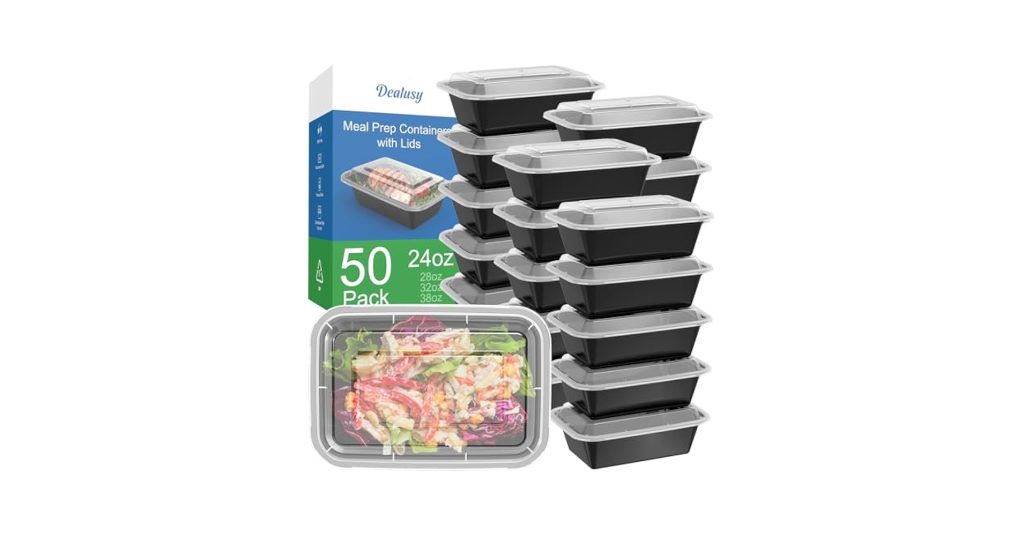
Plastic containers are lightweight and often affordable. Look for BPA-free labels to avoid harmful chemicals leaching into your food. While convenient, some plastics can stain or retain odors, so consider how you’ll use and clean them.
Glass Containers
Glass containers are durable and don’t absorb odors or stains. They are great for microwaving and oven use, making reheating easy. However, they can break if dropped, so handle them with care.
Metal Containers
Metal containers, especially stainless steel, are sturdy and long-lasting. They don’t stain or hold odors, but they are not microwave-safe. They’re perfect for packed lunches or dry goods.
Silicone Containers
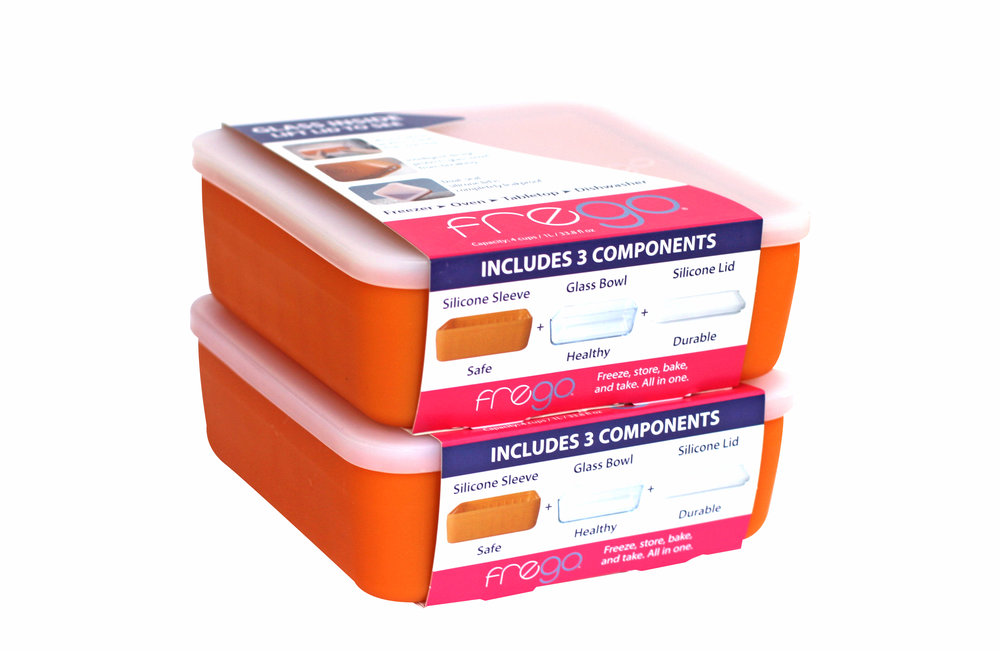
Silicone is flexible, lightweight, and heat-resistant. These containers often collapse for easy storage, saving space in your kitchen. They’re also dishwasher-safe and safe for freezing, making them very versatile.
Ceramic Containers
Ceramic containers offer a stylish option for food storage and serving. They are microwave and oven-safe but can chip or crack if handled roughly. Their non-porous surface helps keep food fresh without absorbing flavors.
Health Risks Of Unsafe Containers
Using the wrong food storage containers can harm your health in ways you might not expect. Unsafe containers often release harmful substances or foster dangerous bacteria that can spoil your food and affect your well-being. Understanding these risks helps you make smarter choices for storing your meals safely.
Chemical Leaching
Certain plastic containers contain chemicals like BPA or phthalates that can leach into your food, especially when heated. These chemicals disrupt hormones and may increase the risk of health problems such as cancer or fertility issues.
Have you ever noticed a strange smell or taste after microwaving food in plastic? That’s a sign chemicals might be seeping into your meal. Choosing BPA-free or glass containers can reduce this risk significantly.
Bacterial Contamination
Cracked or scratched containers provide hiding spots for bacteria that regular washing can’t eliminate. Using damaged containers can lead to contamination, causing foodborne illnesses.
Even if the food looks fine, bacteria can multiply in tiny crevices, making you sick later. Regularly inspect your containers and replace any that show wear to keep your food safe.
Allergic Reactions
Some containers may have residues from previous foods or cleaning agents, triggering allergic reactions in sensitive individuals. Cross-contamination can happen if containers aren’t cleaned thoroughly or shared between different types of food.
If you or someone in your family has allergies, it’s crucial to use separate containers and clean them carefully. Have you checked if your current storage habits might be putting you at risk?
Safe Plastic Containers To Use
Glass and BPA-free plastic containers are safe choices for storing food. Avoid containers with harmful chemicals to keep food fresh and healthy. Choose containers labeled as food-safe for best results.
Choosing the right food storage containers is essential for ensuring the safety and freshness of your meals. Not all plastics are created equal, and using the wrong type could expose your food to harmful chemicals. It’s crucial to know which plastic containers are safe for storing your food. Let’s explore some key features to look for in safe plastic containers.Bpa-free Plastics
BPA, or Bisphenol A, is a chemical used in producing certain plastics and resins. Studies have shown that BPA can seep into food or beverages from containers made with this chemical, potentially causing health issues. Opt for BPA-free plastics to minimize this risk. Many manufacturers now label their products as BPA-free, making it easier for you to choose safer options. Next time you’re shopping, check the label to ensure the containers are free from this chemical.Food-grade Plastics
Food-grade plastics are specifically designed to be safe for food contact. These plastics have been rigorously tested to ensure they don’t release harmful substances into your food. Look for containers labeled as food-grade to ensure you’re choosing the safest option. These containers are not only safe but also durable and designed to withstand multiple uses. They’re often used in professional kitchens, which speaks volumes about their safety and reliability.Recycling Codes To Know
Understanding recycling codes can help you identify which plastics are safer for food storage. These codes, usually found at the bottom of the container, range from 1 to 7. – 1 (PETE or PET): Generally safe for single use, often found in water bottles. – 2 (HDPE): Considered safe and is used for milk jugs and juice bottles. – 4 (LDPE): Used in bread bags and is safe for storing food. – 5 (PP): Microwave safe and used for yogurt containers, making it a reliable choice. Avoid containers with recycling code 3 (PVC) and 7 (Other), as they may contain harmful chemicals. Do you often check recycling codes before purchasing containers? It’s a simple habit that can make a big difference in your food safety. By understanding these aspects, you can confidently select the right plastic containers for your food storage needs, ensuring both safety and peace of mind.
Credit: www.ebay.com
Benefits Of Glass And Metal Containers
Glass and metal containers offer many benefits for food storage. They keep food fresh and safe without harmful chemicals. These containers last long and handle different temperatures well. Many people trust them for everyday kitchen use.
Durability And Safety
Glass containers resist scratches and stains. Metal containers, like stainless steel, do not break easily. Both materials do not absorb odors or colors from food. They keep food safe without leaking chemicals.
Temperature Resistance
Glass can go from freezer to oven without damage. Metal containers handle high heat and cold well. Both types work great for reheating food. They stay strong even after many uses.
Non-toxic Properties
Glass is made from natural materials and is free of BPA. Metal containers usually have no harmful coatings. They do not release toxins into your food. This makes them a healthy choice for storage.
Tips For Maintaining Container Safety
Keeping your food storage containers safe is more than just choosing the right type; how you care for them matters just as much. Maintaining container safety ensures your food stays fresh and free from harmful chemicals. It also helps your containers last longer, saving you money and reducing waste.
Proper Cleaning Techniques
Cleaning your containers thoroughly prevents bacteria buildup and odors. Use warm, soapy water and a soft sponge to avoid scratching the surface. Scratches can harbor germs and cause chemicals to leach into your food.
For stubborn stains or smells, try a mixture of baking soda and water or white vinegar. Avoid harsh cleaners or bleach, as they can degrade plastic or glass over time. Rinse well and let containers air dry completely before storing them.
Avoiding Heat Damage
Heat can warp plastic containers and release harmful chemicals. Never microwave plastic containers unless they are labeled microwave-safe. Even then, avoid high temperatures and prolonged heating.
Keep containers away from direct sunlight and hot stoves. If you need to store hot food, let it cool first before placing it inside. Using heat-resistant glass or stainless steel containers is a safer option for hot dishes.
Replacing Worn Containers
Check your containers regularly for cracks, discoloration, or persistent odors. These signs mean the container may no longer be safe. Using damaged containers can risk food contamination or chemical exposure.
Replace worn-out containers promptly. Investing in good-quality containers initially can save you hassle later. Ask yourself: Is this container still serving its purpose safely, or is it time for a fresh start?
Choosing Containers For Different Foods
Choosing the right food storage containers depends on the type of food stored. Different foods need different materials to stay fresh and safe. Using the wrong container can affect taste and cause health risks. Understanding which containers suit certain foods helps keep food fresh longer and avoids damage to containers.
Acidic Foods
Acidic foods like tomatoes, citrus, and vinegar can react with some containers. Avoid metal containers that can corrode or change the taste. Glass and food-grade plastic containers are best for acidic foods. These materials do not react and keep food safe.
Hot Foods
Hot foods need containers that handle heat without melting or releasing chemicals. Use heat-safe glass or silicone containers. Avoid plastic containers not marked microwave-safe. Let hot food cool slightly before storing to protect the container and food quality.
Frozen Foods
Freezing food requires containers that resist cracking and freezer burn. Look for thick plastic or glass containers with airtight lids. Containers should be flexible to handle cold temperatures without breaking. Label containers clearly to avoid keeping food too long in the freezer.
Eco-friendly Storage Container Options
Eco-friendly storage containers offer a green way to keep food fresh. These containers reduce waste and help protect the planet. They come in many forms, made from safe and natural materials. Choosing the right container can lower your carbon footprint and support sustainability.
Sustainable Materials
Sustainable storage containers use materials that are renewable and safe. Bamboo, glass, and stainless steel are popular choices. Bamboo grows quickly and is strong. Glass does not absorb smells or stains, making it reusable many times. Stainless steel is durable and recyclable. These materials avoid plastic toxins and last longer.
Reusable Alternatives
Reusable containers cut down on single-use plastic waste. Silicone bags and beeswax wraps replace disposable plastic bags. Silicone is flexible, easy to clean, and safe for food. Beeswax wraps are natural and can be washed and reused. Using these options saves money and reduces trash.
Biodegradable Choices
Biodegradable containers break down naturally in the environment. Materials like cornstarch, wheat straw, and sugarcane fiber are common. These containers compost quickly and do not leave harmful residues. They are good for short-term food storage and help reduce landfill waste.

Credit: www.amazon.com
Credit: fregoliving.com
Frequently Asked Questions
What Materials Are Safest For Food Storage Containers?
Glass, stainless steel, and BPA-free plastics are safest. They don’t leach harmful chemicals into food. Avoid containers with PVC or BPA for better health.
Can Plastic Containers Affect Food Safety?
Yes, some plastics release harmful chemicals. Choose BPA-free, food-grade plastics marked with recycling codes 1, 2, 4, or 5 for safe use. Avoid heating food in unsafe plastics.
Are Glass Containers Better Than Plastic For Storage?
Glass containers are non-toxic, durable, and don’t absorb odors. They are safer for hot foods and microwaving. However, they are heavier and can break more easily than plastic.
How To Identify Microwave-safe Food Containers?
Look for a microwave-safe label or symbol on the container. Containers made of glass or BPA-free plastic are usually safe. Avoid metal and some plastics that can melt or release toxins.
Conclusion
Choosing safe food storage containers protects your health and food quality. Glass and BPA-free plastics are good options. Avoid containers with harmful chemicals like BPA and phthalates. Check labels carefully before buying any container. Clean containers regularly to keep food fresh and safe.
Safe storage helps prevent food contamination and waste. Small changes in container choice make a big difference. Keep your family healthy by using safe storage solutions. Simple steps create safer meals every day.