Are you curious about how to eat healthier without complicated diets or confusing rules? The Paleo diet might be exactly what you need.
It focuses on simple, natural foods that your body recognizes and loves. But what exactly are Paleo diet recipes, and how can they fit into your daily meals? Keep reading, and you’ll discover easy, delicious recipes that can transform your eating habits and boost your energy.
This isn’t just another diet—it’s a way to enjoy real food while feeling your best. Ready to find out more? Let’s dive in!
Basics Of The Paleo Diet
The Paleo diet is based on eating foods similar to those eaten by early humans. It focuses on whole, natural foods and avoids processed items. This diet aims to improve health by returning to simpler eating habits. Understanding the basics helps you follow the Paleo diet effectively.
Core Principles
- Eat whole, unprocessed foods
- Choose natural meats and fresh vegetables
- Avoid grains, dairy, and processed sugars
- Focus on nutrient-rich foods
- Maintain balanced meals with protein, fat, and fiber
Foods To Eat
- Lean meats like beef, chicken, and pork
- Fresh fruits and vegetables
- Fish and seafood
- Nuts and seeds
- Healthy fats like olive oil and coconut oil
- Eggs
Foods To Avoid
- Grains such as wheat, rice, and oats
- Dairy products
- Processed foods and sugars
- Legumes including beans and peanuts
- Refined vegetable oils
- Artificial additives and preservatives
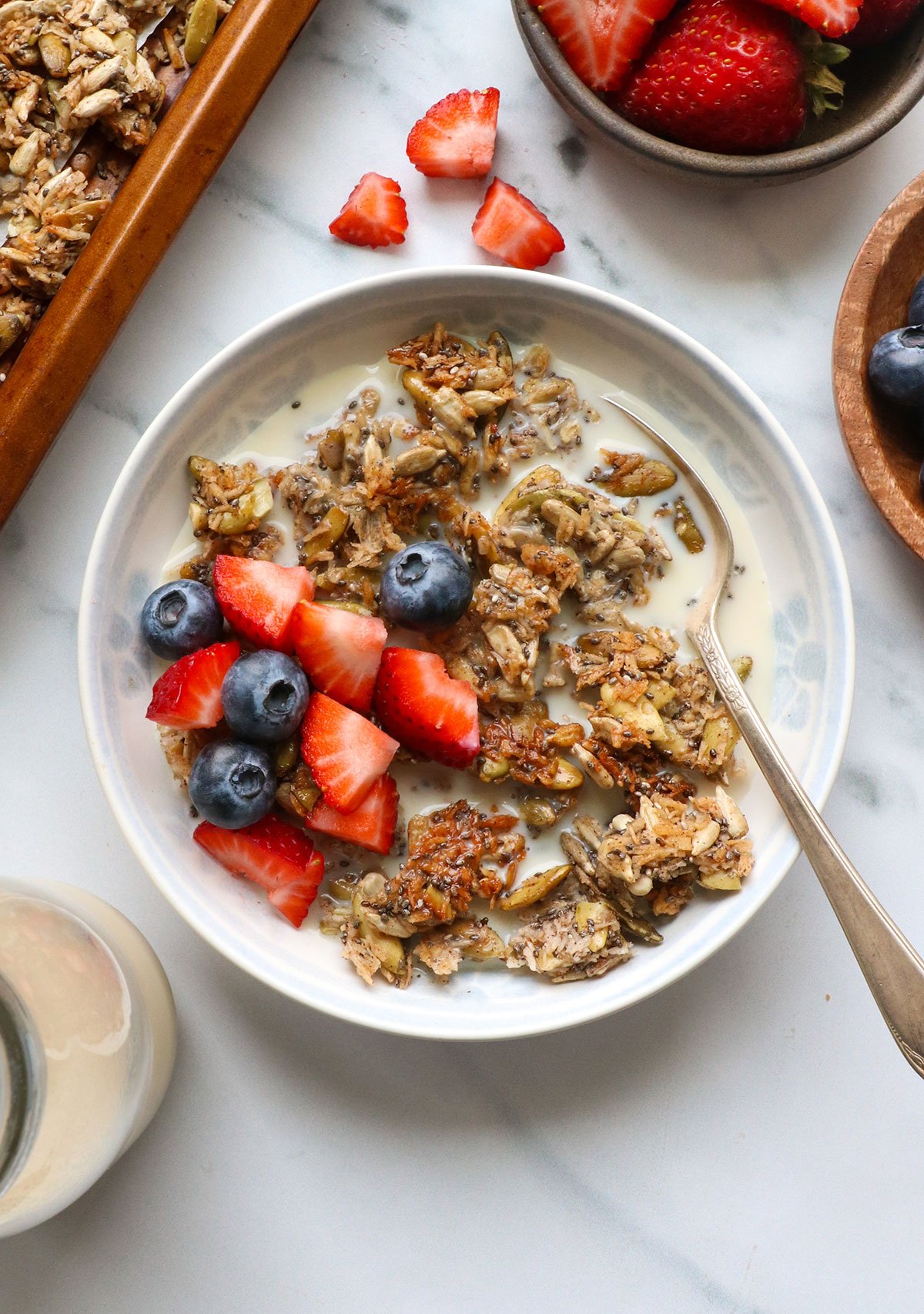
Credit: detoxinista.com
Benefits Of Paleo Recipes
Paleo diet recipes focus on eating whole, natural foods similar to those of early humans. They include fresh fruits, vegetables, nuts, seeds, and lean meats. This style of eating avoids processed foods, grains, and dairy. Many people enjoy Paleo recipes because of the clear benefits they offer.
Health Improvements
Paleo recipes often lead to better digestion and fewer stomach issues. The diet cuts out processed sugars and unhealthy fats. This can reduce inflammation and improve heart health. Eating whole foods also helps balance blood sugar levels. Many people find clearer skin and stronger immune systems.
Weight Management
Paleo meals are rich in protein and fiber, which promote fullness. This helps reduce overeating and unhealthy snacking. The diet focuses on nutrient-dense foods that support healthy metabolism. Many find it easier to lose weight or maintain a healthy weight. Balanced meals keep hunger at bay for longer periods.
Increased Energy
Natural foods in Paleo recipes provide steady energy throughout the day. They avoid sugar spikes and crashes common with processed foods. Nutrients from fresh fruits and vegetables improve brain function and mood. Many report feeling more alert and focused. Increased energy helps with daily tasks and exercise.
Easy Paleo Breakfast Ideas
Embracing the Paleo diet doesn’t mean giving up delicious breakfasts. It focuses on wholesome ingredients that our ancestors would have eaten. These easy Paleo breakfast ideas are nutritious and simple to prepare. They fit perfectly into a busy lifestyle.
Quick And Nutritious Options
Start your day with a burst of energy. Try scrambled eggs with spinach and tomatoes. This dish takes under 10 minutes to make. Or enjoy a fresh fruit salad with a handful of nuts. It’s refreshing and full of vitamins.
- Avocado and smoked salmon on sweet potato slices
- Banana pancakes made with almond flour
- Smoothie with coconut milk, berries, and chia seeds
Make-ahead Recipes
Prepare meals in advance to save time. Overnight chia pudding is a great option. Mix chia seeds with almond milk and let it sit overnight. Add berries in the morning for a sweet touch.
- Egg muffins with veggies and bacon
- Breakfast casserole with sausage and mushrooms
- Nutty granola bars with honey and coconut flakes
Delicious Paleo Lunch Recipes
Delicious Paleo lunch recipes bring variety and satisfaction to your midday meals without sacrificing nutrition. They focus on fresh ingredients that fuel your body while keeping you full and energized. Whether you prefer vibrant salads or hearty bowls, Paleo lunches offer endless options that are both tasty and easy to prepare.
Fresh And Filling Meals
Think beyond plain salads. Combine crisp leafy greens with grilled chicken, avocado slices, and a handful of nuts to create a lunch that keeps hunger away. Adding colorful veggies like bell peppers and cherry tomatoes boosts flavor and nutrients.
Try mixing sweet potatoes or butternut squash with your protein for a natural source of energy. A simple drizzle of olive oil and lemon juice can make any dish pop with freshness.
Have you noticed how a well-balanced meal changes your afternoon productivity? Fresh and filling Paleo lunches can help you avoid that sluggish feeling after eating.
Simple Meal Prep Tips
Preparing Paleo lunches ahead saves time and stress during busy days. Roast a batch of vegetables and protein at the start of the week to mix and match for different meals.
Keep pre-washed salad greens and chopped veggies in clear containers for quick assembly. Use mason jars to layer ingredients for grab-and-go options.
- Cook extra portions of meat or fish to use in various recipes.
- Store homemade Paleo dressings separately to keep salads fresh.
- Freeze cooked sweet potatoes or squash in individual portions for convenience.
By organizing your ingredients, you turn Paleo lunches from a chore into an enjoyable part of your day. What simple changes can you make today to improve your lunchtime routine?
Healthy Paleo Dinner Options
Healthy Paleo dinner options focus on simple, natural ingredients that fuel your body without extra additives. Dinner is a great time to enjoy meals that feel satisfying yet keep you aligned with Paleo principles. You can make dishes that are both hearty and nourishing, perfect for ending your day on a high note.
Protein-packed Dishes
Protein is the cornerstone of a Paleo dinner. Think beyond the usual chicken breast and try grass-fed beef, wild-caught salmon, or free-range turkey. These options provide essential nutrients and keep your energy steady.
Consider making a seared salmon with lemon and herbs or grilled steak with garlic and rosemary. Adding bone broth or organ meats can boost the nutrient profile without complicating your meal. Have you tried mixing different proteins to keep your dinners exciting?
Vegetable-rich Plates
Vegetables are more than just side dishes in the Paleo world—they’re the stars. Roasted root vegetables like sweet potatoes and carrots bring natural sweetness and fiber to your plate. Leafy greens like spinach or kale add crunch and a vitamin boost.
Try combining colorful veggies in a stir-fry with coconut oil and fresh ginger. Or bake a tray of mixed vegetables with herbs and olive oil for a simple, tasty dish. How often do you experiment with new vegetables to keep your meals vibrant and healthy?

Credit: everydaydishes.com
Snack And Dessert Ideas
Snack and dessert options on the Paleo diet focus on natural ingredients that fuel your body. These recipes avoid processed sugars and grains. Instead, they rely on whole foods to keep energy levels steady. Simple snacks and desserts can satisfy cravings without breaking Paleo rules.
Natural Energy Boosters
Snacks that provide a quick energy lift come from nuts, seeds, and fruits. These foods offer healthy fats and natural sugars. Try these options for an easy boost:
- Almonds or walnuts mixed with dried berries
- Fresh apple slices with almond butter
- Hard-boiled eggs with a pinch of sea salt
- Carrot sticks dipped in guacamole
- Homemade trail mix with coconut flakes and pumpkin seeds
These snacks are simple, portable, and keep hunger away.
Sweet Treats Without Guilt
Desserts on the Paleo diet use natural sweeteners like honey or maple syrup. They avoid refined sugar and artificial flavors. Try these guilt-free treats:
- Baked bananas with cinnamon and crushed nuts
- Coconut milk chia pudding sweetened with honey
- Dark chocolate made with at least 70% cacao
- Fresh berries topped with shredded coconut
- Frozen fruit pops made from pureed mango or pineapple
These desserts satisfy sweet cravings while keeping Paleo principles intact.
Tips For Successful Paleo Cooking
Cooking Paleo recipes can be simple and enjoyable with the right tips. Choosing the right ingredients and planning meals saves time and stress. These ideas help keep meals tasty and on track with Paleo rules. Use these tips to make your Paleo cooking smooth and fun.
Ingredient Swaps
Some common ingredients are not allowed in Paleo. Swap these for healthy alternatives to keep recipes Paleo-friendly.
- Use almond or coconut flour instead of wheat flour.
- Replace sugar with natural sweeteners like honey or maple syrup.
- Choose coconut oil or avocado oil instead of vegetable oils.
- Use cauliflower rice instead of regular rice.
- Swap dairy milk with almond or coconut milk.
These swaps keep meals healthy and close to original flavors.
Batch Cooking Strategies
Cook large portions and store meals to save time during busy days. This makes eating Paleo easier and less stressful.
- Prepare big batches of soups, stews, or roasted vegetables.
- Use airtight containers to keep food fresh in the fridge or freezer.
- Cook proteins like chicken or beef in bulk and portion them.
- Chop vegetables ahead and store for quick cooking.
- Plan meals for the week to avoid last-minute decisions.
Batch cooking helps maintain a Paleo lifestyle with less effort daily.

Credit: www.cookedandloved.com
Common Mistakes To Avoid
Starting a Paleo diet can be exciting, but it’s easy to slip up if you’re not careful. Many people make avoidable mistakes that slow down their progress or cause frustration. Understanding these common pitfalls helps you stay on track and enjoy the full benefits of Paleo eating.
Hidden Non-paleo Ingredients
Not all Paleo-friendly foods are obvious at first glance. Many processed snacks or sauces hide ingredients like soy, sugar, or dairy, which don’t fit the Paleo rules.
Always check labels carefully. You might think a salad dressing is safe, but it could contain additives like maltodextrin or modified starch. These small ingredients can add up and derail your efforts.
Try making your own sauces and dressings at home. This way, you control what goes in, and you avoid accidental cheats. What’s one ingredient you often overlook that might sneak into your Paleo meals?
Overlooking Nutritional Balance
Eating Paleo doesn’t mean just focusing on meat and veggies. It’s easy to miss important nutrients if you don’t plan your meals well.
Some people lean too heavily on protein and forget about healthy fats and fiber-rich vegetables. This imbalance can lead to energy dips and digestive issues.
Make sure your plate includes a variety of colors and textures. Add nuts, seeds, and plenty of leafy greens to keep your body nourished. How diverse is your typical Paleo meal?
Frequently Asked Questions
What Foods Are Included In Paleo Diet Recipes?
Paleo diet recipes include lean meats, fish, fruits, vegetables, nuts, and seeds. They avoid processed foods, grains, and dairy to mimic early human diets.
How Do Paleo Recipes Support Weight Loss?
Paleo recipes focus on whole, unprocessed foods, which reduce calorie intake. High protein and fiber in these meals promote fullness and boost metabolism, aiding weight loss.
Can Paleo Diet Recipes Improve Digestion?
Yes, Paleo recipes emphasize fiber-rich fruits and vegetables. Avoiding processed foods and grains reduces gut irritation, which supports better digestion and gut health.
Are Paleo Diet Recipes Suitable For Athletes?
Yes, Paleo recipes provide essential nutrients and protein for muscle repair. They enhance energy levels and reduce inflammation, making them ideal for active lifestyles.
Conclusion
Paleo diet recipes focus on fresh, whole foods from nature. They avoid processed items and added sugars. Meals often include meat, vegetables, nuts, and fruits. This way of eating can support better health and energy. Many people find it easy to prepare simple, tasty dishes.
Trying Paleo recipes can bring variety to your meals. You get to enjoy natural flavors and feel satisfied. Start with a few easy recipes and see how you feel. A healthy diet doesn’t have to be complicated or boring.