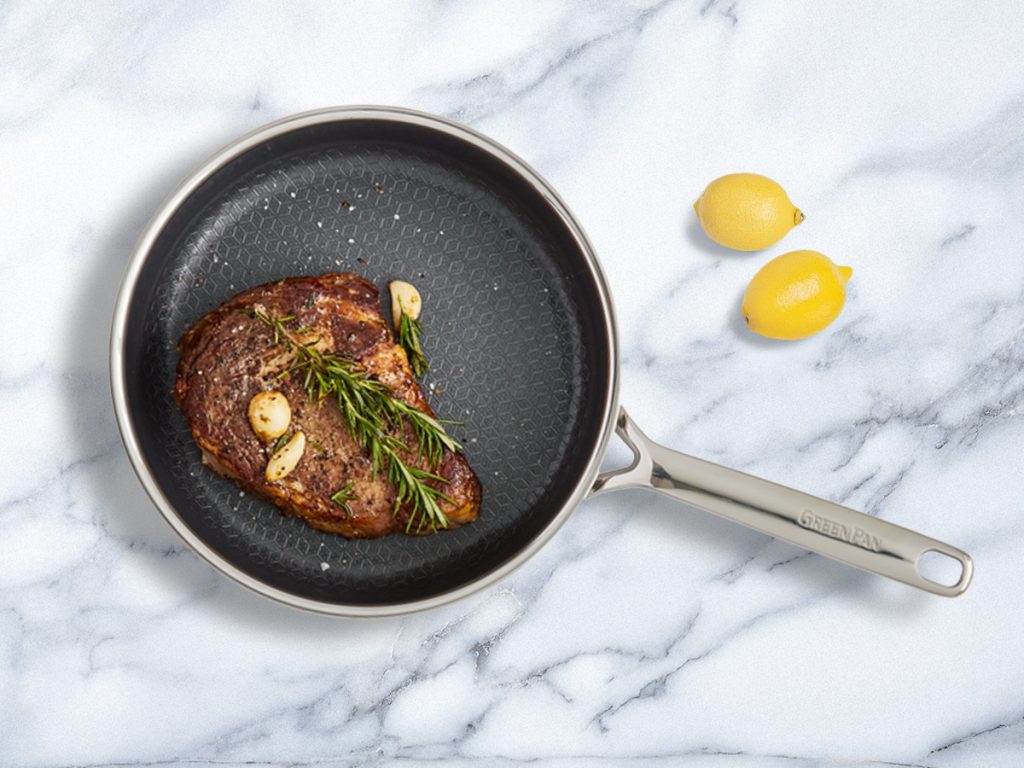
When it comes to cooking the perfect steak, your choice of frying pan can make all the difference. You want a pan that heats evenly, locks in juices, and gives your steak that irresistible sear.
But with so many options out there, how do you know which one is right for you? You’ll discover the best frying pans that can help you cook steak like a pro—right in your own kitchen. Keep reading, and soon you’ll be turning out steaks that impress every time.

Credit: www.youtube.com
Types Of Frying Pans
Choosing the right frying pan is key to cooking a perfect steak. Different pans bring different benefits. Knowing the types helps you pick the best one for your kitchen. Each pan heats and cooks steaks in unique ways. This affects the flavor, texture, and overall result.
Cast Iron Pans
Cast iron pans are heavy and strong. They hold heat very well. This makes them great for searing steaks. The even heat helps create a crispy crust. Over time, the pan develops a natural non-stick surface. It needs seasoning to keep it in good shape. Cast iron pans work well on all heat sources.
Stainless Steel Pans
Stainless steel pans are durable and easy to clean. They heat quickly and evenly. These pans can handle high temperatures without warping. They don’t have a non-stick coating, so food may stick. Using enough oil helps prevent sticking. Stainless steel pans give a nice brown crust on steaks.
Non-stick Pans
Non-stick pans have a smooth coating that stops food from sticking. They are easy to clean and cook with less oil. These pans work best for delicate foods, not high-heat searing. High heat can damage the coating. Non-stick pans may not create the same crust as cast iron or stainless steel.
Carbon Steel Pans
Carbon steel pans are lighter than cast iron but just as strong. They heat up fast and hold heat well. These pans develop a natural non-stick surface after seasoning. Carbon steel is perfect for quick searing and high heat cooking. They require care to avoid rust, similar to cast iron.

Credit: argentineasado.com
Key Features For Steak Cooking
Choosing the right frying pan for cooking steak matters a lot. The pan’s features affect how your steak cooks and tastes. Some features help cook the steak evenly. Others make the pan last longer and easy to clean. Focus on these key features to find the best pan for steak.
Heat Retention And Distribution
A good steak pan holds heat well. It keeps a steady temperature during cooking. This helps sear the steak perfectly on the outside. Even heat spread avoids hot spots. No uneven cooking or burnt parts. Cast iron and heavy stainless steel pans excel here.
Surface Texture
The pan surface affects steak searing. A smooth, non-stick surface makes flipping easy. A textured or ridged surface creates grill marks. These marks add flavor and appeal. Choose a surface that matches your cooking style and steak preference.
Durability
Steak pans face high heat and heavy use. Durable materials resist warping and scratches. Cast iron lasts decades if cared for well. Stainless steel is tough and resists corrosion. Avoid pans with fragile coatings that peel or chip.
Maintenance And Cleaning
Simple cleaning saves time and effort. Some pans need seasoning like cast iron. Others clean easily with soap and water. Avoid pans that require special cleaners or tools. Dishwasher-safe pans add convenience, but check if it affects pan life.
Top Frying Pans In 2025
Choosing the best frying pan for steak means finding one that heats evenly and retains high heat. Cast iron pans often deliver a perfect sear and rich flavor. Non-stick options can also work well for easy cooking and cleaning.
Cooking the perfect steak is an art, and choosing the right frying pan can make all the difference. As 2025 unfolds, the market is brimming with innovative pans, each promising to elevate your steak-cooking game. Whether you prefer the classic appeal of cast iron or the modern convenience of non-stick, there’s a pan waiting to be your kitchen companion. Let’s dive into the top frying pans of 2025 and discover which one deserves a spot in your culinary arsenal.Best Cast Iron Pan
Cast iron pans are timeless classics that have won the hearts of cooks worldwide. Their ability to retain heat ensures a perfectly seared steak. In 2025, the Lodge Pre-Seasoned Cast Iron Skillet continues to be a favorite. Its rugged durability and unbeatable heat retention make it a staple in kitchens. Have you tried cooking steak in a cast iron pan? The crispy crust you achieve is unmatched. Plus, cast iron pans are versatile, allowing you to transition from stove to oven effortlessly.Best Stainless Steel Pan
Stainless steel pans are the workhorses of the kitchen. Known for their durability and sleek appearance, they offer a professional touch. The All-Clad Stainless Steel Fry Pan is a standout in 2025, providing even heat distribution and a reliable cooking surface. Stainless steel pans are perfect for achieving a golden-brown sear on your steak. But remember, these pans require oil to prevent sticking. Have you mastered the art of cooking with stainless steel?Best Non-stick Pan
For those who prioritize convenience, non-stick pans are a lifesaver. The T-fal Professional Non-Stick Fry Pan has been making waves in 2025. Its easy-to-clean surface and uniform heat distribution make it ideal for those quick steak dinners. Non-stick pans are excellent for hassle-free cooking, but they need careful handling to avoid scratching. Are you careful with your non-stick pans, ensuring their longevity?Best Carbon Steel Pan
Carbon steel pans offer a unique blend of cast iron’s heat retention and stainless steel’s lightweight design. The Matfer Bourgeat Carbon Steel Fry Pan is a top pick in 2025, praised for its versatility and ability to develop a natural non-stick patina over time. Carbon steel pans are perfect for achieving a restaurant-style steak. They require seasoning, much like cast iron. Have you explored the depths of flavor a carbon steel pan can bring to your steak?Comparing Price And Performance
Choosing the best frying pan for steak involves balancing price and performance. A good pan should heat evenly and create a nice sear. At the same time, it should fit your budget. Different pans offer various features and benefits depending on their price. Understanding the options helps you pick the right one for your kitchen.
Budget-friendly Options
These pans cost less but still cook steak well. Most are non-stick or simple stainless steel. They heat quickly and clean easily. Ideal for beginners or occasional cooks. Some may not last as long or handle very high heat.
- Non-stick coatings prevent meat from sticking.
- Lightweight and easy to handle.
- Affordable and widely available.
Mid-range Picks
Mid-range pans offer better materials and durability. Usually made from thicker stainless steel or cast iron. They hold heat well for a perfect sear. These pans often have an aluminum core for even heating. Great for regular steak cooking without overspending.
- Heavier and more stable on the stove.
- Can withstand higher temperatures.
- More even cooking surface.
Premium Choices
Premium pans provide top performance and long life. Often made of high-quality cast iron or copper. They deliver consistent heat and excellent searing. Some have special coatings or multi-layer construction. Best for serious cooks who want perfect steak every time.
- Superior heat retention and distribution.
- Durable and designed to last decades.
- Usually require more care and maintenance.
Tips For Cooking Steak Perfectly
Cooking the perfect steak requires more than just a good frying pan. Careful steps during preparation and cooking make a big difference. These tips help you get a juicy and tasty steak every time.
Preheating The Pan
Always preheat your pan before adding the steak. A hot pan creates a nice crust and seals the juices inside. Heat the pan on medium-high for several minutes. Test by flicking a few drops of water; they should sizzle and evaporate quickly.
Seasoning And Oil Choices
Season the steak well with salt and pepper. Use coarse salt for better flavor. Choose an oil with a high smoke point, like canola or avocado oil. Apply a thin layer of oil to the pan or the steak. Avoid butter at this stage to prevent burning.
Cooking Times And Techniques
Cook the steak without moving it for a few minutes. This helps develop a brown crust. Flip the steak once using tongs. Use this rough guide for cooking times:
| Steak Thickness | Rare | Medium | Well Done |
|---|---|---|---|
| 1 inch | 2-3 min each side | 4 min each side | 5-6 min each side |
| 1.5 inches | 3-4 min each side | 5 min each side | 6-7 min each side |
Adjust heat if the steak browns too fast or too slow. Use a meat thermometer for accuracy:
- Rare: 120-130°F (49-54°C)
- Medium: 140-150°F (60-65°C)
- Well Done: 160°F+ (71°C+)
Resting The Steak
Rest the steak on a plate for 5-10 minutes after cooking. This lets juices redistribute inside. Cover it loosely with foil to keep warm. Cutting too soon loses the flavorful juices and dries out the meat.

Credit: argentineasado.com
Common Mistakes To Avoid
Mastering steak cooking starts with avoiding common mistakes that can ruin your meal even if you have the best frying pan. These errors not only affect the steak’s texture and flavor but also shorten the life of your pan. Let’s look at three key mistakes to avoid so your pan performs at its best and your steak turns out perfectly every time.
Overcrowding The Pan
Adding too many steaks at once lowers the pan’s temperature quickly. This prevents a good sear and causes the meat to steam rather than fry. Have you ever noticed your steak coming out gray and soggy instead of crispy and brown? That’s overcrowding in action.
Cook in batches if needed. Give each piece enough space to breathe and brown evenly. This small step makes a huge difference in flavor and texture.
Using The Wrong Heat Level
Steak needs high heat to develop a rich crust, but too high can burn the outside while leaving the inside raw. Too low, and you won’t get that satisfying sear. Finding the right heat balance is key.
Start with medium-high heat and adjust as you go. Does your pan smoke excessively or your steak stick? Both are signs to tweak your temperature. Experimentation here pays off.
Neglecting Pan Maintenance
A well-maintained pan cooks better and lasts longer. Residue buildup or scratched surfaces can cause uneven cooking and sticking. Have you ever struggled to flip a steak because it stuck badly to the pan? That’s a maintenance issue.
Clean your pan thoroughly after each use and season it if it’s cast iron. Avoid harsh scrubbing on non-stick surfaces. Treating your pan right keeps your steak and your cooking experience top-notch.
Frequently Asked Questions
What Type Of Frying Pan Is Best For Cooking Steak?
Cast iron pans are best for cooking steak. They retain heat evenly and develop a good sear. This helps lock in juices and flavor.
Can Non-stick Pans Cook Steak Effectively?
Non-stick pans can cook steak but don’t sear as well. They are better for delicate foods but lack the high heat needed for perfect steak crust.
Is Stainless Steel Suitable For Frying Steak?
Yes, stainless steel pans are great for steak. They handle high heat well and create a nice crust. However, they may require more oil to prevent sticking.
Why Is Cast Iron Preferred For Steak Cooking?
Cast iron holds and distributes heat evenly. It creates a perfect sear and enhances flavor. It also lasts long and improves with seasoning.
Conclusion
Choosing the best frying pan for steak makes cooking easier and tastier. Cast iron pans offer great heat and a nice crust. Stainless steel pans work well for even cooking and easy cleaning. Non-stick pans help if you want less oil and quick cooking.
Think about your stove type and cooking style too. A good pan helps you cook steak just right every time. Enjoy your meal with confidence and simple tools. Cooking steak can be fun and rewarding with the right pan.