
Are you curious about a simple way to boost your energy and potentially shed some pounds? The coffee diet might be just what you need.
Imagine enjoying your favorite morning drink while giving your metabolism a little extra kick. But what exactly is the recipe for the coffee diet, and how can it fit into your daily routine? Keep reading to discover how this popular trend works, what ingredients you’ll need, and how it could transform your approach to weight loss and wellness.
Your next cup of coffee could be more powerful than you think!
Coffee Diet Basics
The Coffee Diet Basics reveal a simple yet intriguing approach to weight management. It centers around using coffee not just as a morning pick-me-up but as a tool that may support your metabolism and appetite control. Understanding how this diet works can help you decide if it fits your lifestyle and goals.
What Is The Coffee Diet
The Coffee Diet involves drinking coffee strategically throughout the day to potentially boost fat burning and reduce hunger. It’s not about loading up on sugar or cream but focusing on black coffee or coffee with minimal additives. Some people choose to replace one or two meals with coffee, aiming to reduce overall calorie intake.
This diet also encourages timing your coffee intake to maximize energy and suppress appetite. For example, having a cup before workouts or during mid-afternoon slumps can help you avoid unnecessary snacking. But is it just about drinking coffee, or is there more to how it affects your body?
How Coffee Affects Metabolism
Coffee contains caffeine, a natural stimulant that can increase your metabolic rate. This means your body may burn more calories even when you’re at rest. Studies show caffeine can boost metabolism by 3-11%, depending on the dose and individual differences.
Caffeine also helps break down fat cells, making fatty acids available for energy use. This process, called lipolysis, can support weight loss when combined with a balanced diet and exercise. However, relying solely on coffee without healthy habits won’t deliver lasting results.
Have you noticed how a cup of coffee makes you feel more alert and less hungry? That’s caffeine’s appetite-suppressing effect working in your favor. Still, it’s important to balance coffee intake to avoid jitters or sleep disruption, which can negatively impact your metabolism and overall health.

Credit: www.dioro.com
Choosing The Right Coffee
Choosing the right coffee plays a crucial role in making the Coffee Diet both effective and enjoyable. The type of coffee and the way you brew it can impact the flavor, caffeine content, and overall health benefits. Understanding what works best helps you stay motivated and get the most out of your coffee routine.
Types Of Coffee To Use
Not all coffees are created equal. Opt for high-quality, single-origin beanswhen possible. These often have richer flavors and fewer additives.
Consider using organic coffeeto avoid pesticides and chemicals. If you prefer convenience, whole bean coffee that you grind fresh gives you the best aroma and taste.
Dark roast coffee tends to have less caffeine but stronger flavor, while light roast contains more caffeine and retains more antioxidants. Which one fits your taste and energy needs better?
Best Brewing Methods
The brewing method can change the taste and health benefits of your coffee. Simple techniques like a French pressor drip coffee makeroffer control over strength and flavor.
Avoid adding sugar or cream if you want to stick to the diet’s benefits. Instead, try a splash of unsweetened almond milk or cinnamon for flavor without extra calories.
Cold brew is another excellent choice—it’s smooth, less acidic, and can be prepared in batches. How you brew your coffee can make your diet routine easier and more enjoyable.
Ingredients For The Coffee Diet
The Coffee Diet has intrigued many with its promise of boosting metabolism and supporting weight loss. But what exactly goes into this intriguing blend that keeps people coming back for more? The ingredients for the Coffee Diet are simple yet powerful, focusing on enhancing the natural benefits of coffee while adding supportive elements for your health journey.
Essential Additives
Your base ingredient, of course, is coffee. Choose organic and freshly ground coffee beans for the best flavor and health benefits. Consider a medium roast for a balanced taste.
Caffeine is the star of the show, known for its metabolism-boosting properties. Aim for two to three cups a day, as more might lead to jitteriness rather than weight loss.
Water quality matters. Use filtered water to brew your coffee for a clean and crisp taste. The water-to-coffee ratio should be about 6 ounces of water to 2 tablespoons of coffee grounds.
Optional Flavor Enhancers
Want to add a little flair to your coffee? Try cinnamon. This spice not only tastes delightful but is also believed to help regulate blood sugar levels.
Vanilla extract can be a game-changer. Just a drop can transform your coffee into a gourmet experience without added calories.
For a creamier texture, consider unsweetened almond milk. It’s a lower-calorie option than regular milk and adds a subtle nutty flavor.
Ever thought about a dash of cocoa powder? It adds a rich taste and a dose of antioxidants. Just be sure it’s unsweetened to keep your coffee diet-friendly.
Experiment with these ingredients to find your perfect blend. What might be your favorite combination? Your palate and goals will guide you to the ideal coffee concoction.

Credit: www.bbcgoodfood.com
Step-by-step Coffee Diet Recipe
The Coffee Diet recipe blends the energizing power of coffee with simple, healthy ingredients. This mix supports weight management and boosts metabolism naturally.
Follow each step carefully to prepare the perfect Coffee Diet drink. It’s easy and quick to make at home.
Preparing Your Coffee
- Start with fresh, high-quality coffee beans or ground coffee.
- Brew a strong cup using your preferred method: drip, French press, or espresso.
- Use about 6-8 ounces of water per cup for best flavor.
- Avoid adding sugar or cream at this stage to keep it healthy.
Mixing Ingredients
- Add 1 teaspoon of coconut oil or MCT oil to your hot coffee.
- Mix in 1 tablespoon of unsalted butter or ghee for richness.
- Optionally, stir in a pinch of cinnamon or cocoa powder for taste.
- Use a blender or frother to mix until creamy and smooth.
Serving Suggestions
- Serve your coffee hot for the best flavor and texture.
- Drink it in the morning or before exercise to boost energy.
- Pair with a light, balanced breakfast for sustained fullness.
- Enjoy it fresh; avoid reheating to maintain flavor and nutrients.
Timing And Consumption Tips
Timing and how you consume coffee play key roles in the coffee diet’s success. Drinking coffee at the right moments boosts metabolism and controls appetite. Avoid drinking coffee too late to prevent sleep problems. Proper timing helps your body use coffee’s benefits fully.
Best Times To Drink
- Morning, about 30 minutes after waking up
- Before meals to reduce hunger
- Mid-afternoon for a natural energy lift
Drinking coffee early helps jumpstart your metabolism. Having it before meals can lower calorie intake. Avoid drinking coffee late at night to keep sleep quality high.
Daily Intake Recommendations
- Limit to 2–3 cups per day
- Each cup should be about 8 ounces
- Use minimal sugar and cream
Stick to moderate amounts to avoid jitters and stomach upset. Drinking too much can cause anxiety or disrupt sleep. For best results, drink black coffee or with a small amount of milk.
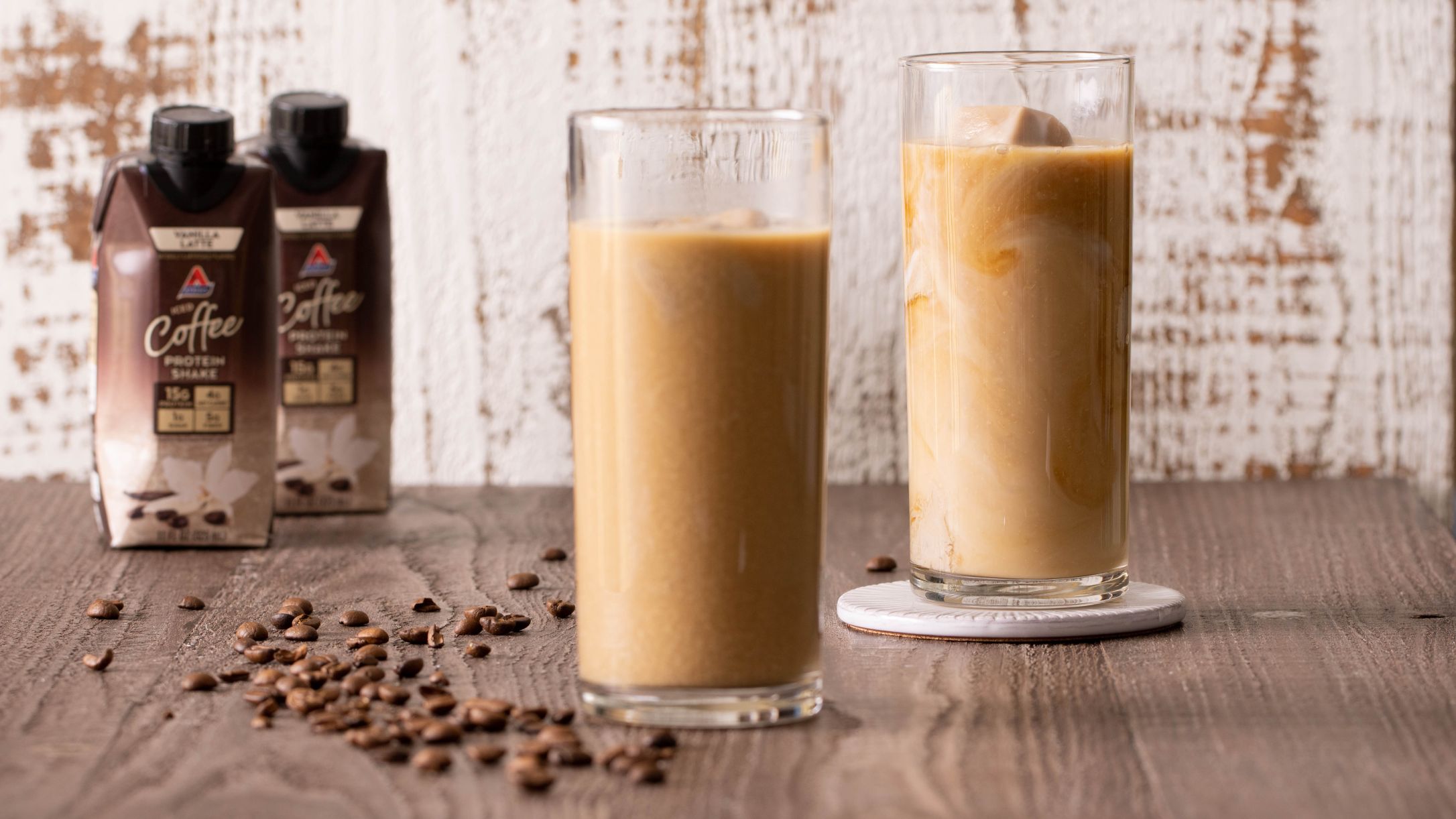
Credit: www.atkins.com
Benefits Beyond Metabolism
The Coffee Diet offers more than just a metabolism boost. It impacts your daily energy and appetite in ways that can help you stay on track. Understanding these benefits can make the diet easier and more enjoyable to follow.
Energy Boost Effects
Coffee naturally contains caffeine, a well-known stimulant that wakes up your brain and body. This boost can help you power through sluggish afternoons or early morning workouts without feeling drained.
Many people notice sharper focus and better mood after their coffee dose. If you’ve ever felt that afternoon slump, you know how a good cup can turn things around quickly.
Does this mean you can skip your usual energy drinks or snacks? Possibly, but balance is key—too much caffeine can lead to jitters or trouble sleeping.
Appetite Control
Coffee can help reduce hunger, making it easier to avoid unnecessary snacking. This effect supports calorie control without making you feel deprived.
Some find that drinking coffee before meals slows down their eating pace, giving their body time to signal fullness. This small change can prevent overeating and help you stick to your diet.
Have you noticed how sometimes a warm drink can calm cravings? Coffee might be just the tool you need to manage your appetite naturally.
Potential Side Effects
The Coffee Diet may seem simple, but it can have side effects. Knowing these helps you decide if it fits your lifestyle. Some people react differently to coffee and caffeine.
Understanding potential risks keeps you safe and aware while trying this diet.
Caffeine Sensitivity
Caffeine affects everyone in different ways. Some feel jittery or anxious after drinking coffee. Others might have trouble sleeping. High caffeine intake can cause headaches or upset stomach. People sensitive to caffeine should limit their coffee consumption. Watch for signs like rapid heartbeat or nervousness. These symptoms mean you should reduce or stop the diet.
Interactions With Medications
Coffee can interact with certain medicines. It may reduce or increase the effect of some drugs. Blood pressure medications, antidepressants, and heart medicines often react with caffeine. Always tell your doctor about your coffee intake. They can advise if the diet is safe for you. Avoid changing your medication schedule without medical advice.
Complementary Lifestyle Habits
The Coffee Diet is more effective when paired with healthy lifestyle habits. These habits support your body and boost the benefits of the diet. Small changes in daily routines can lead to big results. Focus on exercise and healthy eating to complement your coffee intake.
Exercise And Activity
Regular exercise helps improve metabolism and energy levels. It supports weight loss and keeps your body strong. Aim for at least 30 minutes of activity daily. Choose activities you enjoy, such as walking, cycling, or dancing. Moving your body helps burn calories and reduces stress.
Healthy Eating Patterns
Balanced meals provide essential nutrients for your body. Focus on whole foods like fruits, vegetables, and lean proteins. Avoid processed foods and excessive sugar. Eating smaller portions throughout the day helps control hunger. Drinking water alongside coffee improves hydration and digestion.
Frequently Asked Questions
What Ingredients Make Up The Coffee Diet Recipe?
The coffee diet recipe mainly includes black coffee, cinnamon, and a small amount of healthy fat like coconut oil. These ingredients boost metabolism and suppress appetite. Avoid sugar and cream for best results. This combination enhances fat burning and supports weight loss naturally.
How Does The Coffee Diet Help With Weight Loss?
The coffee diet increases metabolism and reduces hunger through caffeine and cinnamon. Caffeine stimulates fat burning, while cinnamon balances blood sugar. Drinking this blend before meals can control appetite and improve digestion, making it easier to lose weight effectively.
Can I Add Sweeteners To The Coffee Diet Recipe?
It’s best to avoid sweeteners in the coffee diet. Sugar and artificial sweeteners can reduce its effectiveness. Natural spices like cinnamon provide flavor without extra calories. Keeping the drink plain helps maintain the diet’s metabolism-boosting benefits.
How Often Should I Drink Coffee On The Diet?
For optimal results, drink the coffee diet beverage once or twice daily. Ideally, consume it before meals to curb hunger. Avoid excessive caffeine intake to prevent side effects. Moderation ensures safe and effective weight loss support.
Conclusion
The coffee diet combines simple ingredients and daily coffee drinking. It aims to boost metabolism and control hunger naturally. Many people enjoy its easy routine and tasty flavors. Remember, balance and healthy habits matter most for success. Try the recipe with care and listen to your body.
Small changes can lead to big results over time. Stay consistent and patient to see real progress. Coffee can be a helpful part of your diet plan. Keep it simple and enjoy the journey ahead.