
Are you wondering which spices deserve a spot in your spice rack? Choosing the right spices can transform your cooking from bland to brilliant.
Whether you’re a beginner or love experimenting in the kitchen, having the essential spices at hand makes all the difference. You’ll discover the must-have spices that will elevate your meals and make cooking easier and more enjoyable. Ready to spice up your kitchen?
Keep reading to find out exactly what you need.

Credit: www.amazon.com
Building A Basic Spice Rack
Building a basic spice rack helps keep your kitchen organized and ready for any recipe. It saves time and adds flavor to everyday meals. Choosing the right spices is key to creating a versatile and practical collection.
Start with a few essential spices that work well in many dishes. Balance between sweet and savory flavors to cover a wide range of recipes. Decide whether to buy ground or whole spices based on freshness and cooking style.
Must-have Everyday Spices
- Salt – Enhances flavor in almost every dish
- Black Pepper – Adds mild heat and depth
- Garlic Powder – Offers a quick garlic flavor
- Paprika – Brings color and a smoky or sweet taste
- Cumin – Gives warmth and earthiness
- Chili Powder – Adds spice and complexity
- Oregano – Perfect for Italian and Mediterranean dishes
- Cinnamon – Works well in sweet and some savory dishes
Balancing Sweet And Savory
A good spice rack has spices for both sweet and savory cooking. Sweet spices like cinnamon, nutmeg, and cloves brighten desserts and drinks. Savory spices such as thyme, rosemary, and sage enhance meats and vegetables. Mixing these spices helps create a variety of flavors.
Choosing Ground Vs Whole Spices
Ground spices are easy to use and mix quickly into dishes. They lose flavor faster than whole spices. Whole spices last longer and keep their aroma. Grinding whole spices just before cooking gives fresher taste. Pick whole spices if you want longer shelf life and stronger flavor.
Spices For Different Cuisines
Building a spice rack that suits your cooking style means understanding which spices bring out the best in different cuisines. Each cuisine has its own unique flavor profile, shaped by distinct combinations of spices. Adding the right ones to your collection can transform your meals and make cooking more exciting.
Italian Essentials
Italian cooking thrives on simple, fresh ingredients enhanced by a few key spices. You want dried oregano, basil, and rosemary ready to add depth to pasta sauces and roasted vegetables.
Don’t forget garlic powder and crushed red pepper flakes—they add a punch without overpowering. A pinch of nutmeg in béchamel sauce or meatballs adds subtle warmth that many people overlook.
Indian Flavor Boosters
Indian dishes are known for their bold, complex flavors that come from layering spices. Stock your rack with turmeric, cumin, coriander, and garam masala to capture those authentic tastes.
Mustard seeds and fenugreek leaves add unique notes that brighten curries and dals. Ever tried adding a little asafoetida? It’s a game-changer for deepening flavors without extra heat.
Mexican Spice Staples
Mexican cuisine uses spices to create vibrant, smoky, and earthy flavors. Chili powder, cumin, and smoked paprika are essentials for chili, tacos, and enchiladas.
Don’t overlook dried oregano and cinnamon—they add unexpected layers to sauces and marinades. A dash of chipotle powder brings smoky heat that’s hard to beat.
Middle Eastern Aromatics
Middle Eastern dishes often rely on fragrant spices to create rich and inviting aromas. Cumin, coriander, and sumac should be in your spice rack for hummus, kebabs, and salads.
Zaatar blend is a must-have for sprinkling on flatbreads or roasted vegetables. Cardamom pods and cinnamon sticks add warmth to rice dishes and stews, offering a comforting taste.
Using Spice Blends
Spice blends bring rich flavors to everyday meals. Essential spices for a rack include cumin, paprika, and cinnamon. Mixing these creates tasty dishes without much effort.
Using spice blends can elevate your cooking from ordinary to extraordinary. These blends bring together various spices to create harmonious flavors that can transform any dish. Whether you prefer pre-mixed options or enjoy crafting your own, spice blends offer a convenient and flavorful way to experiment in the kitchen.Popular Pre-mixed Blends
Pre-mixed spice blends are perfect for those who want quick and consistent flavor. Options like Italian seasoning, curry powder, and taco seasoning can be found in most grocery stores. These blends save you time and ensure you have a balanced flavor profile ready at your fingertips. Another favorite is garam masala, which adds warmth and depth to Indian dishes. Cajun seasoning is great for spicy, smoky notes in your meals. These blends are not just shortcuts; they are crafted to bring out the best in your cooking effortlessly.Creating Custom Blends
Creating your own spice blends allows you to tailor flavors to your taste. Start with a base like salt or pepper, then build with complementary spices. Experiment with ratios to find what suits your palate best. Imagine mixing cinnamon, nutmeg, and cloves for a warm, sweet blend perfect for baking. Or combine paprika, garlic powder, and cumin for a robust BBQ rub. The possibilities are endless, and the results are uniquely yours.Tips For Storing Blends
Proper storage of spice blends is crucial to maintaining their potency. Use airtight containers to keep them fresh and flavorful. Label each container with the blend name and date to track freshness. Store them in a cool, dark place, away from heat and light. This helps preserve their color and aroma. A well-organized spice rack can make your culinary journey both efficient and enjoyable.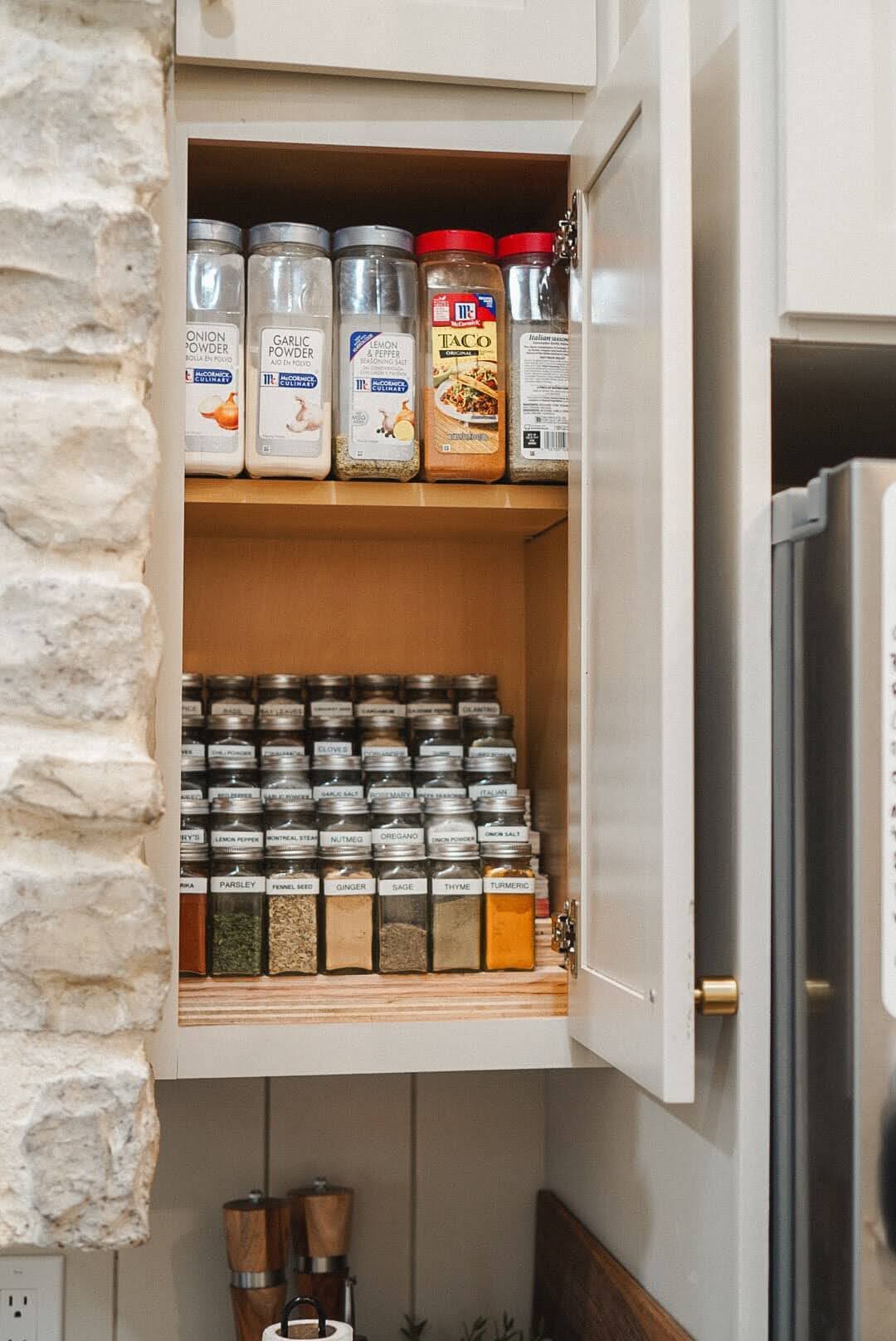
Credit: crystelmontenegrohome.com
Storage And Shelf Life
Proper storage of spices keeps them fresh longer and preserves their flavor. Spices lose taste and aroma if exposed to air, light, or moisture. Knowing how to store spices and understanding their shelf life helps maintain quality. This section covers the best containers, ideal conditions, and signs spices have gone bad.
Best Containers For Freshness
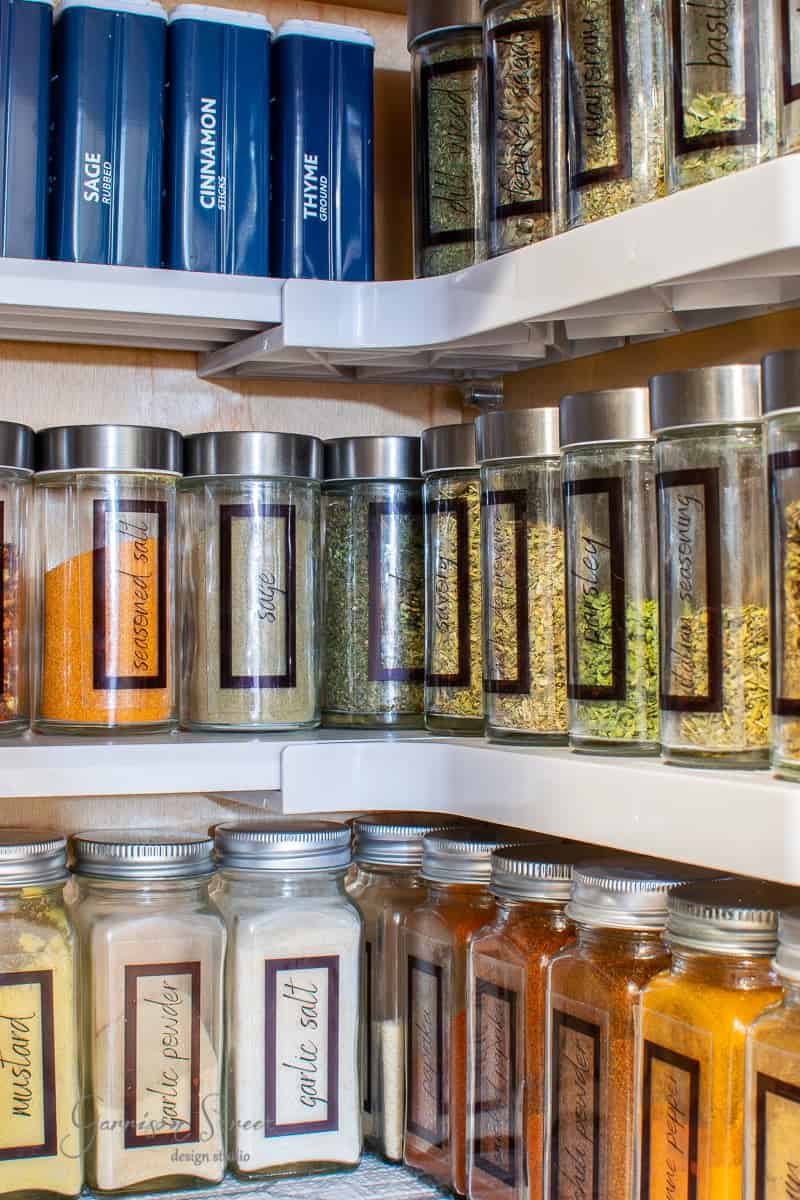
Use airtight containers to block air and moisture. Glass jars with tight lids are excellent choices. Dark-colored containers protect spices from light damage. Plastic containers can work but choose food-grade types. Avoid storing spices in original packaging if it’s not resealable. Small containers help reduce exposure when opened.
Ideal Storage Conditions
Store spices in a cool, dark place away from heat sources. Avoid storing near the stove, oven, or windows. A pantry or cabinet away from sunlight is perfect. Keep humidity low to prevent clumping and mold. Consistent temperature helps spices keep their flavor longer.
Signs Of Spice Degradation
Check spices regularly for changes in color and smell. Faded color means loss of potency. A weak or musty smell shows the spice is old. Clumping or moisture indicates poor storage. If flavor tastes dull or off, it is time to replace the spice.
Enhancing Dishes With Spices
Spices bring life to any dish. They create depth and add unique tastes. Using the right spices can make simple meals exciting. They help highlight the natural flavors of ingredients. Learning how to use spices properly improves cooking skills and enjoyment.
Pairing Spices With Ingredients
Different spices suit different foods. For example:
- Rosemary and thyme work well with meats.
- Cumin and coriander enhance beans and lentils.
- Basil and oregano complement tomatoes and pasta.
- Cinnamon and nutmeg add warmth to desserts.
Understanding these matches helps create balanced dishes. Experiment with small amounts to find your favorite blends.
Timing For Adding Spices
When spices are added changes their impact. Early cooking softens and blends flavors deeply. Adding spices at the end keeps their sharpness and aroma. Ground spices often need more cooking time than whole spices. Toasting spices briefly before use can boost their flavor.
Balancing Flavors In Recipes
Spices should not overpower the dish. They must work with salt, acid, and sweetness. Taste as you cook to adjust spice levels. Use spices to enhance, not mask, the main ingredients. A well-balanced dish feels complete and satisfying.
Credit: garrisonstreetdesignstudio.com
Advanced Spice Rack Picks
Once you have the basics covered in your spice rack, it’s time to step up your game with some advanced picks. These spices can add depth, unique flavor profiles, and even health perks to your cooking. Whether you want to impress guests or simply experiment with new tastes, these choices will elevate your kitchen experience.
Rare And Exotic Spices
Adding rare and exotic spices can transform your dishes from ordinary to extraordinary. Think of spices like grains of paradise, which bring a peppery and citrusy kick, or sumac, offering a tangy lemon flavor that brightens salads and meats.
Don’t overlook long pepper, which has a more complex heat than regular black pepper. If you love experimenting, try asafetida—just a pinch adds a deep umami flavor, especially to vegetarian dishes.
Spices For Baking
Baking spices deserve a special spot in your rack. Cinnamon and nutmeg are classics, but you can also try cardamom, which adds a floral and slightly sweet aroma to baked goods.
Cloves bring warmth and intensity, perfect for holiday treats. For a unique touch, incorporate star anise or fennel seeds; they add subtle licorice notes that surprise and delight the palate.
Health Benefits Of Common Spices
Spices don’t just make your food taste better—they can also boost your health. Turmeric contains curcumin, known for its anti-inflammatory properties. Adding turmeric to your meals can support joint health and digestion.
Ginger is another powerhouse; it helps reduce nausea and aids digestion. Even everyday black pepper helps your body absorb nutrients more efficiently. What spices do you already use daily, and could they be doing more for your health than you realize?
Frequently Asked Questions
What Are The Essential Spices For A Basic Spice Rack?
Essential spices include black pepper, cumin, paprika, cinnamon, and garlic powder. These cover most cooking needs and add flavor to various dishes.
How Do I Choose Spices For A Versatile Spice Rack?
Pick spices used in multiple cuisines like chili powder, oregano, turmeric, coriander, and thyme. This ensures flexibility in your cooking.
Can I Store Whole Spices Instead Of Ground Ones?
Yes, whole spices last longer and retain flavor better. Grind them fresh for maximum aroma and taste when needed.
How Should I Organize Spices On My Spice Rack?
Arrange by frequency of use or alphabetically. Keep similar spices together for easy access and a tidy look.
Conclusion
A good spice rack brings flavor to every meal. Choose spices that suit your cooking style. Keep basics like salt, pepper, and garlic powder. Add herbs like basil and oregano for freshness. Store spices in a cool, dry place. Fresh spices make dishes taste better.
Experiment with new spices to find favorites. A well-stocked rack makes cooking easier and fun. Spice up your kitchen and enjoy tasty meals!