
Your refrigerator stops working, and suddenly, you’re staring at a mountain of spoiled food and a costly repair bill. What do you do next?
You might feel stuck, unsure whether to fix it, replace it, or try something creative with the broken appliance. This guide will help you make smart decisions, save money, and even discover surprising ways to repurpose your broken refrigerator. Keep reading—you’ll find practical tips that make dealing with your broken fridge easier than you think.
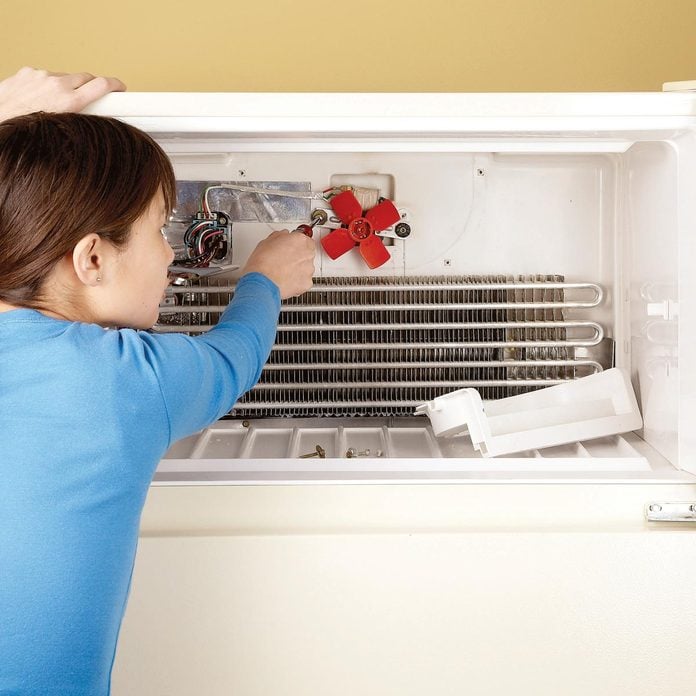
Credit: www.familyhandyman.com
Diagnose The Problem
When a refrigerator stops working, the first step is to diagnose the problem. Understanding the issue helps decide if a quick fix is possible or if professional help is needed. This section guides you through basic checks and signs to watch for.
Check Power Supply
Start by confirming the fridge is plugged in properly. Look for loose or damaged cords. Test the outlet with another device to ensure it has power. Check the circuit breaker to see if it has tripped. A simple power issue often causes the fridge to stop running.
Inspect Common Issues
Look inside the fridge for frost buildup or unusual noises. Check the temperature settings to make sure they are correct. Clean the condenser coils if they are dusty or dirty. Listen for the compressor running; no sound could mean a problem. Examine door seals for cracks or gaps that let cold air escape.
When To Call A Technician
Call a professional if the fridge still does not work after basic checks. Avoid fixing electrical or compressor issues yourself. Seek help if you notice leaking water or unusual smells. A technician can safely handle complex repairs and ensure the fridge runs efficiently again.
Quick Fixes At Home
Dealing with a broken refrigerator can feel frustrating, but some issues you can fix yourself without waiting for a technician. Quick fixes at home often save time and money, and they are surprisingly straightforward. Before calling for repairs, trying these simple solutions might get your fridge back to working condition.
Clean The Coils
Dirty condenser coils make your fridge work harder, causing cooling problems and higher energy bills. You can find these coils either at the back or underneath your refrigerator. Use a vacuum cleaner or a coil brush to remove dust and debris carefully.
Cleaning the coils regularly prevents overheating and extends your fridge’s life. Have you checked your coils in the last six months? If not, this quick cleaning might solve your cooling issues faster than you think.
Replace Door Seals
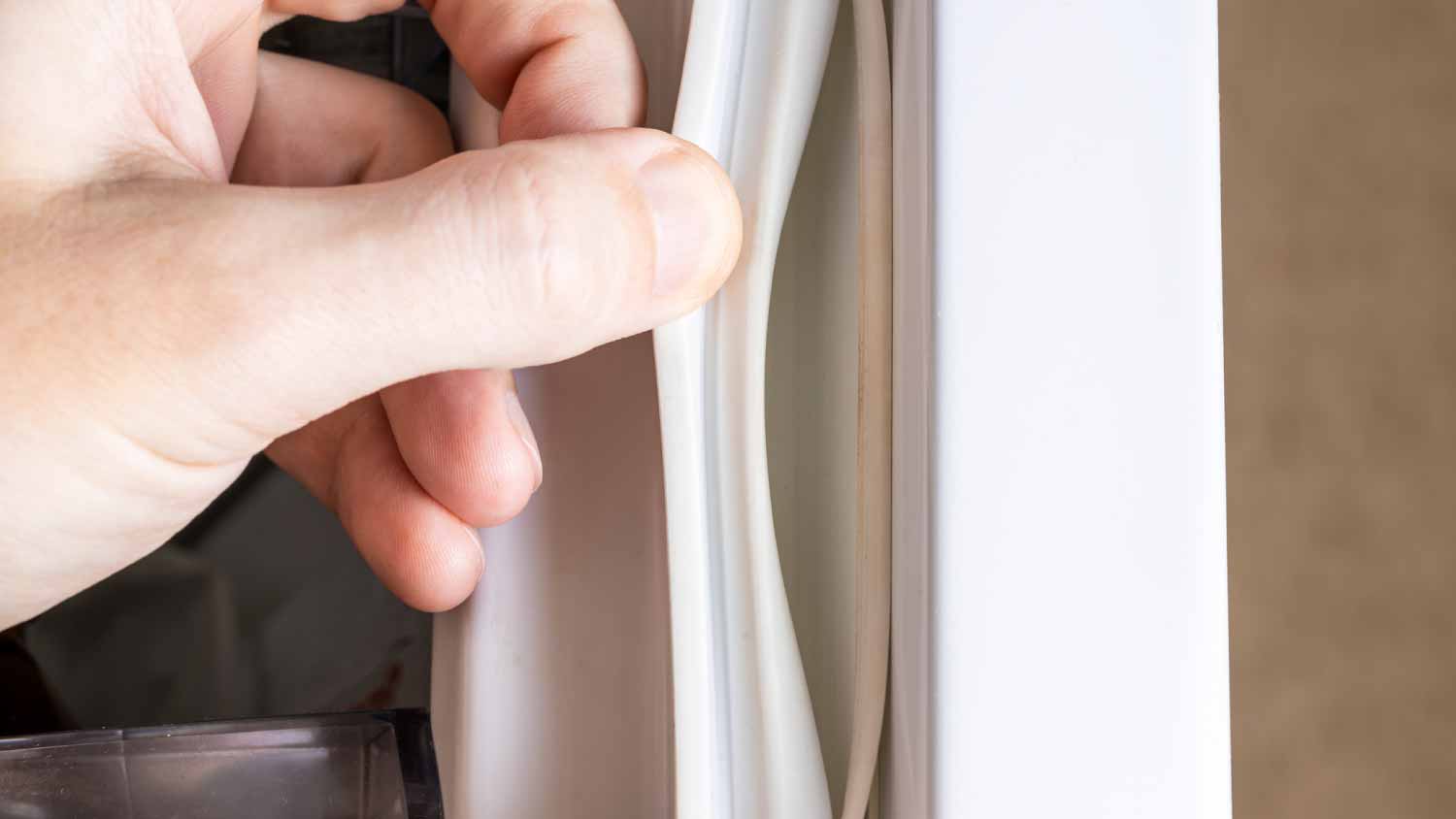
Damaged door seals let cold air escape, making your fridge inefficient. Check if the rubber gasket around the door is cracked, torn, or loose. If it doesn’t stick well, cold air can leak out and cause your fridge to run constantly.
Replacing door seals is a simple fix. You can buy a new gasket from your fridge’s manufacturer or a hardware store. Just remove the old seal and press the new one firmly into place, ensuring it fits snugly around the door.
Unclog The Drain
A clogged drain can cause water to pool inside your refrigerator or freezer. Check for any blockages in the drain hole and drip pan. Use a pipe cleaner or a small brush dipped in warm water to clear the clog gently.
Unclogging the drain prevents leaks and stops unpleasant odors. Have you noticed water collecting inside your fridge? Clearing the drain might be the simple fix you need to keep things dry and fresh.
Decide Between Repair And Replace
Deciding whether to repair or replace your broken refrigerator can feel overwhelming. It’s not just about fixing a machine; it’s about weighing costs, convenience, and long-term benefits. Let’s break down key factors that can help you make a smart choice without regret.
Compare Repair Costs
Start by getting an estimate for the repair. Sometimes a simple fix might cost less than you expect, but other times repairs can be surprisingly expensive.
Ask yourself if the repair cost is close to or more than half the price of a new refrigerator. If it is, replacing might be the better deal. Also, consider if the repair will likely solve the problem permanently or just delay a bigger failure.
Evaluate Refrigerator Age
How old is your fridge? Most refrigerators last about 10 to 15 years. If yours is closer to that age, repairs might only add a few more years of life.
Older fridges can break down more often, costing you more in repairs and electricity. Think about whether you want to keep investing in an aging appliance or upgrade to a newer, more reliable model.
Consider Energy Efficiency
Older refrigerators often use much more electricity than modern ones. A new, energy-efficient fridge could lower your utility bills significantly.
Check the Energy Star rating on new models. Sometimes the savings in energy costs over time can offset the price of buying new. Have you looked at how much you’re spending monthly just to keep your current fridge running?
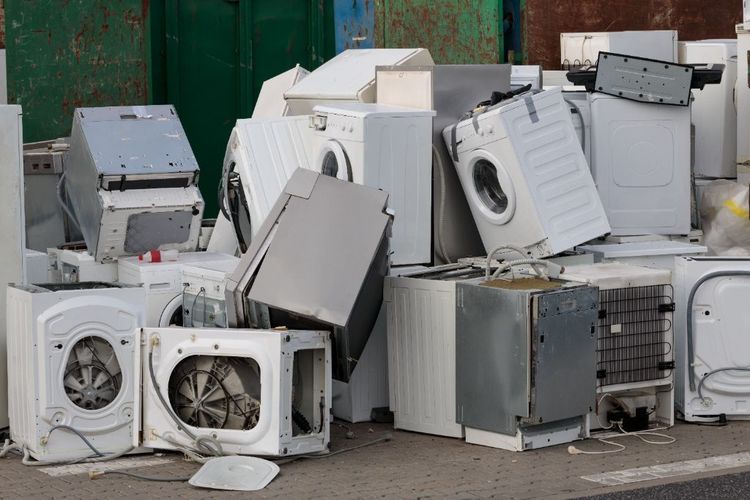
Credit: ezypeazy.co.nz
Creative Ways To Repurpose
Broken refrigerators often end up discarded, but they hold surprising potential for creative reuse. Instead of throwing yours away, think about how it can serve a new purpose around your home or garden. Repurposing not only saves money but also reduces waste, giving your appliance a second life in a practical way.
Turn Into Storage
The spacious interior of a broken fridge makes for excellent storage space. You can clean it thoroughly and use it to store tools, craft supplies, or even pantry items that don’t require refrigeration.
Its multiple shelves and compartments help keep things organized. Imagine having a dedicated spot for your garden tools or sports gear that’s easy to access and weather-protected.
Make A Cooler Box
Without the cooling function, the fridge’s insulated walls still provide excellent temperature control. By adding ice packs, you can turn it into a large cooler box for outdoor parties or camping trips.
This option saves you from buying bulky coolers and makes use of a space you already have. Have you ever needed extra cold storage during a family barbecue? This can be your solution.
Use As A Garden Planter
Old refrigerators can become unique garden planters with a bit of creativity. Remove the door, drill drainage holes, and fill the cavity with soil to create a raised garden bed.
This setup keeps plants contained and can be a stylish focal point in your yard. What if your garden had a quirky, functional element that sparks conversations? This could be it.
Sell Or Donate Your Fridge
Deciding what to do with a broken refrigerator can save space and help others. Selling or donating your fridge gives it a new life. It also reduces waste and benefits your community.
Find Local Buyers
Many buyers want fridges for parts or repair. Use local online marketplaces to list your fridge. Include clear photos and honest details about its condition. Set a fair price based on its state. Respond quickly to inquiries to sell faster.
Donation Centers To Contact
Donation centers accept fridges for reuse or recycling. Charities often need appliances for families in need. Check with:
- Goodwill
- Salvation Army
- Local shelters
- Community recycling programs
Call ahead to confirm they accept broken appliances. Some centers offer free pickup.
Prepare The Fridge For Pickup
Clean the fridge inside and out before donation or sale. Remove all food and shelves. Defrost to prevent leaks during transport. Secure doors with tape or rope. Write down any issues for the new owner. This helps avoid confusion and delays.
Credit: www.angi.com
Prevent Future Breakdowns
Preventing future refrigerator breakdowns saves money and avoids food loss. Small efforts keep your fridge working longer and more efficiently. Simple daily care and smart habits reduce the risk of damage. Regular checks catch problems before they become serious. Taking these steps helps maintain a cool and reliable fridge.
Regular Maintenance Tips
- Clean condenser coils every three months to remove dust.
- Check door seals for cracks or gaps; replace if needed.
- Defrost the freezer if ice builds up more than a quarter inch.
- Keep the fridge level to ensure proper door closing.
- Empty drip pans and clean drainage holes regularly.
Proper Usage Habits
- Avoid overloading the fridge; air must circulate freely.
- Close the door quickly to keep cold air inside.
- Store hot food only after it cools down.
- Set temperature between 37°F and 40°F for fridge, 0°F for freezer.
- Use energy-saving mode if your fridge has one.
Schedule Professional Checkups
- Hire a technician for a yearly inspection.
- Ask for a check on coolant levels and compressor function.
- Get repairs done promptly to avoid bigger issues.
- Request advice on extending your fridge’s lifespan.
Frequently Asked Questions
What Should I Do Immediately After Refrigerator Breaks?
Unplug the refrigerator to ensure safety. Remove perishable items to prevent spoilage. Check warranty or repair options promptly.
Can I Fix A Broken Refrigerator Myself?
Simple issues like a clogged drain or dirty coils can be fixed. Complex problems require professional repair for safety and efficiency.
How To Store Food When Refrigerator Stops Working?
Use coolers with ice packs to keep food cold. Consume perishables quickly or move them to a functioning fridge.
When Is It Time To Replace A Broken Refrigerator?
Replace if repair costs exceed 50% of a new fridge price. Frequent breakdowns or poor cooling efficiency also indicate replacement.
Conclusion
Dealing with a broken refrigerator can be frustrating. But don’t worry. Start by identifying the problem. It could be a simple fix. Check the power supply and settings. Sometimes, cleaning the coils helps. If it’s more complicated, consider calling a professional.
They can diagnose the issue quickly. Sometimes, replacing the refrigerator is the best option. Weigh the repair costs against buying new. Always dispose of old appliances responsibly. This ensures safety and environmental protection. Remember, regular maintenance helps prevent future issues.
Keep your refrigerator in good working condition. Save time and money.