
Have you ever wondered how your smart refrigerator talks to your phone or other devices in your home? There’s a special concept behind this connection that makes your life easier and more convenient.
Understanding this idea can help you see how technology is changing everyday objects into smart helpers. If you want to know what this concept is and how it works with devices like smart refrigerators, keep reading. This knowledge could change the way you use technology at home.
Iot Basics
The Internet of Things, or IoT, is transforming the way we interact with everyday objects. Imagine your refrigerator alerting you when you’re out of milk or your thermostat adjusting the temperature based on your routine. These innovations are part of the IoT, a concept that connects devices to the internet, enabling them to communicate and perform smart tasks.
What Is Iot
IoT stands for the Internet of Things, a network where physical devices are connected to the internet. This allows them to send and receive data. It’s not just about connecting computers or smartphones—IoT extends to all kinds of devices, from home appliances to industrial machines.
Think about how your smartphone connects you to the world. Now, picture that level of connectivity applied to your home appliances, cars, and even wearable devices. The possibilities are endless, making life more convenient and efficient.
Key Components
IoT is built on several key components that work together to create a seamless experience. These include sensors, connectivity, data processing, and user interfaces.
- Sensors:These are the eyes and ears of IoT devices, collecting data from the environment. For instance, a smart refrigerator might have sensors to detect temperature and contents.
- Connectivity:This is how devices communicate with each other, usually through Wi-Fi, Bluetooth, or cellular networks.
- Data Processing:Once data is collected, it needs to be processed. This could happen within the device or on a remote server, depending on the complexity of the task.
- User Interfaces:These allow you to interact with your IoT devices. It could be an app on your phone or a voice command through a smart speaker.
Have you ever considered how these components work together to make your life easier? Next time you set your smart coffee maker from your phone, you’ll appreciate the seamless orchestration of IoT components behind the scenes.
Credit: www.thebusinessresearchcompany.com
Smart Devices In Iot
Smart devices form the core of the Internet of Things (IoT). These devices connect to the internet and communicate with each other. They bring convenience and efficiency to daily life. From homes to offices, smart devices play a key role. They collect data, automate tasks, and improve user experience.
Smart Refrigerators
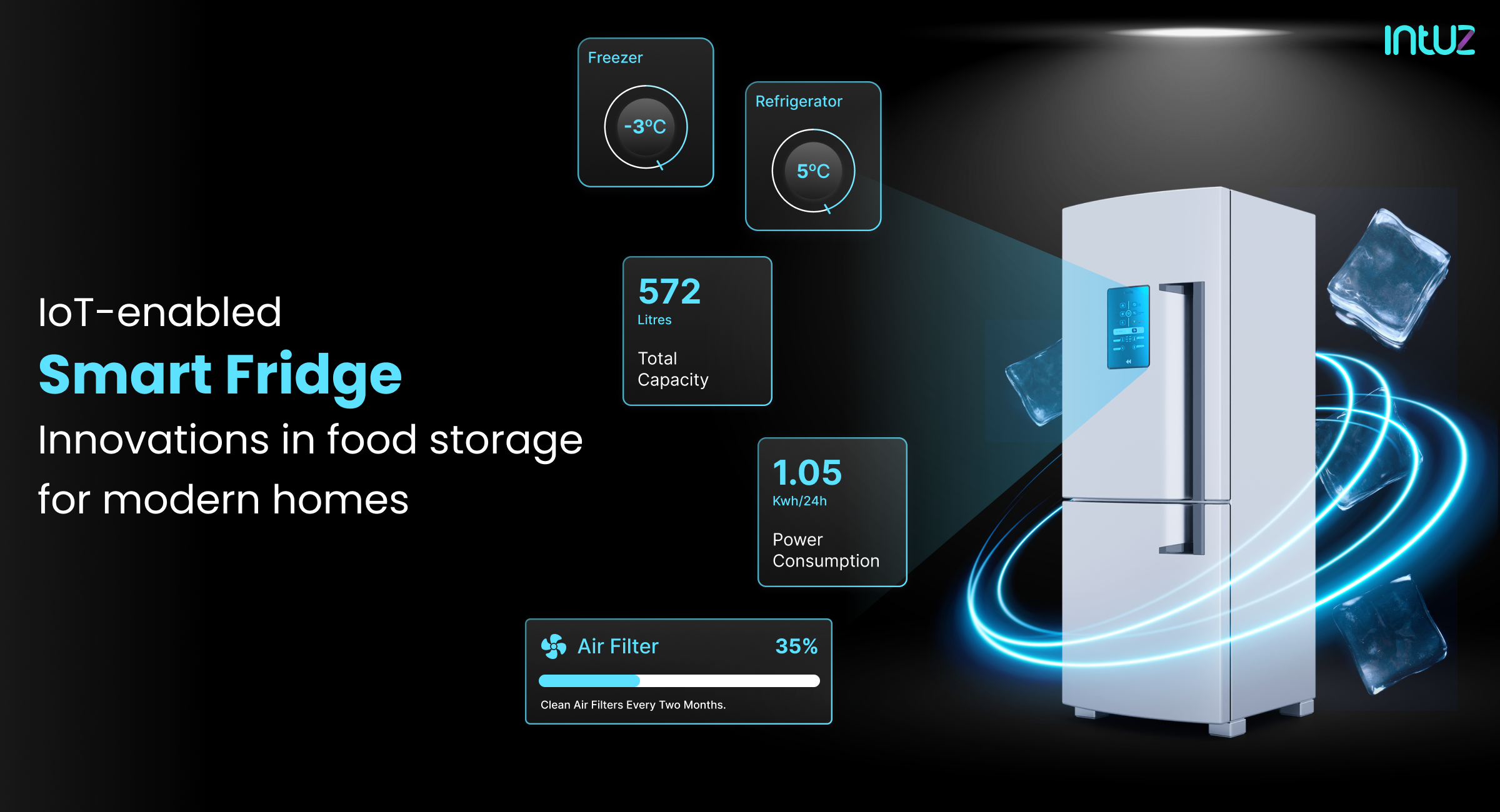
Smart refrigerators go beyond cooling food. They monitor temperature and humidity to keep food fresh longer. Some models have touchscreens for calendars and recipes. They can send alerts when food is about to expire. These refrigerators connect with smartphones for remote control. Users can check inside the fridge without opening the door. This helps save energy and reduce waste.
Other Connected Appliances
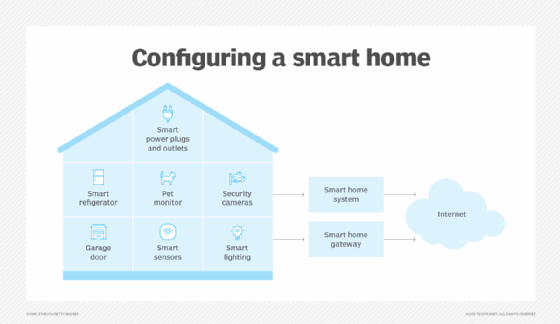
Many home appliances now connect to IoT networks. Smart ovens allow remote cooking and temperature control. Washing machines can be scheduled and monitored via apps. Smart thermostats adjust home temperature based on habits. Voice assistants control lights, locks, and security cameras. These devices work together for a seamless smart home experience.
How Devices Connect
Understanding how smart devices like refrigerators connect helps you grasp the bigger picture of the Internet of Things (IoT). These connections allow your devices to communicate, share data, and work together seamlessly. But how exactly do these devices link up in your home or office?
Communication Protocols
Communication protocols are the languages devices use to talk to each other. Without these protocols, your smart fridge wouldn’t know how to send a status update or receive commands from your phone.
Common protocols include:
- Wi-Fi:Offers fast data transfer and connects devices to the internet easily.
- Bluetooth:Best for short-range communication, like linking your phone directly to a fridge.
- Zigbee and Z-Wave:Designed for low-power devices, perfect for home automation networks.
Think about how your phone connects to your car or headphones. The same idea applies to smart home devices, but the protocol must fit the device’s needs—whether that’s speed, range, or power consumption.
Network Types
Networks are the physical or wireless systems that carry data between devices. Choosing the right network type impacts how reliable and fast your smart fridge’s connection will be.
There are several network types you might encounter:
- Local Area Network (LAN):Your home Wi-Fi is a good example, connecting multiple devices in a single area.
- Personal Area Network (PAN):Short-range networks like Bluetooth create PANs, linking devices close to each other.
- Wide Area Network (WAN):Extends beyond your home, allowing devices to connect over large distances using the internet.
Imagine your smart fridge sending a grocery list to your phone while you’re at the store. This interaction depends on the WAN, enabling devices to communicate beyond your home. What network are your devices currently using to stay connected?
Data And Security
Connecting devices like smart refrigerators brings many conveniences, but it also raises important questions about data and security. Understanding how your information is collected, protected, and potentially exposed helps you make smarter choices about these connected appliances.
Data Collection
Smart refrigerators gather a wide range of data, from your grocery habits to usage patterns and even energy consumption. This data helps the device provide useful features, like suggesting shopping lists or optimizing power use.
However, not all collected data is obvious. Your fridge might track voice commands, camera images inside the fridge, or timestamps of when the door opens. Knowing exactly what data your device collects puts you in control.
Privacy Concerns
Your personal habits and preferences become digital footprints stored by these devices. This raises a question: who else gets access to this information?
Data shared with manufacturers or third parties can be used for targeted ads or even sold. You should ask yourself if you’re comfortable with this level of exposure and check the privacy policies carefully.
Security Measures
Strong security is essential to keep your data safe from hackers. Look for devices that offer regular software updates, strong encryption, and two-factor authentication options.
Simple steps like changing default passwords and connecting your fridge to a secure Wi-Fi network can significantly reduce risks. Have you checked your device’s security settings recently?
Benefits Of Iot
The Internet of Things (IoT) connects everyday devices like smart refrigerators to the internet. This connection brings many benefits that improve daily life. IoT makes devices smarter, easier to use, and more efficient. Exploring these benefits shows why IoT is important for modern homes.
Convenience And Automation
IoT enables smart devices to work automatically and save time. Smart refrigerators can track food items and suggest shopping lists. They can adjust temperature settings without user input. This reduces effort and makes daily tasks easier.
Energy Efficiency
Smart devices help reduce energy use by optimizing their operation. A smart refrigerator can lower power when not needed. It uses sensors to maintain the right temperature efficiently. This saves electricity and lowers utility bills.
Remote Monitoring
IoT allows users to check their devices from anywhere using a smartphone. You can see the status of your smart refrigerator anytime. Alerts notify you if the door is open or if repairs are needed. This keeps your food safe and prevents problems early.
Credit: www.techtarget.com
Challenges And Future Trends
Connecting devices like smart refrigerators involves many challenges and exciting future trends. These devices must work well together as more get added to the network. The way technology grows will shape how smart homes and cities develop. Understanding these aspects helps us prepare for a smarter world.
Scalability Issues
Scaling up smart device networks is not easy. More devices need more data and power. Networks can slow down or crash with too many connections. Managing millions of devices demands strong infrastructure. Security risks increase as the network grows. Solutions must keep systems fast and safe.
Technological Advances
Technology keeps improving to solve current problems. Faster processors and better sensors make devices smarter. New communication methods reduce delays and boost reliability. Artificial intelligence helps devices learn user habits. Energy-efficient designs extend device life. These advances will make smart homes more useful.
Iot In Everyday Life
IoT devices like smart refrigerators change daily routines. They track food, suggest recipes, and reduce waste. Smart homes offer more comfort and control. Connected devices improve health, security, and energy use. As IoT grows, it will touch more areas of life. Everyday tasks become simpler and more efficient.
Credit: medium.com
Frequently Asked Questions
What Concept Connects Smart Refrigerators To The Internet?
The Internet of Things (IoT) connects smart refrigerators to the internet. IoT enables devices to communicate and share data seamlessly.
How Do Smart Refrigerators Communicate With Other Devices?
Smart refrigerators use IoT protocols like Wi-Fi and Bluetooth to interact with smartphones and home systems for seamless control.
Why Is Iot Important For Smart Home Appliances?
IoT allows smart appliances to automate tasks, improve efficiency, and enhance user convenience through remote monitoring and control.
Can Smart Refrigerators Work Without Iot Connectivity?
Without IoT, smart refrigerators lose remote control features and data sharing, limiting their smart functionalities significantly.
Conclusion
Connecting devices like smart refrigerators relies on the Internet of Things. This concept links everyday gadgets to share data and work together. It helps make homes smarter and daily tasks easier. Devices communicate through networks and apps to improve convenience.
Understanding this concept is key to using smart technology well. It shows how technology changes how we live and interact. Smart devices keep growing in homes worldwide. The Internet of Things will keep making life simpler and more connected.