
When it comes to making the perfect French toast, the bread you choose can make all the difference. You might think any bread will do, but the truth is, some types soak up the egg mixture better and give you that soft, fluffy texture you crave.
Wondering which bread will turn your breakfast into a mouthwatering treat? Keep reading, because discovering the best bread for French toast will change the way you enjoy this classic dish forever. Your mornings are about to get a lot tastier!
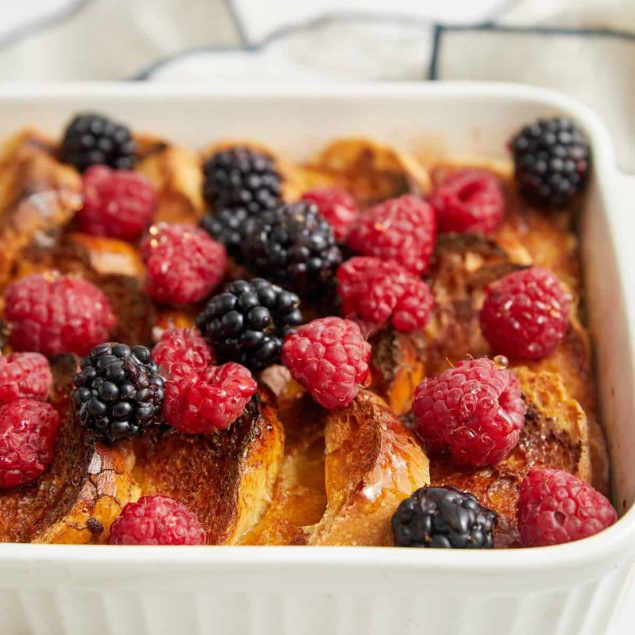
Credit: www.foodfaithfitness.com
Choosing The Right Bread
Choosing the right bread is key to perfect French toast. The bread must soak up the egg mixture well. It should hold together without falling apart. Different breads offer unique textures and flavors. Picking the best bread enhances taste and mouthfeel. Bread freshness also affects the final dish. Let’s explore these factors in detail.
Texture And Absorption
French toast needs bread that absorbs the egg mixture easily. Thick and sturdy bread works best. It soaks up custard without becoming soggy. Soft breads may fall apart quickly. Dense breads like brioche or challah hold moisture well. They create a creamy inside and crisp outside. Avoid bread that is too thin or crumbly.
Flavor Profiles
Bread adds flavor to French toast. Sweet breads like brioche add richness. Challah brings a mild, slightly sweet taste. Sourdough gives a tangy contrast to sweetness. Whole grain bread offers a nutty flavor. Choose bread that matches your preferred taste. Plain white bread lacks strong flavor but works fine.
Bread Freshness
Fresh bread is often too soft and may fall apart. Slightly stale bread is ideal for French toast. It soaks up the egg mixture without breaking. Stale bread also crisps well on the griddle. Avoid bread that is too old or moldy. Proper bread freshness helps achieve the perfect texture.
Popular Bread Options
Choosing the right bread is key for making delicious French toast. Each bread type offers a unique texture and flavor. Some absorb the egg mixture better, creating a soft inside and crispy outside. Others bring a rich taste that enhances the overall dish.
Brioche
Brioche is a sweet, buttery bread. It has a soft, fluffy texture that soaks up the egg mix well. This bread makes French toast rich and tender. Its light sweetness pairs nicely with syrup or fresh fruit.
Challah
Challah is a traditional Jewish bread with a slightly sweet flavor. It’s soft but sturdy, which holds up during cooking. Its braided shape adds a nice look to the toast. This bread creates a moist and flavorful French toast.
French Baguette
French baguette is crusty outside and chewy inside. It’s best sliced thick to avoid drying out. This bread gives a crispy texture and a subtle taste. It works well for those who like a firmer French toast.
Sourdough
Sourdough has a tangy flavor and dense crumb. It absorbs the egg mixture slowly, making a sturdy toast. This bread adds a slight sour note, balancing sweetness. It’s perfect for a more complex French toast taste.
Texas Toast
Texas toast is thick and soft with a mild flavor. Its thickness makes it ideal for soaking up liquids. This bread produces a fluffy and hearty French toast. It’s a great choice for a classic, simple dish.
How Bread Type Affects French Toast
Choosing the right bread can make or break your French toast experience. It’s not just about picking any loaf off the shelf; it’s about understanding how different types of bread react when soaked in the egg mixture and fried to perfection. The texture, flavor, and overall mouthfeel are profoundly influenced by the bread you choose. Let’s dive into how the type of bread affects French toast in terms of moisture retention, crispiness, and sweetness balance.
Moisture Retention
Moisture retention is crucial for achieving a custardy, melt-in-your-mouth French toast. Some breads, like brioche and challah, are ideal because they absorb the egg mixture beautifully without getting soggy. Their dense structure allows them to hold onto moisture, ensuring each bite is flavorful and rich. Consider using day-old bread, which can absorb the mixture better than fresh bread. Have you ever tried using whole grain bread? It offers a unique texture and holds moisture differently, providing a heartier bite.
Crispiness
Achieving the perfect crisp on your French toast is an art. A bread’s crust plays a significant role here. Bread with a thicker crust, like sourdough or artisan loaves, can add an exciting crunch. If you’re someone who loves a crispy exterior, these breads might be your best choice. The trick is to balance the cooking time and heat to get that golden crust without drying out the interior. Next time, try experimenting with different breads to discover your ideal level of crispiness.
Sweetness Balance
Sweetness balance is often overlooked but essential for perfect French toast. Some breads come with a hint of sweetness, such as brioche, which can complement your egg mixture beautifully. If you’re aiming for a more savory profile, consider using a less sweet bread like sourdough. Think about what toppings you’ll add; a sweeter bread might pair better with fruit, while a less sweet option could be ideal for bacon or cheese. Reflecting on these choices can lead to surprising flavor combinations that delight your taste buds.
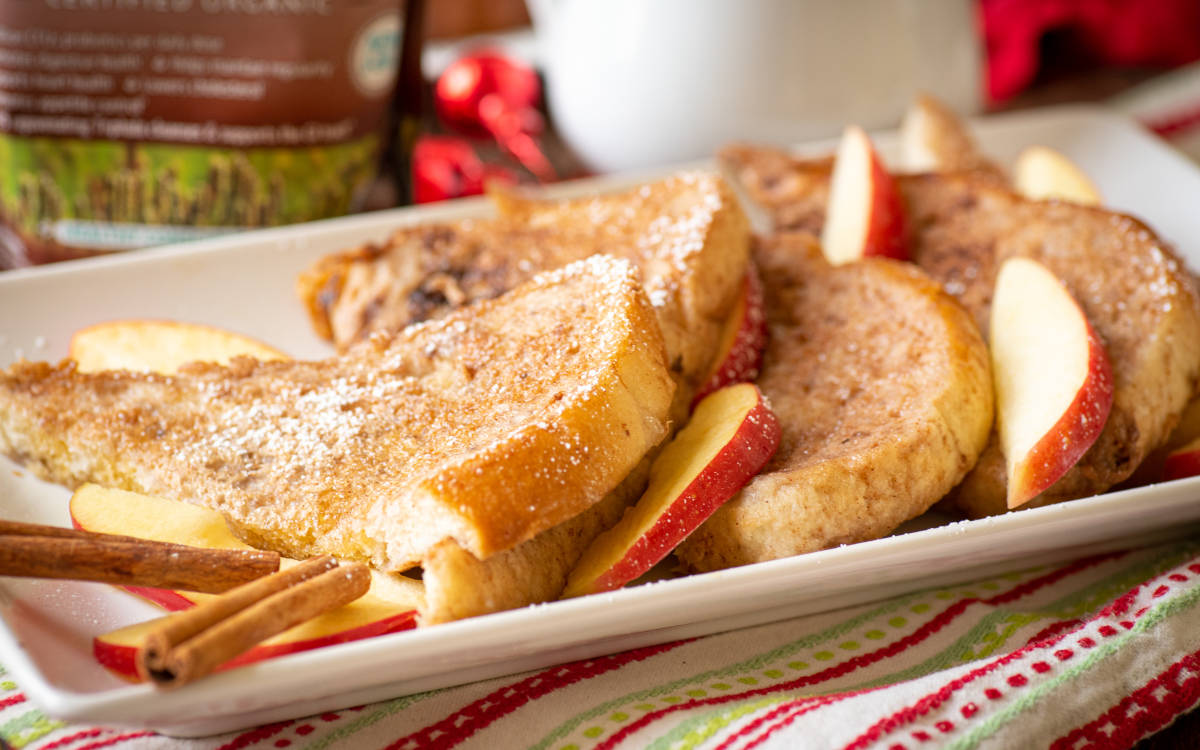
Credit: www.organicindiausa.com
Tips For Preparing Bread
Preparing the right bread is crucial for making perfect French toast. The texture and moisture of your bread can change how well it soaks up the egg mixture and how crispy it gets during cooking. Knowing how to handle your bread before dipping it can make a big difference in the final taste and texture.
Day-old Bread Benefits
Using bread that is a day or two old helps it absorb the egg mixture without falling apart. Fresh bread can become too soggy and difficult to flip. Day-old bread has just the right firmness to hold its shape while soaking up flavors.
Have you ever tried French toast with fresh bread and ended up with a mushy mess? That’s exactly why slightly stale bread works better. It offers a balance between absorbency and sturdiness that fresh bread can’t match.
Slicing Thickness
How thick you slice your bread impacts both soaking time and cooking results. Thicker slices (about ¾ to 1 inch) absorb the egg mixture well and stay soft inside without becoming too soggy. Thin slices might cook too fast and dry out.
Think about your favorite French toast—was it thick and fluffy or thin and crispy? Adjust your slices accordingly to match your preference. Keep in mind, very thick slices may need extra cooking time to cook through completely.
Toasting Techniques
Lightly toasting your bread before soaking can add texture and prevent it from becoming overly soggy. Toasting creates a slight crust that helps the bread hold its structure better. However, avoid toasting it too much, as dry bread won’t soak up the mixture well.
You might want to try a quick 30-second toast just to firm up the surface. This little trick can improve your French toast’s overall texture without compromising flavor. Have you noticed how some French toast feels heavy and soggy? Pre-toasting could be the simple fix you need.
Specialty Bread Variations
Specialty breads can transform your French toast from ordinary to memorable. They add unique textures and flavors that regular bread just can’t match. Choosing the right specialty bread can elevate your breakfast and suit your dietary needs or flavor preferences.
Gluten-free Options
If you avoid gluten, there are plenty of tasty breads made just for you. Gluten-free breads often use rice flour, almond flour, or tapioca starch to create a soft, absorbent base perfect for soaking up your egg mixture.
Look for brands that keep the bread moist and sturdy, so it doesn’t fall apart when cooking. You might be surprised how well gluten-free brioche or challah alternatives hold up in the pan.
Whole Grain Choices
Whole grain breads bring a hearty texture and nutty flavor to your French toast. Their dense crumb absorbs the custard mixture nicely without turning mushy.
Try whole wheat, rye, or spelt bread for a healthier twist. These options add fiber and nutrients, making your breakfast more filling and balanced.
Flavored Breads
Flavored breads like cinnamon swirl, pumpkin, or cranberry walnut can add an exciting twist to your French toast. Their built-in spices and fruits enhance the taste without extra toppings.
Choosing a flavored bread means you can sometimes skip additional flavoring in your batter, saving time and keeping things simple. Have you ever tried cinnamon swirl bread for breakfast? It adds a cozy warmth that many find irresistible.

Credit: www.foodfaithfitness.com
Pairing French Toast With Toppings
French toast is delicious on its own, but toppings bring it to life. The right toppings add flavor, texture, and color. They make each bite exciting and unique. Toppings can be sweet, savory, or creative. Choosing the right ones depends on your mood and taste.
Classic Syrups And Fruits
Simple syrups like maple or honey add natural sweetness. They soak into the bread for a warm, rich taste. Fresh fruits brighten the plate with a juicy contrast. Strawberries, blueberries, and bananas are popular choices. A sprinkle of powdered sugar can finish the look.
Savory Additions
French toast does not have to be sweet. Bacon or sausage adds a salty crunch. Cream cheese or ricotta gives a creamy texture. Herbs like chives or parsley add a fresh note. A fried egg on top makes it a full meal.
Creative Garnishes
Nuts add crunch and a nutty flavor. Toasted coconut flakes bring a tropical twist. Chocolate chips melt into sweet pockets. Whipped cream adds lightness and softness. Spices such as cinnamon or nutmeg add warmth and depth.
Frequently Asked Questions
What Bread Is Best For Classic French Toast?
Thick, sturdy breads like brioche, challah, or Texas toast are best. They soak up the custard without falling apart and give a rich flavor.
Can Whole Wheat Bread Work For French Toast?
Yes, whole wheat bread can work for French toast. It offers a nuttier taste and extra fiber but may absorb less custard than softer breads.
Why Choose Brioche For French Toast?
Brioche is soft, buttery, and slightly sweet, making it perfect for French toast. Its rich texture soaks custard well and creates a tender, flavorful dish.
Is Stale Bread Better For French Toast?
Slightly stale bread is better for French toast. It soaks up more custard without becoming mushy, resulting in a crisp outside and creamy inside.
Conclusion
Choosing the right bread makes all the difference in French toast. Thick slices soak up the egg mix well. Breads like brioche or challah add soft, rich flavors. Stale bread works best for a firm texture. Avoid thin or very soft bread to prevent sogginess.
Experiment with different types to find your favorite. Simple steps lead to delicious, fluffy French toast every time. Enjoy your breakfast with the perfect bread choice!