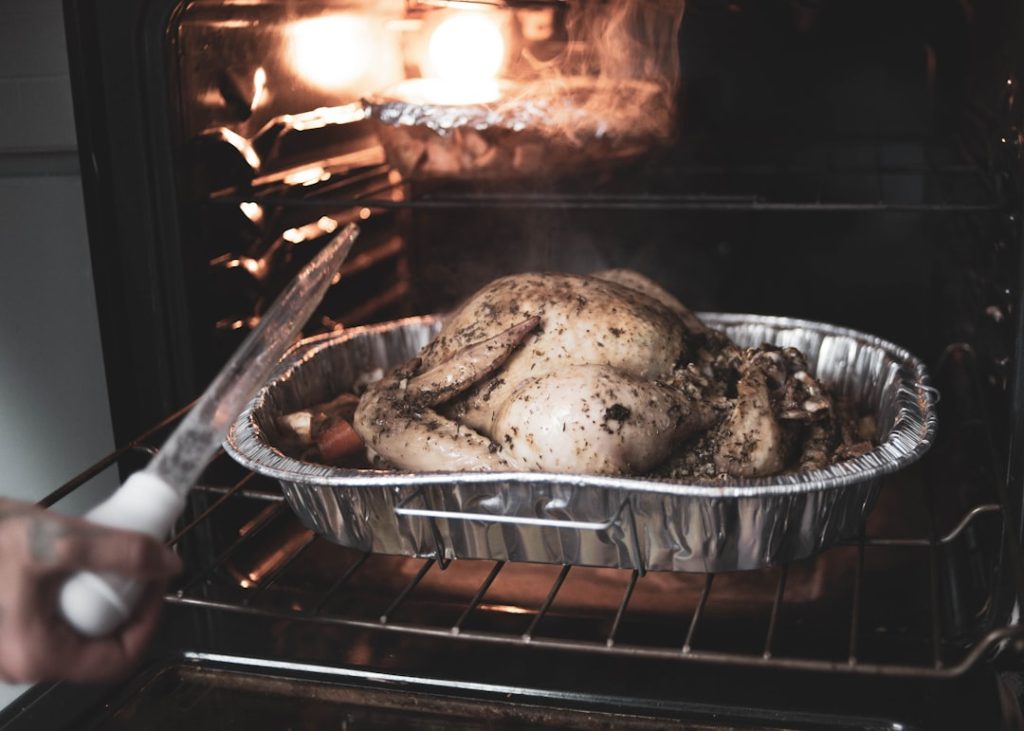
Are you wondering how long to cook a frozen roast in your slow cooker? You’re not alone.
Cooking a roast straight from the freezer can save time and effort, but it also raises some important questions. How long should it cook? Will it turn out tender and juicy? You’ll get clear, easy-to-follow answers that make your next meal a success.
Keep reading to discover the perfect timing and tips that ensure your frozen roast comes out delicious every time.
Choosing The Right Roast
Choosing the right roast is crucial for a delicious slow-cooked meal. Selecting the right cut ensures tenderness and flavor. Understanding which roasts work best can make all the difference.
Types Of Roasts Suitable For Slow Cooking
Some roasts are perfect for slow cooking. They become tender and flavorful over hours. Here are a few types to consider:
- Chuck Roast:Known for its rich flavor and marbling.
- Brisket:A cut that becomes tender with slow cooking.
- Round Roast:Leaner, yet still suitable for slow cooking.
- Pork Shoulder:Ideal for a juicy and flavorful finish.
Selecting Quality Frozen Roast
Quality matters in choosing a frozen roast. Look for roasts with even marbling. This ensures even cooking and flavor.
Check the packaging for any freezer burn. It can affect taste and texture.
Opt for roasts from trusted sources. This guarantees a fresh and high-quality product.
Credit: plumbranchhome.com
Preparing Frozen Roast For Slow Cooker
Preparing a frozen roast for the slow cooker takes some planning. Proper preparation helps the roast cook evenly and taste delicious. Understanding how to handle the frozen meat before cooking is important.
Seasoning and adding vegetables can improve the flavor and texture of the roast. These steps make the meal more complete and enjoyable. Let’s explore how to prepare the roast for the slow cooker.
Thawing Vs Cooking Frozen Directly
Thawing the roast first helps it cook evenly. It reduces the risk of food safety issues. Thawed meat absorbs spices and marinades better. The roast cooks faster and stays juicy.
Cooking frozen roast directly saves time. The slow cooker will take longer to heat the meat. It may lead to uneven cooking if the roast is very thick. It is safer to cook frozen roast on low heat for a longer time. This ensures the meat reaches a safe temperature.
Seasoning And Adding Vegetables
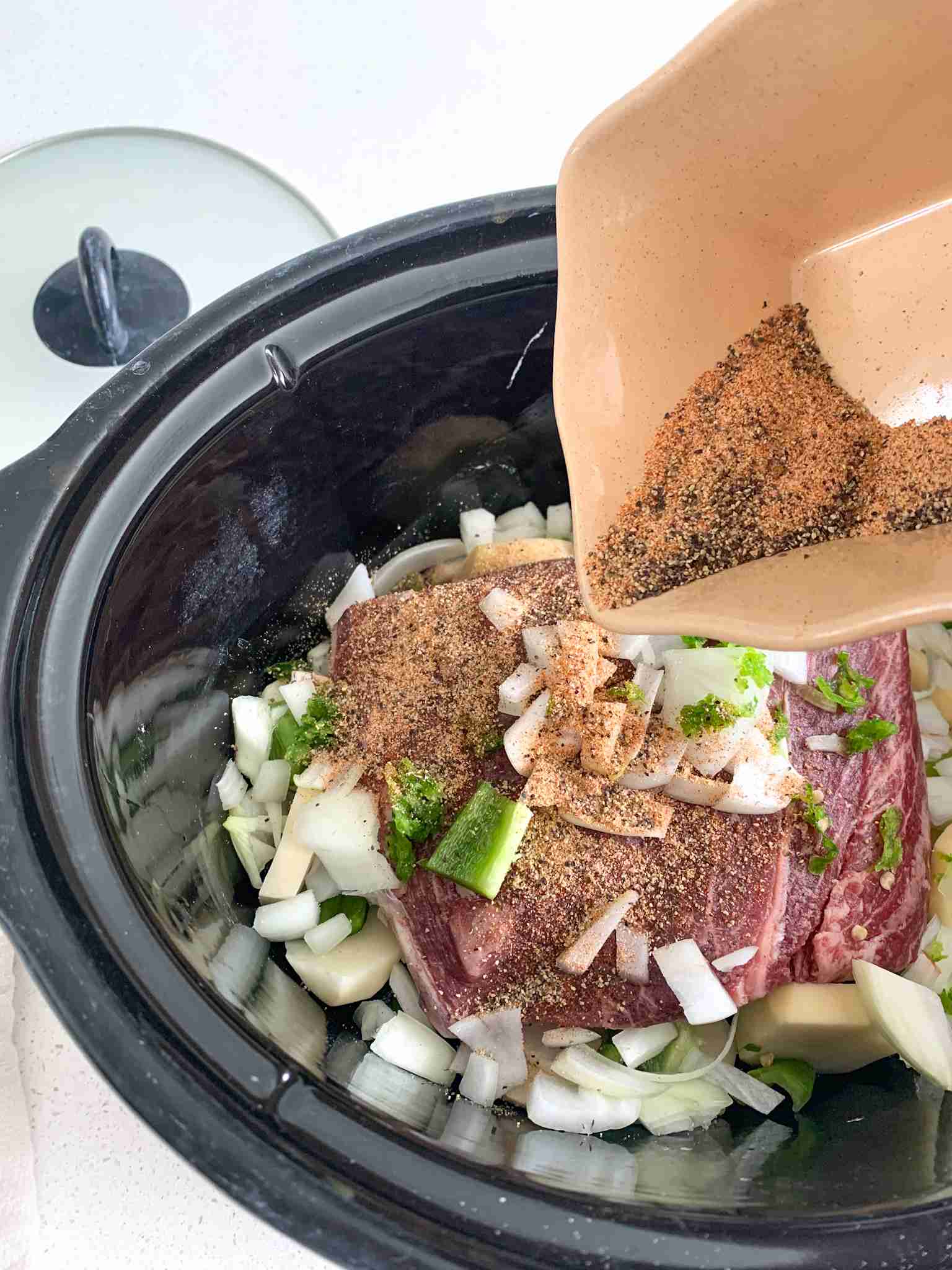
Season the roast with salt, pepper, and herbs. Use simple spices like garlic powder or rosemary. Rub the seasoning evenly on all sides of the roast. This boosts the flavor during slow cooking.
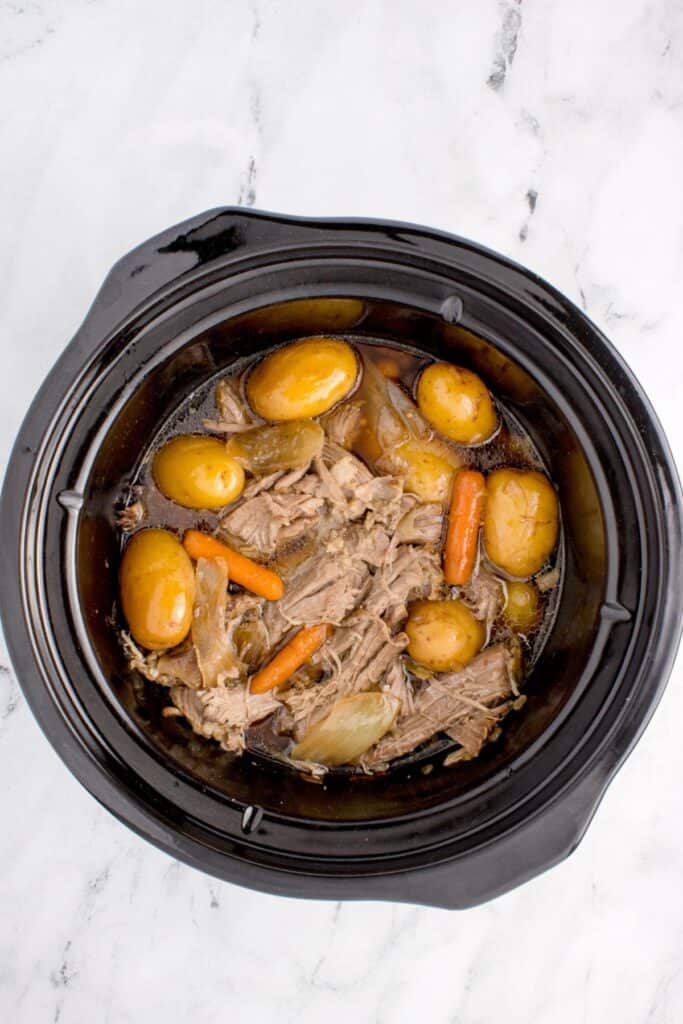
Add vegetables like carrots, potatoes, and onions around the roast. Cut them into large chunks so they do not cook too fast. Vegetables add moisture and natural sweetness to the dish. They also make the meal more filling.
Slow Cooker Settings And Timing
Choosing the right slow cooker settings and timing is key to cooking a frozen roast perfectly. The heat level controls how fast the roast cooks and how tender it becomes. Timing affects the texture and flavor of your meal. Understanding these factors helps avoid undercooked or dry roasts.
Low Vs High Heat Settings
The low heat setting cooks the roast gently. It takes longer but keeps the meat juicy and tender. The high heat setting cooks faster but can make the roast less tender if not timed well. Use low heat for a soft texture. Use high heat to save time but watch the cooking closely.
Recommended Cooking Times For Frozen Roast
| Heat Setting | Cooking Time | Notes |
|---|---|---|
| Low | 8 to 10 hours | Best for tender, juicy roast |
| High | 4 to 6 hours | Faster cooking, check for doneness |
Always check the roast’s internal temperature before serving. Aim for at least 145°F (63°C) for safe eating. Adjust cooking time based on the roast size and slow cooker model.
Tips For Even Cooking
Cooking a frozen roast in a slow cooker can be tricky, but there are simple ways to ensure it cooks evenly. Uneven cooking often leads to a tough or underdone center, which nobody wants after waiting all day. Paying attention to a few key tips can make your roast juicy and perfectly cooked every time.
Avoiding Overcooking Or Undercooking
Start by choosing the right size slow cooker. A roast that’s too large for your pot will cook unevenly, while a very small roast might dry out quickly.
Place the frozen roast on top of vegetables or a rack to allow heat to circulate. This stops the bottom from becoming mushy and the top from staying cold.
Resist the urge to lift the lid frequently. Every time you open it, heat escapes, extending cooking time and risking uneven cooking.
Checking Internal Temperature
Use a meat thermometer to check the roast’s internal temperature rather than guessing by time alone.
- Insert the thermometer into the thickest part of the roast, avoiding bones.
- The ideal temperature for a medium roast is about 145°F (63°C).
- For well-done, aim for 160°F (71°C) or higher.
Checking temperature is the most reliable way to know if your roast is done, especially when cooking from frozen. Have you ever cut into a roast only to find it undercooked inside? Avoid that disappointment by trusting the thermometer.
Enhancing Flavor And Texture
Cooking a frozen roast in a slow cooker can sometimes lead to bland or unevenly textured meat. But with the right techniques, you can boost both flavor and tenderness, making your roast something to look forward to. Adding depth through liquids and finishing with simple touches can transform your dish into a rich, mouthwatering meal.
Using Broth, Wine, And Herbs
Liquids like broth or wine add moisture and infuse the roast with flavor as it cooks low and slow. Choose beef or vegetable broth for a savory base, or try red wine to introduce a subtle acidity that brightens the meat’s richness.
Don’t forget herbs—they release aromatic oils that soak into the roast. Rosemary, thyme, and bay leaves are classic choices that complement beef beautifully. Adding garlic or onion can also deepen the flavor profile without any extra effort.
Think about your favorite flavors and experiment by mixing broth with a splash of wine or a handful of fresh herbs. What combinations excite your palate the most?
Finishing Techniques
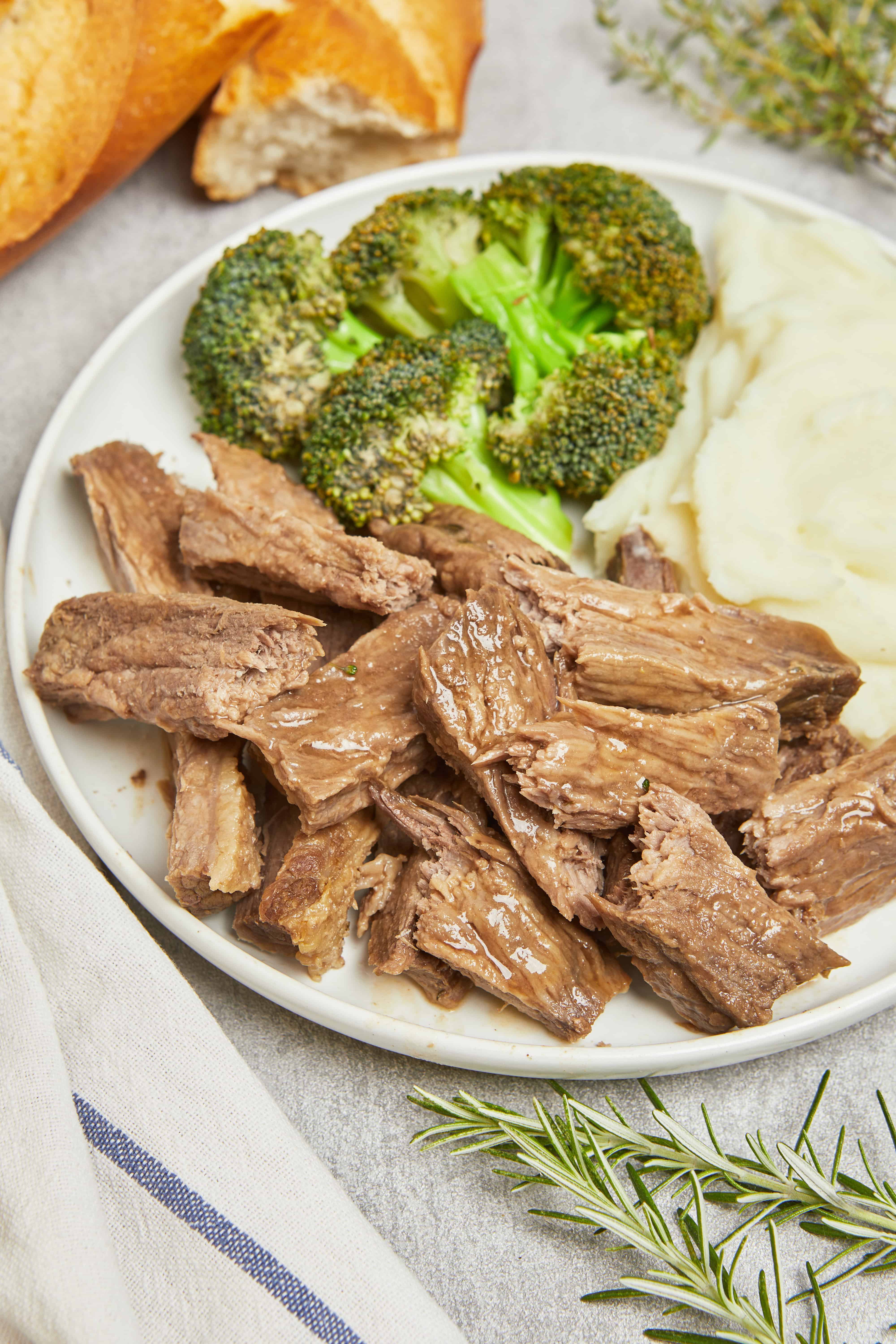
Once the roast is tender and cooked through, finishing techniques can elevate your dish further. Removing the meat and letting it rest helps juices redistribute, making every bite juicy.
Consider thickening the cooking liquid into a gravy by simmering it on the stove with a bit of cornstarch or flour. This adds a glossy, rich sauce that ties all the flavors together.
If you want a slightly crisp exterior, sear the roast quickly in a hot pan after slow cooking. This contrast in texture can make a big difference, especially if you usually serve slow cooker meals straight from the pot.
Credit: www.aboutamom.com
Common Mistakes To Avoid
Cooking a frozen roast in a slow cooker is convenient, but there are common mistakes that can turn your meal from delicious to disappointing. Avoiding these errors can save you time, effort, and frustration. Understanding these pitfalls helps you get a perfectly cooked roast every time.
Cooking Frozen Roast Without Enough Liquid
One of the biggest mistakes is not adding enough liquid to the slow cooker. The roast needs moisture to cook evenly and stay tender.
Without enough liquid, the meat can dry out or cook unevenly, especially since it starts frozen. I once tried slow cooking a frozen roast with just a splash of broth, and the result was a tough, chewy mess.
Make sure to add at least 1 to 2 cups of liquid, like broth, water, or sauce. This not only prevents drying out but also helps distribute heat better. Are you adding enough liquid to keep your roast juicy?
Opening Lid Frequently
It’s tempting to check on your roast often, but opening the lid lets heat escape. This extends cooking time and can affect the texture of your meat.
I learned this the hard way when I kept lifting the lid every 30 minutes. The slow cooker took much longer, and the roast was less tender than expected.
Trust the slow cooker and resist the urge to peek. If your recipe says 8 hours, set a timer and wait. Your roast will thank you for the patience.
Serving Suggestions
Serving a slow-cooked roast is about more than just the main dish. The right sides enhance flavors and create a balanced meal. Simple, fresh, and comforting sides work best with the rich taste of slow-cooked meat.
Side Dishes That Complement Slow Cooked Roast
- Mashed potatoes – creamy and smooth, a classic pairing
- Roasted vegetables – carrots, parsnips, and Brussels sprouts add color and texture
- Steamed green beans – light and fresh to balance the richness
- Buttery dinner rolls – perfect for soaking up juices
- Cauliflower mash – a low-carb alternative to potatoes
- Simple garden salad – crisp and refreshing with a light vinaigrette
- Herb rice – fragrant and soft, complements the roast’s flavor
Leftover Storage And Reheating
Store leftover roast in airtight containers to keep it fresh. Refrigerate within two hours after cooking. Use leftovers within three to four days for best quality.
Reheat gently to avoid drying out the meat. Use a microwave or oven at low heat. Adding a splash of broth helps keep the roast moist during reheating.
Credit: www.everydayfamilycooking.com
Frequently Asked Questions
How Long Does It Take To Cook Frozen Roast In A Slow Cooker?
Cooking a frozen roast in a slow cooker typically takes 8 to 10 hours on low heat. High heat settings may reduce cooking time to 4 to 6 hours, but low is recommended for tenderness and even cooking.
Can I Cook Frozen Roast Directly In A Slow Cooker?
Yes, you can cook frozen roast directly in a slow cooker. However, it’s best to increase the cooking time by 1 to 2 hours to ensure the meat cooks thoroughly and reaches a safe temperature.
What Temperature Should A Slow Cooker Be For Frozen Roast?
Use the low setting on your slow cooker for frozen roast. This setting cooks meat gently, allowing it to become tender without drying out, typically maintaining around 190°F to 200°F (88°C to 93°C).
Is It Safe To Cook Frozen Roast In A Slow Cooker?
Cooking frozen roast in a slow cooker is safe if you use low heat and extend the cooking time. This ensures the meat reaches a safe internal temperature of at least 145°F (63°C).
Conclusion
Cooking frozen roast in a slow cooker takes time and patience. Plan for about 8 to 10 hours on low heat. This method helps the meat cook evenly and stay juicy. Avoid rushing by using high heat; it may not cook well.
Always check the roast’s internal temperature before serving. Slow cooking frozen meat saves prep time and still tastes great. Keep it simple and enjoy a warm, tender meal with little effort. Slow cookers make busy days easier and meals tastier.