
Are you tired of stubborn stains and sticky spots on your kitchen floor? Choosing the right cleaning product can make all the difference in how fresh and spotless your kitchen feels.
But with so many options out there, how do you know which one will work best for your floor type and keep your kitchen safe and shining? You’ll discover simple, effective solutions that make cleaning easier and leave your kitchen floor looking its absolute best.
Keep reading—you’re just one step away from a cleaner, happier kitchen!
Types Of Kitchen Floor Surfaces
Kitchen floors come in many types, each with unique features. Choosing the right cleaning product depends on the floor material. Using the wrong cleaner can damage the surface or leave residues. Understanding floor types helps pick safe and effective cleaners.
Tile Floors
Tile floors are common in kitchens. They are durable and water-resistant. Grout lines between tiles can trap dirt. Use a pH-neutral cleaner to protect grout and tiles. Avoid harsh chemicals that may dull the shine.
Wood Floors
Wood floors add warmth to kitchens. They require gentle cleaning to avoid damage. Use cleaners made for hardwood or a mild soap solution. Avoid excess water to prevent warping or swelling.
Vinyl Floors
Vinyl floors are affordable and easy to maintain. They resist stains and scratches well. Use a mild floor cleaner or vinegar diluted in water. Avoid abrasive scrubbers that can scratch the surface.
Laminate Floors
Laminate floors mimic wood but are more water-sensitive. Use a cleaner designed for laminate or a gentle soap solution. Avoid soaking floors with water to prevent swelling or peeling.
Stone Floors
Stone floors include granite, marble, and slate. They are natural and durable but need special care. Use pH-neutral or stone-specific cleaners only. Avoid acidic or abrasive products that can etch or dull stone.

Credit: www.amazon.com
Key Ingredients In Cleaning Products
Choosing the right cleaning product starts with understanding its key ingredients. These components determine how well the product cleans and protects your kitchen floors. Some ingredients focus on removing dirt, while others kill germs or break down stains. Knowing these can help you pick a cleaner that fits your needs and floor type.
Detergents And Surfactants
Detergents and surfactants are the main agents that remove grease and dirt. They work by loosening grime and lifting it from the floor surface. These ingredients help water mix with oils and dirt, making cleaning easier. Most floor cleaners contain mild surfactants safe for many floor types.
Disinfectants
Disinfectants kill bacteria, viruses, and fungi on floors. They reduce the risk of illness by sanitizing surfaces. Common disinfectants include alcohol, bleach, and quaternary ammonium compounds. Use disinfectant cleaners in kitchens to maintain a hygienic environment.
Natural Cleaners
Natural cleaners use plant-based ingredients like vinegar, lemon, and baking soda. They are gentle and eco-friendly. These cleaners work well for light dirt and regular maintenance. Natural products often have fewer chemicals, making them safer for pets and children.
Enzymatic Cleaners
Enzymatic cleaners use enzymes to break down organic stains and odors. They target food spills, grease, and pet messes. These cleaners digest the stain molecules, making them easier to wipe away. Enzymatic products are effective for deep cleaning without harsh chemicals.
Best Cleaning Products For Each Floor Type
Choosing the right cleaning product for your kitchen floors is important. Different floor types need different cleaning solutions. This ensures they stay clean and last long. Using the wrong product can damage the surface. Let’s explore the best cleaning products for each type of kitchen floor.
Top Products For Tile Floors
Tile floors are durable and easy to clean. Use a neutral pH cleaner for tiles. It removes dirt without leaving residue. Avoid products with harsh chemicals. They can damage the grout between tiles.
Recommended Cleaners For Wood Floors
Wood floors need gentle cleaning products. Opt for a pH-balanced wood floor cleaner. It cleans without stripping the floor’s finish. Avoid water-based products that can cause wood to warp.
Safe Options For Vinyl Floors
Vinyl floors are resilient but still need care. Use a vinyl-safe cleaner to avoid damage. Avoid abrasive cleaners that can scratch the surface. A mild detergent mixed with water works well.
Effective Cleaners For Laminate Floors
Laminate floors require specific cleaners to maintain their look. Use a laminate floor cleaner that dries quickly. Avoid steam cleaning, which can cause the laminate to swell.
Suitable Products For Stone Floors
Stone floors, like marble and granite, need special care. Use a pH-neutral stone cleaner. It prevents etching and maintains the stone’s natural beauty. Avoid acidic products that can damage the surface.

Credit: www.amazon.com
Diy Cleaning Solutions
DIY cleaning solutions offer a simple and cost-effective way to keep your kitchen floors spotless. These homemade mixtures use everyday ingredients you probably already have in your pantry. They are gentle on surfaces yet tough on dirt, giving you control over what you use in your home.
Vinegar-based Cleaners
Vinegar is a powerhouse for cleaning kitchen floors. Mix one cup of white vinegar with a gallon of warm water for an easy, natural floor wash. This solution cuts through grease and grime without leaving a sticky residue.
Be cautious with vinegar on natural stone floors like marble or granite, as the acidity can damage the surface. For other types of flooring, vinegar helps disinfect and deodorize, leaving your kitchen smelling fresh. Have you noticed how vinegar can brighten dull tiles with regular use?
Baking Soda Mixes
Baking soda is another versatile cleaner that tackles tough stains and odors. Sprinkle it directly on stubborn spots, then scrub with a damp mop or cloth. Alternatively, combine half a cup of baking soda with a gallon of warm water for a gentle floor soak.
This mix is especially useful on linoleum and vinyl floors, restoring their shine without harsh chemicals. You might find baking soda easier to rinse off than commercial cleaners, which often leave a slippery film. How often do you think about using baking soda beyond just baking?
Essential Oil Additives
Adding essential oils to your DIY floor cleaner can enhance the cleaning power and leave a pleasant scent. Oils like tea tree, lemon, or lavender have natural antibacterial properties. Just add 10–15 drops to your vinegar or baking soda solution before mopping.
Essential oils also help mask the strong vinegar smell if that’s a concern. Plus, their calming aromas can make your kitchen feel more inviting. Which essential oil scent would make your cleaning routine more enjoyable?
Tips For Proper Floor Cleaning
Keeping your kitchen floors spotless requires more than just picking the right cleaning product. Paying attention to how often you clean, the tools you use, and even how you dry the floor can make a huge difference in maintaining both cleanliness and the floor’s longevity. Let’s dive into some practical tips that will help you clean your kitchen floors effectively without causing damage.
Frequency Of Cleaning
How often you clean your kitchen floor depends on your daily activity and the type of flooring. High-traffic kitchens might need daily sweeping and a quick mop every other day. If you cook frequently or have kids and pets, consider mopping more often to avoid sticky spots and stains.
Don’t wait for visible dirt to pile up. Regular cleaning prevents grime from settling and becoming harder to remove. Ask yourself: Could a bit more frequent cleaning save you time scrubbing later?
Avoiding Damage
Harsh chemicals and abrasive tools can ruin your floor’s finish. Always check if the cleaning product is suitable for your floor type—wood, tile, laminate, or vinyl all require different care.
Never use bleach or ammonia on wood floors, as these can strip the finish. Instead, choose pH-neutral cleaners that are gentle yet effective. Also, avoid excessive water on wood floors; it can cause warping or swelling.
Tools To Use
- Soft-bristle broom:Great for everyday sweeping without scratching.
- Microfiber mop:Picks up dust and dirt efficiently and works well with water-based cleaners.
- Bucket with wringer:Controls water usage, essential for floors sensitive to moisture.
- Vacuum cleaner with floor attachment:Ideal for tile and vinyl, it removes particles from grout and corners.
Have you noticed how different tools make your cleaning easier or tougher? Choosing the right ones can save effort and protect your floors.
Drying Techniques
After mopping, don’t leave your kitchen floor wet for long. Standing water can cause slips and damage certain floor materials.
Use a dry microfiber cloth or mop to go over the floor and soak up excess moisture. Opening windows or turning on fans helps speed up drying and prevents mold growth.
Think about how quickly your floor dries after cleaning—could a simple change in your drying routine improve both safety and floor care?
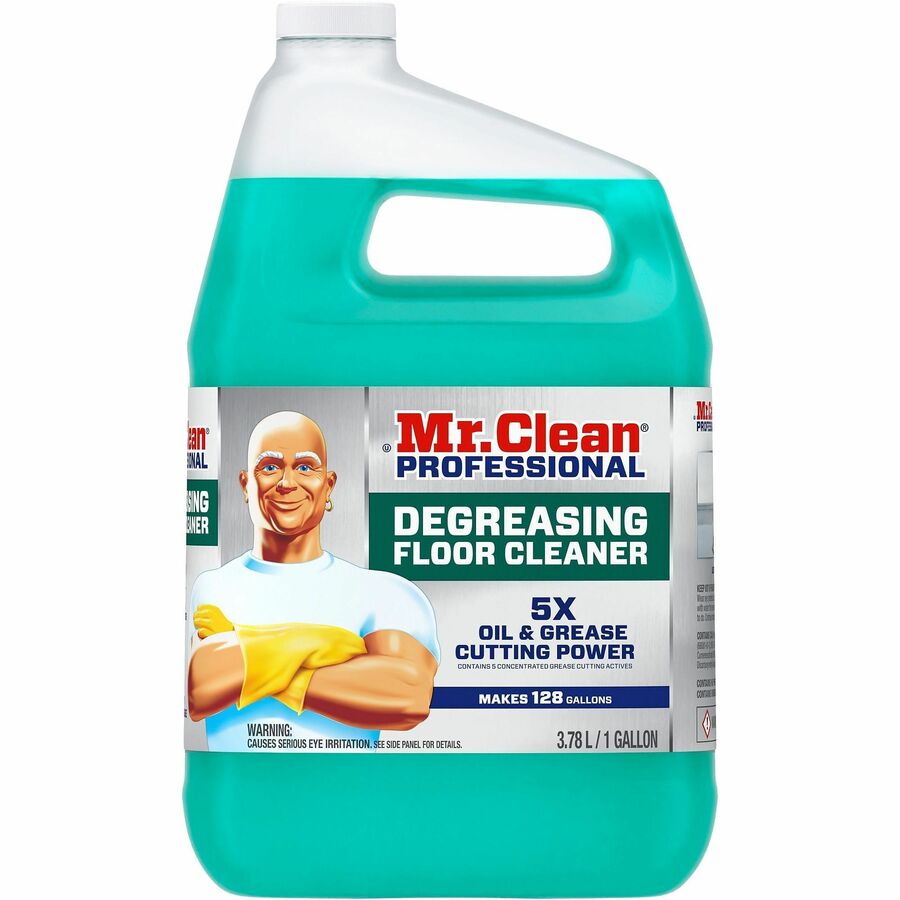
Credit: www.iccbusinessproducts.com
Safety Precautions And Environmental Impact
Cleaning kitchen floors requires attention to safety and environmental effects. Using the right products helps protect your home and the planet. Proper care during use and disposal keeps everyone safe. Choosing eco-friendly options reduces harm to nature and wildlife.
Handling Chemicals Safely
Always read the label before using any cleaning product. Wear gloves to protect your skin from irritants. Ensure good ventilation by opening windows or turning on fans. Never mix different cleaning chemicals; this can cause dangerous fumes. Store products out of reach of children and pets.
Eco-friendly Product Choices
Pick cleaners made from natural ingredients like vinegar or baking soda. Look for products labeled biodegradable and non-toxic. Avoid harsh chemicals such as ammonia or bleach. Choose concentrates to reduce plastic waste and save money. Use only the amount needed to clean effectively.
Disposal Of Cleaning Products
Do not pour leftover cleaners down the drain or toilet. Check local guidelines for hazardous waste disposal. Empty containers should be rinsed and recycled if possible. Never mix waste from different chemicals together. Proper disposal prevents water pollution and protects wildlife.
Frequently Asked Questions
What Is The Best Cleaner For Kitchen Floors?
The best cleaner depends on your floor type. For tile, use a pH-neutral cleaner. For wood, use a gentle wood floor cleaner. Avoid harsh chemicals that damage finishes.
Can Vinegar Clean Kitchen Floors Effectively?
Yes, vinegar is a natural and effective cleaner. It removes grease and grime well. However, avoid vinegar on stone or hardwood floors as it may cause damage.
How Often Should Kitchen Floors Be Cleaned?
Clean kitchen floors daily with a dry mop or vacuum. Use a wet mop with cleaner at least once a week for deep cleaning. Frequent cleaning prevents buildup and keeps floors sanitary.
Are Homemade Cleaning Solutions Safe For Kitchen Floors?
Homemade cleaners like vinegar and baking soda are safe for most floors. They are eco-friendly and affordable. Always test a small area first to avoid damage.
Conclusion
Choosing the right cleaner keeps kitchen floors fresh and safe. Use gentle products to avoid damage and keep floors shiny. Clean spills quickly to stop stains and slips. Regular cleaning helps your kitchen look neat and welcoming. Simple tools and the right cleaner make the job easy.
Keep your kitchen floor healthy for your family every day. Clean floors create a better space to cook and live.