Have you ever stopped to think about how often you replace your kitchen cleaning products? Using old or expired cleaners can leave your kitchen less clean than you think, putting your health at risk.
You might be surprised to learn that some products lose their effectiveness over time or even become harmful. If you want to keep your kitchen sparkling and safe, knowing when to replace these products is key. Keep reading to find out exactly how often you should refresh your kitchen cleaning supplies and why it matters more than you realize.
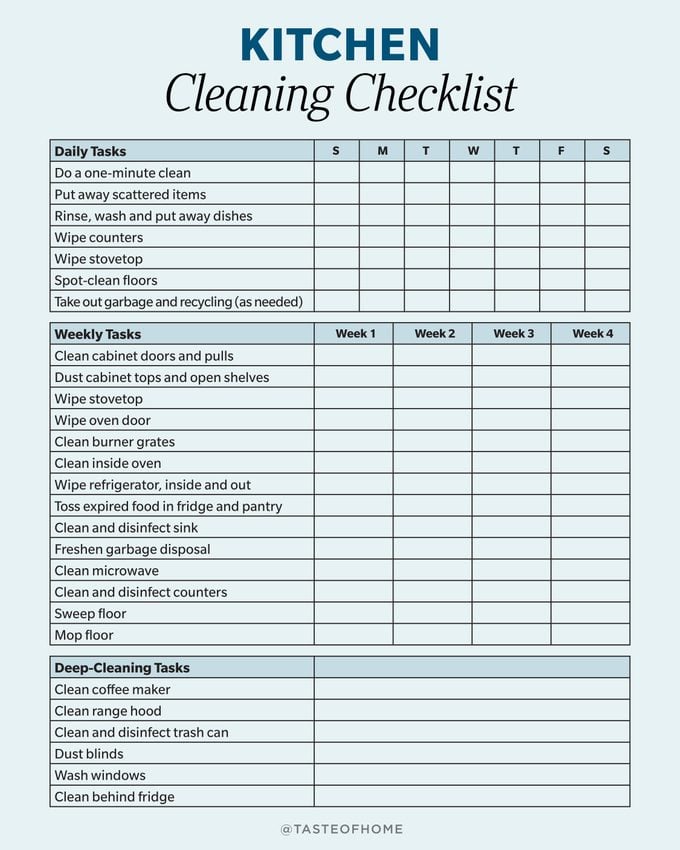
Credit: www.tasteofhome.com
Signs To Replace Cleaning Products
Recognizing the signs to replace kitchen cleaning products helps keep your kitchen safe and fresh. Old or worn-out products may not clean well and could cause harm.
Watch for clear indicators that your cleaning supplies need changing. These signs protect your health and maintain cleanliness.
Changes In Smell And Color
Fresh cleaning products have a distinct, pleasant smell. If the scent turns sour, musty, or strange, it’s time to replace them.
Color changes also show product degradation. A product that looks darker, cloudy, or separated may no longer work properly.
Reduced Effectiveness
Cleaning products lose strength over time. If stains or grease don’t come off easily, the product may be too old.
Notice if you need more product or extra scrubbing. This means it no longer cleans efficiently.
Expiration Dates And Shelf Life
Most cleaning products have expiration dates printed on the label. Use products before these dates for best results.
Even unopened products expire. Shelf life varies by product type, usually from 6 months to 2 years.
Check labels for storage advice to extend shelf life. Store in cool, dry places away from sunlight.
Credit: www.tiktok.com
Replacing Sponges And Scrubbers
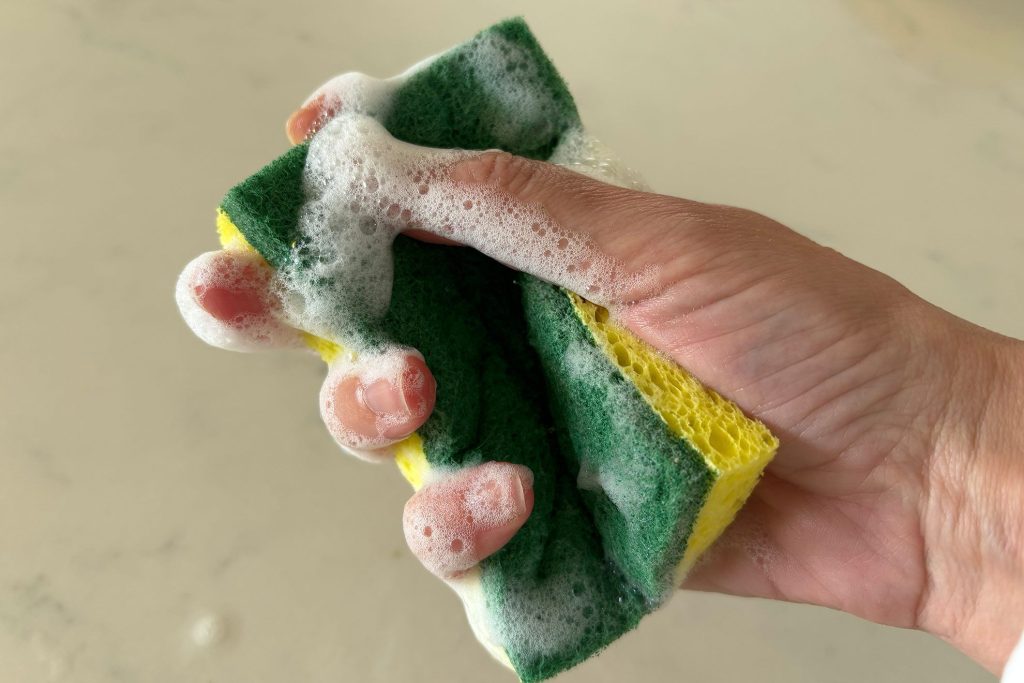
Sponges and scrubbers are kitchen workhorses. They tackle tough stains and stuck-on food every day, but they also harbor bacteria if not replaced regularly. Understanding when and how to replace these cleaning tools can keep your kitchen safer and your cleaning more effective.
Recommended Replacement Frequency
Most experts suggest replacing kitchen sponges every one to two weeks. Scrubbers, depending on material and use, may last slightly longer—about two to four weeks.
If you notice an unpleasant smell or visible wear, replace them immediately, even if it hasn’t been two weeks. The key is to observe their condition closely rather than sticking rigidly to a schedule.
Preventing Bacteria Build-up
Sponges can become breeding grounds for bacteria due to their moist and porous nature. Rinsing them thoroughly after each use helps, but it’s rarely enough.
- Microwaving a damp sponge for one minute can kill many germs.
- Soaking scrubbers in a bleach solution weekly reduces bacterial growth.
- Allowing sponges to dry completely between uses also slows bacteria.
Have you ever thought about how often your sponge might actually be dirtier than your toilet seat? Regular cleaning and replacement are essential to avoid this.
Best Practices For Maintenance
Store your sponges and scrubbers in a dry, well-ventilated place to speed up drying. Avoid leaving them in the sink or on wet surfaces where moisture lingers.
Rinse and wring out your cleaning tools after every use. Consider using separate sponges for different tasks—one for dishes, another for countertops—to minimize cross-contamination.
Try using alternatives like silicone scrubbers that dry faster and are easier to sanitize. They might last longer and save you frequent replacements.
Replacing Dish Soap And Detergents
Dish soap and detergents should be replaced every 3 to 6 months to keep cleaning effective. Old products can lose strength and may not clean well. Check for changes in smell or texture as signs it’s time to buy new ones.
Replacing dish soap and detergents might seem like a trivial task, but it’s more important than you might think. Using old or ineffective products can lead to less-than-clean dishes and wasted effort. It’s crucial to know when to swap these cleaning aids for optimal performance in your kitchen.
How Long Do They Last?
Dish soap and detergents typically have a shelf life of about 12 to 18 months. However, their effectiveness can diminish sooner if not stored properly. Pay attention to any changes in texture, smell, or color, as these are signs your products may have expired.
Storage Tips To Extend Lifespan
Proper storage can make all the difference in extending the life of your dish soap and detergents. Keep them in a cool, dry place, away from direct sunlight, to maintain their potency. Consider using airtight containers to prevent exposure to moisture and air, which can degrade their quality over time. Have you ever noticed your dish soap smelling different? It’s a hint that it might be time to replace it. By storing your cleaning products correctly, you’re not just saving money, but also ensuring your kitchen is as clean as possible.
Replacing Cleaning Cloths And Towels
Replacing cleaning cloths and towels regularly keeps your kitchen hygienic. These items collect dirt, grease, and bacteria over time. Using old, worn cloths can spread germs instead of cleaning. Fresh cloths and towels improve cleaning results and protect your family’s health.
When To Switch Out
- Change cloths and towels every 1 to 2 weeks.
- Replace immediately if they smell bad or look stained.
- Discard if fabric becomes thin or torn.
- Switch after heavy spills or raw meat contact.
Washing And Care Tips
- Wash cloths in hot water to kill bacteria.
- Use a strong detergent for best results.
- Avoid fabric softeners that reduce absorbency.
- Dry cloths completely before reuse to prevent mold.
- Keep separate cloths for different cleaning tasks.
Replacing Surface Cleaners And Disinfectants
Surface cleaners and disinfectants keep kitchens hygienic and safe. These products remove dirt, grease, and harmful germs. Using fresh and effective cleaners protects your family from illness. Old or expired products lose their power. Knowing when to replace them saves time and effort.
Expiration And Effectiveness
Check the expiration date on the label. Most surface cleaners last about one to two years. Disinfectants often have shorter shelf lives. After expiration, the chemicals break down and weaken. Using expired products may not kill bacteria or viruses properly.
Signs a product has lost strength include:
- Change in smell or color
- Separation or clumping of liquid
- Poor cleaning or disinfecting results
Replace products showing these signs immediately. Keep a regular schedule to review your cleaning supplies. This helps maintain a safe kitchen environment.
Safe Storage Guidelines
Store cleaners in cool, dry places away from sunlight. Heat and moisture speed up chemical breakdown. Avoid storing near heat sources or in bathrooms. Keep lids tightly closed after each use.
Follow these tips for safe storage:
- Use original containers with clear labels
- Place products out of children’s reach
- Separate cleaning chemicals from food items
- Avoid mixing different products to prevent dangerous fumes
Proper storage keeps cleaners effective longer. It also prevents accidents and contamination in the kitchen.
Replacing Garbage Bags And Trash Liners
Replacing garbage bags and trash liners is an essential part of kitchen cleaning. These items contain waste and prevent messes. Regular changes help keep your kitchen clean and odor-free. Knowing how often to replace them depends on their use and quality.
Frequency Based On Usage
Garbage bags should be replaced whenever they are full. A full bag can tear easily and cause spills. In busy kitchens, this may mean changing bags daily or even twice a day. For less active kitchens, replacing bags every two to three days might work. Trash liners also need regular replacement. Liners protect your bin from stains and smells. Change liners with each bag change to maintain cleanliness.
Choosing Durable Options
Durable garbage bags reduce the risk of tearing. Look for thicker bags that hold heavy waste well. Strong liners last longer and keep bins cleaner. Durable options may cost more but save time and effort. They help prevent leaks and unpleasant odors. Choosing the right bags and liners improves kitchen hygiene and eases waste management.
Tips For Extending Product Life
Extending the life of kitchen cleaning products saves money and reduces waste. Simple habits help keep these products effective longer. Proper care maintains their cleaning power and safety. Here are key tips to make your products last.
Proper Storage
Store cleaning products in a cool, dry place. Avoid areas with heat or direct sunlight. Keep lids tightly closed to stop spills and drying out. Store items upright to prevent leaks. Separate chemicals from food storage areas for safety.
Regular Cleaning Routines
Clean tools like sponges and brushes after each use. Rinse and dry cloths to prevent bacteria growth. Replace or sanitize cleaning cloths weekly. Keep spray nozzles clear by wiping them regularly. Clean product containers to avoid sticky buildup.
Avoiding Cross-contamination
Use different cloths for various surfaces, like counters and floors. Label products clearly to prevent mix-ups. Do not share sponges between raw food and general cleaning. Rinse tools between tasks to stop spreading germs. Practice good hygiene by washing hands often.

Credit: www.absolutesolutions.com.sg
Eco-friendly Replacement Alternatives
Choosing eco-friendly alternatives for kitchen cleaning products not only helps reduce waste but also protects your health and the environment. These options often last longer and break down naturally, minimizing harm to ecosystems. Are you ready to switch to greener choices that keep your kitchen sparkling without the guilt?
Biodegradable Products
Biodegradable cleaning products break down naturally and don’t leave harmful residues. They often use plant-based ingredients like coconut oil or citrus extracts, making them safer for your family and pets.
Look for soaps, detergents, and sprays labeled biodegradable and free from harsh chemicals. Brands like Seventh Generation and Method offer products that work well and decompose quickly. Using these means you replace your cleaning supplies with items that won’t pile up in landfills or waterways.
Reusable Cleaning Tools
Instead of disposable wipes and paper towels, try reusable cleaning tools to cut down waste. Microfiber cloths, washable mop heads, and silicone scrubbers can be cleaned and reused hundreds of times.
I once switched to microfiber cloths and noticed I needed to buy cleaning supplies far less often. Not only did this save money, but it also reduced the plastic packaging I used to throw away. Could your cleaning routine benefit from fewer disposable products?
- Use cloths that can be machine washed.
- Choose scrubbers designed to last months or years.
- Store tools properly to keep them clean and effective.
By picking biodegradable products and reusable tools, you replace your kitchen cleaning items thoughtfully and sustainably. What small changes can you make today to create a cleaner kitchen and a cleaner planet?
Frequently Asked Questions
How Often Should I Replace Kitchen Sponges?
Replace kitchen sponges every 1 to 2 weeks to prevent bacteria buildup. Frequent use and moisture make sponges a breeding ground for germs. Regular replacement keeps your kitchen hygienic and reduces contamination risks.
When Should I Toss Out Old Dishcloths?
Dishcloths should be replaced every 1 to 2 weeks or when they smell bad. Frequent washing helps, but fibers wear out over time. Fresh dishcloths ensure effective cleaning and maintain kitchen hygiene.
How Frequently Should Kitchen Brushes Be Replaced?
Replace kitchen brushes every 3 to 4 months or sooner if bristles wear out. Worn brushes trap dirt and bacteria, reducing cleaning efficiency. Timely replacement maintains cleanliness and prolongs brush effectiveness.
What About Replacing Kitchen Cleaning Sprays?
Kitchen cleaning sprays should be replaced according to the expiration date on the label. Using expired sprays reduces cleaning power and may cause surface damage. Always check dates for safe and effective use.
Conclusion
Replacing kitchen cleaning products regularly keeps your kitchen safe and fresh. Old products lose their power and may not clean well. Check labels for expiration dates and signs of damage. Clean tools work better and stop germs from spreading. Set a schedule to replace sponges, brushes, and sprays on time.
Small steps like these protect your family’s health. Clean kitchen, happy home. Simple habits make a big difference. Stay mindful and keep your kitchen clean often.